

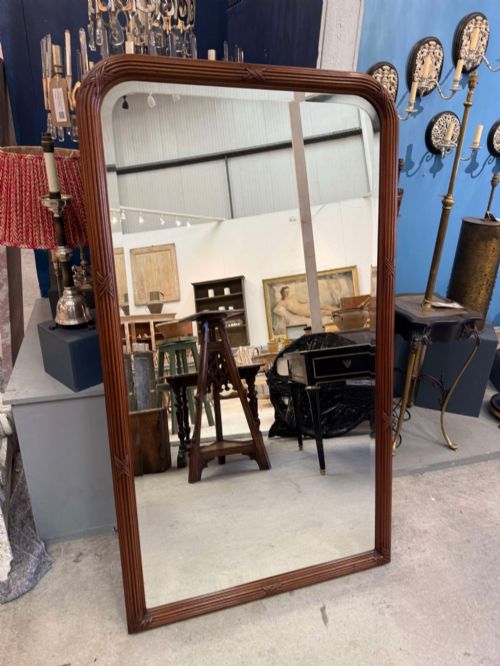
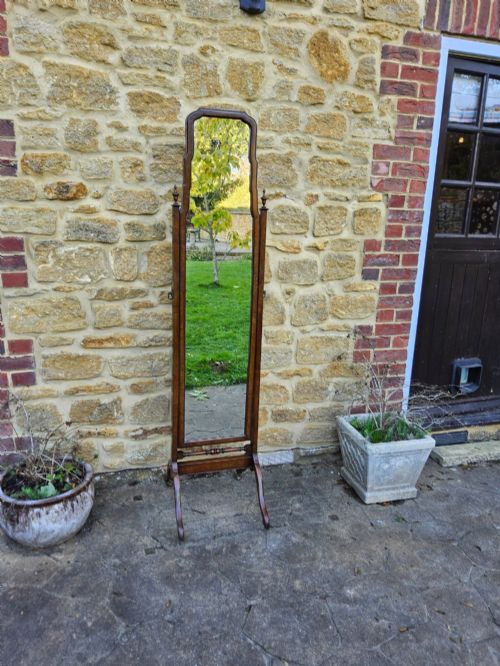
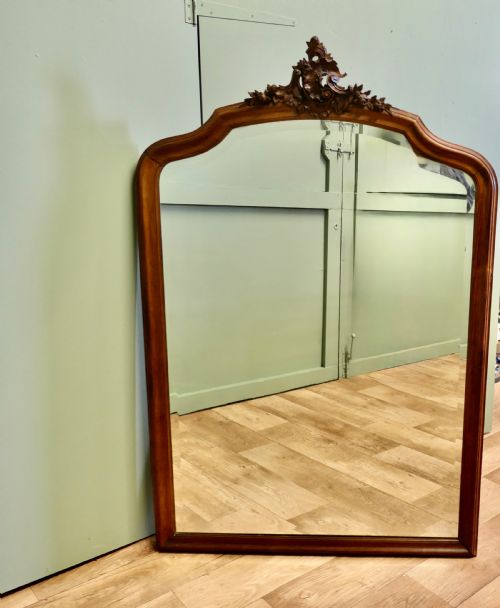
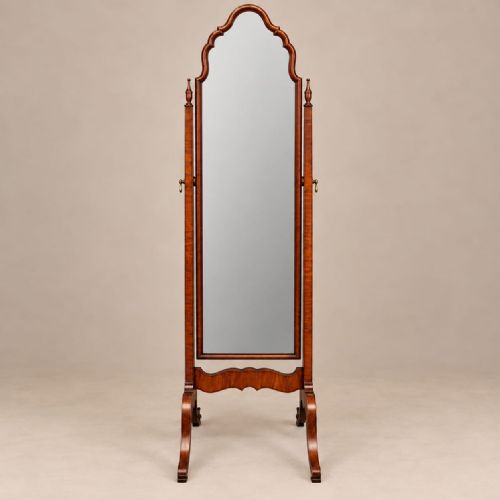


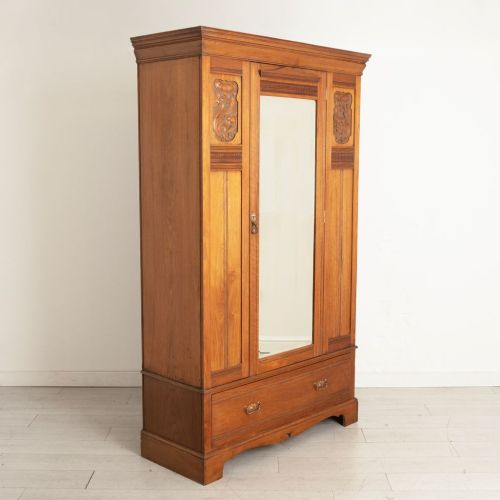
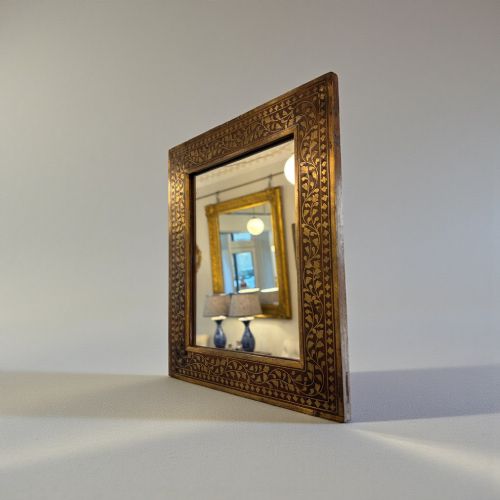
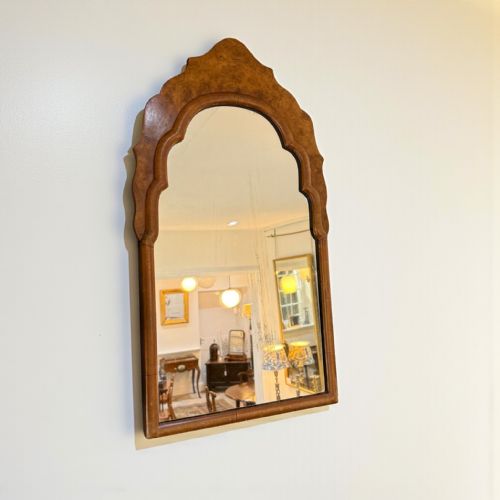
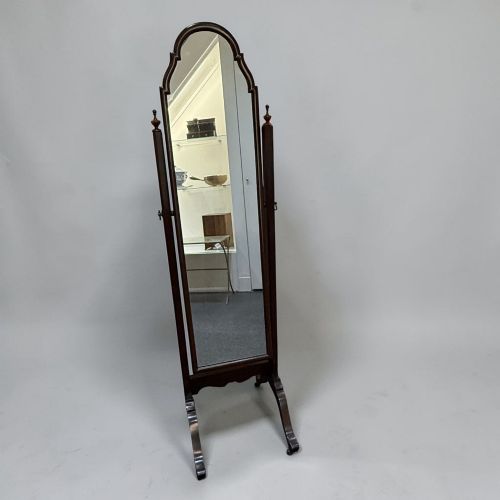
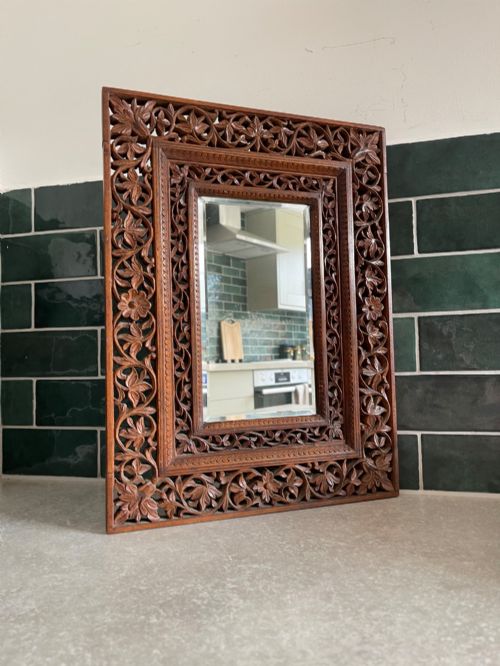
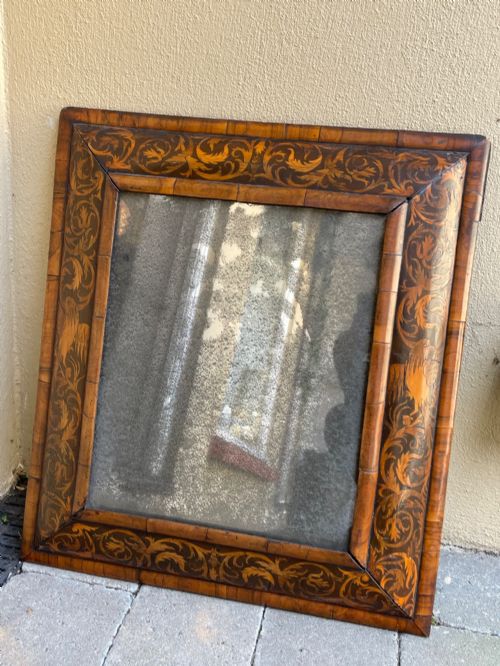
Brown Timber Mirror
These brown timber mirror examples bring substantial warmth to an interior through rich natural grain and period joinery.
Brown Timber Mirror
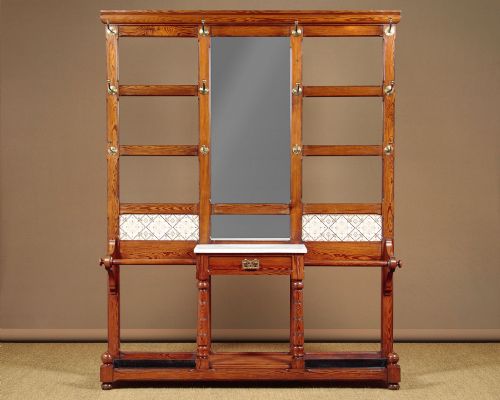
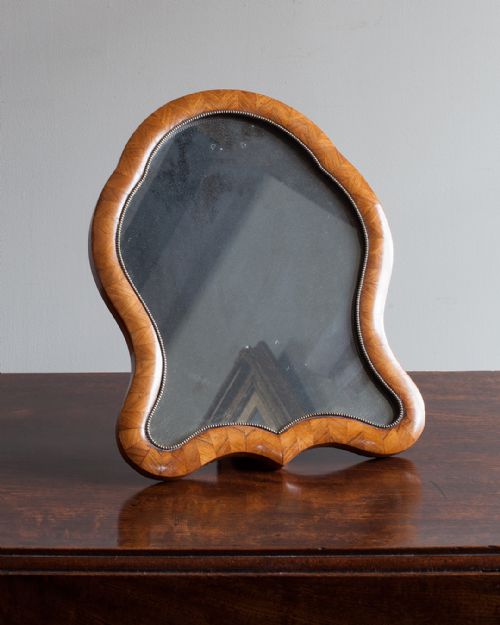
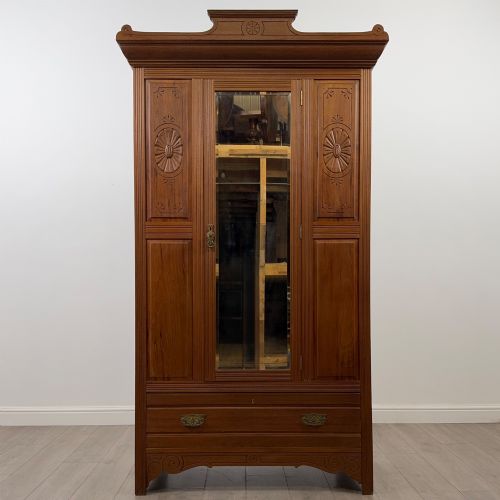
A brown timber mirror delivers functional reflection framed in traditional woods such as mahogany, walnut, oak and kingwood. These pieces range from compact dressing table glasses and wall-hanging variants to large overmantel designs intended for principal reception rooms.
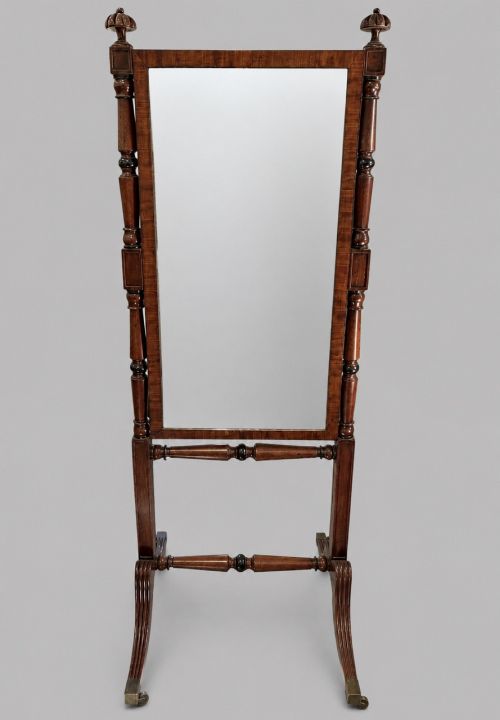
Most examples encountered here originate from the nineteenth century, spanning Victorian, Edwardian and Arts and Crafts movements alongside earlier Georgian interpretations. Wall mirrors and overmantels dominate the selection, though cheval mirrors and table variants also appear.
Regional diversity shapes the selection, encompassing British workshop production alongside French provincial items, Black Forest carvings and Anglo-Indian or Moorish work. Each piece reflects the aesthetic priorities of its specific period, from restrained Georgian proportions to ornate Victorian carving.
How they were made
Carpenters constructed the foundational frames using solid native and exotic hardwoods, frequently applying decorative veneers such as walnut oyster cuts, kingwood or marquetry inlays to visible surfaces. Joinery methods relied on traditional mortise and tenon joints to ensure structural stability across large wall and overmantel formats.
Carved decoration required skilled hand chiselling, evident in the detailed foliage of Black Forest frames, classical motifs on French château pieces, and figurative elements on Arts and Crafts designs. Glass plates were manually cast or blown, then silvered and secured into the rebated wooden frames with traditional backing boards.
Brown Timber Mirror Retail Price Guide 2026
Typical asking prices for brown timber mirror among the pieces listed under this phrase on Sellingantiques today, from the lower quarter to the upper quarter. They describe what is for sale here now, not the wider market.
The listings demonstrate considerable material variety, incorporating walnut, mahogany, oak, kingwood and rosewood alongside specialised glass plates.
What varies in quality
The sophistication of the timber selection and veneer patterning establishes the baseline distinction between ordinary utility items and high-status commissions. Figured grain, symmetrical oyster layouts and intricate parquetry require superior material selection and meticulous cabinetmaking skill.
Depth and precision in hand carving separate exceptional decorative frames from standard production pieces. Crisp relief work in walnut or oak demonstrates the artisan's competence, whereas softer, shallower detailing indicates more rapid commercial output.
Gabriel Viardot·Mercier
The Brown Timber Mirror Glossary
- Overmantel mirror
- A large horizontal mirror designed specifically to hang above a fireplace mantelpiece. These pieces often incorporate classical architectural motifs or elaborate crestings.
- Cheval mirror
- A freestanding full-length mirror suspended on a vertical swiveling frame between four legs. This form allowed users to adjust the viewing angle.
- Oyster veneer
- Cross-sections sliced horizontally from small branches or roots to create circular or oval patterns resembling oyster shells. This technique gained popularity during the late seventeenth century.
- Black Forest
- A nineteenth-century carving style originating in the mountainous region of Germany, recognised by deeply undercut naturalistic foliage and animal figures. Pieces often use lime or walnut timber.
- Pier wall mirror
- A tall, narrow mirror designed to hang on the wall space between two windows. They frequently sat above small console tables or pier tables.
Brown Timber Mirror: Frequently Asked Questions
Where should I hang an overmantel mirror?
An overmantel mirror sits naturally directly above a fireplace mantelpiece, anchoring the vertical space of a principal room. Position it at a height that reflects eye-level details or ceiling cornices rather than empty wall space.
Ensure the wall fixings match the substantial weight of these timber frames, as nineteenth-century pieces require secure load-bearing support.
How do I identify a Georgian mahogany mirror?
Georgian mahogany mirrors typically display restrained proportions, architectural scroll pediments, and finely figured timber grain. Look for hand-bevelled glass plates secured with old pine backing boards and traditional joinery.
Finer examples often feature gilded fretwork detailing or carved giltwood bezel accents within the mahogany frame.
What is a dressing table mirror?
A dressing table mirror is a portable or table-standing glass mounted on a pivoting frame above small drawer boxes. These pieces provided functional reflection for personal grooming before large dressing tables became standard.
They appear in various woods, including walnut, mahogany and kingwood, often featuring small brass adjustment knobs.
How do I care for antique timber frames?
Maintain antique timber frames by keeping them away from direct sunlight and sudden humidity changes that cause wood to split. Apply a microcrystalline wax periodically to nourish the polished surface without building up residue.
Clean the glass plate using a cloth dampened slightly with water, taking care to avoid moisture seeping behind the wooden rebate.