


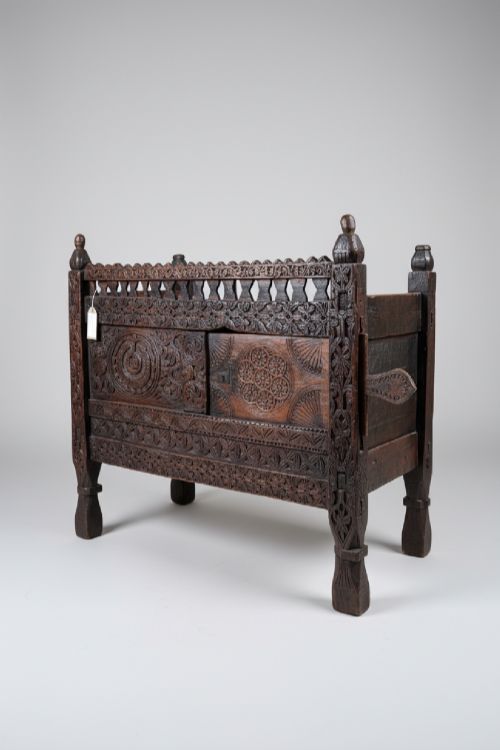


Brown Timber Blanket Box
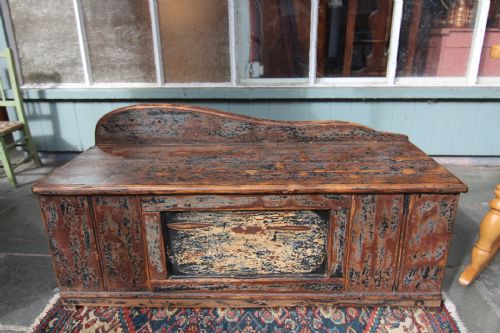
A brown timber blanket box is a sturdy storage chest built from robust woods, prized for keeping linens safe and grounding a room with authentic historic character.
Brown Timber Blanket Box
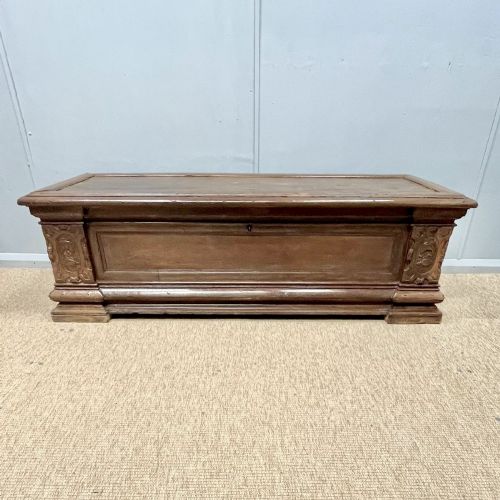
A brown timber blanket box serves as a robust storage chest designed to hold linens, garments, and valuables. The pieces found here span multiple centuries, ranging from seventeenth-century joined oak coffers to nineteenth-century camphor wood trunks and regional dowry chests.
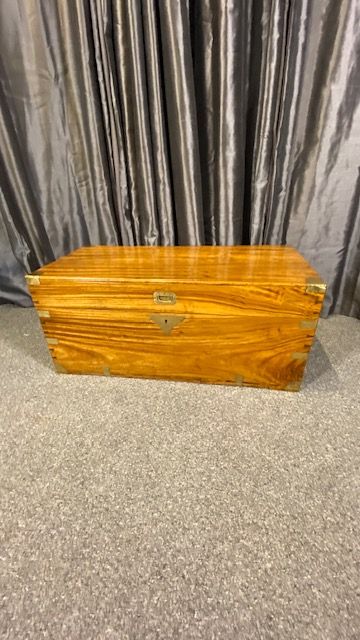
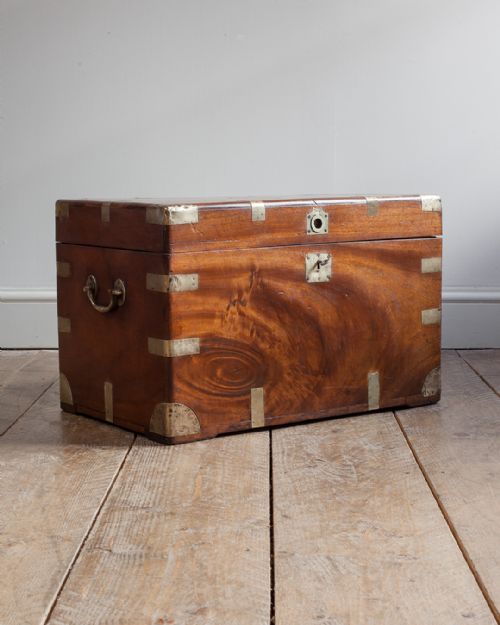
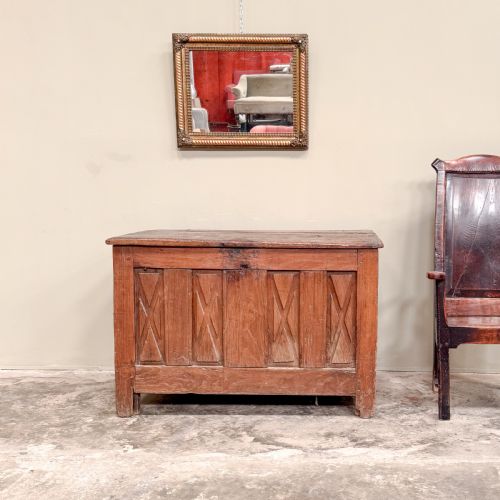
Buyers frequently encounter nineteenth-century examples alongside earlier seventeenth and eighteenth-century forms. These storage chests appear in various vernacular styles, including colonial campaign trunks fitted with brass hardware and simple six-plank elm coffers.
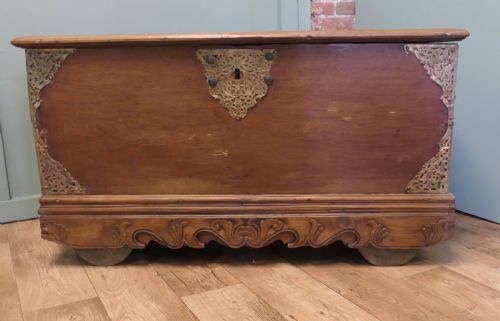
Originating from diverse traditions across Europe and Asia, these items function as both practical storage and historical furniture. The selection encompasses heavy iron-bound hardwood trunks, provincial French coffers, and carved oriental chests.
How they were made
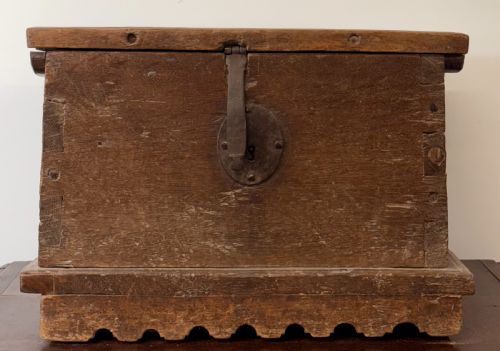
These chests rely on heavy timbers such as oak, elm, cedarwood, and camphor wood, joined using traditional methods appropriate to their period. Early examples employ sturdy plank construction and pegged joints, while later campaign variants incorporate reinforced corners and inset carrying handles.
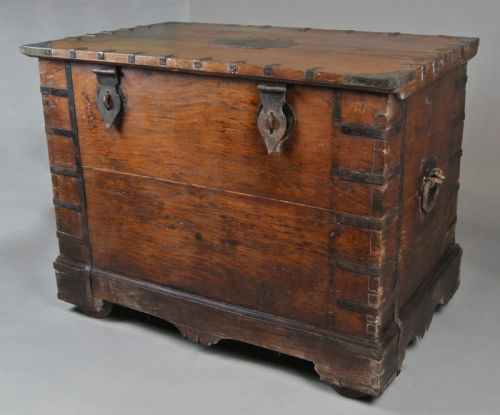
Metalwork plays a defining role in the construction of these boxes, with blacksmiths and cabinetmakers adding iron bands, brass mounts, and strap hinges for structural reinforcement and security. Surface treatments vary from natural waxed grain and polished hardwood to painted finishes and carved relief work.
Brown Timber Blanket Box Retail Price Guide 2026
Typical asking prices for brown timber blanket box among the pieces listed under this phrase on Sellingantiques today, from the lower quarter to the upper quarter. They describe what is for sale here now, not the wider market.
Period examples range from sixteenth-century pieces through the Victorian era and into the early twentieth century.
What varies in quality
The standard of a brown timber blanket box depends heavily on the integrity of its primary timbers and the retention of its original structural elements. Examples retaining their initial hinges, locks, and metal mounts command greater interest than those with replaced hardware.
Craftsmanship distinguishes utilitarian storage from finer regional furniture, seen in the precision of the joinery and the depth of any carved ornamentation. The preservation of historical surfaces, whether patinated oak or aged camphor wood, dictates the overall character of the piece.
The Brown Timber Blanket Box Glossary
- Coffer
- A heavy wooden chest traditionally used for storing valuables, linens, or documents. These pieces often feature hinged lids and sturdy boarded construction.
- Campaign chest
- A portable storage trunk designed for military officers on the move. They typically feature recessed brass handles, corner brackets, and sectional construction.
- Dowry chest
- A traditional receptacle created to hold a bride's household linen and possessions. These items frequently display regional carving, painted decoration, or iron binding.
- Six-plank
- A primitive form of chest constructed from six individual boards joined at the edges. This straightforward method represents some of the earliest domestic furniture.
- Camphor wood
- An aromatic timber valued for its insect-repellent properties and distinct scent. It appears frequently in nineteenth-century chests originating from trade routes.
Brown Timber Blanket Box: Frequently Asked Questions
What were blanket boxes used for?
These chests served primarily to store heavy woolen blankets, household linens, and valuable garments away from dust and pests. In many households, they also functioned as impromptu seating or tables within communal rooms.
Over successive centuries, specialised forms emerged for military campaigns, long-distance trade, and marital dowries. Their secure lids and sturdy construction made them ideal for safeguarding personal possessions during transport.
How do I identify a seventeenth century coffer?
Seventeenth-century coffers typically display heavy oak construction utilising pegged mortise and tenon joints or simple boarded panels. Surfaces often show hand-tool marks and deep patination accumulated over centuries of use.
Iron hardware on these early pieces is usually hand-forged, featuring strap hinges and primitive lock plates. The proportions tend to be utilitarian and architectural, reflecting the period's joinery techniques.
Why are some chests bound in brass?
Brass bindings and reinforced corners appear frequently on campaign chests and travel trunks made for military or maritime use. These metal additions protected the wooden edges from the knocks and strains of frequent transport.
Beyond structural reinforcement, the brass fittings provided a decorative contrast to dark hardwoods like camphor and teak. Recessed handles also prevented snagging in cramped quarters aboard ships or wagons.
How do I care for antique timber boxes?
Maintain these chests by keeping them away from direct heat sources and dramatic humidity shifts that can cause timber to split. Apply a microcrystalline wax occasionally to nourish the wood and protect the historic surface.
Avoid placing damp items directly onto the interior wood, particularly in unlined camphor or cedar trunks. Gentle dusting with a dry cloth is sufficient for routine upkeep.