



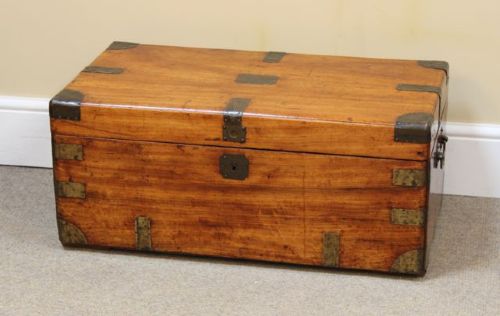


19th Century Camphor Chest
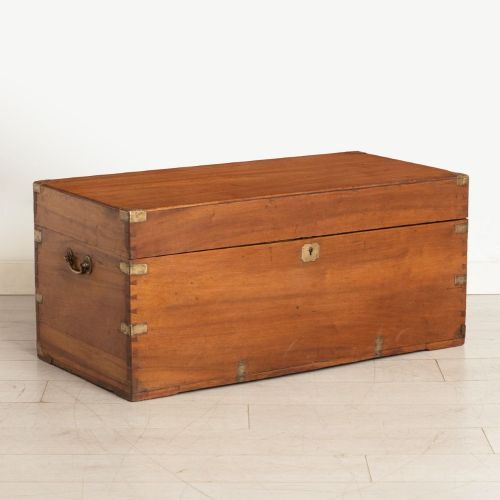
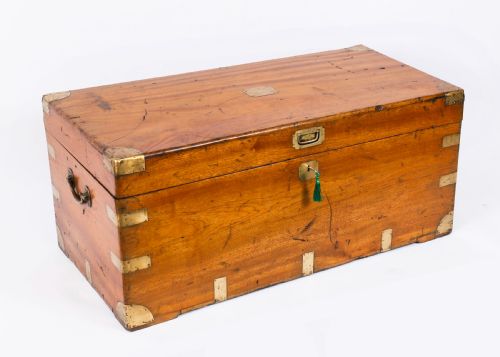
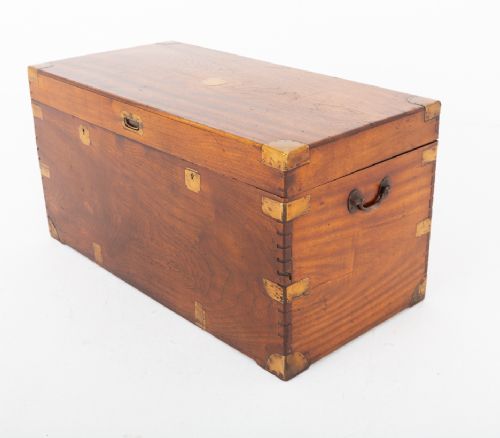
The 19th century camphor chest served officers and travellers across the globe, offering durable storage with a distinct aromatic timber that protected contents from insects.
19th Century Camphor Chest
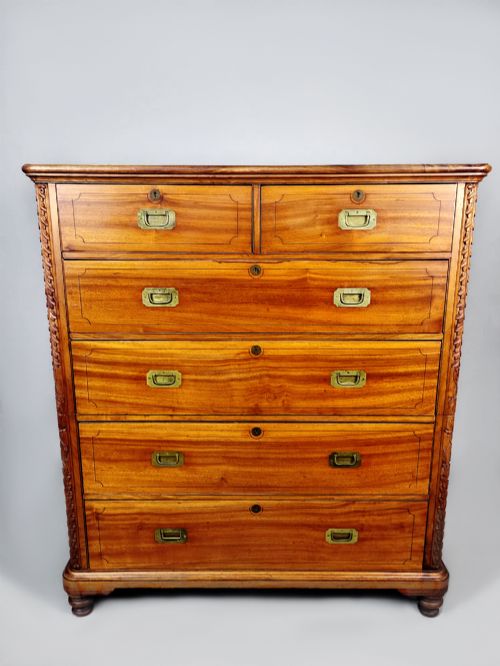
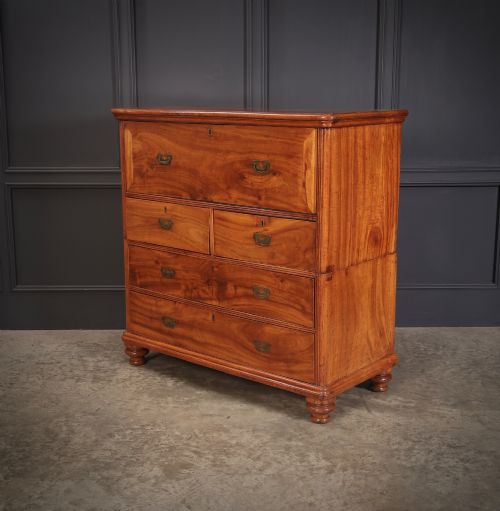
A 19th century camphor chest typically takes the form of a campaign trunk, blanket box, or a partitioned chest of drawers designed for transit. These items originated largely through China Trade and colonial military connections, moving across global shipping routes during the Victorian era.
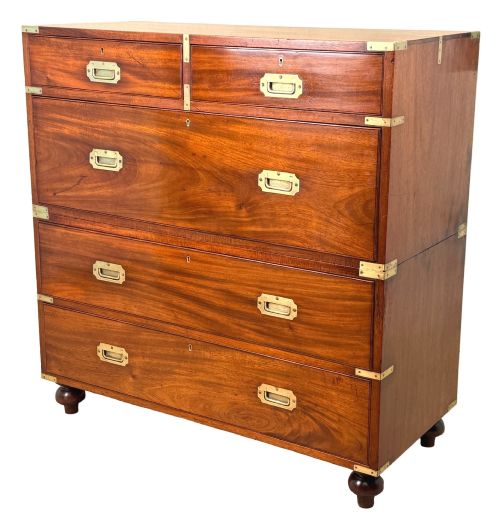
Buyers most frequently encounter robust brass-bound trunks and two-part chests constructed for military life. These pieces combine utilitarian strength with practical modular formats such as secretaire configurations and fitted interiors.
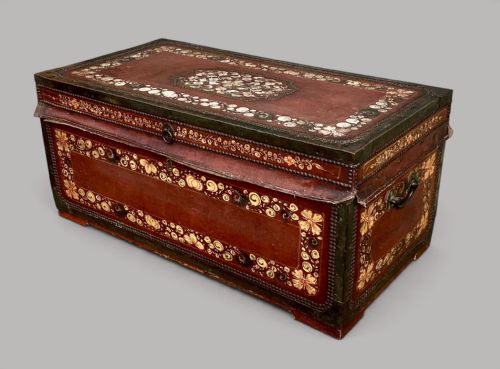
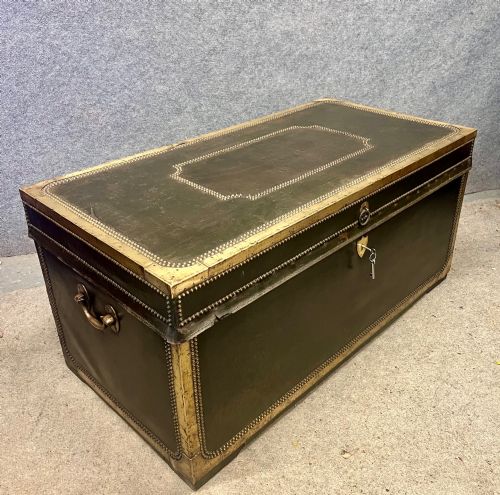
Examples range from simple blanket boxes to large Anglo-Chinese chests inlaid with ebony or bound in leather. The surviving pieces reflect both utilitarian military requisites and the luxury export trade of the period.
Materials and Construction
Carpenters utilised solid camphor wood for its natural insect-repellent properties and dimensional stability in tropical climates. This timber was frequently paired with contrasting dense woods such as ebony for decorative inlay or structural trim.
Metalwork plays a central structural role, with brass corners, straps, and binding protecting the wooden edges from heavy impact during travel. Iron fittings and leather coverings also appear on specific China Trade and military trunks.
Many chests were built in two or three interlocking sections to facilitate handling and transport on ships and carriages. Recessed brass carrying handles and flush drawer pulls allowed the pieces to pack tightly into confined spaces.
19th Century Camphor Chest Retail Price Guide 2026
Typical asking prices for 19th century camphor chest among the pieces listed under this phrase on Sellingantiques today, from the lower quarter to the upper quarter. They describe what is for sale here now, not the wider market.
Listings feature camphor wood, brass, iron, and leather across nineteenth-century campaign chests, writing slopes, and storage trunks.
Distinguishing Quality
The sophistication of internal fittings separates standard campaign boxes from elite pieces, particularly those incorporating secretaire drawers, writing slopes, and compartmentalised trays. Superior construction involves multi-part stacking sections designed with precise locking mechanisms and flush hardware.
Material selection and decorative detailing influence the standing of a piece, distinguishing plain utility trunks from elaborate Anglo-Chinese export examples. The inclusion of fine ebony stringing, specialised locks, and heavy gauge brass binding indicates higher workshop standards.
The 19th Century Camphor Chest Glossary
- Campaign chest
- A modular chest of drawers or trunk built in two or more stacking sections for easy transport by military officers. These pieces typically feature recessed brass handles and corner brackets.
- Secretaire chest
- A chest containing a fitted pull-out drawer with a drop-front writing surface and small internal compartments. It combines desk functionality with standard drawer storage.
- China Trade
- Goods manufactured in China during the nineteenth century specifically for export to Western markets. These items often blend traditional Asian timber work with European furniture forms.
- Brass bound
- Furniture reinforced with brass corners, straps, and protective edging. This technique protected vulnerable wooden joints during frequent military and maritime transit.
19th Century Camphor Chest: Frequently Asked Questions
What is a camphor chest?
A camphor chest is a wooden storage box made from aromatic camphor wood, designed to protect textiles and uniforms from moths and dampness. They were widely used by travellers and military personnel during the nineteenth century.
Many examples double as campaign furniture, built to withstand long journeys by sea and land through modular construction and protective metal hardware.
How do you date a camphor chest?
Dating relies on examining construction methods, hardware styles, and the specific context of the piece such as Victorian military records or export stamps. Brass binding, recessed handles, and two-part stacking formats typically point toward the nineteenth century.
Earlier pieces often display simpler iron or brass mounts, while later Victorian examples may incorporate more complex locking mechanisms and fitted interior compartments.
Were these chests used by the military?
Many of these trunks and chests were commissioned or purchased by British military officers stationed abroad for campaigns across the Empire. Their sectional design allowed heavy wardrobes to be dismantled and transported easily on pack animals or wagons.
Not all chests saw actual combat service, as civilian merchants and travellers also utilised the same durable campaign style for overseas journeys.
How do I care for camphor wood?
Camphor wood requires stable indoor humidity levels and protection from direct, prolonged sunlight to prevent the natural timber from drying out or fading. Gentle dusting with a dry or slightly damp cloth preserves the surface finish without harming the wood.
Avoid applying heavy modern polishes, as the timber retains its own natural oils and characteristic aroma over decades of use.