

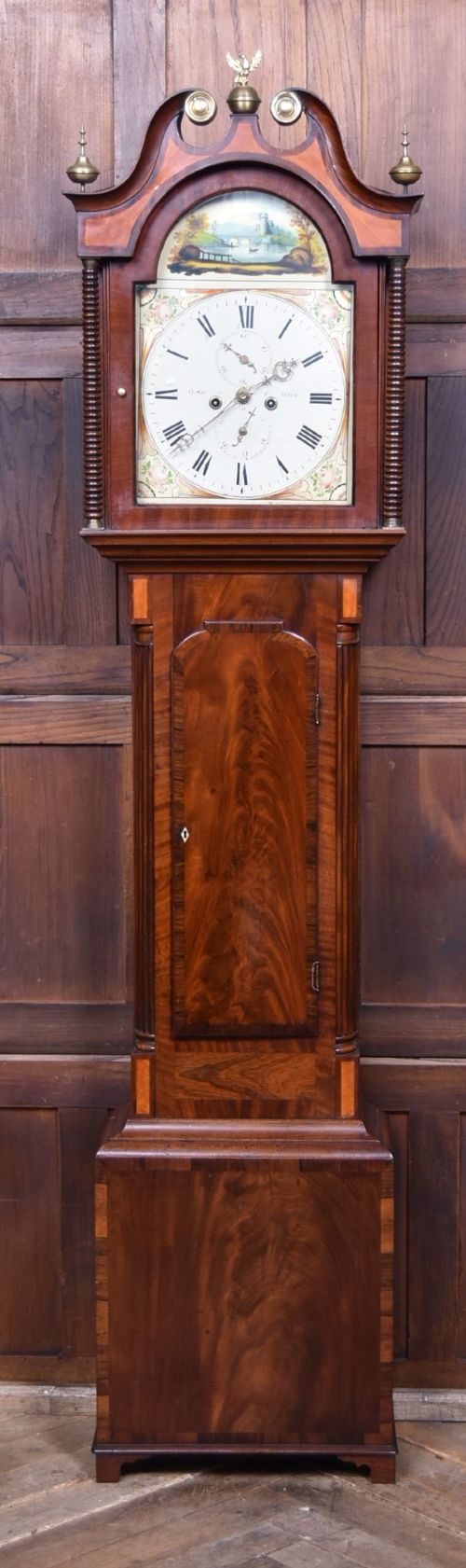
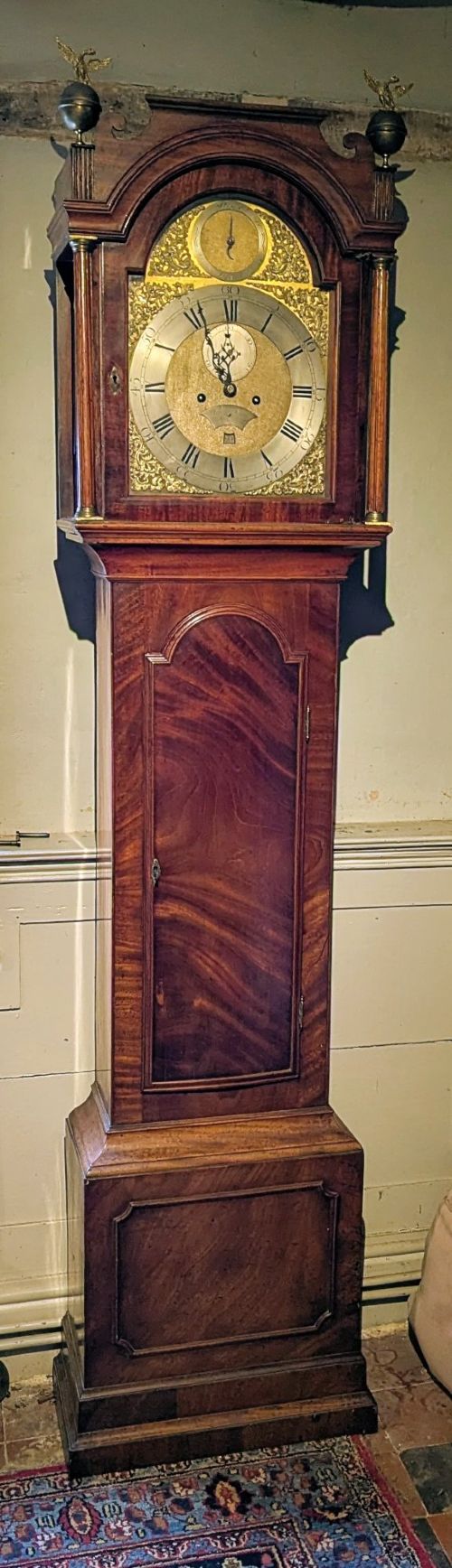
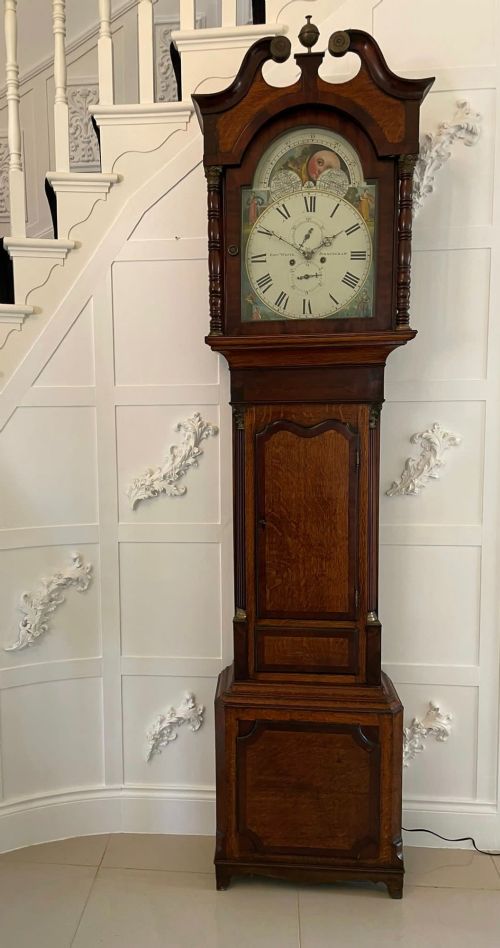
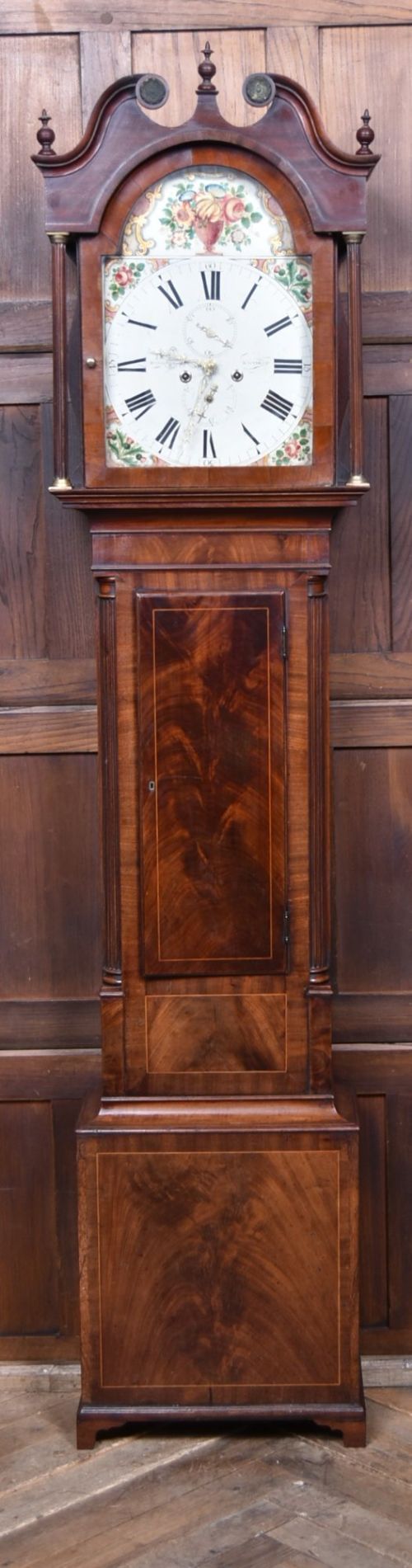
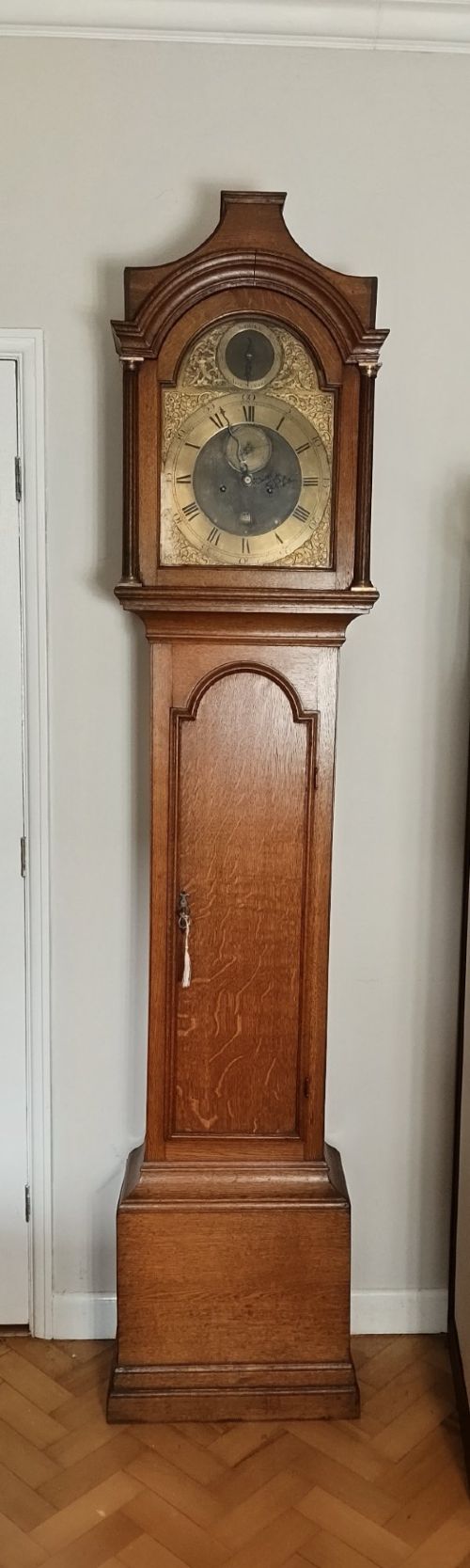
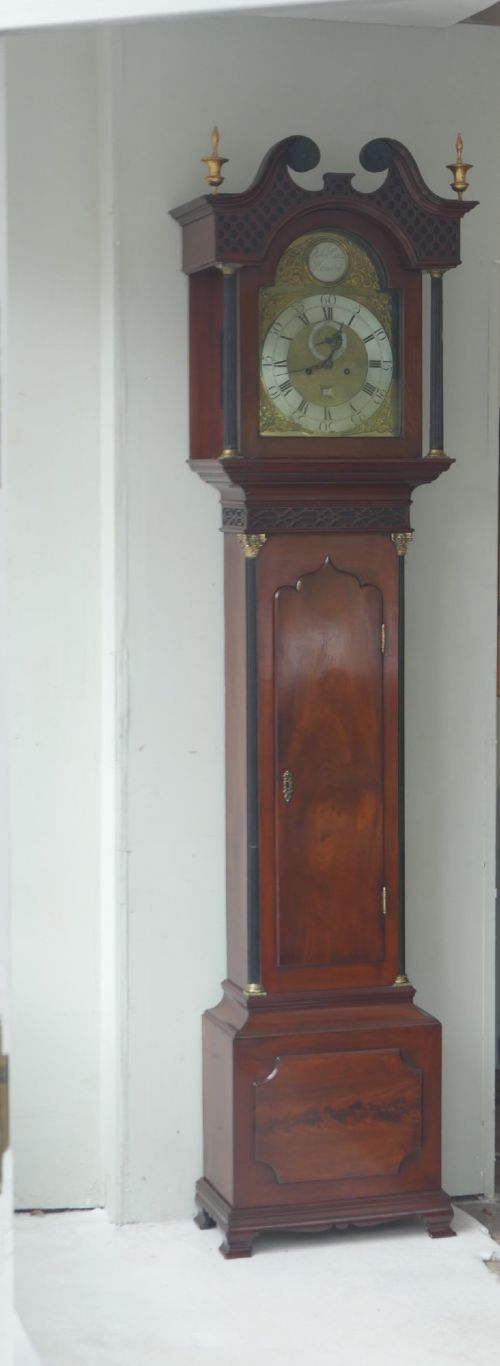
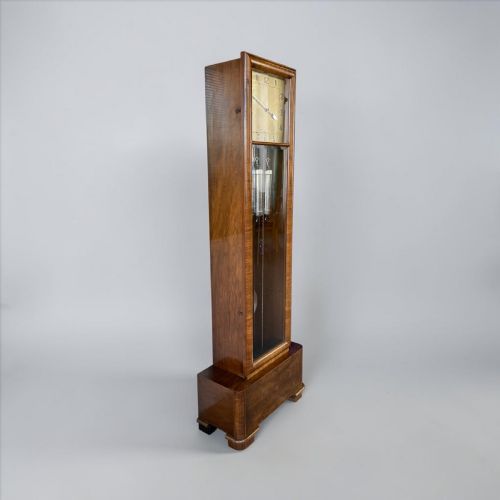
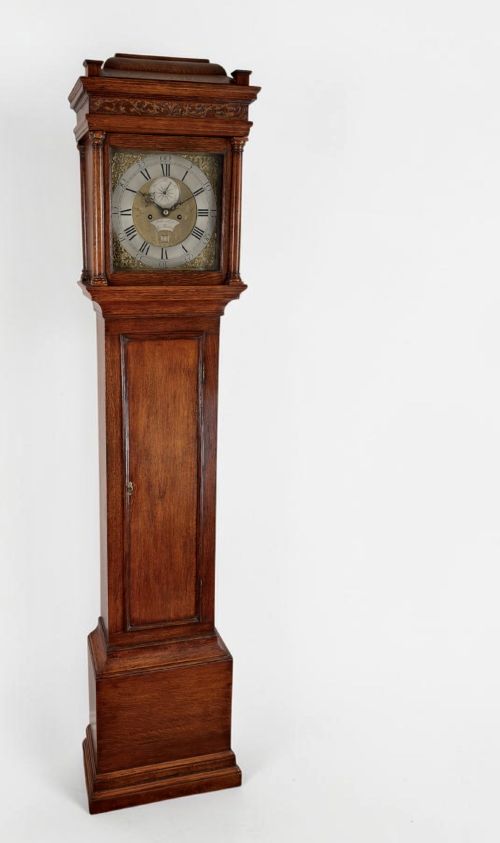
Brown Tall Case Clock
A brown tall case clock anchors a room with steady rhythm and dark timber.
Brown Tall Case Clock
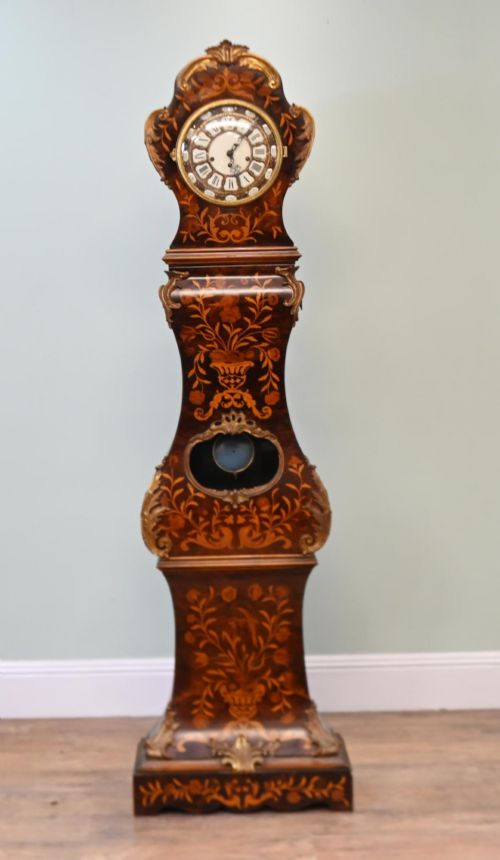
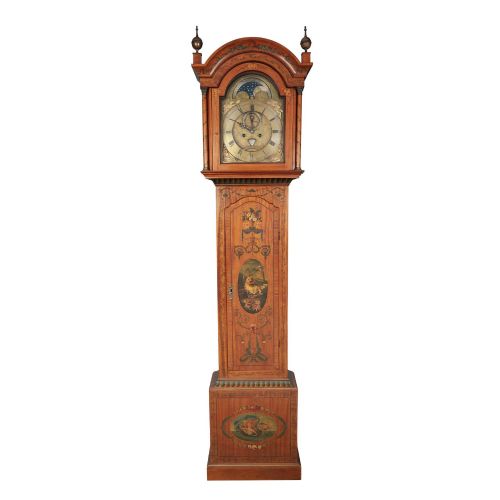
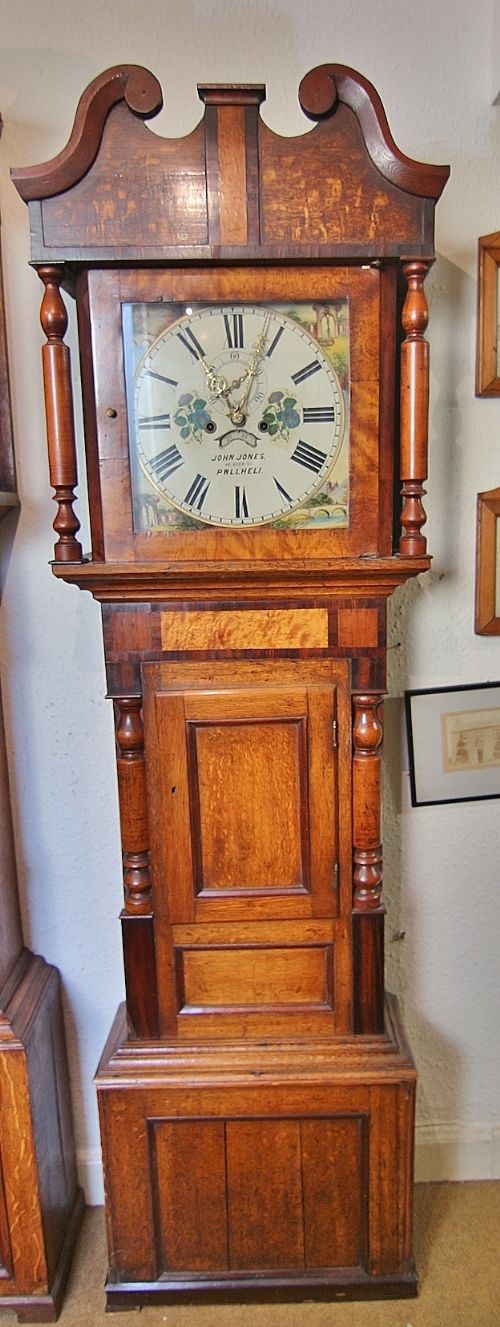
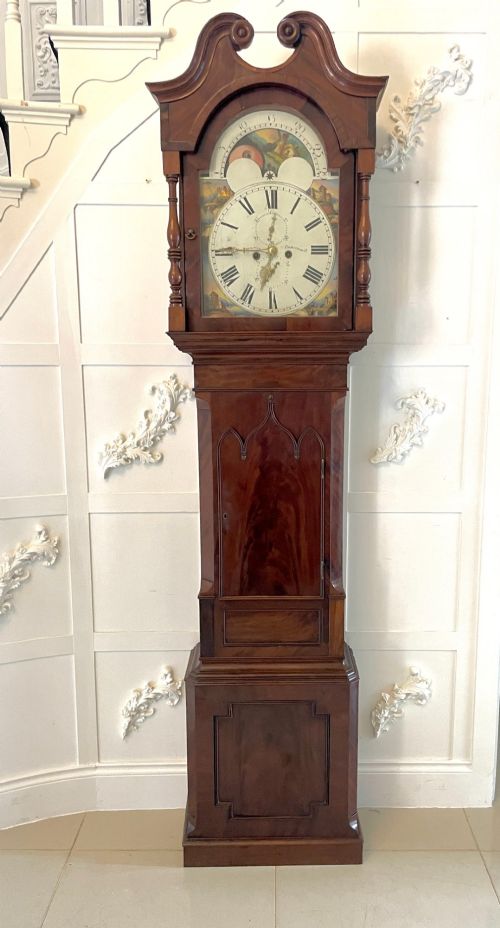
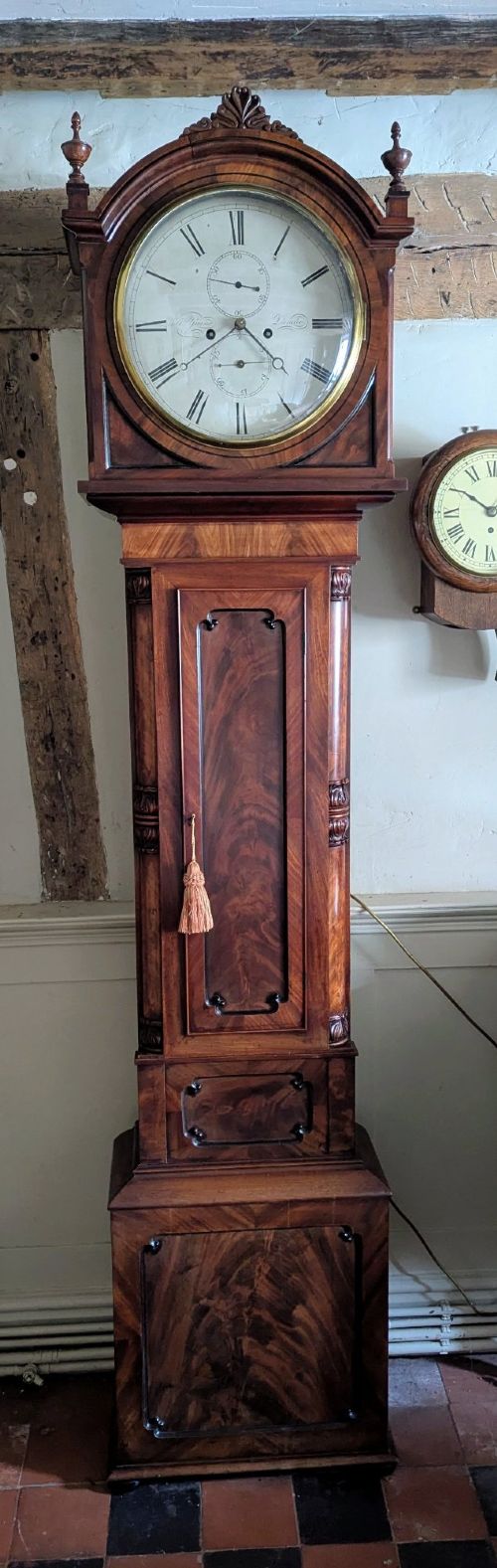
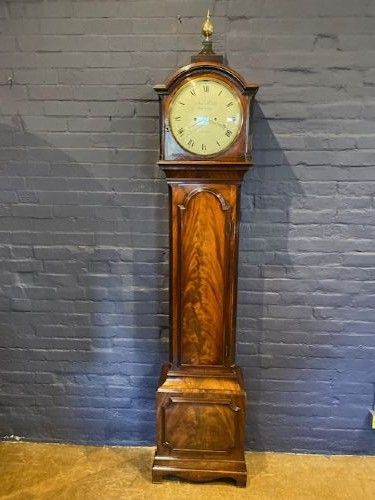
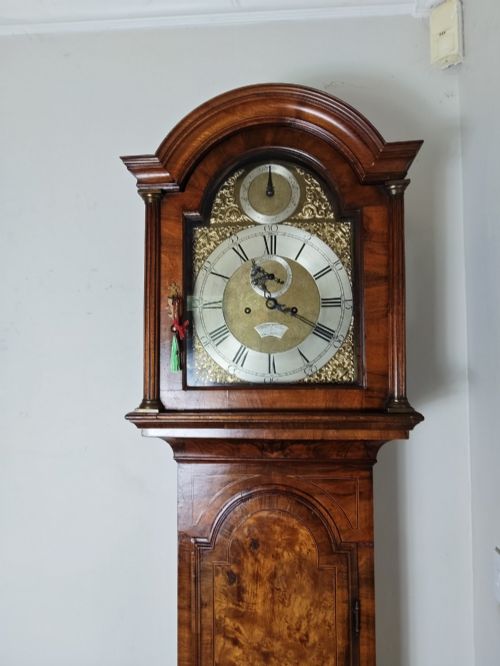
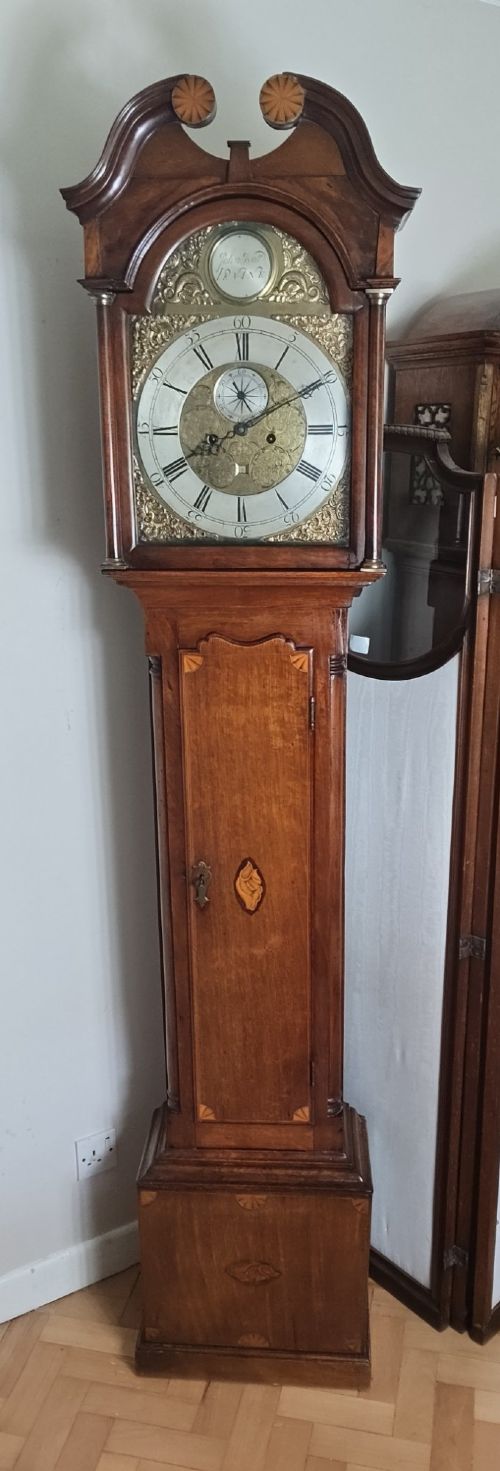
A brown tall case clock, also known as a longcase or grandfather clock, stands upright to house a pendulum and weights within a timber housing. You encounter these timepieces across several centuries, spanning periods from the seventeenth century through the Georgian and Victorian eras up to the Art Deco years. The most frequently met examples on this page are constructed from mahogany or oak, often displaying regional British craftsmanship.
Evaluating Quality and Craftsmanship
Quality rests in the harmony between the clockmaker's movement and the cabinetmaker's housing, where crisp dial engraving and well-figured timber distinguish finer productions. Better examples display proportional woodwork, cleanly cut fretwork on the hood, and signed brass or iron dials that match the movement inside.
Regional variations also influence character, from London precision work to provincial Scottish and Welsh pieces that exhibit local timber selections and idiosyncratic dial artistry. The integration of complications such as moon phases or multi-tune carillons elevates the technical ambition of the piece.
Brown Tall Case Clock Retail Price Guide 2026
Typical asking prices for brown tall case clock among the pieces listed under this phrase on Sellingantiques today, from the lower quarter to the upper quarter. They describe what is for sale here now, not the wider market.
Black Forest models from Germany introduce carillon melodies to the traditional tall case format.
Hendrie Ogg·D Straiton·Lee of Great Marlow·James McCabe·Handley And Moore·Rickards Wotton Under Edge·D Williams·William McEwan·Matt Wylie·Thomas Webbe·Edward White·Edin Burgis·David Craig·John Rainsford
The Brown Tall Case Clock Glossary
- Longcase clock
- A freestanding, weight-driven pendulum clock enclosed in a tall wooden case. This term shares usage with grandfather clock.
- Arch dial
- A clock face featuring a curved upper section, frequently utilised to display a moon roller or subsidiary calendar integration.
- Moon roller
- A rotating mechanism behind the dial tracking the phases of the lunar cycle. It often appears on eight-day movements from the Georgian period.
- Crossbanding
- A decorative border technique where thin strips of veneer are laid perpendicular to the surrounding grain. It frequently frames mahogany or oak clock doors.
- Regulator
- A precision timekeeper designed for high accuracy. These movements typically feature a simplified dial layout for clear reading.
Brown Tall Case Clock: Frequently Asked Questions
How do I wind an eight day tall case clock?
Use the winding key to raise the weights inside the trunk by turning the arbors on the dial face until resistance is felt.
Take care not to overwind the movement, and support the weight cord if necessary to prevent tangling.
Where should I place a longcase clock in my home?
Position the piece against a sturdy interior wall away from direct sunlight, heating vents, and damp doorways to protect the timber case.
A stable floor surface ensures the pendulum swings evenly and the movement keeps accurate time.
How do I tell a Georgian clock from a Victorian one?
Georgian models tend to feature proportioned oak or mahogany cases with brass dials or early painted iron faces, reflecting eighteenth-century cabinet styles.
Victorian examples often incorporate heavier mouldings, different timber finishes, and later dial treatments associated with nineteenth-century industrial production.
What is the difference between a grandfather and a grandmother clock?
Grandfather clocks are standard full-sized tall case timepieces standing over six feet in height.
Grandmother clocks are scaled-down versions produced in the twentieth century, featuring more compact proportions while retaining weight-driven movements.