
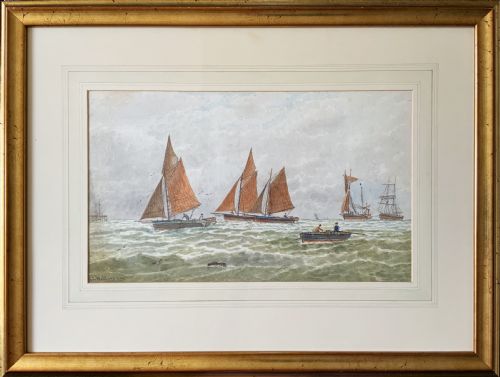


Brown Sail Marine Art
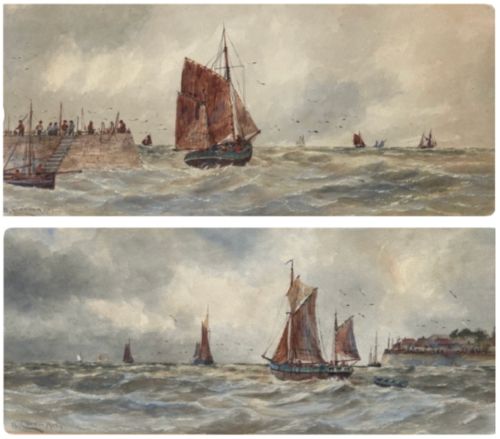
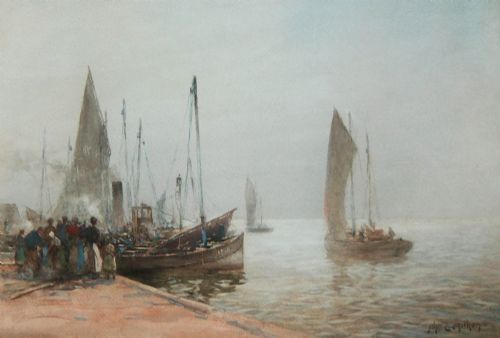
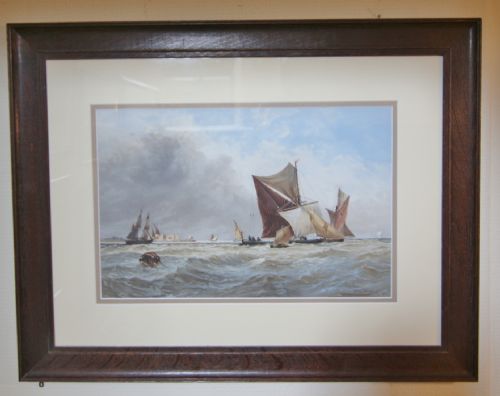
Brown sail marine art captures the enduring maritime heritage through historic depictions of shipping, coastal harbours and open waters.
Brown Sail Marine Art
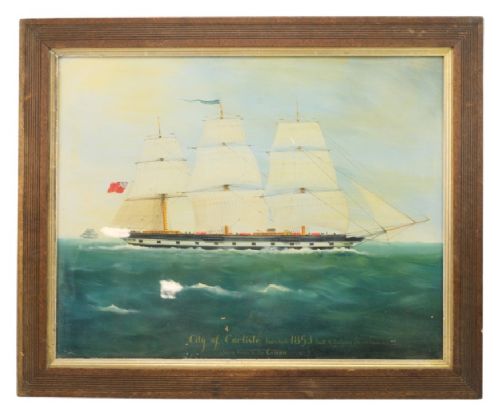
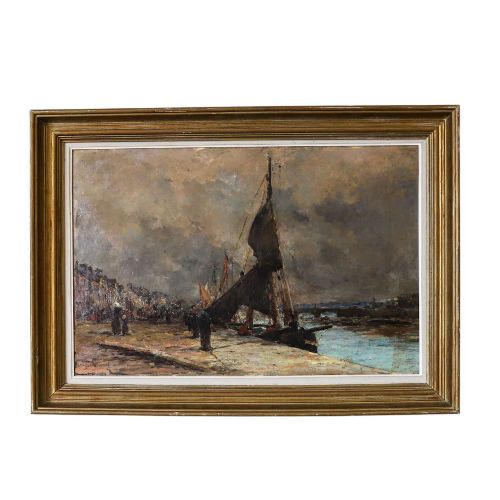
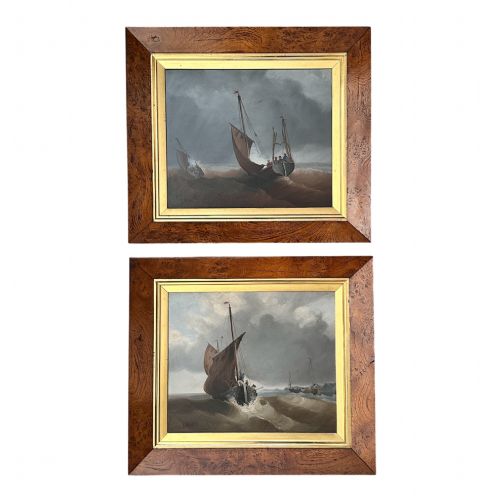
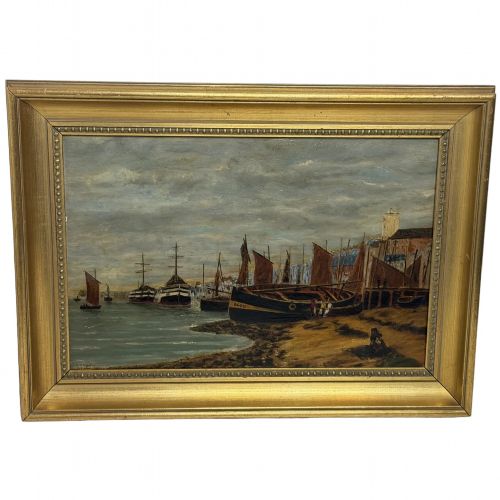
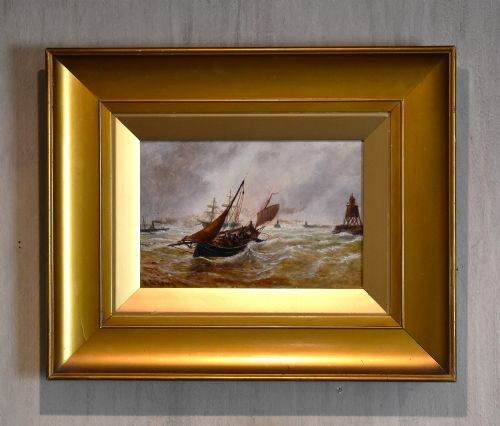
When you search for brown sail marine art, you encounter historical paintings and works on paper centred on maritime subjects, fishing vessels, and coastal scenes. These pieces reflect the maritime focus of the nineteenth and early twentieth centuries, featuring depictions of working vessels, naval ships, and harbour life.
The versions most frequently met on this page include watercolours and oil paintings on canvas framed in period gilt moulding. They span Victorian and Edwardian periods, recording British and European coastal topography, estuaries, and shipping lanes.
Collectors choose these works for their atmospheric handling of light, water, and traditional vessels under sail. They offer a direct window into historical maritime commerce and coastal settlements.
Materials and construction
Works in this category rely primarily on oil on canvas and watercolour pigment applied to paper. Painters utilised traditional brushwork to capture the texture of rough seas, cloudy skies, and weathered wooden hulls.
Many surviving pieces retain their original wooden and gilt frames, which protect the edges of the canvas or paper. The ground materials reflect standard academic and studio practices of the Victorian and Edwardian eras.
The inventory records coastal scenes spanning British ports, Dutch waterways, and the French Riviera.
Assessing quality and execution
Quality in these maritime works rests upon the artist's command of perspective, tonal balance, and atmospheric depth. Superior examples demonstrate accurate rendering of rigging, hull construction, and water movement, rather than formulaic composition.
The handling of light on sails and water distinguishes accomplished hands from routine studio output. Furthermore, the condition of the pigment and the integrity of the original support material influence the overall standing of a piece.
Thomas Bush Hardy·George Stanfield Walters·Bernard Benedict Hemy·John Moore of Ipswich·Edward Henry Eugene Fletcher
The Brown Sail Marine Art Glossary
- Watercolour pigment
- A colour medium suspended in a water-soluble binder, commonly utilised on paper for rapid studies and finished marine scenes.
- Gilt frame
- A wooden protective border coated in gold leaf or metallic paint, frequently found enclosing nineteenth-century oil paintings and watercolours.
- Barque
- A sailing vessel with three or more masts, having the foremast and mainmast square-rigged and the mizzenmast fore-and-aft rigged.
- Estuary
- The tidal mouth of a large river, where the tide meets the stream, forming a frequent subject for historical marine painters.
- Seascape
- A work of art depicting the sea, ships, or coastal views, serving as the primary genre for this search phrase.
Brown Sail Marine Art: Frequently Asked Questions
What subjects appear in brown sail marine art?
These works typically depict fishing boats, harbour scenes, merchant barques, and naval vessels navigating coastal waters and rivers.
Artists frequently recorded specific locations such as British ports, Dutch harbours, and estuary views during the nineteenth and early twentieth centuries.
How were these marine paintings displayed originally?
Historic marine paintings were commonly mounted behind glass if executed on paper, or stretched on wooden frames if painted in oil.
They were housed in decorative gilt frames suited to domestic interiors and maritime offices of the Victorian period.
How do I care for antique watercolours?
Works on paper require protection from direct sunlight to prevent the fading of watercolour pigments and the yellowing of the paper support.
Maintaining stable indoor humidity levels prevents moisture damage and preserves the integrity of the original framing materials.
How do I distinguish Victorian marine paintings?
Victorian marine pieces are identified through stylistic conventions, costume details on coastal figures, and specific rigging types recorded in the titles.
Signatures, artist registry records, and framing materials further assist in dating these historical watercolours and oil paintings.