




Vintage Ocean Seascape Art
These vintage ocean seascape art pieces capture the restless power and shifting light of coastal waters across the centuries.
Vintage Ocean Seascape Art
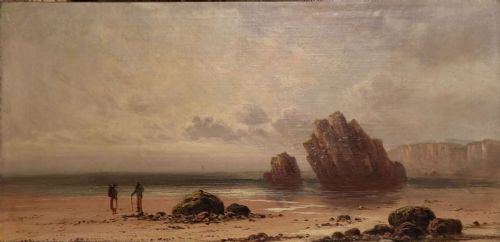
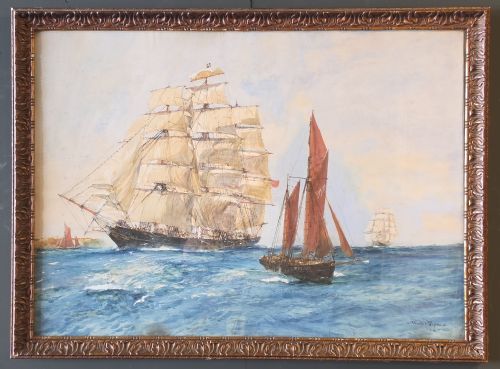
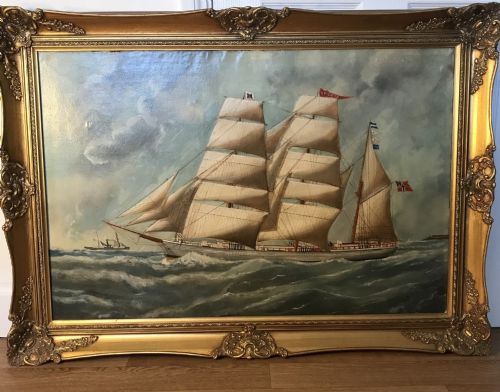
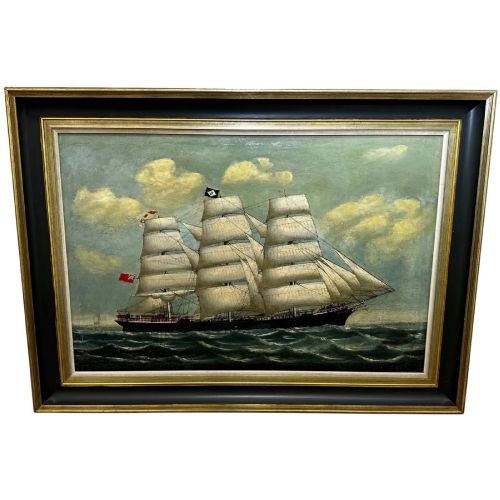
When you search for vintage ocean seascape art, you encounter framed paintings and watercolours that document marine life, coastal harbours, and deep-water shipping. The selections span the nineteenth century through the mid-twentieth century, encompassing Victorian maritime scenes, British Impressionism, and regional coastal views.
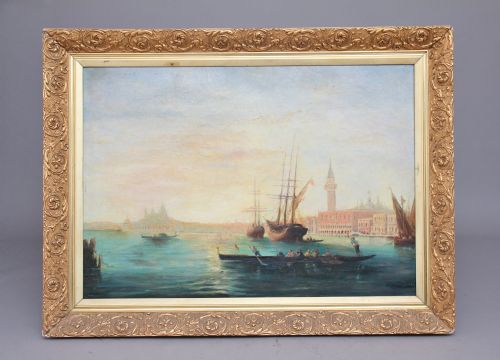
Most examples originate from British and European schools, showing rocky shores, fishing boats, and sailing ships in varied weather conditions. You will find works executed in oil on canvas, oil on board, and watercolour on paper, often housed in period gilt frames.
Materials and methods
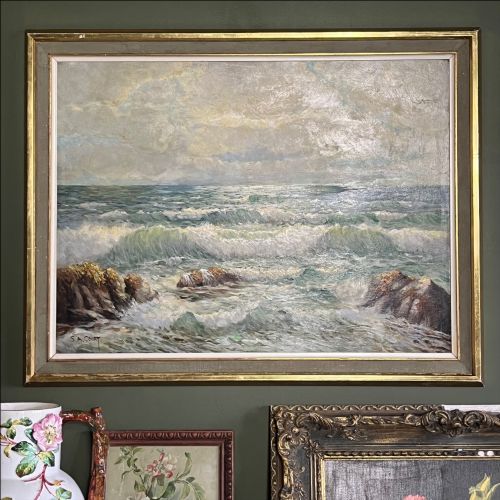
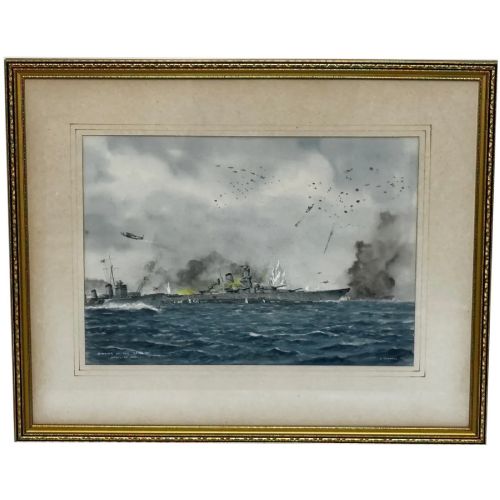
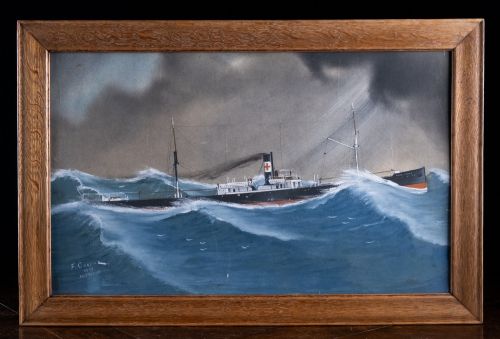
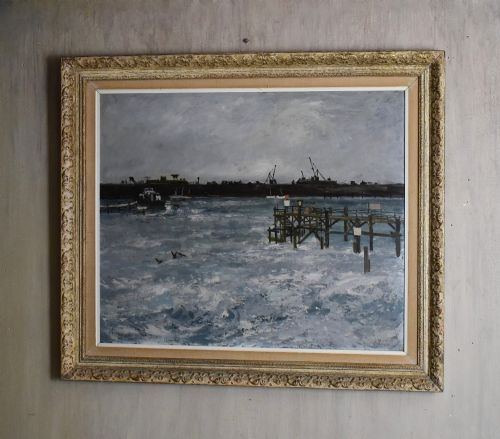
Artists painted primarily with oil paint on stretched canvas or wooden board, occasionally applying thick impasto to render the texture of breaking waves and turbulent seas. Watercolours on paper capture lighter atmospheric effects, while gouache on board offers opaque coverage for stormy skies and steamships.
Support materials include wood panels and heavy paper stock, paired with glass for works on paper and gilt wooden frames for oil paintings.
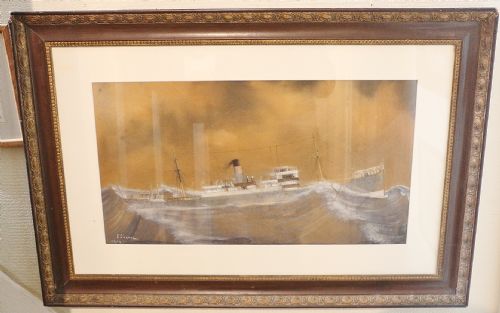
Several artists recorded the stubborn journeys of steamships with names like Blue Cross and Queen battling stubborn tides.
What distinguishes finer examples
Quality rests in the fidelity of light handling and the convincing movement of water under changing atmospheric conditions. Superior works demonstrate confident brushwork that conveys weight, depth, and spatial relation without overworking the surface.
The integration of the subject with its framing and the preservation of the original pigment integrity further separate standard decorative items from accomplished works by recognised practitioners.
Clifford Hanney·Charles Edward Dixon·Eric Tufnell·William Banks Fortescue·F Corpuz·Peter Brannan·George Stanfield Walters·Elisabeth Bardon·Charles Napier Hemy·Norman Lloyd·Abraham Hulk Snr·Stephen J Renard·Frank H Mason·Roger de la Corbiere·Dion Pears
The Vintage Ocean Seascape Art Glossary
- Impasto
- Paint applied thickly to a surface, leaving brush or palette knife marks standing proud. This technique adds tactile dimension to the crests of waves and clouds.
- En plein air
- Painting executed out of doors to capture direct observations of natural light and weather. Artists utilised this method to record immediate coastal conditions.
- Gouache
- An opaque water-based paint containing pigment and a binding agent, often chalk. It yields solid, matte areas of colour well suited to maritime illustrations.
- Gilt frame
- A wooden picture surround coated with gold leaf or metallic paint. These frames enhance the visual boundary of nineteenth and twentieth-century paintings.
Vintage Ocean Seascape Art: Frequently Asked Questions
What subjects appear in these seascapes?
The compositions record coastal harbours, fishing boats, naval vessels, and deep-water sailing ships encountering calm waters or heavy storms. Many depict specific British, European, and international locations such as Cornwall, St Ives, and the Venetian lagoon.
Views range from quiet moorings to dramatic sea battles and commercial steamships navigating rough seas under varied atmospheric conditions.
How do I date a maritime painting?
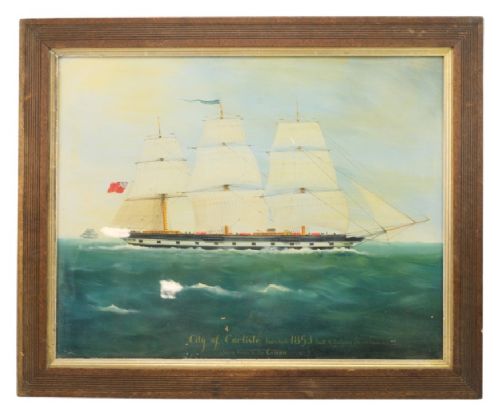
Dating relies upon stylistic markers, artist signatures, framing methods, and the technological details of the vessels depicted, such as the transition from wooden barques to steamships. Nineteenth-century works often favour traditional romantic realism, while mid-twentieth-century pieces adopt looser impressionistic or modern brushwork.
Inscriptions on the reverse of canvases or boards frequently provide specific dates, titles, and artist biographies that confirm the period of creation.
Where should I hang a coastal artwork?
These paintings suit spaces with controlled ambient light away from direct sunlight, which can fade watercolours and discolour oil varnishes over time. Placing them on neutral walls allows the deep blues, greens, and gilt frames to stand out.
Ensure the room maintains stable humidity levels to protect nineteenth-century wood panels, canvases, and paper supports from warping or degradation.
How do oil and watercolour paintings differ?
Oil paintings utilise slow-drying pigmented oils on canvas or board, allowing for rich colour saturation, thick impasto textures, and deep tonal layering. Watercolours employ water-soluble pigments on paper, producing transparent washes and luminous, lighter effects.
Oils are generally more robust and traditionally housed with gilt frames, whereas watercolours require protective glass to shield the paper from environmental moisture.