






British Coastal Seascape Art
British coastal seascape art captures the changing moods of the shoreline through traditional oils and watercolours from the nineteenth and twentieth centuries.
British Coastal Seascape Art
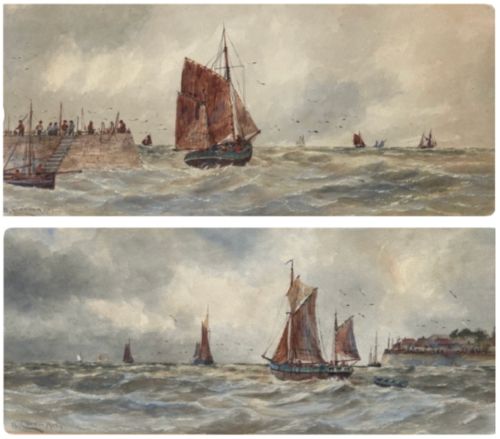
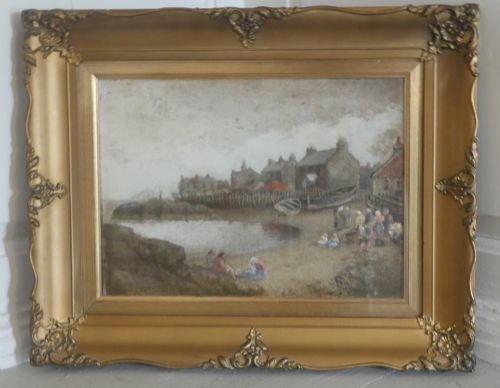
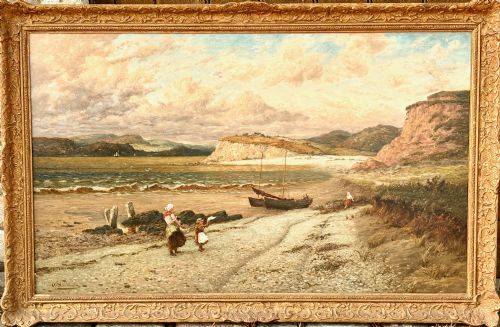
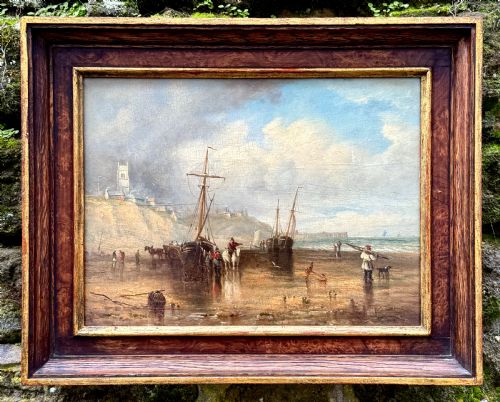
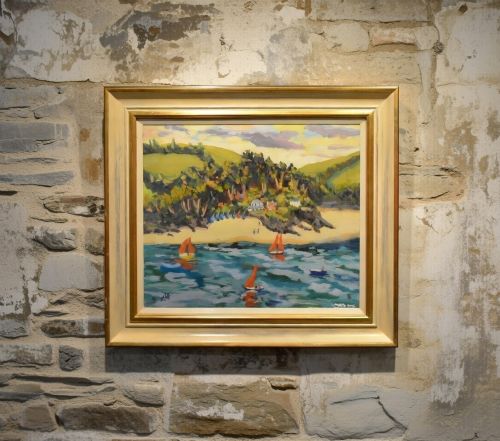
When buyers search for british coastal seascape art, they encounter framed works depicting harbours, fishing boats, and shorelines spanning the Victorian era through the mid twentieth century. These paintings document historic fishing communities, estuaries, and maritime traffic along the coastlines of Cornwall, Yorkshire, and Dorset.
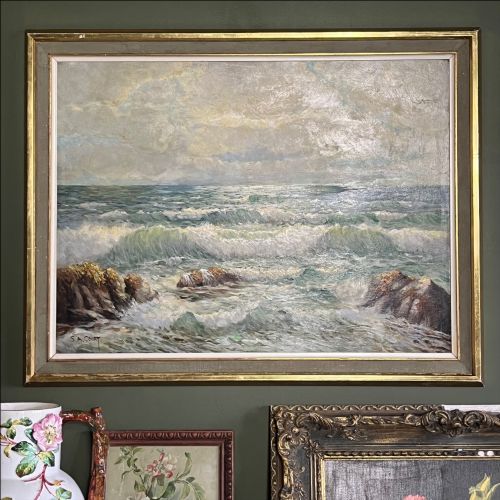
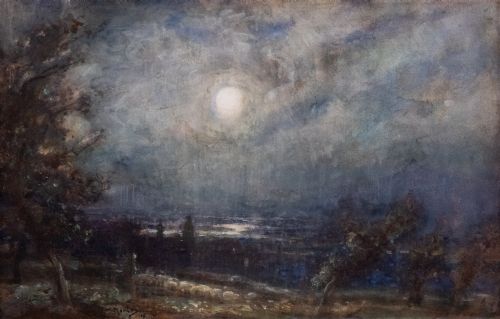
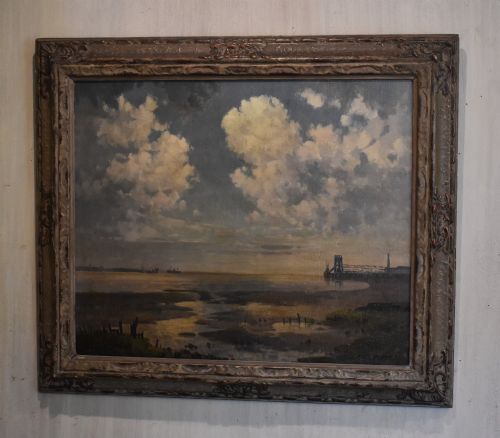
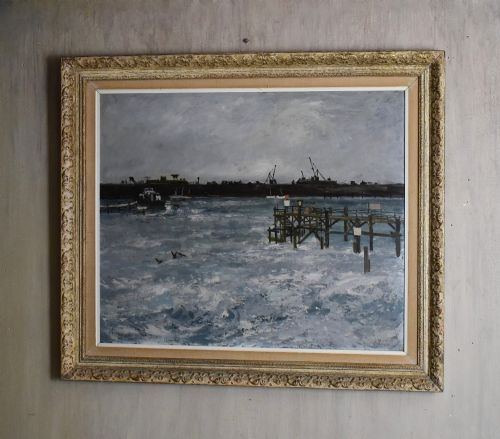
The pieces on this page are predominantly original oil paintings and watercolours created by named artists working within British Impressionism, Victorian marine art, and Modern British styles. Subjects range from tranquil tidal harbours at low water to dramatic storms off rugged headlands.
Traditional depictions often focus on working vessels such as cobles, yawls, and barges engaged in daily maritime labour. Collectors find representations of specific locations like St Ives, Whitby, and Brighton rendered through the distinct visual language of regional schools.
Materials and techniques
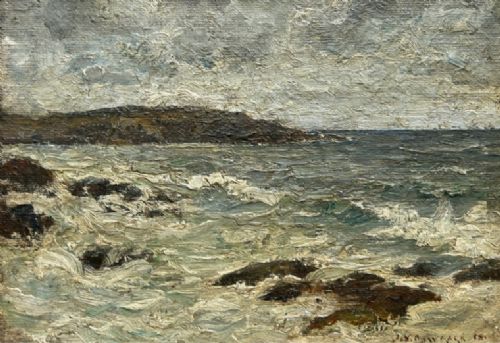
Artists utilised watercolour pigment on paper for translucent washes that captured coastal light and sea spray. Alternatively, oil paint applied to canvas, board, or card allowed for thicker impasto textures suited to heavy seas and cloudy skies.
Many works were painted en plein air directly on location to capture immediate weather conditions and tidal changes. Studio pieces often relied on preliminary watercolours drawn from observation along the shore.
Listings feature works executed in oil on canvas, oil on board, and watercolour pigment on paper.
Evaluating quality and execution
Quality rests upon the artist's handling of atmosphere, natural light, and maritime movement rather than the mere presence of shipping subjects. Stronger works demonstrate confident brushwork or precise pigment control that conveys the weight of water and open air.
Compositional balance distinguishes exceptional pieces, where shorelines, vessels, and horizons create a coherent spatial depth. The integration of period framing also influences the presentation of these historic paintings.
Thomas Bush Hardy·Charles Napier Hemy·William Henry Williamson·John Wilson Carmichael·Helen Layfield Bradley
The British Coastal Seascape Art Glossary
- Impasto
- Paint applied thickly to a canvas or board, standing out in relief from the surface. This technique adds tactile dimension to representations of rough water and stormy skies.
- En plein air
- The act of painting outdoors to directly capture the natural effects of light and atmosphere. This approach was favoured by landscape and marine artists.
- Coble
- A traditional type of open fishing boat with a flat floor and sharp bow, commonly seen in North East England marine art. These vessels are frequently featured in regional watercolours.
- Watercolour
- A painting method where coloured pigments are suspended in a water-soluble vehicle on paper. The technique relies on the white of the paper to provide luminosity.
- Maritime art
- Works of art that depict or draw inspiration from the sea, ships, and coastal environments. This broad category encompasses both calm harbour scenes and dramatic shipwrecks.
British Coastal Seascape Art: Frequently Asked Questions
What periods do these coastal paintings cover?
The works originate primarily from the Victorian period through the mid twentieth century. This timeframe includes late nineteenth century maritime watercolours and later twentieth century modernist interpretations.
Changes in artistic style reflect the evolution from detailed Victorian marine traditions toward the looser brushwork of British Impressionism and the mid twentieth century.
How were these marine watercolours and oils framed?
Many pieces retain period gilt or wood frames that complement the artistic style of their respective eras. Original framing often provides context regarding the exhibition history and age of the artwork.
Collectors frequently preserve these period surrounds to maintain the historic integrity of the piece.
Where do the depicted coastal locations usually lie?
The scenes document various stretches of the British coastline, with particular concentrations around Cornish fishing ports, Yorkshire harbours, and the Dorset shore. Specific landmarks such as St Ives, Whitby, and the River Humber appear frequently in the titles.
These locations reflect the popularity of specific regional art colonies and coastal settlements among artists of the period.
How do oils and watercolours differ in these works?
Watercolours utilise thin pigments on paper to achieve luminous effects of light and atmosphere across calm seas and estuaries. Oil paintings employ heavier mediums on canvas or board, allowing for textured impasto applications suited to stormy conditions.
Both mediums were used extensively by British artists recording maritime subjects throughout the nineteenth and twentieth centuries.