

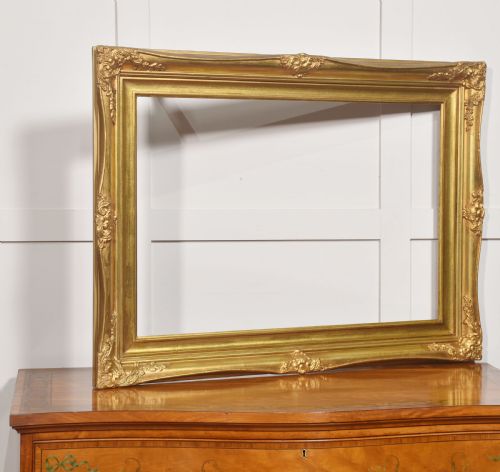
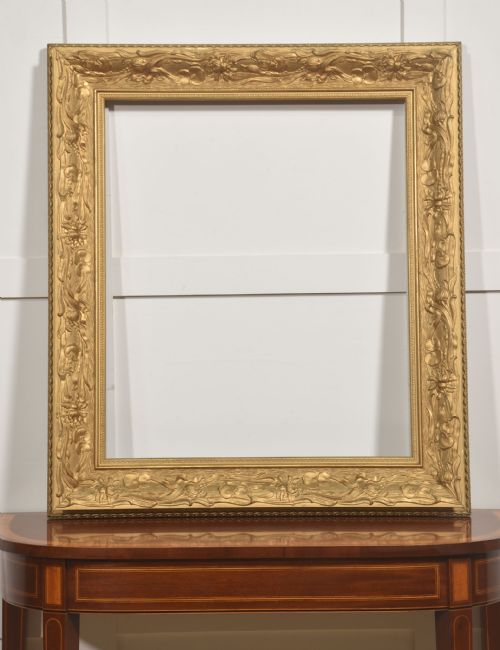


Large Giltwood Framed Painting
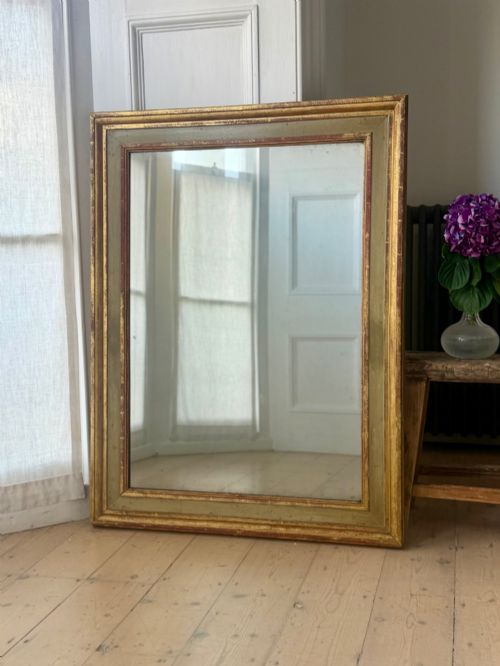
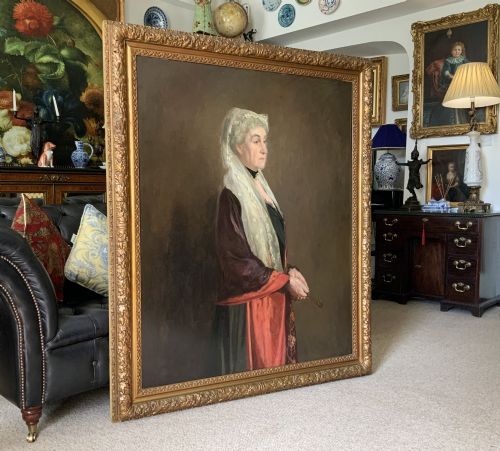
A large giltwood framed painting brings commanding scale and brilliant metallic warmth to an interior, combining grand canvases or mirrors with ornate wooden surrounds.
Large Giltwood Framed Painting
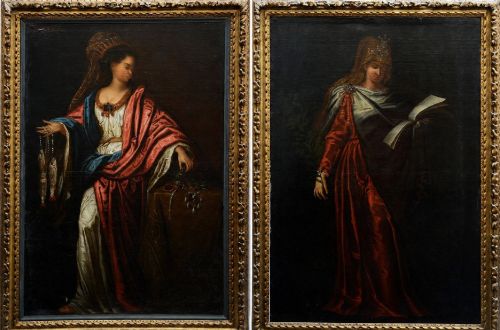
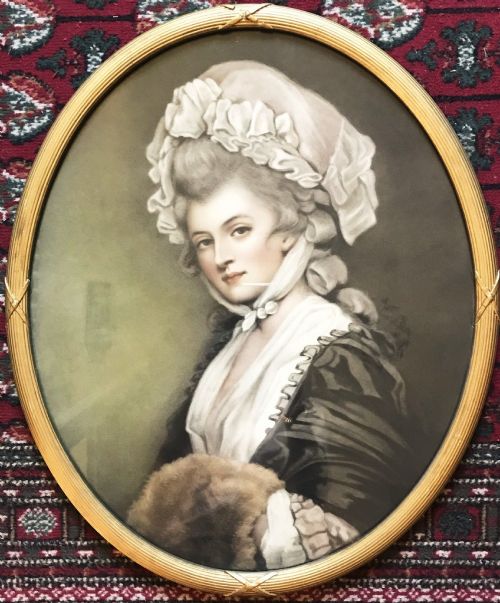
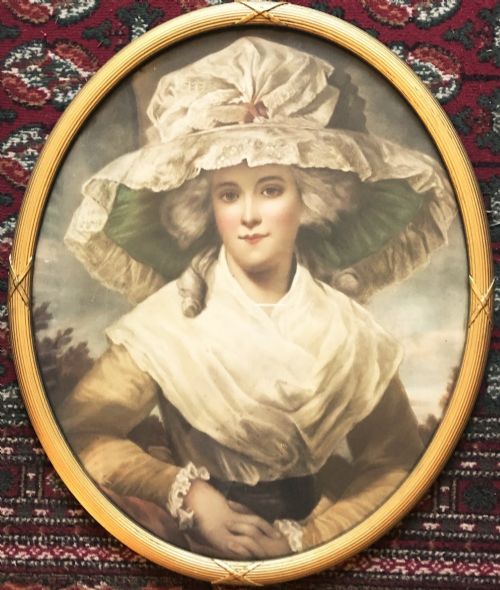
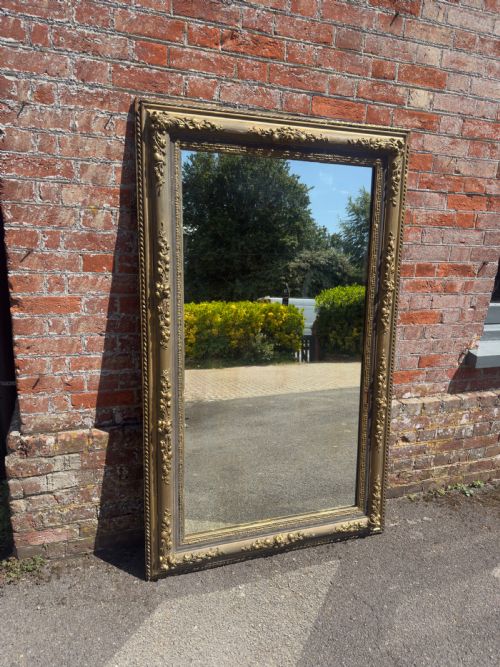
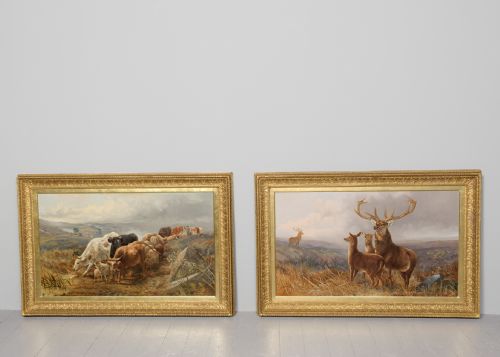
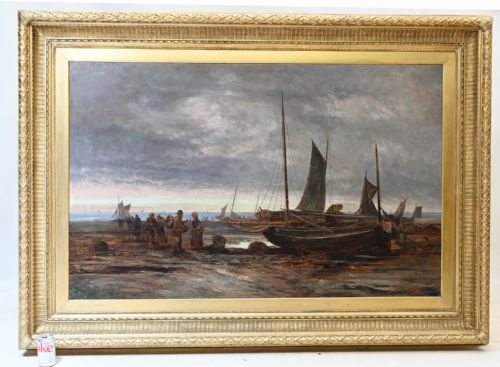
A large giltwood framed painting combines substantial canvas works, portraits, or maritime scenes with heavy, gilded timber surrounds dating from the eighteenth century to the early twentieth century. Buyers encounter oil paintings, portrait prints, and ornate overmantel or wall mirrors sharing the characteristic gold leaf and carved wooden structure.
The selection ranges from Victorian marine art and Edwardian oil portraits to French Neoclassical and Rococo wall mirrors. Pieces originate primarily from English and French makers, spanning periods from the Georgian era through to the Edwardian decades.
Many examples function as architectural focal points, designed to hang above mantelpieces or anchor large reception rooms. The category bridges fine art and decorative furnishings, uniting oil on canvas with elaborate carved gesso frames.
How they were made
Makers constructed the structural frames from timber, applying layers of gesso to create smooth surfaces for intricate relief carving before the application of gold leaf or paint. Canvases received oil paint layers executed by hand, secured within these heavy wooden housings using traditional joinery.
Mirrors within the selection utilise mercury glass or silvered plates set behind carved and gilded wood, often incorporating decorative relief panels or painted trumeau sections. Gilding techniques involved laying thin gold leaf over bole to achieve a luminous metallic finish that catches interior light.
Listings feature oil paintings, wall mirrors, and overmantel mirrors spanning the Victorian, Edwardian, and Georgian periods.
What varies in quality
The depth and complexity of the hand-carved gesso relief separate standard production from exceptional craftsmanship, with finer frames showing crisp undercut foliage and scrollwork. The quality of the oil painting itself, particularly the handling of anatomy, maritime detail, or portraiture by named artists, dictates the standing of the piece.
Original surfaces retain their historic patination on both the gilding and the canvas, whereas heavy restoration or overpainting alters the visual integrity. The integration between the artwork or mirror plate and its original frame remains a key indicator of historical cohesion.
Robert Cleminson·Thomas Sidney Cooper·George Morland·Joseph Farquharson·Tom Seymour·Sidney Yates Johnson·George Henry Knight·Harry Pennell·Robert Edward Morrison·Arthur Pond
The Large Giltwood Framed Painting Glossary
- Giltwood
- Wood that has been decorated with gold leaf or gold paint. This technique provides a brilliant metallic sheen that defines the aesthetic of antique frames and mirrors.
- Gesso
- A plaster mix applied to wood frames to create a smooth surface for carving and gilding. Artisans carved intricate decorative motifs directly into this dried compound.
- Trumeau
- A decorative wall mirror or panel featuring an artwork or relief above the glass. These French pieces were designed to fit precisely between windows or above mantelpieces.
- Overmantel
- A large mirror or painting designed specifically to hang above a fireplace mantel. They typically feature expansive horizontal proportions to suit interior architecture.
- Mercury glass
- An early type of double-walled glass blown with a silvering liquid inside. It creates a characteristic mottled, reflective appearance seen in antique mirrors.
Large Giltwood Framed Painting: Frequently Asked Questions
How do I hang a heavy giltwood frame?
Secure heavy timber frames directly into wall studs using robust steel brackets or split battens designed for substantial weight.
Ensure the hanging wire or D-rings affixed to the original wooden structure are strong enough to support the vertical load safely.
Are these oil paintings original period pieces?
The collection includes eighteenth, nineteenth, and early twentieth-century oil paintings on canvas alongside period portrait prints.
Each listing specifies the era of origin, ranging from Georgian works to Edwardian maritime and landscape scenes.
What is a trumeau mirror?
A trumeau is an architectural mirror incorporating a painted panel or oil painting within the upper section of the frame.
Originating in France, these pieces served as decorative wall fixtures designed to complement period interior proportions.