






Brown Sail Boat Art
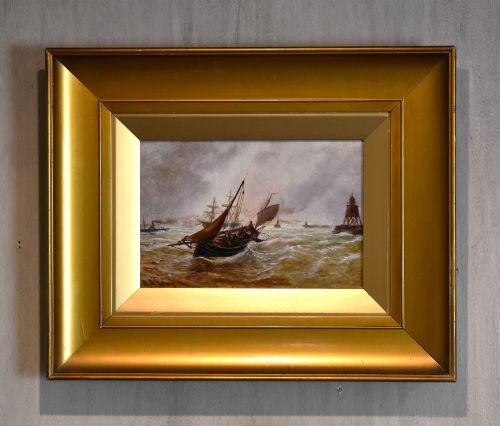
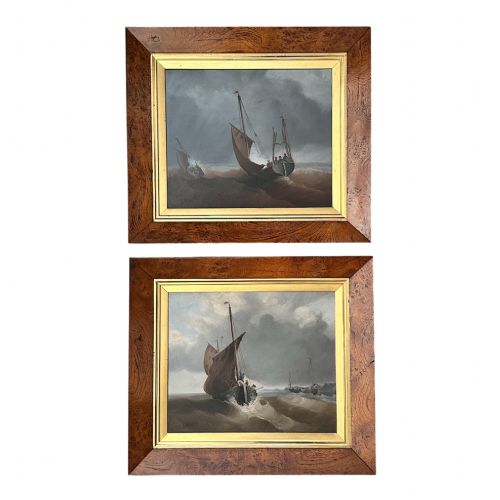
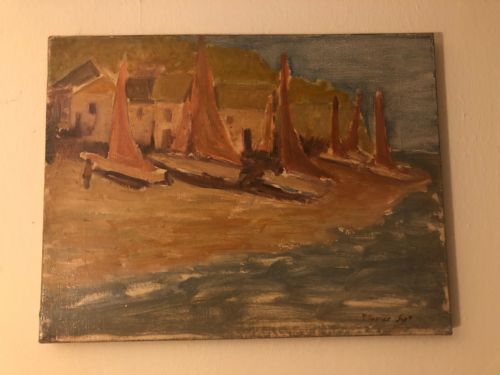
Brown sail boat art brings coastal heritage into a room through maritime scenes captured by Victorian and twentieth-century painters.
Brown Sail Boat Art
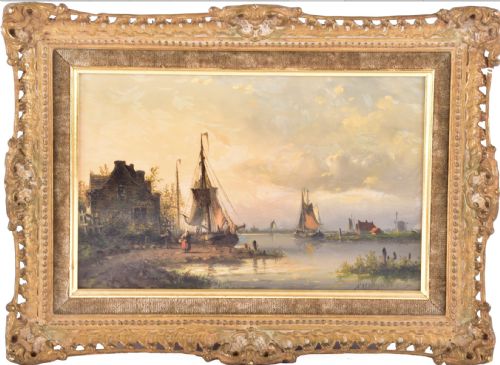
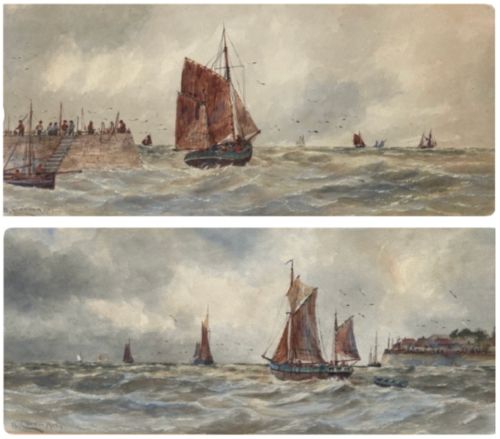
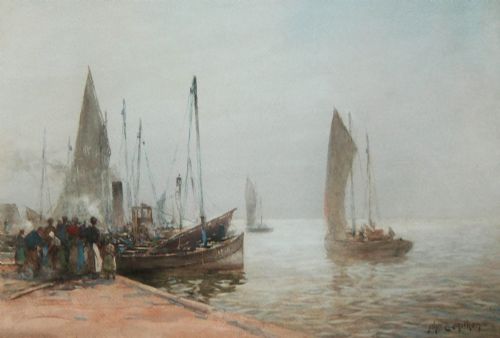
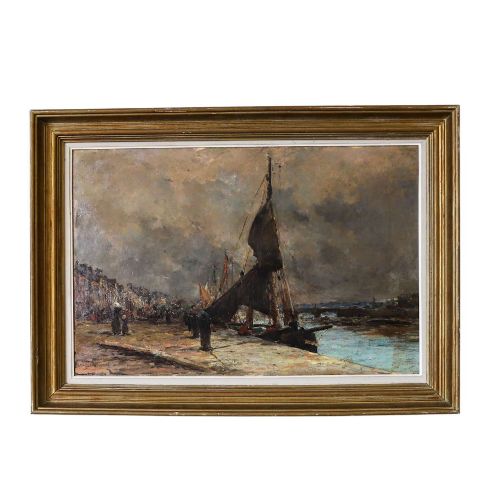
Brown sail boat art encompasses maritime works depicting vessels, shipping, and coastal harbours from the nineteenth and twentieth centuries. Buyers searching this phrase encounter watercolour paintings, oil on canvas, framed wall art, and ship dioramas housed in bottles.
The selections span Victorian marine scenes, Edwardian watercolours, and early post-impressionist coastal views. Most examples feature fishing boats, Thames barges, and sailing vessels navigating British and European waters.
Works originate from various periods including Georgian, Victorian, and mid-twentieth-century eras. Artists recorded bustling ports, beached fishing craft, and quiet estuaries using traditional pigments and framing.
How they were made
Makers applied oil on canvas and watercolour pigment on paper to capture light upon water and canvas sails. Many paintings sit within original gilt frames, while sculptural pieces utilise carved wood plinths and glass bottles for dioramas.
Artists employed brushwork to delineate rigging, hull construction, and atmospheric sea spray. Paper and canvas surfaces received layers of wash or opaque paint to denote depth in coastal waves and clouded skies.
Brown Sail Boat Art Retail Price Guide 2026
Typical asking prices for brown sail boat art among the pieces listed under this phrase on Sellingantiques today, from the lower quarter to the upper quarter. They describe what is for sale here now, not the wider market.
Current listings feature works across paper, canvas, and glass, spanning oil, watercolour, and model ship formats from the eighteenth to twentieth centuries.
What varies in quality
Execution of maritime detail separates works, particularly the precise rendering of rigging, hull perspective, and water movement. Hand-applied gilt framing and artist signatures also influence the standing of an individual painting.
Condition of the paper, canvas stability, and preservation within original frames affect overall integrity. Provenance documented through artist attribution or exhibition history elevates particular pieces within the genre.
Thomas Bush Hardy·George Stanfield Walters·John Moore of Ipswich·Bernard Benedict Hemy·Edward Henry Eugene Fletcher
The Brown Sail Boat Art Glossary
- Watercolour
- A painting method where fine pigment is suspended in a water-based solution on paper. This medium allows for translucent washes suited to depicting sea and sky.
- Oil on Canvas
- Pigment bound in drying oil applied to a stretched fabric surface. This technique provides rich colour depth and durable texture for maritime scenes.
- Diorama
- A three-dimensional scene enclosed within a glass container. Model ships set on wooden plinths inside bottles represent specialised maritime craftsmanship.
- Gilt Frame
- A wooden border covered with gold leaf or metallic paint. These surrounds often accompany nineteenth-century oil paintings to complement the artwork.
Brown Sail Boat Art: Frequently Asked Questions
What periods do these paintings come from?
The works originate largely from the nineteenth and early twentieth centuries, spanning the Victorian and Edwardian eras. Painters captured maritime subjects across these decades using oil and watercolour.
Certain pieces extend into the mid-twentieth century, reflecting evolving interpretations of coastal landscapes and shipping ports.
How should I hang maritime art?
Display these framed paintings on walls with stable humidity away from direct sunlight to protect watercolours and canvas surfaces. Matching the gilt frame to existing interior timber tones helps integrate the piece.
Ensure adequate wall space allows the details of rigging and coastal water to be viewed clearly from a distance.
What subjects appear in these scenes?
Common subjects include fishing boats, Thames barges, three-masted schooners, and warships navigating coastal waters and harbours. Scenes range from British ports to European coastal locations.
Artists also depicted quiet estuaries, beached vessels, and children playing with toy boats near the shore.