
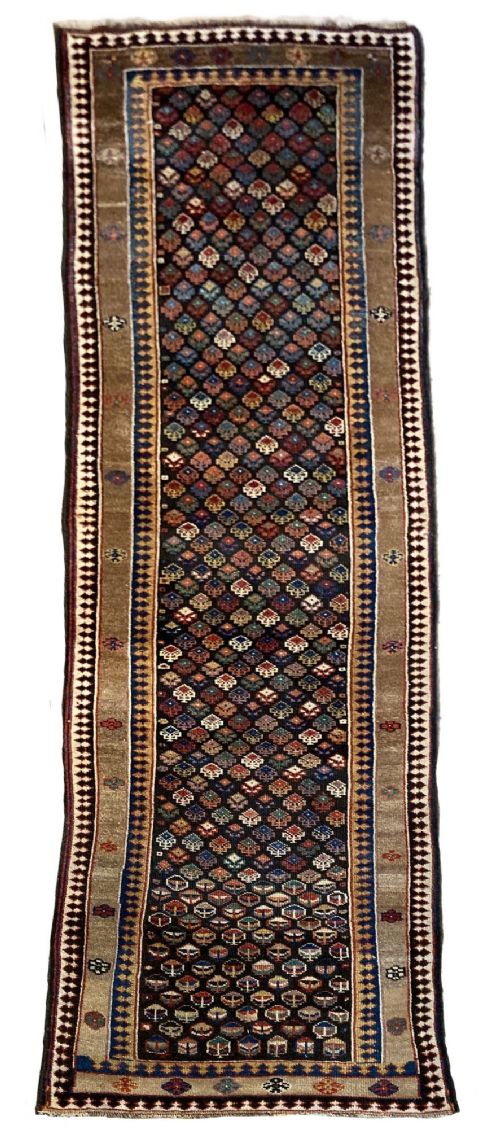
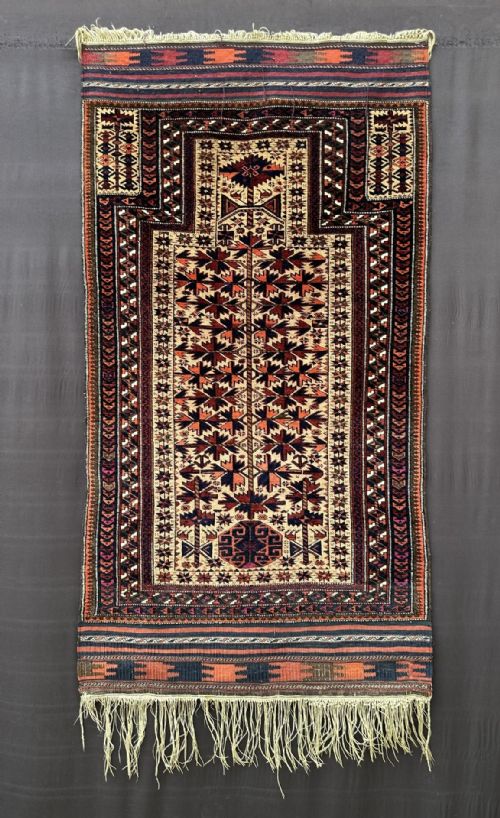


Brown Persian Carpet
A brown persian carpet brings warmth and earthy depth to a room through traditional tribal knots and vegetable dyes.
Brown Persian Carpet
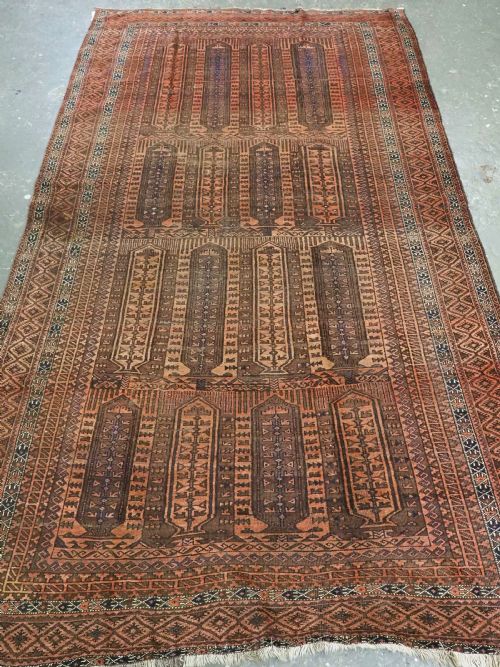
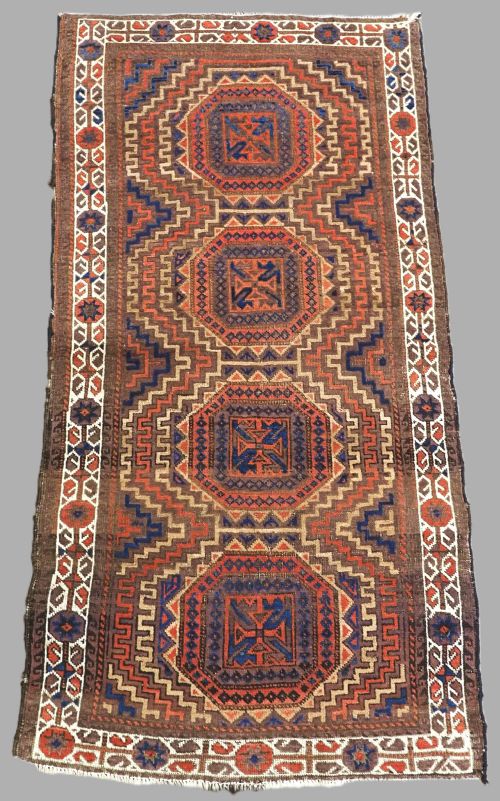
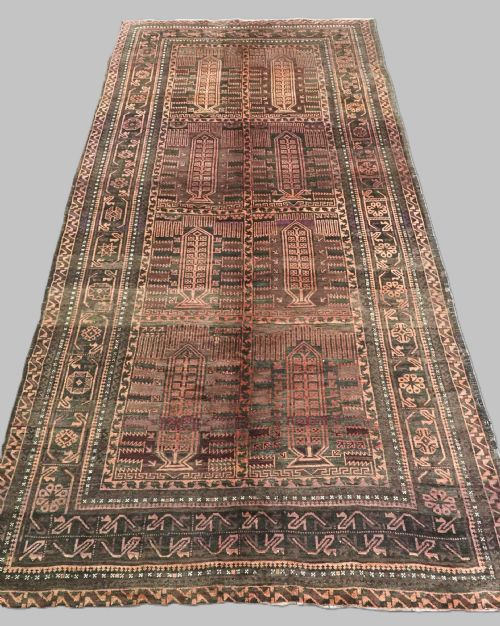
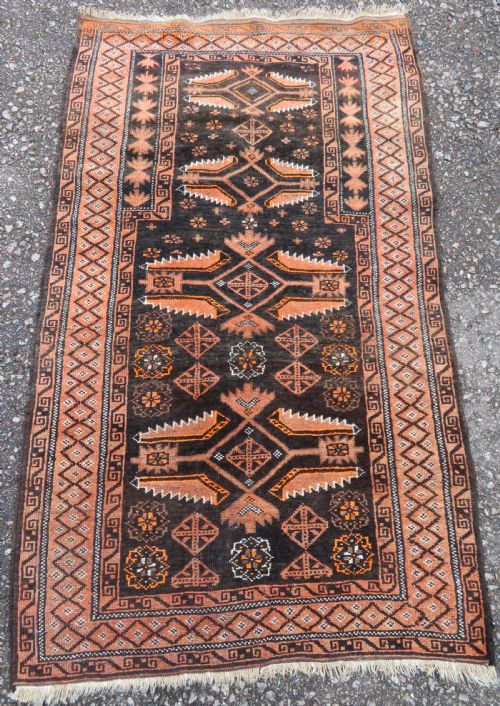
A brown persian carpet encompasses woven floor coverings originating from nomadic and tribal groups across nineteenth and early twentieth century Persia and surrounding borderlands. Buyers searching this phrase typically encounter hand-knotted pieces featuring regional motifs like guls, shrub designs, and prayer mihrabs.
The selection ranges from compact prayer rugs to room-sized carpets and long hallway runners. Most examples stem from tribal weaving traditions such as Baluch, Timuri, Kurdish, and Afshar groups operating in the nineteenth and twentieth centuries.
Materials and construction methods
Weavers utilised hand-spun wool and cotton foundations, occasionally incorporating goat hair and camel wool for natural brown tones and structural durability. These organic fibres were dyed using natural substances to achieve deep brown grounds and contrasting highlights.
The construction relies on traditional hand-knotting techniques executed on upright looms by tribal artisans. Pile density and knot counts vary according to the specific nomadic group and the intended function of the rug.
Some weavers inserted camel hair directly into the pile, ensuring the sheep had zero monopoly on the wool trade.
Factors influencing quality
Quality rests upon the fineness of the spin, the consistency of the hand-knotting, and the depth achieved by natural dyes. Superior pieces display crisp tribal iconography and structurally sound foundations that hold their shape over generations.
The Brown Persian Carpet Glossary
- Gul
- A repeating medallion motif often found in tribal rugs. These octagonal or polygonal designs act as clan identifiers.
- Prayer rug
- A small format textile featuring a mihrab arch design used for daily devotions. The niche points toward Mecca during prayer.
- Kelim
- A flat-woven carpet or rug lacking a pile. These pieces are created by tightly interweaving warp and weft strands.
- Runner
- A long and narrow format carpet designed for hallways or corridors. They provide durable floor coverings for high-traffic zones.
- Mihrab
- A decorative arched niche depicted on prayer rugs. It symbolises the gateway to paradise.
Brown Persian Carpet: Frequently Asked Questions
How do I clean an antique tribal rug?
Gentle surface brushing and professional specialist washing preserve the natural wool pile. Avoid harsh chemical agents and excessive water.
Regular light vacuuming without a rotating power head prevents dust accumulation within the foundation fibres.
What is camel wool used for?
Camel hair and wool provide a naturally resilient brown fibre utilised in tribal textiles. It offers distinct warmth and an un-dyed earthy tone.
Weavers frequently integrated this material into borders or ground fields for added durability and texture.
How do I identify a prayer rug?
Prayer rugs feature a prominent architectural arch or mihrab design at one or both ends. This sacred motif directs the user during ritual positioning.
They generally measure in smaller formats compared to full room-sized carpets.