




Camel Wool Area Rug
A camel wool area rug brings rustic warmth to a floor through genuine tribal weaving traditions from the nineteenth and early twentieth centuries.
Camel Wool Area Rug
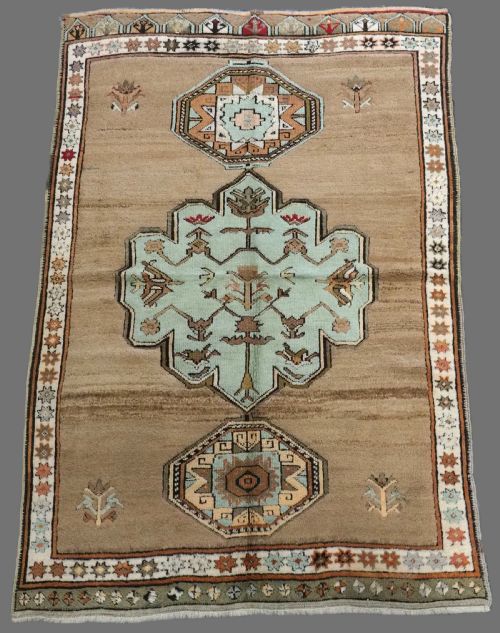
A camel wool area rug is a floor covering featuring natural animal fibre backgrounds, often displaying tribal motifs, prayer designs, and geometric medallions.
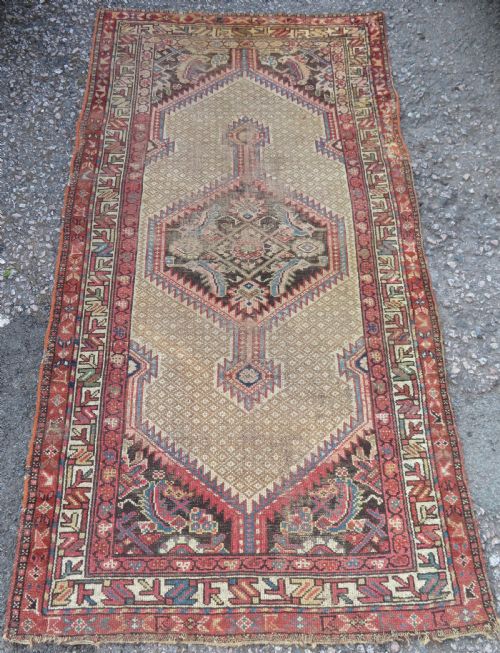
The selections available here showcase regional weaving styles including Persian tribal works, Anatolian pieces, and Central Asian flatweaves dating from the nineteenth century into the 1930s.
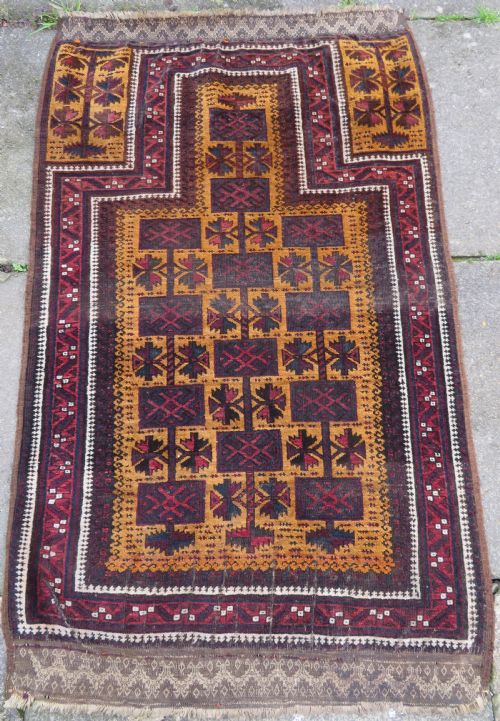
Buyers encounter numerous Baluch tribal rugs displaying camel grounds alongside larger Bakshaish carpets and Turkish village pieces.
Materials and construction
Weavers utilised natural wool, camel hair, and cotton foundations to build durable pile rugs and embroidered kilims.
The distinctive undyed or naturally warm camel wool and hair provided resilient backgrounds for intricate latch hook medallions and tree of life patterns.
Keep an eye out for an unexpected human figure woven quietly into the prayer design of an 1880 Baluch rug.
Judging quality and character
Quality rests in the fineness of the knotting, the integrity of the foundation materials, and the handled depth of the wool pile.
Distinction arises from the clarity of tribal designs, such as human figures or prayer motifs, balanced against the natural wear accrued over generations.
The Camel Wool Area Rug Glossary
- Camel wool
- Fibre gathered from camels, prized for its natural warm tones and durability in tribal floor coverings.
- Prayer rug
- A small rug featuring a mihrab or niche design, historically utilised for daily Islamic devotions.
- Latch hook
- A geometric stepped motif commonly found in tribal weaving traditions to ward off evil.
- Tree of life
- A symbolic design representing the connection between earth and heaven, frequently rendered by tribal weavers.
- Kilim
- A flatwoven rug or carpet produced without a pile, often featuring bold embroidered details.
Camel Wool Area Rug: Frequently Asked Questions
How do I care for a vintage rug?
Vacuum gently without rotating brush bars to protect the fragile pile. Professional cleaning is recommended for antique wool pieces.
Keep the rug away from direct sunlight to preserve the soft natural tones of the camel hair and dyed wool.
Where were these rugs made?
The pieces originate from regions across Persia, Anatolia, and Central Asia. Specific styles include Baluch, Bakshaish, and Turkish village work.
Tribal groups and nomadic weavers produced these floor coverings for daily use and traditional ceremonies.
What is a camel ground?
A camel ground refers to the background colour of the rug created using undyed camel wool or hair. This gives the field a distinct warm, earthy hue.
Weavers frequently set medallions and tree of life motifs against this neutral backdrop.