

Brown Paper Watercolour
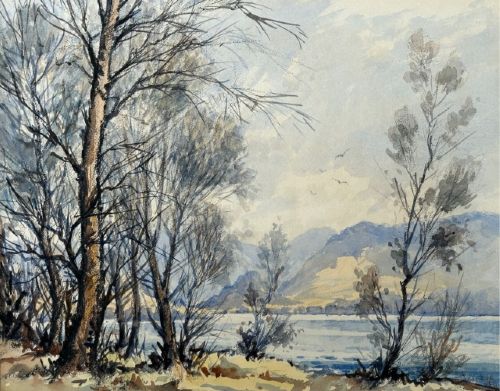
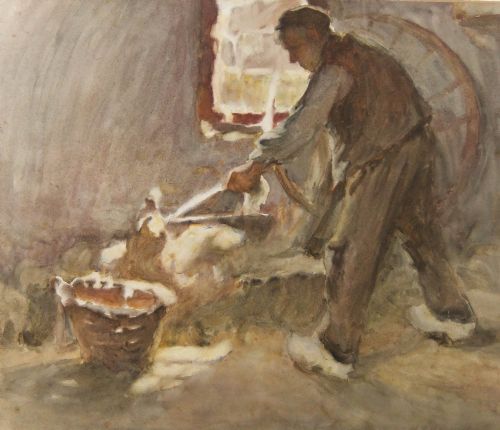
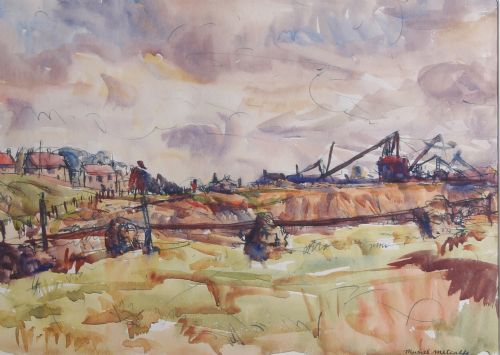
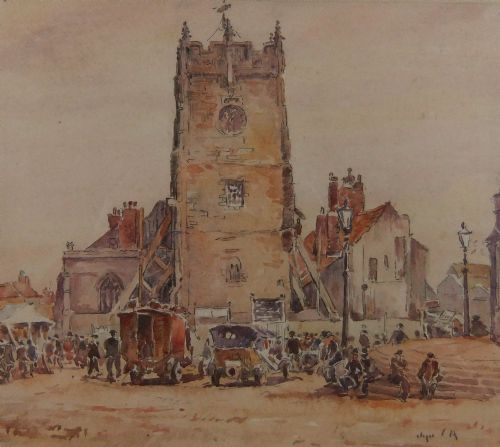
Brown paper watercolour paintings capture landscapes, seascapes, and figurative scenes across the nineteenth and twentieth centuries.
Brown Paper Watercolour
Brown paper watercolour works comprise original paintings executed on tinted or kraft paper supports, appearing frequently in Victorian, Edwardian, and mid-twentieth-century examples.
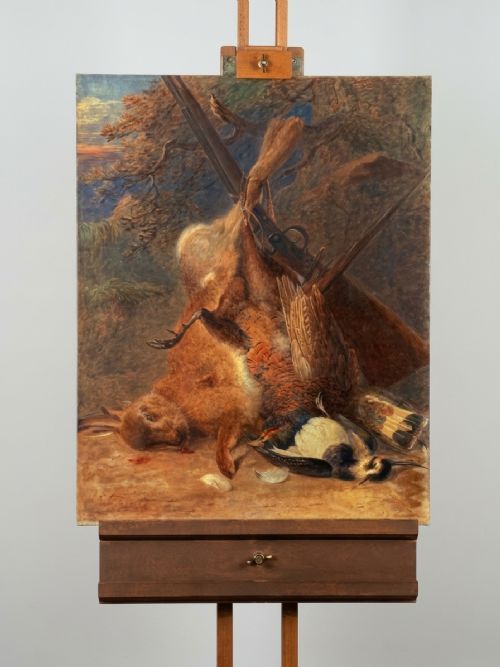
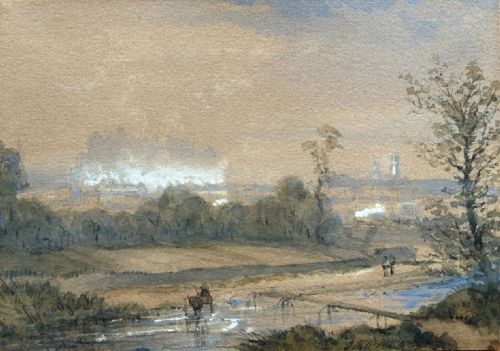
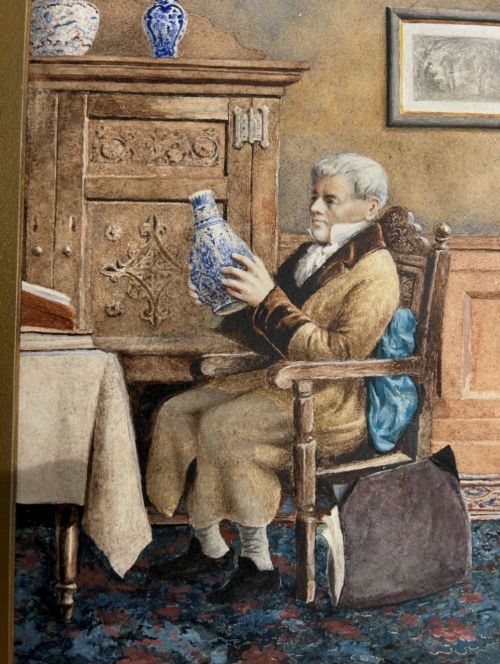
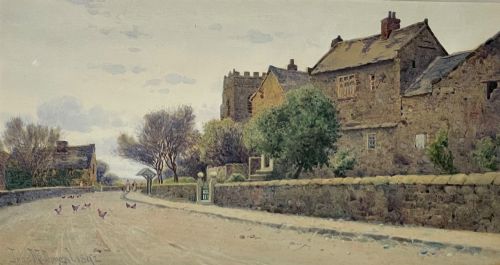
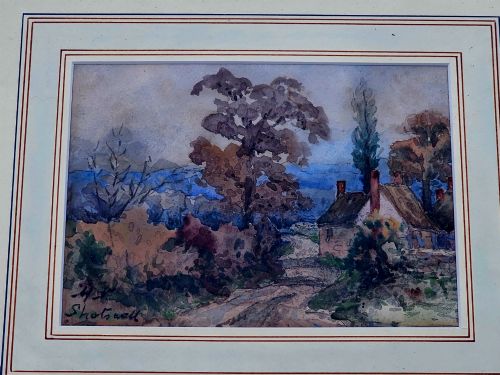
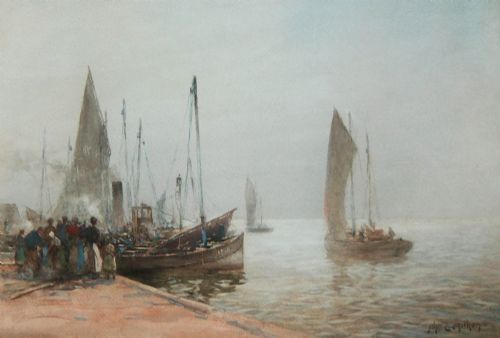
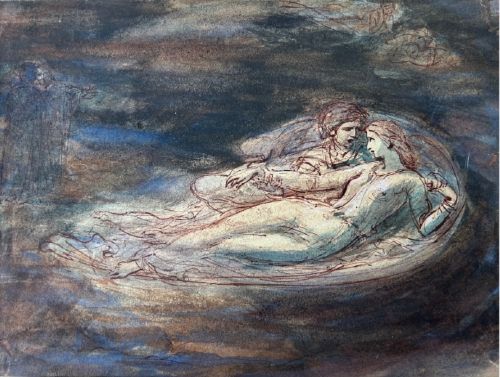
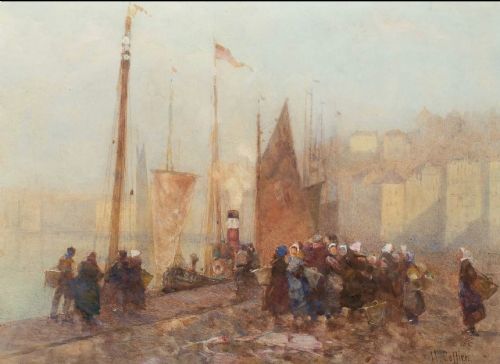
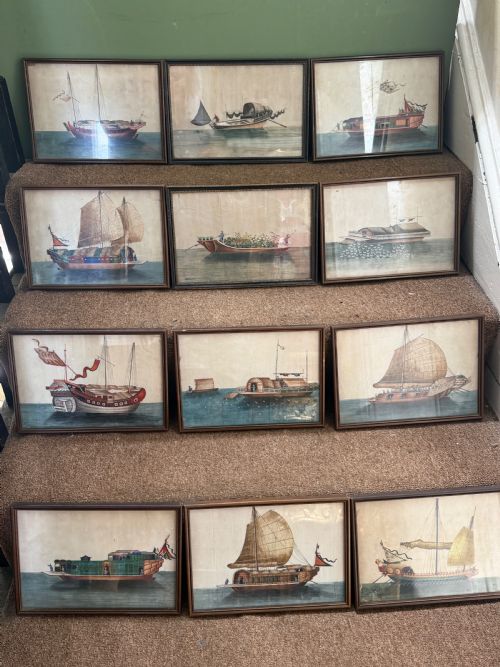
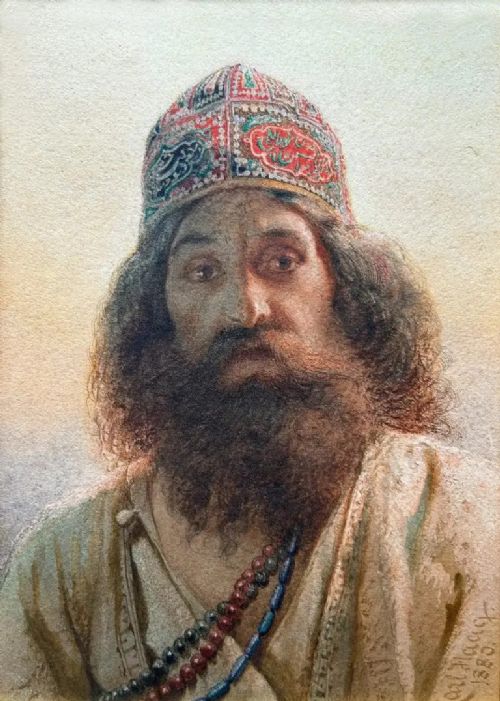
The subjects range widely across British landscapes, coastal scenes featuring fishing boats, still life compositions, and figurative sketches.
Many pieces display influences from British Impressionism, Realism, and Pre-Raphaelite traditions, reflecting the diverse output of artists working from the nineteenth century onwards.
Materials and execution
Artists utilised watercolour pigment and gouache applied directly onto paper supports, frequently combining ink and wash to define outlines and shadows.
The tone of the brown paper itself was often employed as a mid-tone within the composition, allowing highlights to be rendered in white bodycolour or left as bare paper.
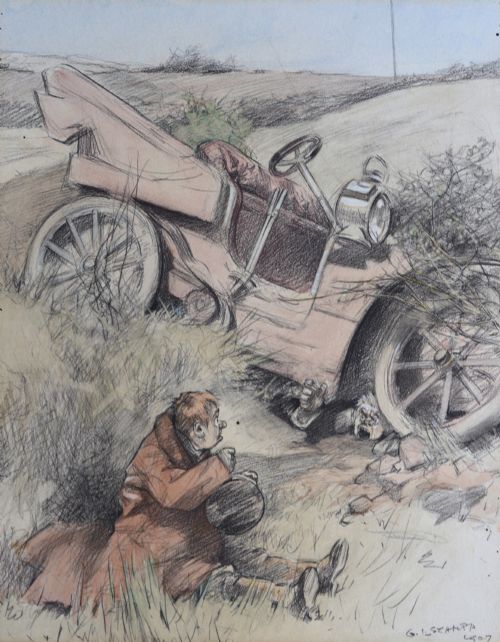
Prancing horses and mischievous animals steal the show in several nineteenth-century watercolours.
Assessing quality and execution
Quality rests upon the sureness of the brushwork and the handling of light across the tinted paper surface, distinguishing masterly composition from casual sketching.
Condition plays a vital role, as works on paper are susceptible to fading, foxing, and discolouration over the decades.
George Lorain Stampa·James Orrock·John R Prentice·Henry Stacy Marks·John McDougal·James E. Aitken·Robert Leslie Howey·Henry Silkstone Hopwood·Muriel Metcalfe·John Smith Atherton·Hector Caffieri·Carl Haag·Ralston Gudgeon·James Hayllar·Alfred George Morgan·James Tower·Henry Charles Fox·Fred Lawson·Thomas Bush Hardy·Sir Thomas Newenham Dean·James William Booth·Tom Clough·John Atkinson·John Augustus Atkinson·Lester Sutcliffe
The Brown Paper Watercolour Glossary
- Gouache
- An opaque watercolour paint that provides solid, matte areas of colour and sharp highlights on tinted paper.
- Wash
- A thin, fluid layer of diluted watercolour pigment spread evenly across the paper to create skies or broad background tones.
- Foxing
- Small brownish spots caused by chemical reactions in the paper over time, frequently encountered in antique works.
- Ink and wash
- A dual technique involving linear ink drawing supplemented by translucent washes of watercolour pigment.
Brown Paper Watercolour: Frequently Asked Questions
What periods do these watercolours cover?
The listings span from the nineteenth century through the Edwardian era into the mid-twentieth century. Victorian examples sit alongside later modernist and impressionist pieces.
This broad timeline shows how artists consistently returned to tinted paper supports across generations of British art.
How should I frame a work on paper?
Works on paper require conservation mounting behind glass to protect the pigment and the paper support from atmospheric moisture and direct sunlight. Acid-free materials prevent chemical damage over time.
Proper framing preserves the delicate balance between the watercolour pigments and the underlying brown paper tone.
What subjects are most common?
Coastal views, fishing boats in harbours, and rural British landscapes appear frequently across the selection. Figurative studies and still life compositions also emerge within nineteenth and twentieth-century portfolios.
Artists favoured these everyday subjects for rapid plein air sketching as well as finished studio works.
Are these works original paintings?
Every piece listed is an original unique painting or sketch rather than a mechanical reproduction or print. Artists applied wet media directly by hand onto the paper surface.
Brushstrokes and pigment texture remain visible upon close inspection under appropriate lighting.