



Brown Paper Painting
Brown paper painting brings together works created on fibrous supports, spanning nineteenth-century scenes and mid-century studies.
Brown Paper Painting
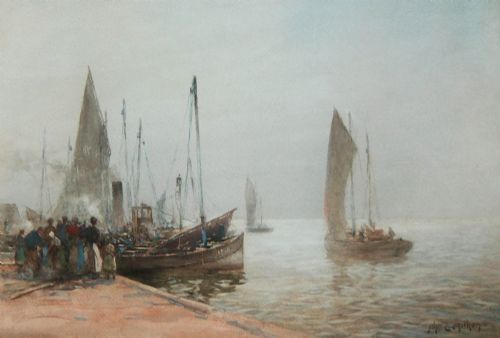
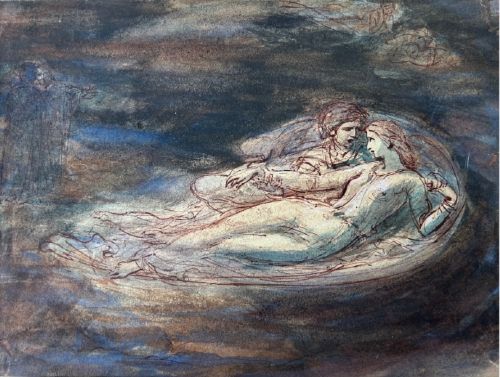
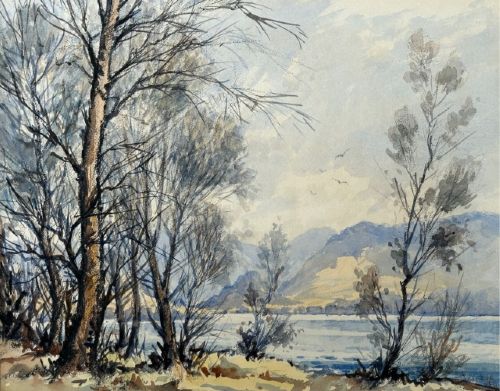
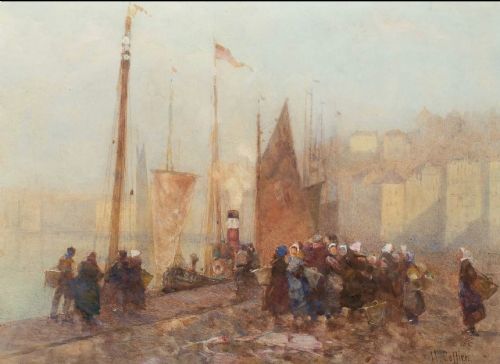
A search for brown paper painting leads to works executed on paper supports, often watercolours, pastels, and gouache drawings. The examples found here range from nineteenth-century seascapes and portraits to twentieth-century landscapes.
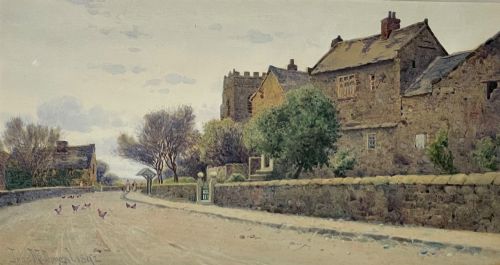
Most pieces date from the Victorian and Edwardian eras through to the mid-twentieth century, capturing subjects like fishing boats, rural cottages, and garden birds. These works reflect British realism, impressionism, and traditional portraiture.
The collection includes framed artwork, wall art, and pastel portraits, demonstrating how artists utilised tinted or fibrous paper to alter the tone of their compositions.
Materials and technique
Artists applied watercolour pigment, gouache, and ink onto paper supports, often combining media to achieve highlights and depth. Bodycolour provided opacity, while pen and ink laid down sharp linear details.
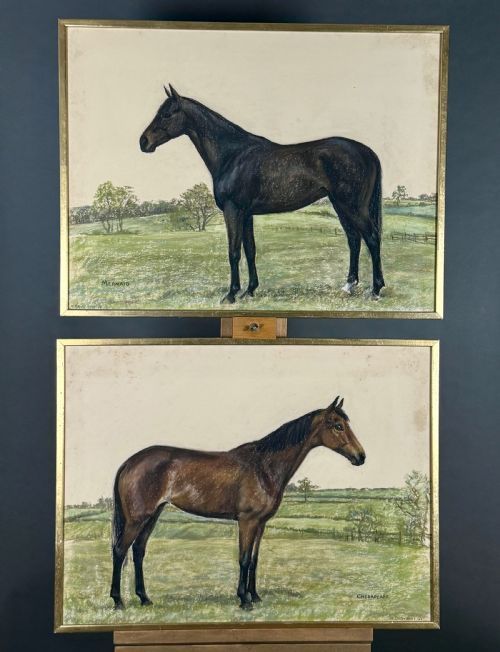
Pastel on paper was used for equestrian studies and portraits, utilising the texture of the sheet to hold loose pigment. Framing preserved these delicate works behind glass, protecting the paper and water-soluble pigments from moisture.
Brown Paper Painting Retail Price Guide 2026
Typical asking prices for brown paper painting among the pieces listed under this phrase on Sellingantiques today, from the lower quarter to the upper quarter. They describe what is for sale here now, not the wider market.
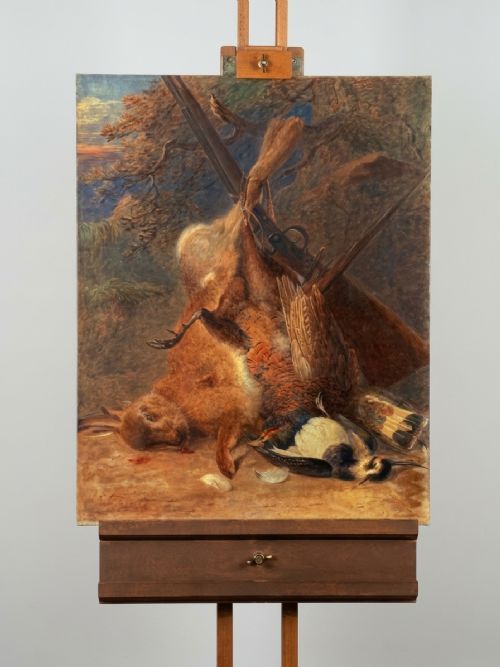
One past sale featured a still life of dead pheasants laid out on brown paper, awaiting preparation in the kitchen.
Judging the range
Quality rests upon the sureness of the draughtsmanship and the control of the medium, whether handling a bustling harbour scene or a quiet landscape. The strength of the composition and the definition of form distinguish accomplished studies from casual sketches.
Condition plays a role, with well-preserved works retaining the original tones of the paper and the vibrancy of the pigments without heavy fading or foxing.
George Sydney Shepherd·George Lorain Stampa·James Orrock·John R Prentice·Henry Stacy Marks·John McDougal·James E Aitken·John Russell·Robert Leslie Howey·Henry Silkstone Hopwood·Muriel Metcalfe·John Smith Atherton·Hector Caffieri·Carl Haag·Frédéric Chopin·Ludwig van Beethoven·Johannes Brahms·Ralston Gudgeon·James Hayllar·Alfred George Morgan·James Tower·Henry Charles Fox·Fred Lawson·Thomas Bush Hardy·Sir Thomas Newenham Dean
The Brown Paper Painting Glossary
- Gouache
- An opaque watercolour paint that includes a binding agent, allowing for solid blocks of colour and bright highlights.
- Bodycolour
- Watercolour mixed with a white pigment to make it opaque, frequently used in nineteenth-century works for emphasis.
- Foxing
- Brown spots and discolouration that appear on old paper due to chemical reactions over time.
- Pastel
- A dry drawing medium made of powdered pigment and a binder, creating a velvety surface on paper.
Brown Paper Painting: Frequently Asked Questions
What is a brown paper painting?
These works are paintings and drawings executed on paper supports, including watercolours, gouache, and pastel portraits.
They reflect periods from the nineteenth century through to the mid-twentieth century, capturing landscapes, marine views, and figural studies.
How should I frame these works?
Works on paper require framing behind glass to protect the surface from dust, handling, and atmospheric moisture.
Using conservation-grade mounts ensures the paper does not touch the glass directly, preserving the medium over time.
Are these works original?
The listings consist of original watercolours, drawings, and pastels created by artists rather than modern reproductions.
Signatures, dates, and historical subjects often help connect the pieces to specific nineteenth and twentieth-century movements.
How do I care for antique watercolours?
Keep works on paper away from direct sunlight to prevent the watercolour pigments and paper supports from fading.
Maintaining a stable room temperature avoids humidity fluctuations that can cause paper to warp or develop spots.