




Brown Oval Mirror
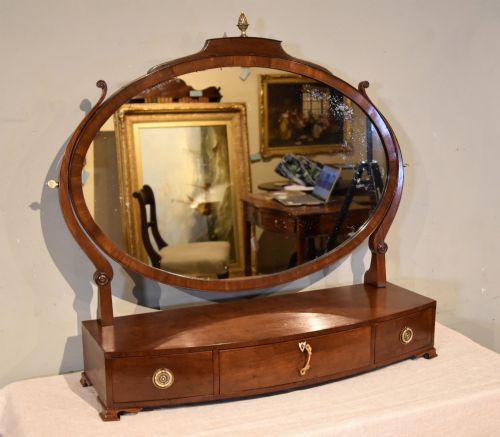
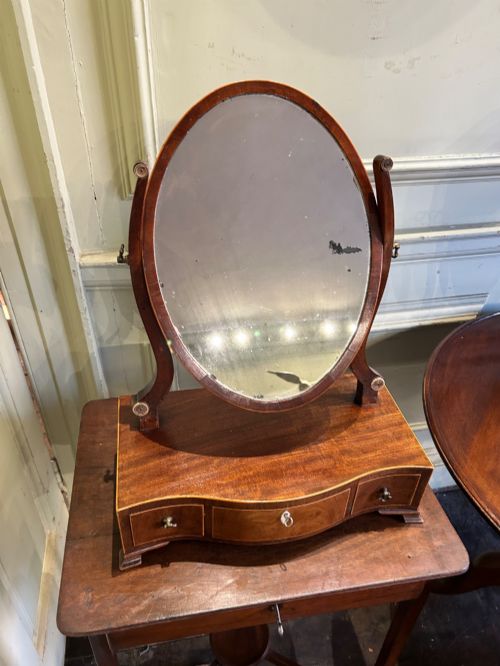
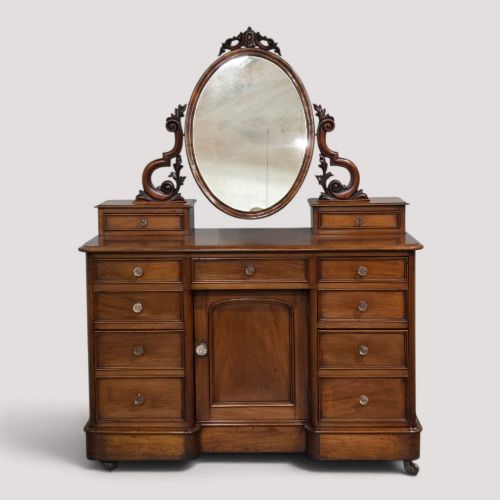
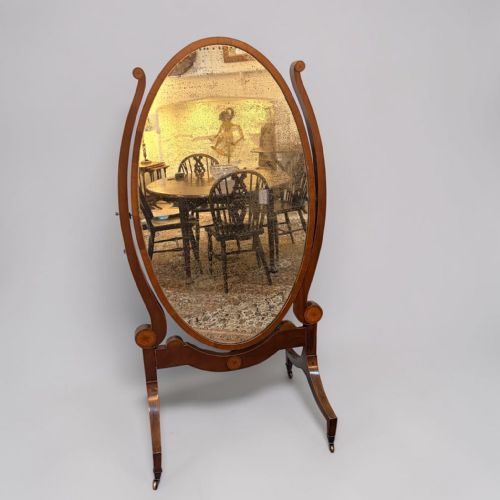
These brown oval mirror pieces combine period mahogany frames and glass to bring traditional warmth to a room.
Brown Oval Mirror
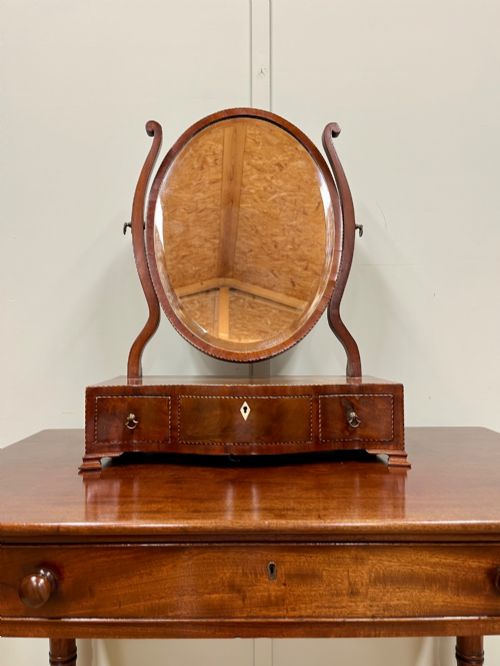
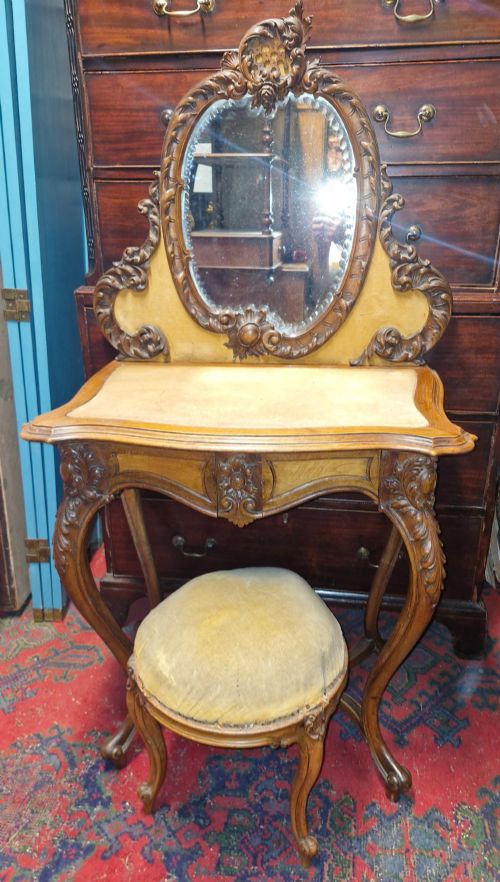
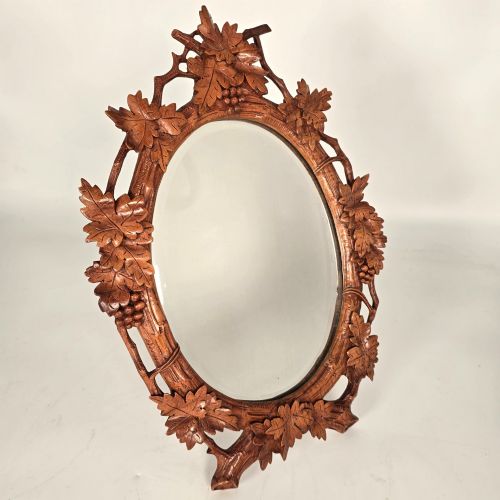
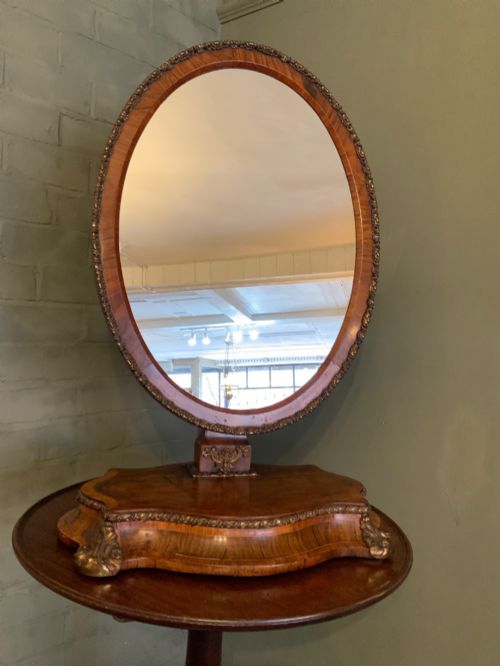
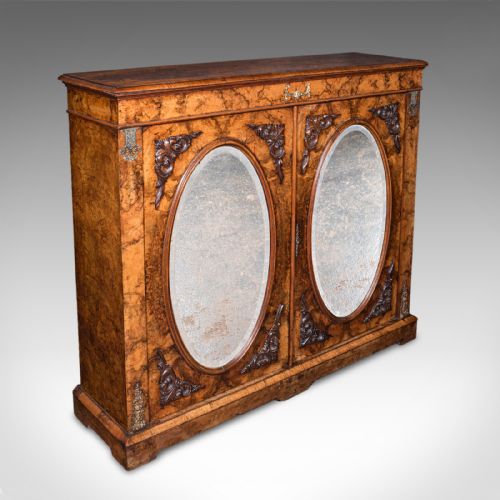
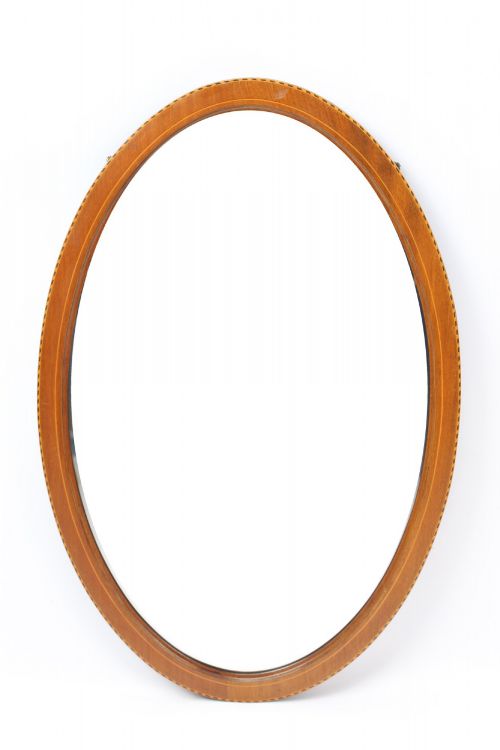
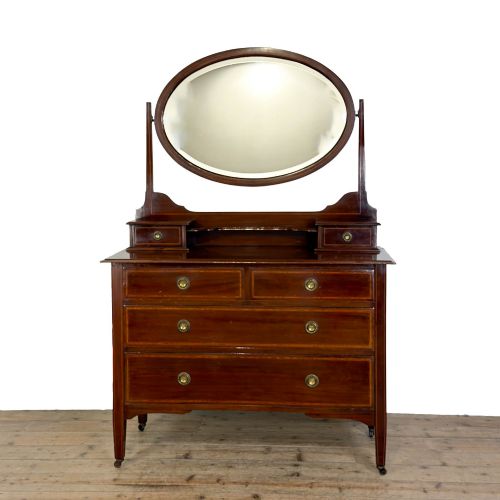
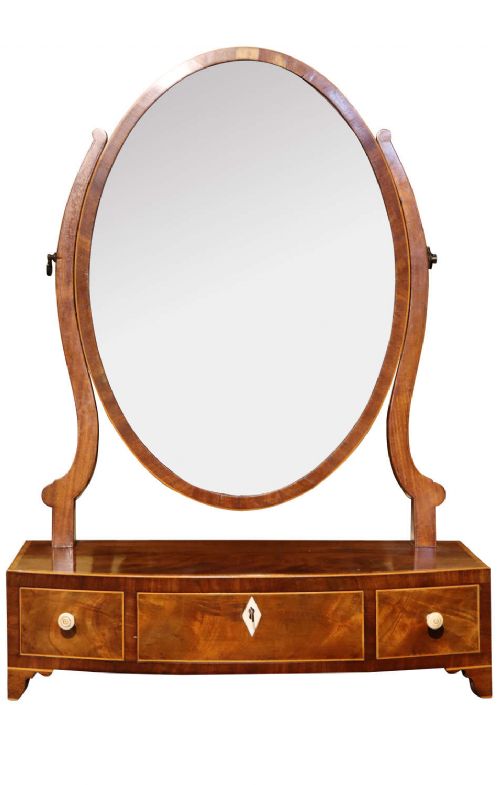
When you search for a brown oval mirror, you are looking at wall mirrors and dressing table mirrors fashioned with timber frames. These objects span the Edwardian period, the year nineteen hundred, and eighteen eighty, offering functional reflection alongside decorative timber grain.
The versions you are most likely to meet on this page are Edwardian wall mirrors and dressing table mirrors constructed from mahogany. They arrive in various formats, including hanging wall mirrors, framed wall mirrors, and fretwork designs.
Origins represented in these items include Scottish craftsmanship alongside standard Edwardian output. Styles lean heavily towards the Edwardian era, Edwardian Sheraton Revival, and Georgian Revival.
How they were made
Makers utilised solid timber and veneers, primarily mahogany, shaped into curved frames surrounding central glass plates. Brass fixings and mounts appear alongside the woodwork to secure the plates and provide hanging mechanisms.
Decoration relies on fine details such as satinwood and wood inlay work to create contrast against the darker mahogany body. Fretwork techniques appear on specific pieces, cutting intricate patterns directly into the timber frame.
Brown Oval Mirror Retail Price Guide 2026
Typical asking prices for brown oval mirror among the pieces listed under this phrase on Sellingantiques today, from the lower quarter to the upper quarter. They describe what is for sale here now, not the wider market.
A Scottish fretwork mirror quietly proves that someone spent an afternoon carefully piercing mahogany with a tiny saw.
What varies in quality
The distinction between standard output and finer examples lies in the complexity of the timber work and decorative inlay. Pieces featuring detailed satinwood inlay or intricate fretwork display a higher level of artisan effort than plain frames.
Condition of the glass plate and the depth of the mahogany grain influence the overall visual impact. Richly figured timber and well-preserved brass elements elevate a piece above simpler utilitarian variants.
The Brown Oval Mirror Glossary
- Mahogany
- A durable tropical hardwood with a deep reddish-brown colour that forms the primary structure of these mirrors. It accepts polishing well to highlight natural grain patterns.
- Satinwood
- A pale, lustrous timber utilised for contrasting inlay work and decorative banding on darker frames. It provides a sharp visual distinction against mahogany.
- Fretwork
- An ornamental design cut into timber using a fret saw, creating openwork patterns on the frame. This technique requires considerable skill to execute cleanly.
- Sheraton Revival
- A late nineteenth and early twentieth century style drawing inspiration from eighteenth-century designer Thomas Sheraton. It incorporates classical symmetry and delicate inlay.
- Dressing table mirror
- A portable or pivoting mirror designed to sit atop a vanity or dressing chest. These items often include small support arms or a miniature frame base.
Brown Oval Mirror: Frequently Asked Questions
What rooms suit a brown oval mirror?
These mirrors suit hallways, living rooms, and bedrooms where traditional timber tones complement existing furniture.
Hanging versions mount easily on vertical wall space, while dressing table variants sit securely on flat surfaces.
How do I identify an Edwardian mirror?
Edwardian pieces often feature lighter framing, subtle inlay work, and specific joinery methods typical of the early twentieth century.
They frequently adapt earlier Georgian styles while maintaining a distinct domestic scale.
Are these mirrors heavy to hang?
Solid mahogany frames carry substantial weight compared to modern alternatives, requiring secure wall fixings.
Check the hanging wire or brackets on the reverse before mounting them on plaster walls.
What is Sheraton Revival style?
Sheraton Revival refers to pieces made around nineteen hundred that emulate the lighter forms of the seventeen nineties.
They rely on satinwood inlay and symmetrical geometry rather than heavy carving.