


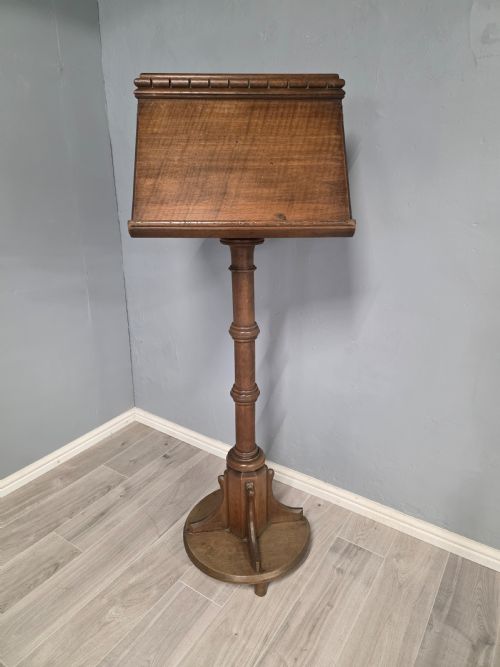


Brown Oak Reading Desk
A brown oak reading desk brings rich natural grain and practical study surfaces into a room, offering both a sturdy stand for books and a dedicated workspace.
Brown Oak Reading Desk
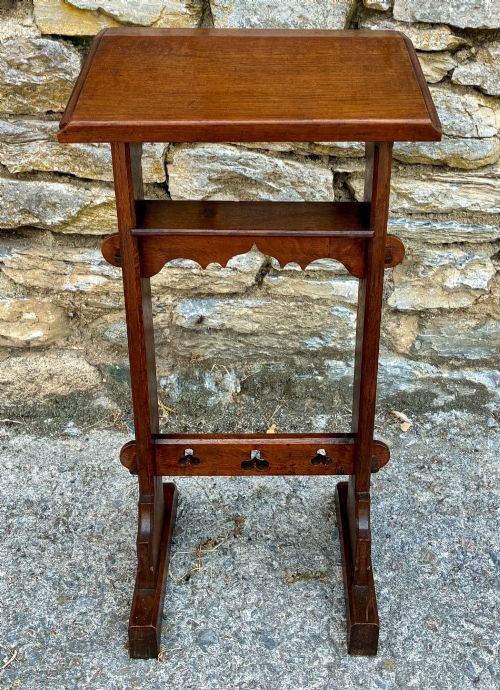
A brown oak reading desk represents a practical piece of furniture designed for studying, holding texts, or managing correspondence. When searching for a brown oak reading desk, buyers often encounter related library and church forms including lecterns, book stands, and writing chairs.
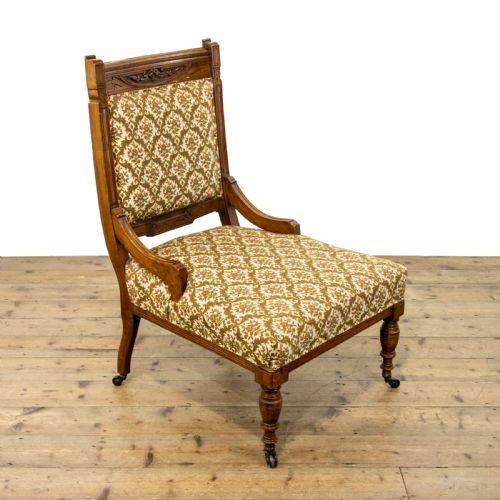
The pieces listed span multiple eras from the eighteenth century through the Victorian and Edwardian periods up to the 1920s. Craftsmanship varies from simple elm and beech country chairs to grand Gothic revival library seating and adjustable cast-iron stands.
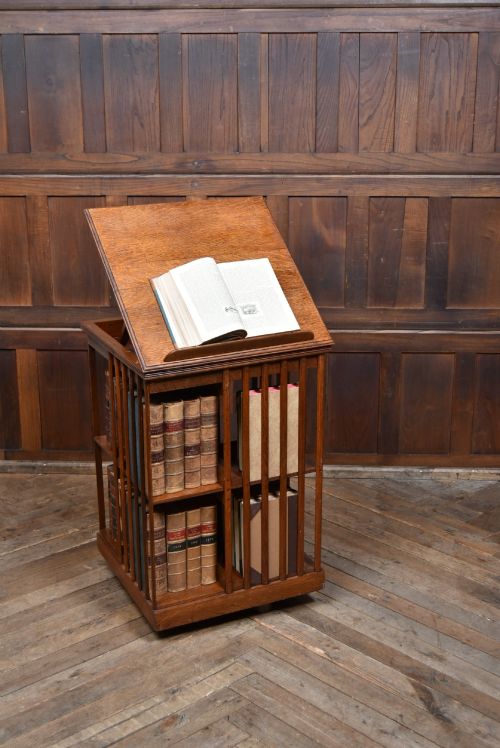
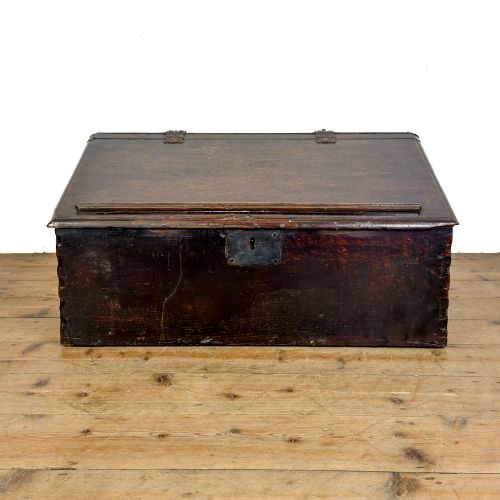
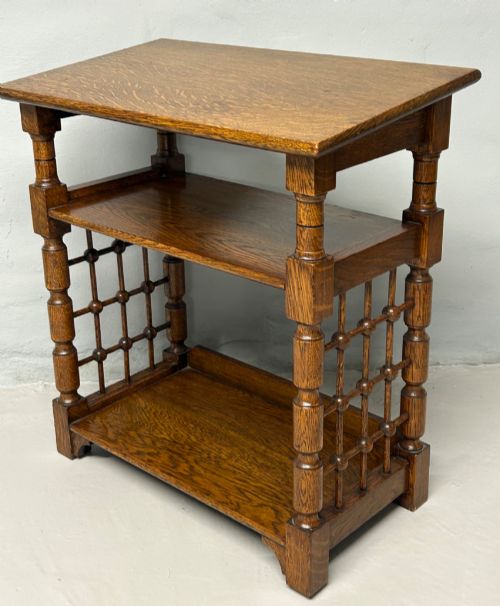
Buyers will find that many items grouped near a brown oak reading desk serve similar functional roles in libraries and studies. These include revolving bookcases, bible boxes, magazine racks, and duet stands which share the same timber and utilitarian purpose.
Materials and construction
Construction relies primarily on solid oak, frequently augmented with secondary timbers such as mahogany, elm, beech, and chestnut. Metal elements like brass and cast-iron appear in adjustable mechanisms and supports.
Surfaces often feature leather upholstery for writing and reading comfort, while structural joinery incorporates traditional framing techniques. Carving appears on Gothic revival pieces, displaying detailed woodwork from the nineteenth and early twentieth centuries.
Periods represented stretch from the 18th century through the Victorian and Edwardian eras into the 1920s.
Assessing quality and character
Quality shows in the selection of timber, particularly the depth of the oak grain and the integrity of the structural frame. Pieces that retain their original leather inserts and functional iron adjustments demonstrate higher grade execution.
The distinction between standard utility items and finer examples lies in the crispness of the carving, such as the detail on Gothic stands or eagle lecterns. Proportion and the survival of matching pairs or original elements elevate the standing of any piece.
Carters of London
The Brown Oak Reading Desk Glossary
- Brown oak
- Timber harvested from oak trees affected by a fungus that imparts a rich, dark brown coloration to the heartwood. It is prized for its dramatic and distinctive figuring.
- Lectern
- A slanted stand designed to hold a book or manuscript at an appropriate height for reading aloud. They often feature adjustable heights or rotating bases.
- Gothic Revival
- An architectural and decorative style popular in the nineteenth century drawing inspiration from medieval forms. It frequently incorporates pointed arches, trefoils, and heavy carved oak.
- Splat lathe back
- A chair design featuring a central vertical wooden slat and turned spindles within the backrest. This construction method is common in vernacular elm and beech seating.
Brown Oak Reading Desk: Frequently Asked Questions
What periods do these desks and stands come from?
The pieces span several centuries, including eighteenth-century examples, Regency designs, and numerous Victorian and Edwardian items. Later pieces stretch into the 1920s.
This broad timeline means construction methods and decorative styles shift from plain early boxes to elaborate Gothic revival lecterns and interwar folding tables.
How were these reading stands used historically?
They served primarily in libraries, studies, and churches to hold heavy volumes, bibles, and periodicals for standing or seated readers. Adjustable stands allowed users to alter angles for comfortable study.
Many designs also incorporated seating or storage for books, combining a place to sit with a dedicated surface for reading and writing.
What other materials besides oak are used?
While oak forms the primary structure, makers incorporated leather for writing surfaces and upholstery. Cast iron and brass appear in adjustable mechanical parts, particularly on stands from the later nineteenth and early twentieth centuries.
Secondary woods like elm, beech, and mahogany also support the construction of related library chairs, bookcases, and boxes.
How do I distinguish between Victorian and Edwardian pieces?
Victorian items often lean towards heavier proportions, darker finishes, and ornate Gothic revival carving. They frequently include church lecterns and library armchairs with deep buttoning or leather.
Edwardian pieces tend to show lighter construction, reflected in revolving bookcases and Arts and Crafts book stands that prioritise simpler lines and functional utility.
Can I use a church lectern in a modern home?
Church lecterns provide striking vertical focal points in domestic studies or living spaces. They function well as book stands, music holders, or elevated surfaces for reading.
Their substantial oak construction and carved details bring historical character and architectural presence to contemporary rooms.