





Ecclesiastical Oak Stand
An ecclesiastical oak stand brings the solemn craft of the church interior into a domestic room.
Ecclesiastical Oak Stand
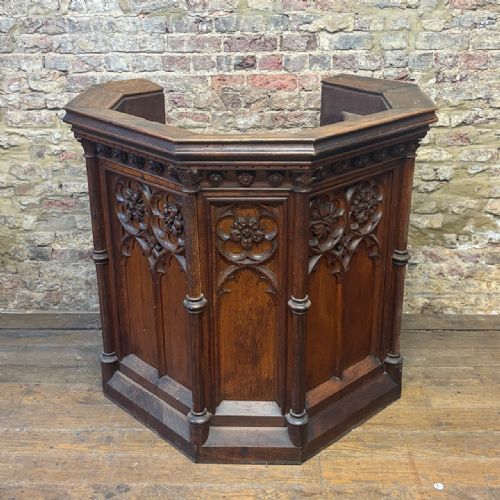
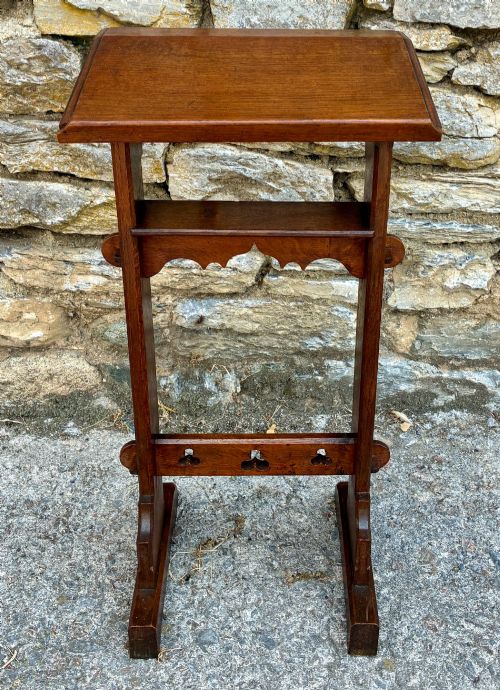
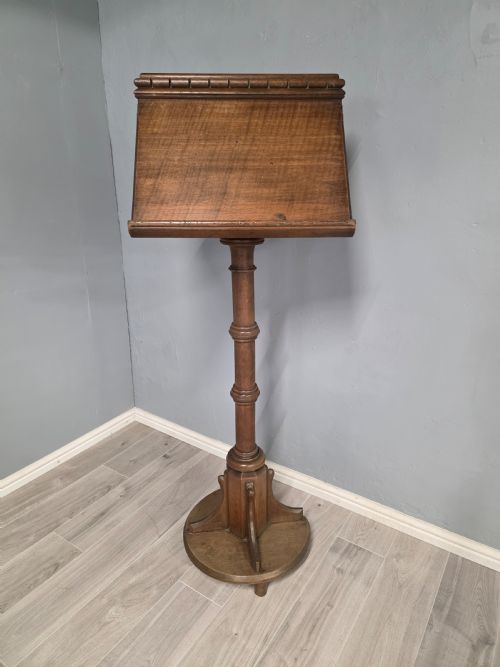
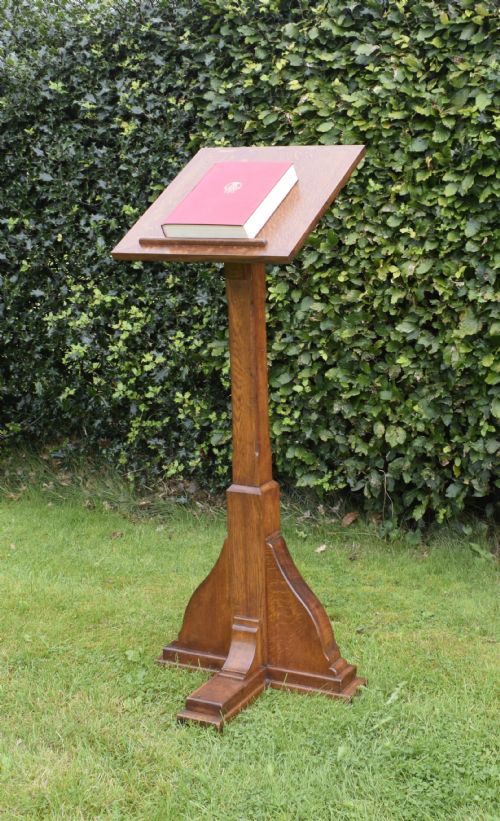
An ecclesiastical oak stand serves devotional or reading purposes, drawing from church furnishings and chapel fittings. When searching for an ecclesiastical oak stand, a buyer encounters church lecterns, prayer desks, reading stands, and book stands.
The pieces on this page span several centuries, reaching from sixteenth-century carvings to Victorian Gothic Revival examples and early twentieth-century designs. Most items date from the nineteenth century and the Victorian period, reflecting the heavy church restoration movement of that era.
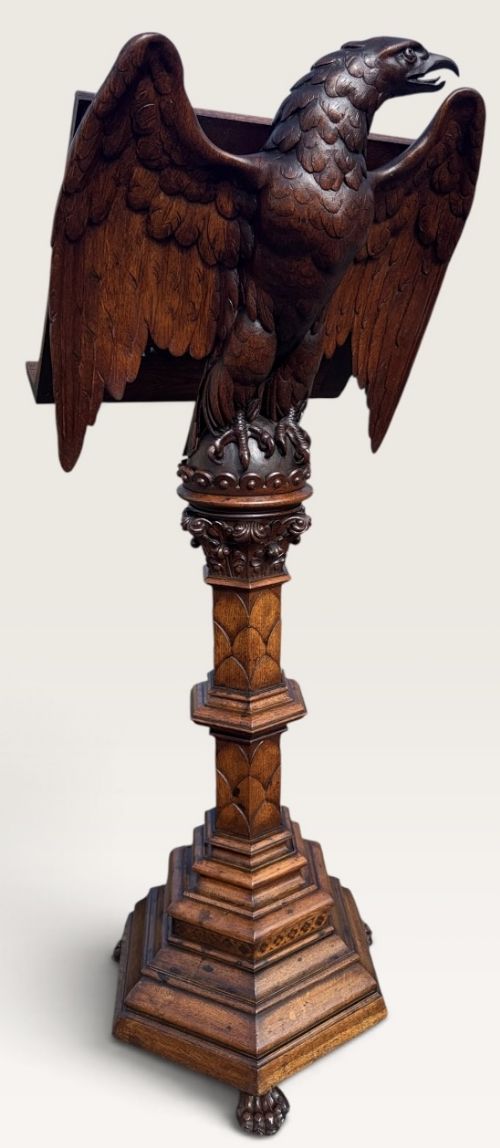
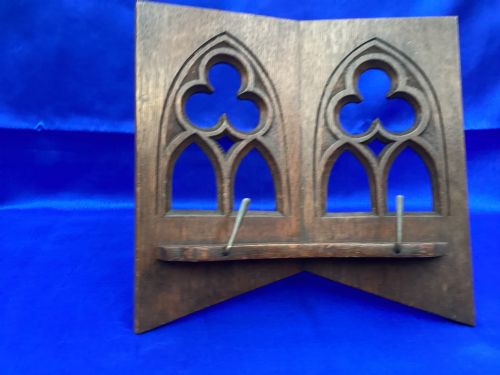
Forms vary from small table-top book rests to tall reading desks and floor-standing lecterns with carved eagles. Alongside oak, makers occasionally integrated pine, brass work, or iron fittings into the structure.
How they were made
Carpenters constructed these stands primarily from solid oak, sometimes combining secondary woods like pine within internal framing or backing boards. Hand-carving defines the decorative surfaces, producing tracery, panels, and figural sculptures.
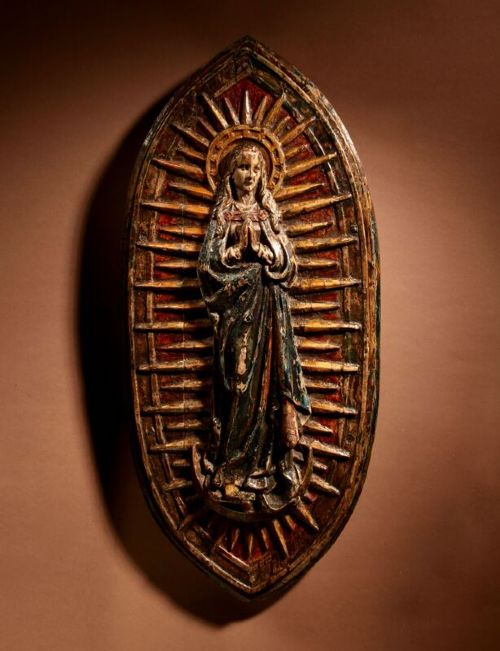
Many items incorporate metal elements, utilising brass for hinges, reading ledges, or candle brackets, alongside iron structural supports. Surface finishes range from polished timber to historic polychrome paint and gold leaf highlights.
Ecclesiastical Oak Stand Retail Price Guide 2026
Typical asking prices for ecclesiastical oak stand among the pieces listed under this phrase on Sellingantiques today, from the lower quarter to the upper quarter. They describe what is for sale here now, not the wider market.
Several stands feature carved wooden eagles with outstretched wings, steadfastly holding up reading ledges for centuries without dropping a single page.
What varies in quality
The depth and sharpness of the hand-carving separate standard utility pieces from exceptional commissions. Crisp undercut foliage, detailed figures, and well-proportioned architectural tracery indicate skilled workshop production.
Material selection and structural integrity also divide the range, as pieces built from dense, quarter-sawn oak retain their joints better than those assembled from mixed or lesser timbers.
The Ecclesiastical Oak Stand Glossary
- Lectern
- A tall desk with a sloping top designed to hold a book for reading aloud in a church or chapel. Most examples in this group feature fixed book rests supported on columns or panelled bases.
- Gothic Revival
- An architectural and decorative style popular during the nineteenth century that revived medieval pointed arches, trefoils, and heavy timber construction. This aesthetic dominates the Victorian church furnishings found here.
- Quarter-sawn oak
- Timber cut radially from the log to produce a distinct medullary ray figure, often called silver grain. This method yields stable boards less prone to warping.
- Polychrome paint
- Decoration applied in multiple colours, frequently found on historic religious wood sculptures and panels. It adds vibrant pigment to carved wooden surfaces.
- Tracery
- Ornamental stonework-style patterns adapted for wood, featuring intersecting ribs and cusps. Carpenters carved these openwork designs into panels and screens.
Ecclesiastical Oak Stand: Frequently Asked Questions
How were these stands used originally?
Originally placed in churches, chapels, and monastic spaces, these stands held heavy service books, Bibles, or prayer texts for clergy and congregations. Some served as pulpits or prayer desks for kneeling worshippers.
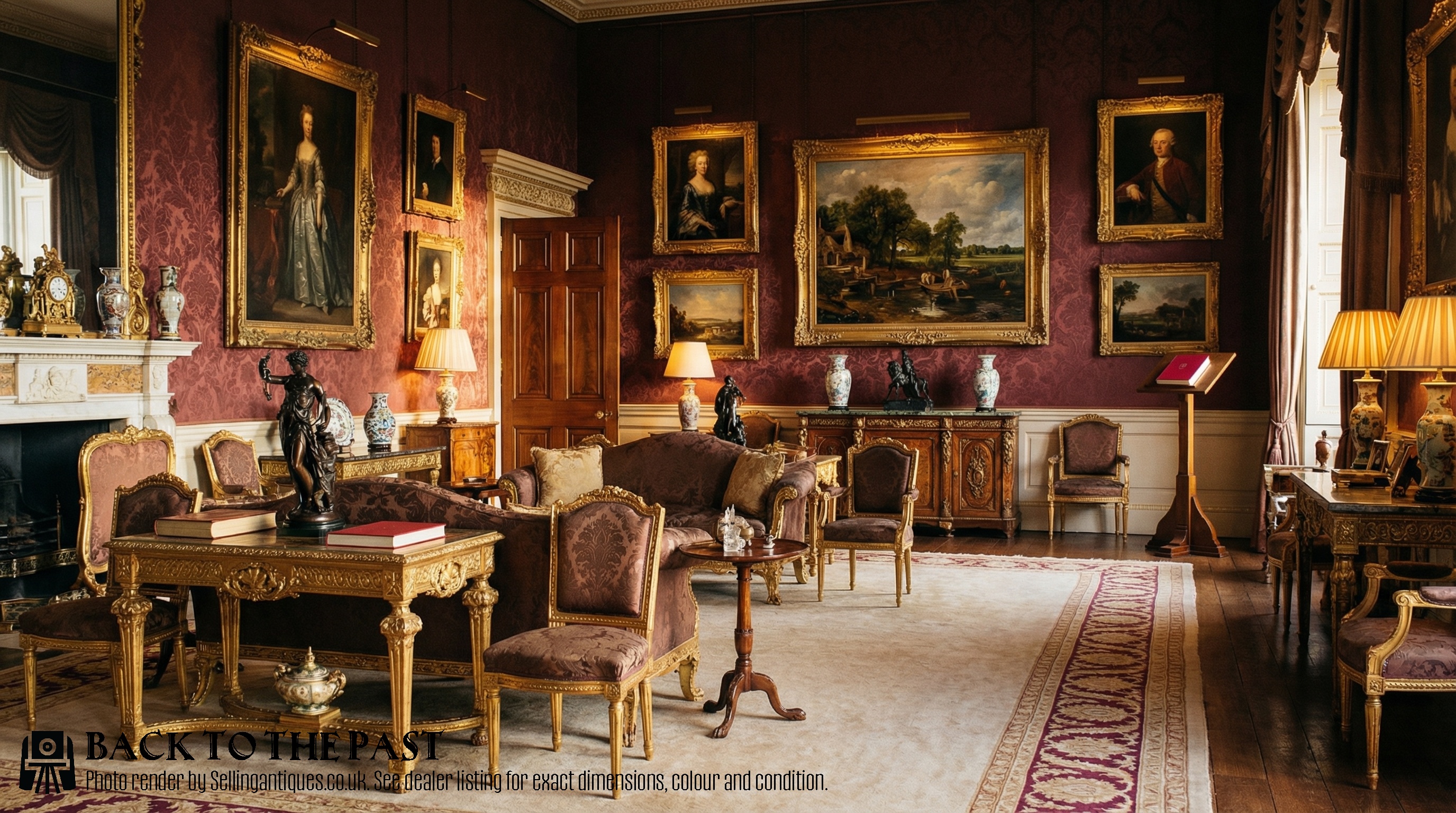
In modern interiors, buyers often repurpose them as book stands, music rests, or display pieces for large volumes.
How do I date a Victorian piece?
Dating a Victorian piece involves examining construction methods, tool marks, and stylistic indicators such as Gothic Revival tracery and heavy turned columns. Victorian church furnishings often display machine-assisted elements alongside hand-carving.
Comparing the timber patination and brass hardware to documented nineteenth-century examples helps confirm the period of manufacture.
Are these stands made entirely of oak?
While oak serves as the primary structural and visible wood, makers occasionally incorporated secondary timbers like pine in concealed areas such as backboards or internal framing. Metal components like brass and iron also appear in hinges, reading ledges, and candle holders.
The dominant material remains solid oak, selected for its durability and traditional association with ecclesiastical interiors.