





Antique Wooden Podium
An antique wooden podium brings historic presence and architectural gravity to any room, offering a stately platform for reading and speaking.
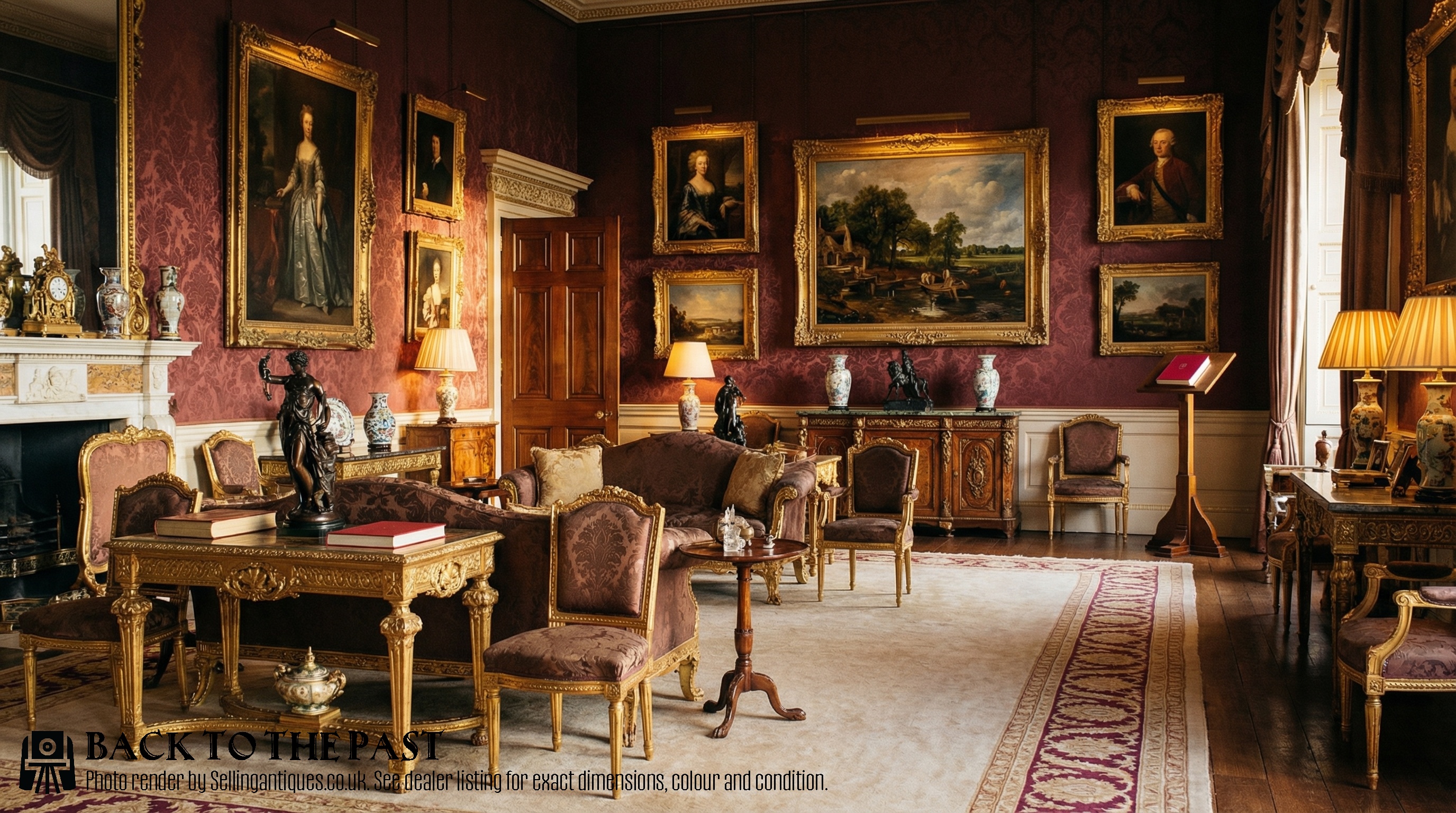
Antique Wooden Podium
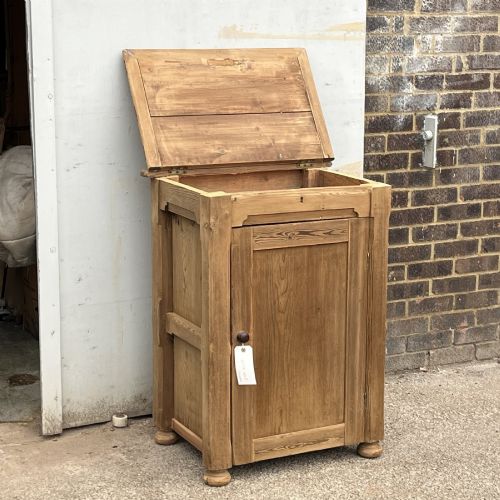
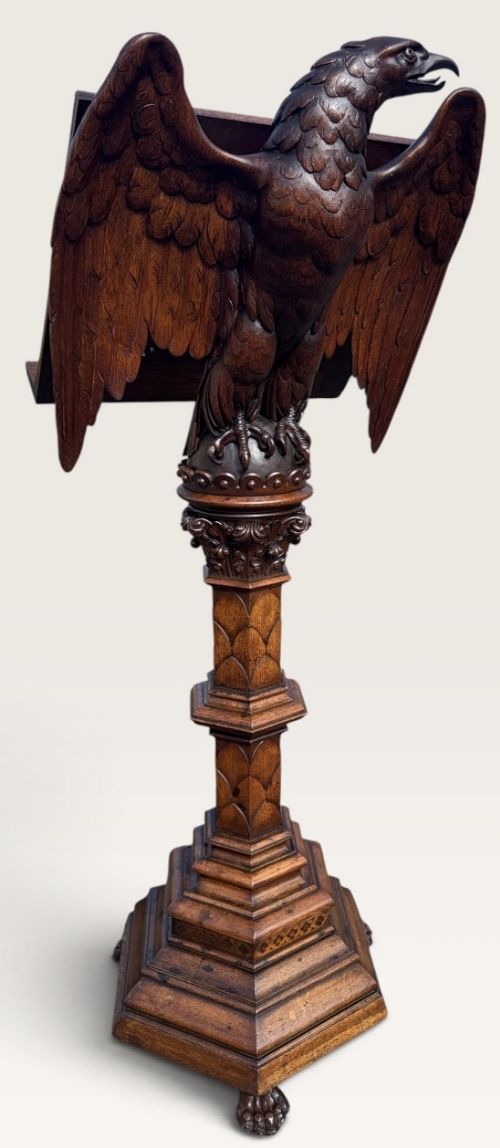
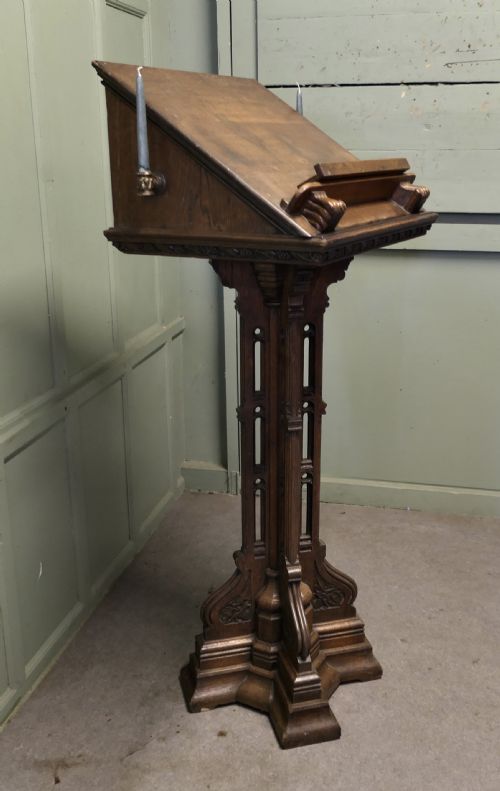
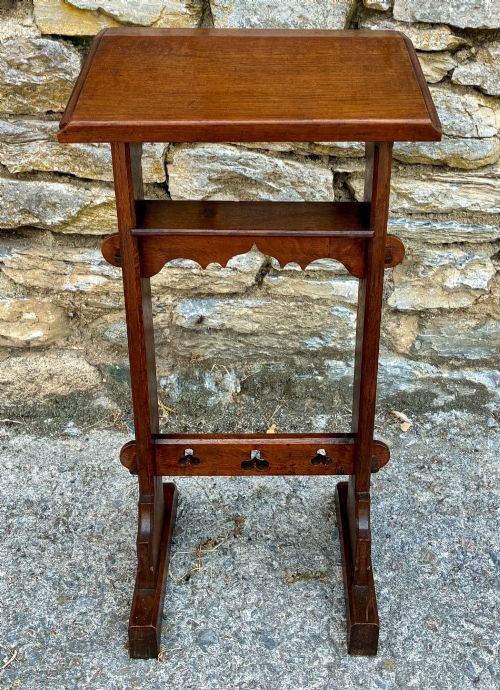
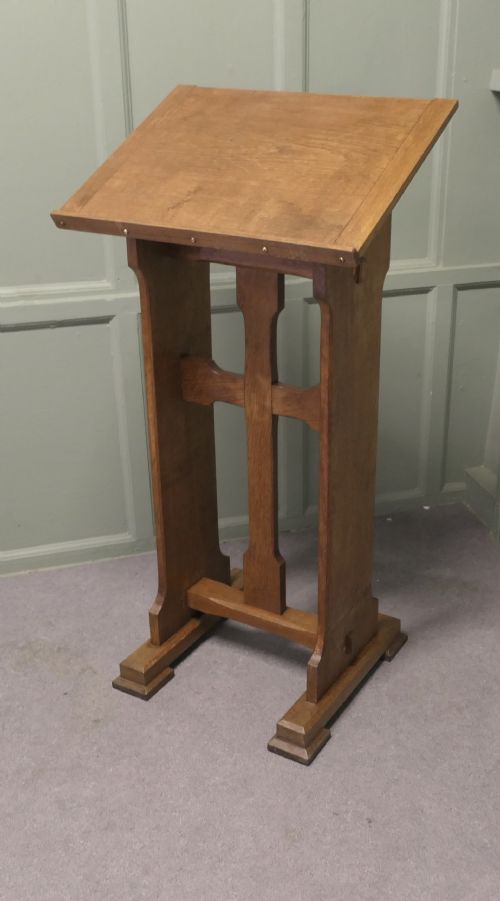
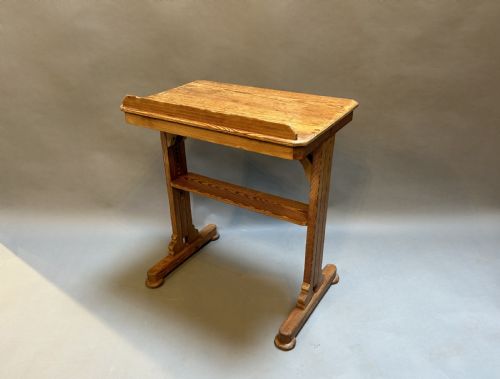
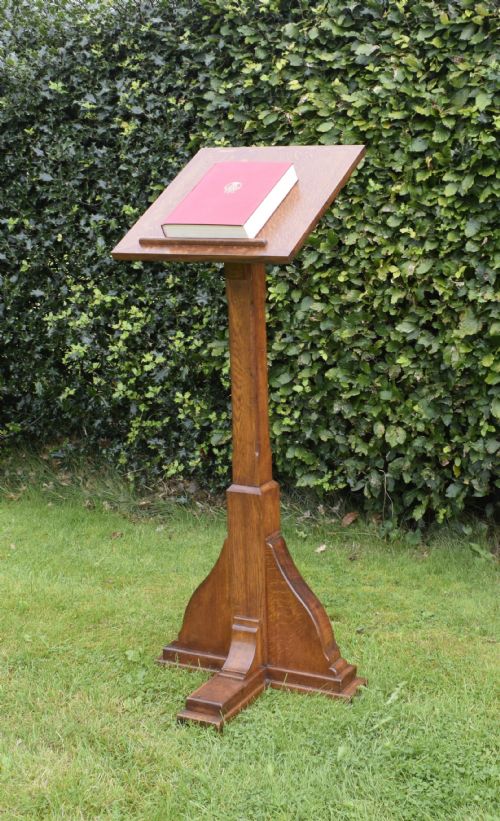
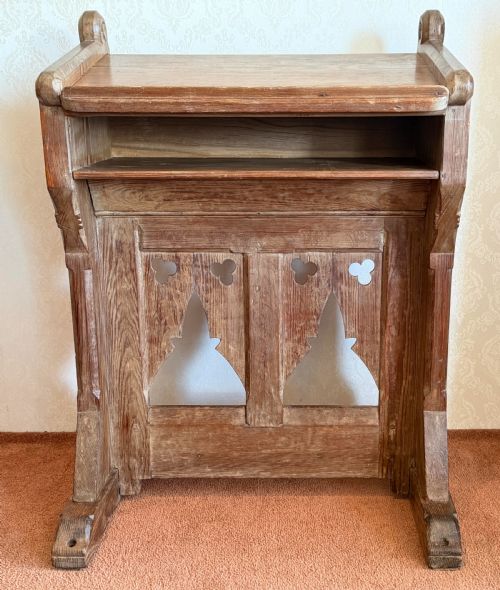
When you search for an antique wooden podium, you encounter pieces primarily designed for reading, lecturing, and reception use across the nineteenth and early twentieth centuries. These functional items encompass church lecterns, reading stands, music stands, and restaurant reception greeters from periods such as the Victorian era, the Edwardian period, and the early twentieth century.
Oak forms the backbone of these pieces, alongside pine, walnut, and occasional brass work or iron details, appearing in styles ranging from Gothic Revival and Arts and Crafts to straightforward Victorian utility. The forms vary from small church lecterns and adjustable reading tables to solid reception stations equipped with integrated lighting.
How they were made
Construction relies heavily on solid hardwoods like oak and walnut, alongside resilient pine for utility and church furniture. Joinery employs traditional framing methods designed to support heavy books and daily standing use.
Surface treatment frequently involves hand carving, particularly in Gothic Revival and Arts and Crafts examples, which display detailed ornamentation. Functional metal components such as brass work and iron hardware provide adjustment mechanisms for reading heights and angles.
Antique Wooden Podium Retail Price Guide 2026
Typical asking prices for wooden podium among the pieces listed under this phrase on Sellingantiques today, from the lower quarter to the upper quarter. They describe what is for sale here now, not the wider market.
The functional forms span church lecterns, restaurant reception greeter stations, and fully adjustable music stands.
What varies in quality
Distinction across the range lies in the depth of hand carving and the integrity of the timber used in construction. Fully adjustable stands with original brass work and solid oak frames represent higher tiers of craftsmanship compared to simpler pine utility pieces.
The sophistication of the design dictates overall value, separating utilitarian church lecterns from decorative Arts and Crafts reception stations and intricate Gothic Revival reading stands.
The Antique Wooden Podium Glossary
- Lectern
- A tall stand with a sloping top to hold a book or notes for someone reading aloud. These often feature adjustable heights and reading ledges.
- Gothic Revival
- An architectural and decorative style drawing on medieval forms, featuring pointed arches and heavy carved ornamentation. This aesthetic appears frequently on nineteenth-century church podiums.
- Arts and Crafts
- A design movement valuing traditional craftsmanship, simple forms, and visible construction methods. Pieces in this style often utilise golden oak and honest joinery.
- Adjustable
- Capable of being altered in height or reading angle through mechanical pivots or screw mechanisms. Many nineteenth-century reading stands utilise brass and iron for these moving parts.
Antique Wooden Podium: Frequently Asked Questions
What is an antique wooden podium used for?
These pieces function primarily as elevated surfaces for holding books, notes, or menus during reading or public speaking. Historically utilised in churches, schools, and domestic libraries, modern examples often serve as distinctive reception desks or restaurant greeter stations.
Their sturdy construction and adjustable reading ledges make them practical for displaying large volumes or organising presentation materials while adding architectural character to a space.
How do I date an antique wooden podium?
Dating relies on examining the timber species, construction joinery, and stylistic markers such as Gothic Revival motifs or Arts and Crafts simplicity. Nineteenth-century examples often feature hand carving and heavy oak framing, while early twentieth-century pieces lean towards utilitarian pine or simpler adjustable mechanisms.
Hardware details, including brass work and iron adjustments, also help anchor a piece to specific periods like the Victorian era or the Edwardian decades.
Where should I place a wooden podium at home?
A podium works well in a home study, library, or hallway as a statement piece that holds open reference books or acts as a compact standing desk. Their vertical presence suits empty corners or focal points where traditional furniture adds depth.
Reception-style stations and greeter desks also function effectively in larger entranceways or living spaces for organising daily post and stationery.
Are these podiums adjustable for reading?
Many of the reading stands and music stands in this category feature mechanical adjustments for height and tabletop angle. These mechanisms usually incorporate brass or iron hardware to secure the moving wooden components.
Buyers should examine the specific listing details to confirm whether a particular lectern or reading table offers full adjustability.