

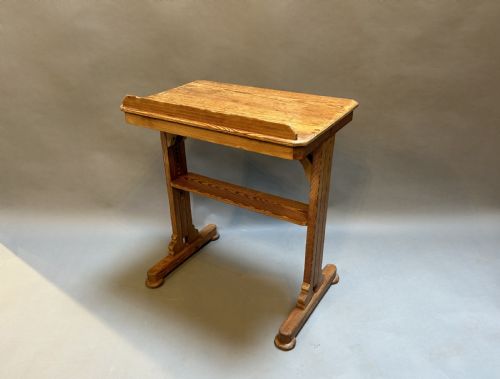
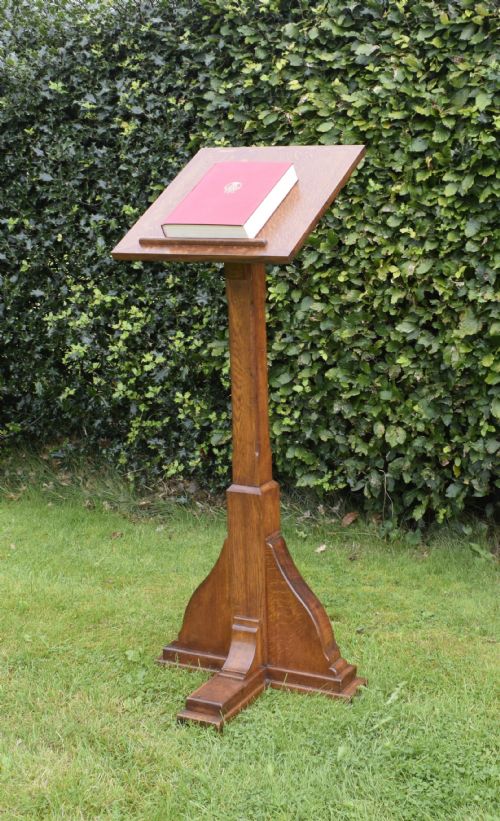

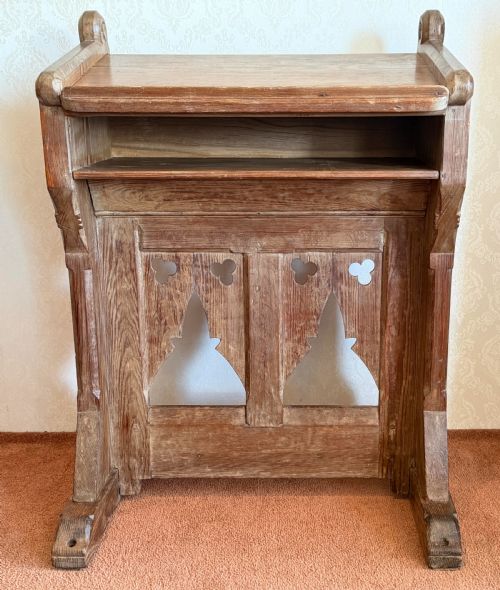


Church Reading Podium
A church reading podium brings gravitas to any room, offering a commanding wooden stand built for public address or quiet study.
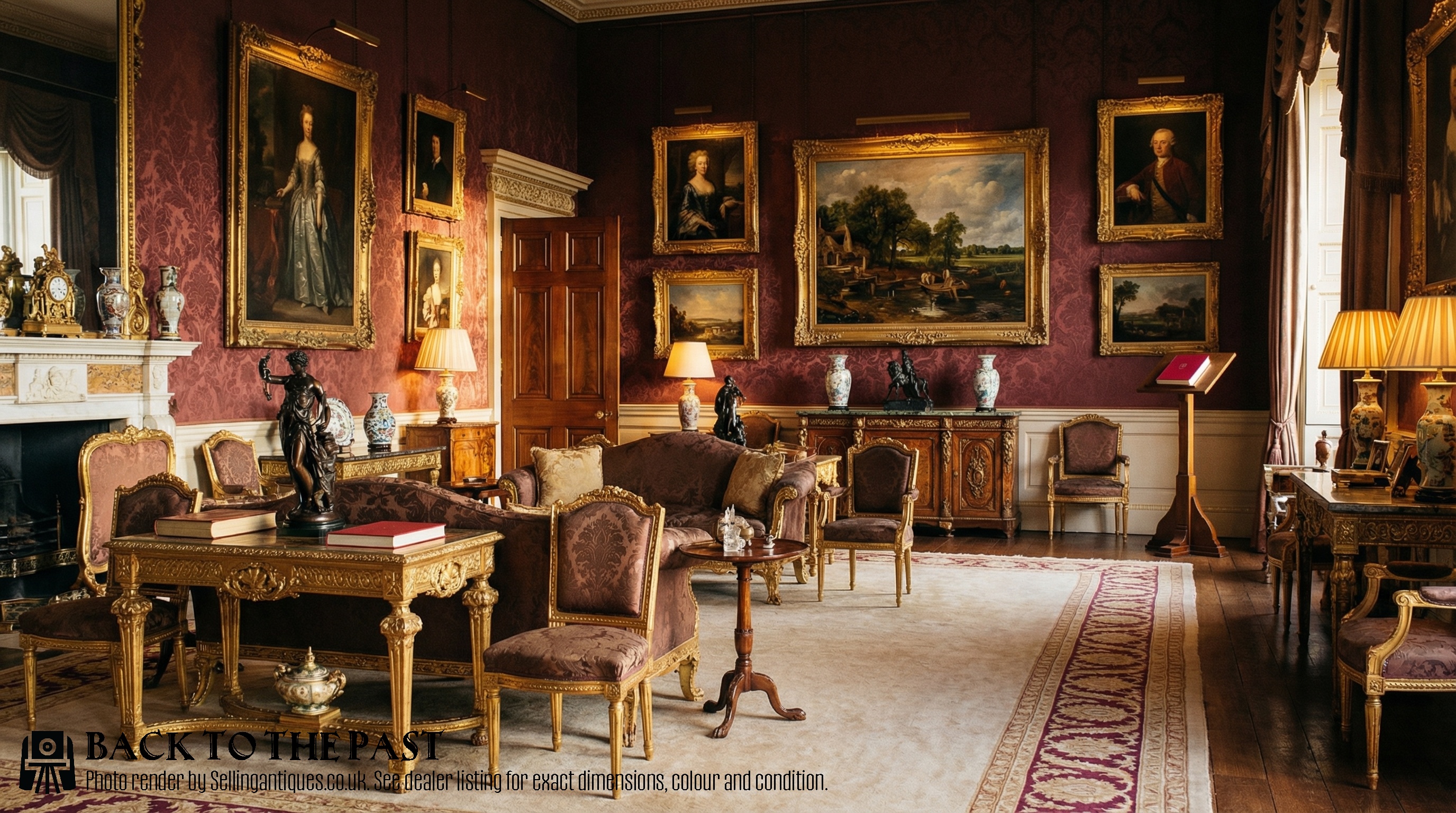
Church Reading Podium
A church reading podium search leads you to sturdy wooden lecterns and reading stands designed for holding books and notes. These pieces trace their origins to the nineteenth century, the Edwardian period, and the 1930s, reflecting practical ecclesiastical and domestic use.
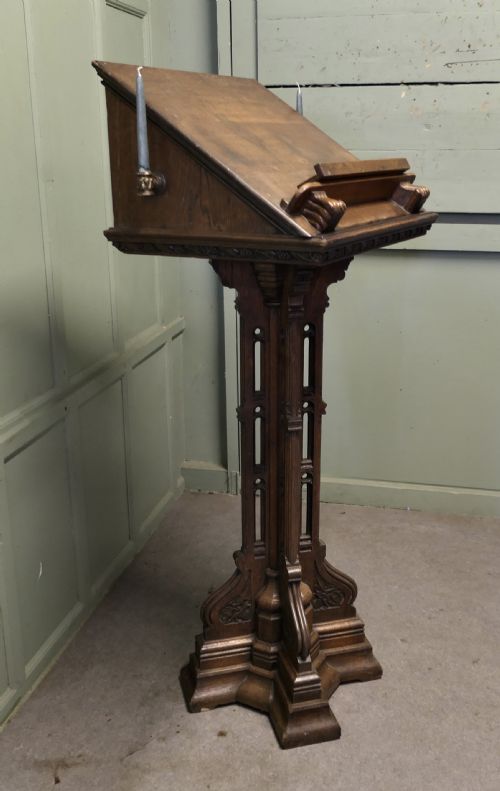
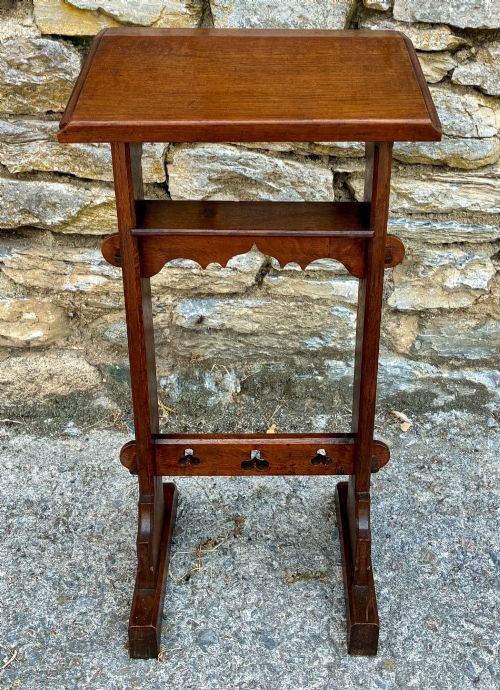
You are most likely to encounter oak and pine examples on this page, often showing the heavy influence of the Gothic Revival or Arts and Crafts styles. They range from small table variants to large carved lecterns.
The objects serve as functional reading desks and greeting stations, combining architectural presence with solid timber construction.
How they were made
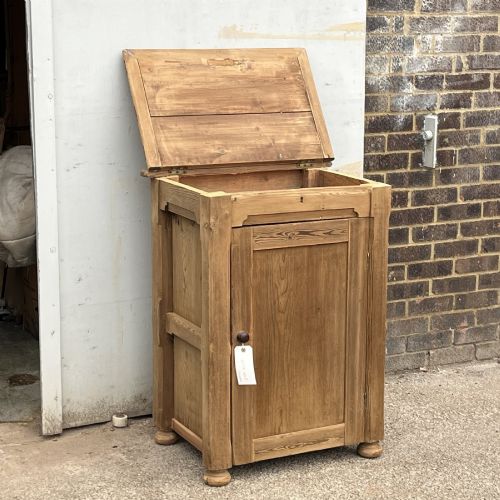
These items are constructed predominantly from solid oak and pine, reflecting the robust joinery demands of ecclesiastical furniture. Makers selected timber for strength and durability, often employing straightforward panel and frame construction methods.
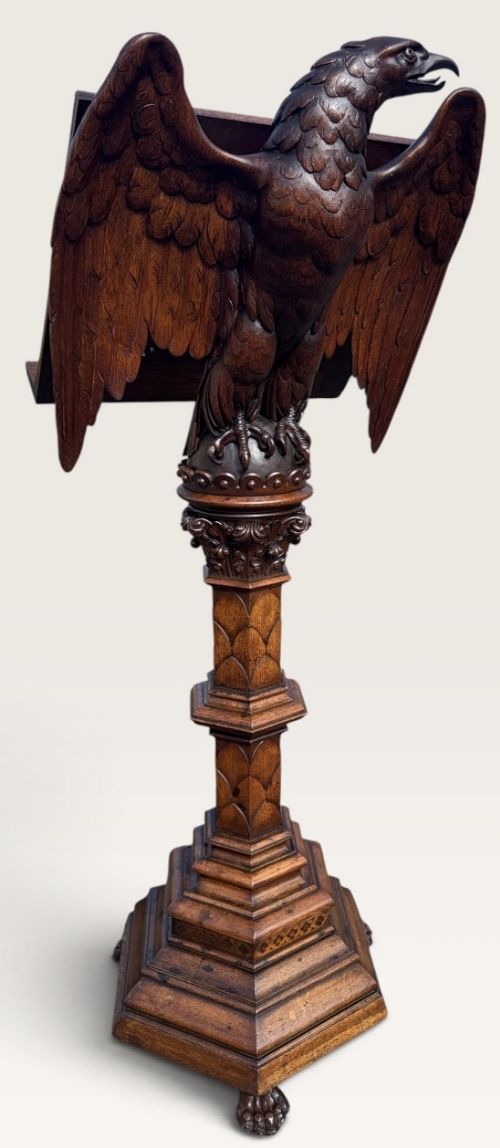
Surface decoration frequently includes hand carving, particularly within the Gothic Revival and Victorian traditions, alongside utilitarian Edwardian designs. Selected examples incorporate functional brass work to secure or accent the reading surface.
Church Reading Podium Retail Price Guide 2026
Typical asking prices for church reading podium among the pieces listed under this phrase on Sellingantiques today, from the lower quarter to the upper quarter. They describe what is for sale here now, not the wider market.
The documented styles include Victorian, Gothic Revival, Edwardian Utility, and Arts and Crafts.
What varies in quality
The standard of carving and the ambition of the design separate simpler utility pieces from elaborate focal points. Depth of relief work and sculptural detail, such as carved eagles or gothic tracery, distinguish finer examples.
The choice of primary timber and the integrity of the original joints dictate the overall structural caliber of each reading stand. Well-preserved surfaces retain their authentic grain and patination without excessive modern intervention.
The Church Reading Podium Glossary
- Lectern
- A tall stand with a sloping desk designed to hold a book or notes for a speaker to read from. These often feature an inclined top for easy visibility.
- Gothic Revival
- An architectural and decorative style popular in the nineteenth century that mimics medieval pointed arches and structural motifs. It appears frequently in church furniture.
- Arts and Crafts
- A design movement prioritising traditional craftsmanship and simple forms over mass production. Pieces from this tradition emphasise honest construction.
- Pine
- A softwood commonly utilised for utilitarian church and institutional furniture due to its availability and workability. It offers a lighter aesthetic than hardwood.
Church Reading Podium: Frequently Asked Questions
What is a church reading podium used for?
These stands provide a raised, inclined surface for resting heavy books, menus, or reading materials during speeches and services.
They function equally well as standalone reading desks or greeting stations in modern interiors.
How do I date an antique lectern?
Dating relies on examining the timber species, construction joints, and stylistic markers such as Gothic Revival carvings or Edwardian utility lines.
Nineteenth-century examples often feature heavier oak and hand-carved details, while later pieces show simpler construction.
Are these lecterns suitable for daily home use?
Their sturdy timber construction makes them practical for holding open books, recipe binders, or laptops in a study.
The sloping top provides an ergonomic angle for reading over extended periods.
What woods were used for these stands?
Makers primarily utilised oak and pine, sometimes complemented by brass hardware for structural or decorative effect.
Oak provides a darker, heavier presence, whereas pine offers a paler, more utilitarian appearance.