
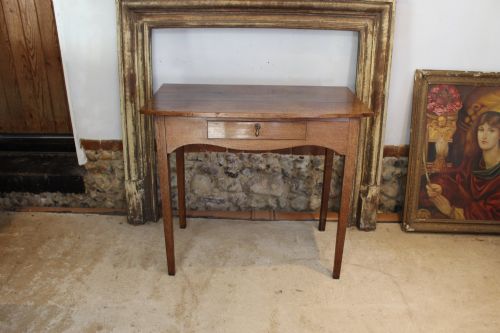
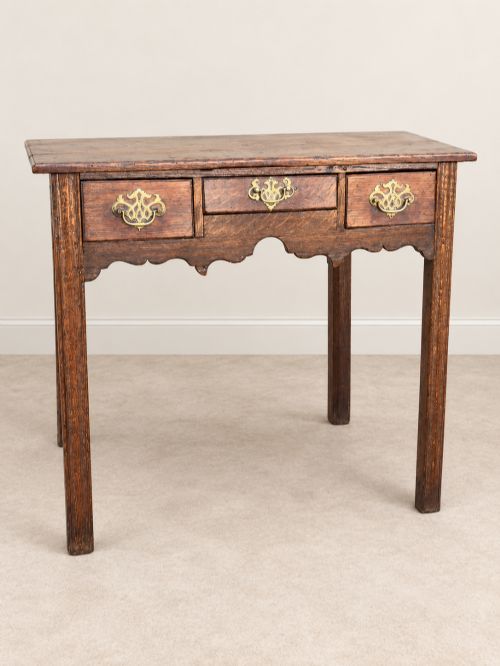
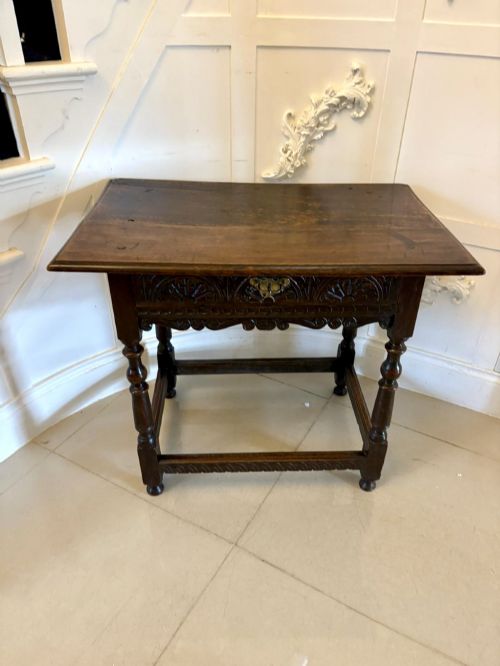
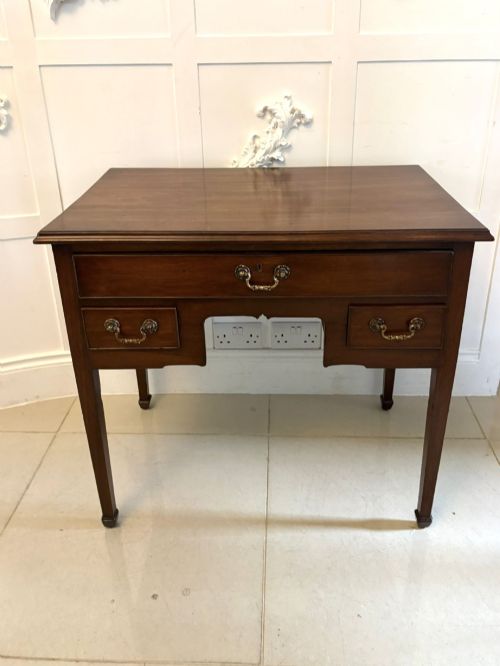
Brown Oak Lowboy Table
These brown oak lowboy table pieces offer practical surface space and traditional timber character for everyday interior schemes.
Brown Oak Lowboy Table
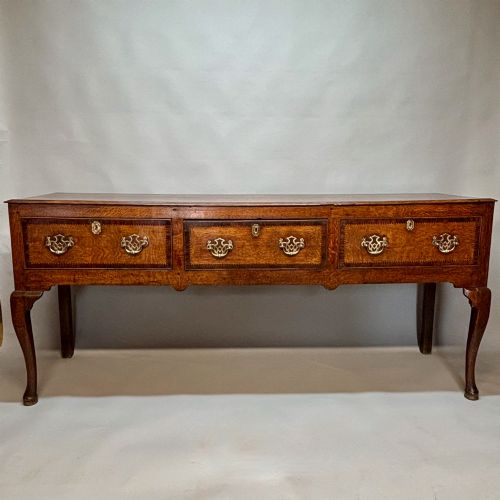
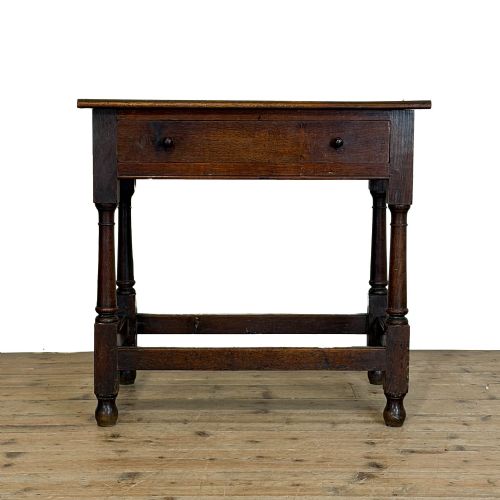
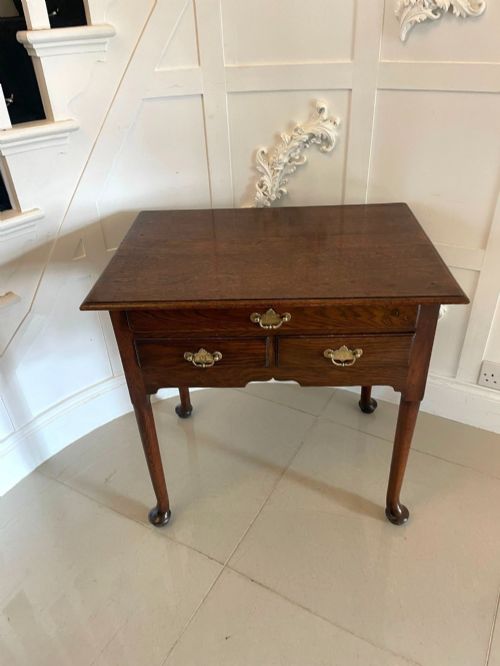
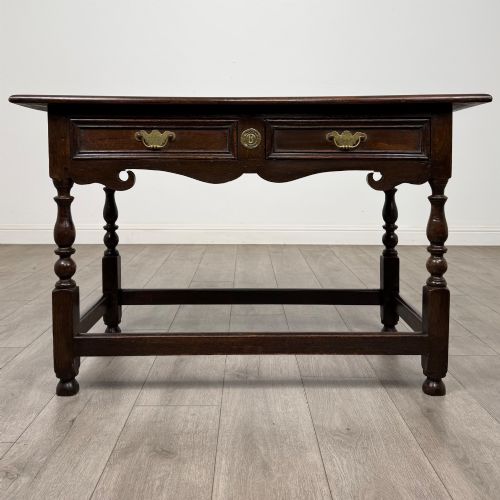
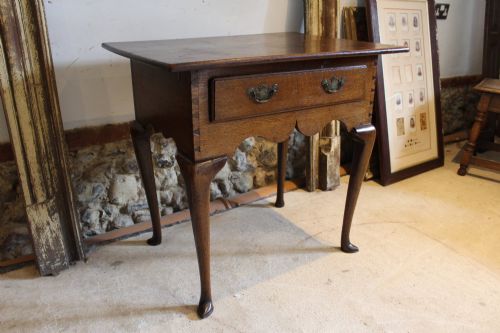
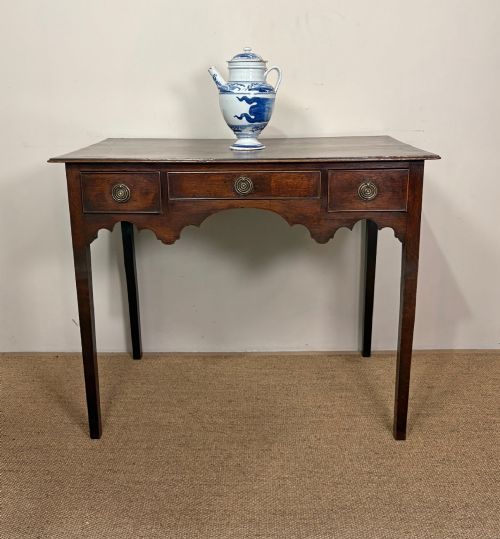
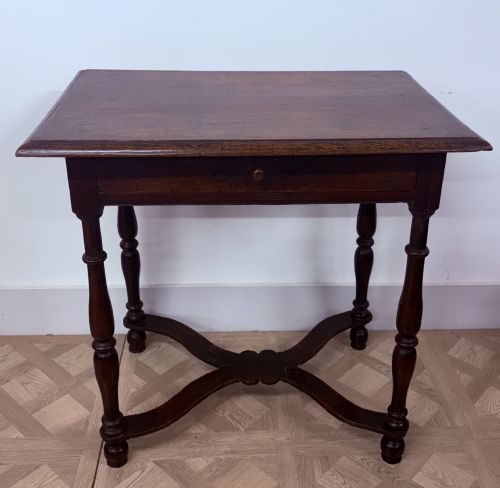
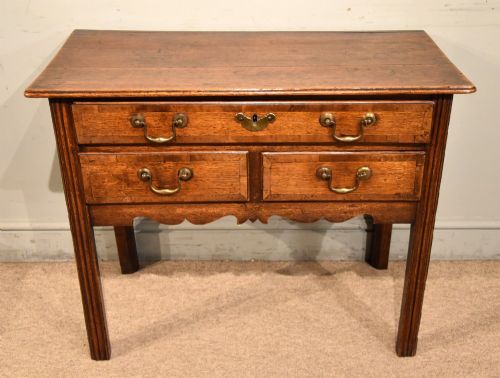
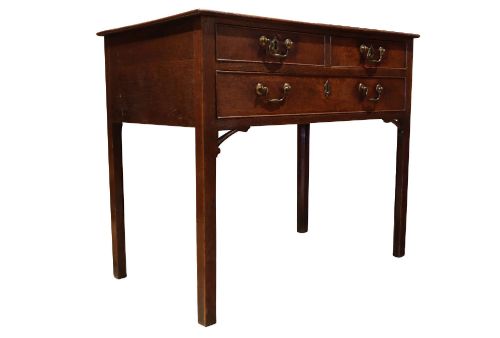
A brown oak lowboy table is a low side table typically fitted with one or multiple drawers, designed for domestic use across centuries of British cabinet making. When you search for this phrase, you encounter low-standing tables spanning periods from the late seventeenth century through the Georgian era and into later revival styles.
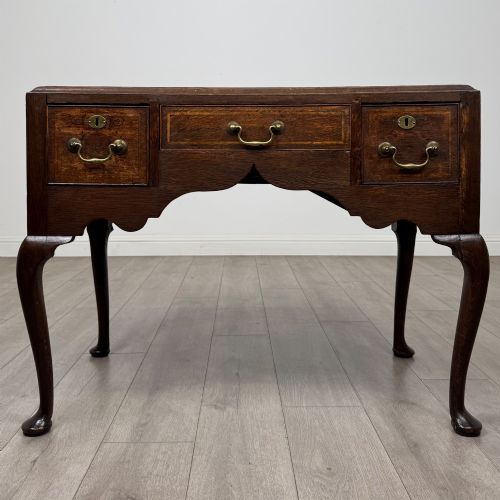
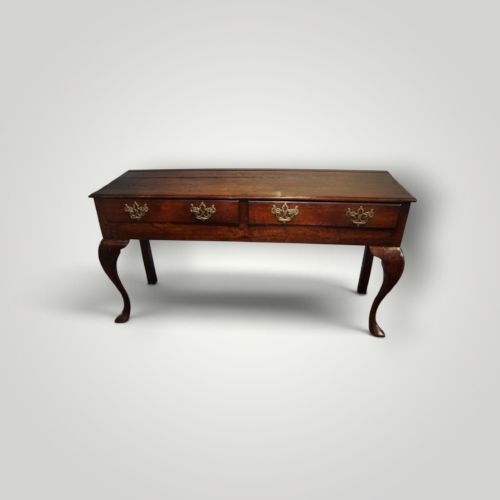
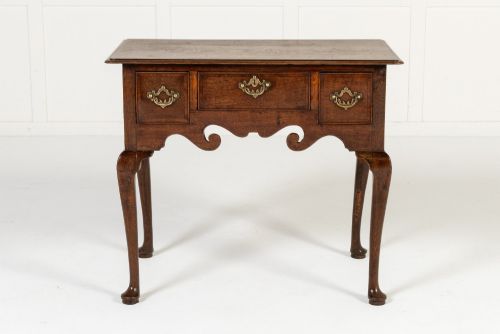
The versions most common in these listings include eighteenth-century Georgian designs alongside earlier William and Mary forms and regional English country pieces. Makers constructed these items primarily as side tables or dressing tables, frequently incorporating cabriole legs or straight supports.
Alongside standard lowboys, the selection incorporates related forms such as dresser bases and narrow side tables sharing similar proportions and timber construction. These pieces function well in halls, living rooms, and bedrooms where compact storage and surface utility matter.
What varies in quality
The standard of a brown oak lowboy table rests upon the crispness of its joinery, the figuring of the timber grain, and the integrity of its structure. Pieces exhibiting refined leg profiles, such as well-shaped cabriole supports, demonstrate greater initial craftsmanship than plain vernacular counterparts.
Surface patination and the retention of original timber colour significantly influence the character of each piece. Tables that maintain their early hardware and untouched polish display a visual depth absent in examples altered by heavy restoration.
Materials documented across the available pieces include oak, walnut, mahogany, fruitwood, brass, and iron.
The Brown Oak Lowboy Table Glossary
- Lowboy
- A small table with drawers, standing on relatively short legs, typically used as a dressing table or side table in domestic interiors.
- Cabriole leg
- A furniture leg that curves out and then in, resembling the leg of an animal, common on pieces from the eighteenth century.
- Dresser base
- A lower sideboard unit featuring drawers and sometimes cupboards, sharing construction techniques and timber palettes with lowboys.
- Geometric moulding
- Raised wooden detailing applied in geometric patterns to drawer fronts or frames, characteristic of late seventeenth-century cabinet work.
Brown Oak Lowboy Table: Frequently Asked Questions
What is a lowboy used for?
These tables served historically as compact surfaces for personal grooming, writing, or general storage in domestic chambers and living spaces.
Today, buyers utilise them as lamp tables, hallway surfaces, or small desks where space is limited.
How do I date an oak lowboy?
Dating relies on observing construction methods, timber choice, leg profiles, and hardware styles relative to known periods like the Georgian era.
Earlier pieces often feature geometric mouldings and turned supports, whereas mid-eighteenth-century examples frequently display cabriole legs and shaped aprons.
Are these tables made of solid oak?
Most examples utilise solid oak for their primary surfaces, frames, and structural components, reflecting the dominant timber traditions of English country workshops.
Some variations incorporate secondary woods or decorative veneers such as walnut on specific drawer fronts.
How do I place a lowboy in a modern room?
Their compact proportions allow them to fit easily into narrow hallways, alcoves, or behind seating arrangements without dominating the floor plan.
The warm tones of the timber complement both traditional interiors and contemporary minimalist schemes.