

Brown Oak Kitchen Table
A brown oak kitchen table brings deep character and rich natural grain to any dining space, offering a robust centrepiece built for daily family life.

Understanding the brown oak kitchen table
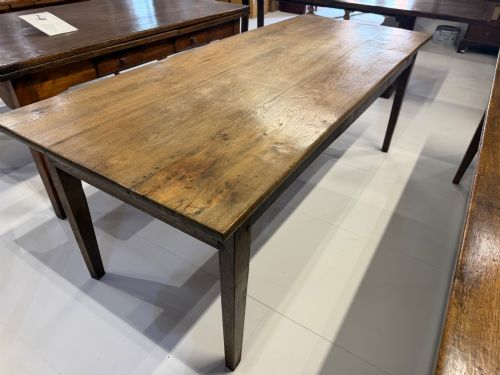
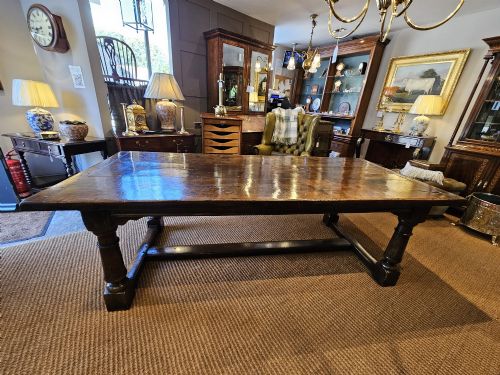
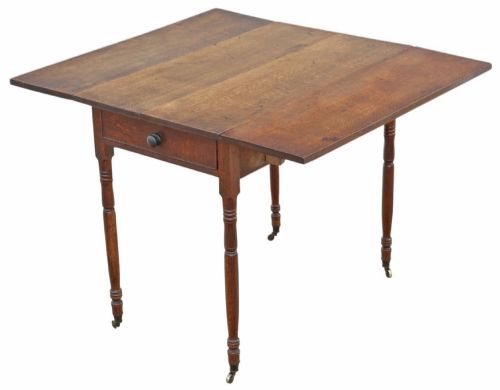
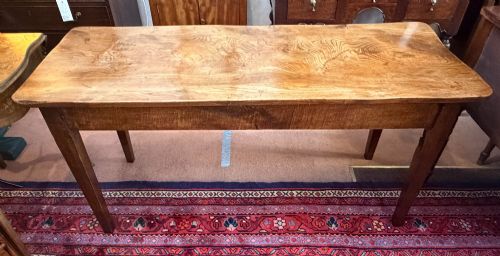
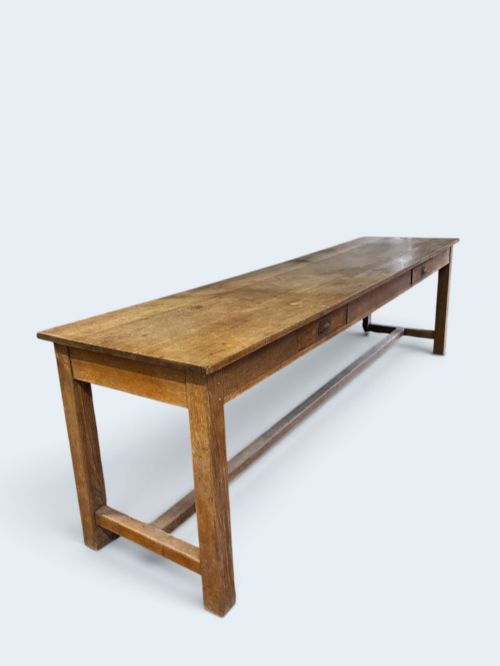
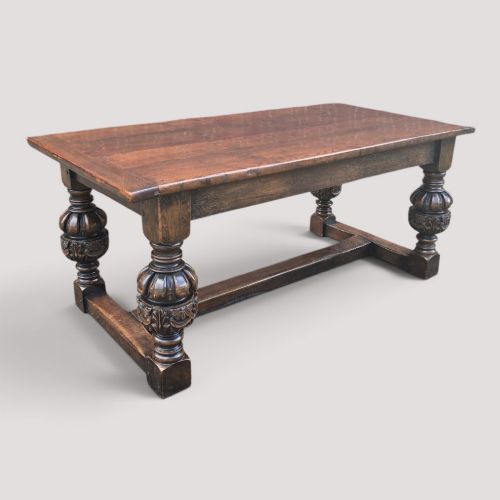
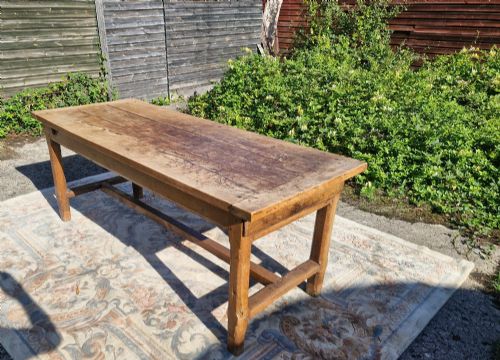
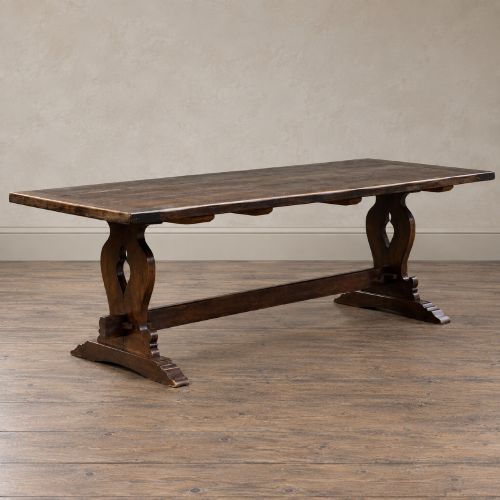
A brown oak kitchen table represents a sturdy dining surface grounded in traditional English farmhouse and refectory forms. When searching for a brown oak kitchen table, buyers encounter substantial timber designs originating from the Georgian period through to the early decades of the twentieth century. These pieces draw heavily on historical styles, including Jacobean Revival and Elizabethan influences, creating a commanding presence in domestic spaces.
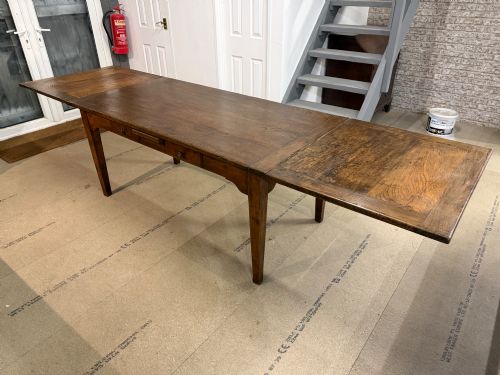
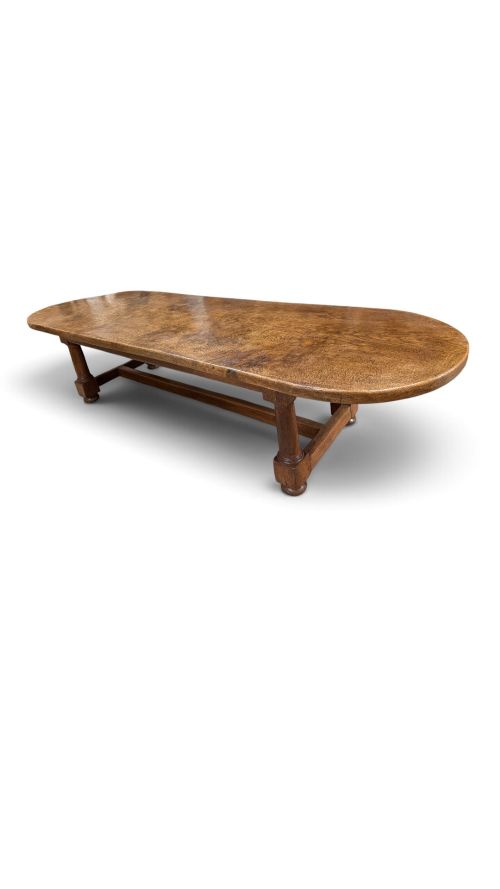
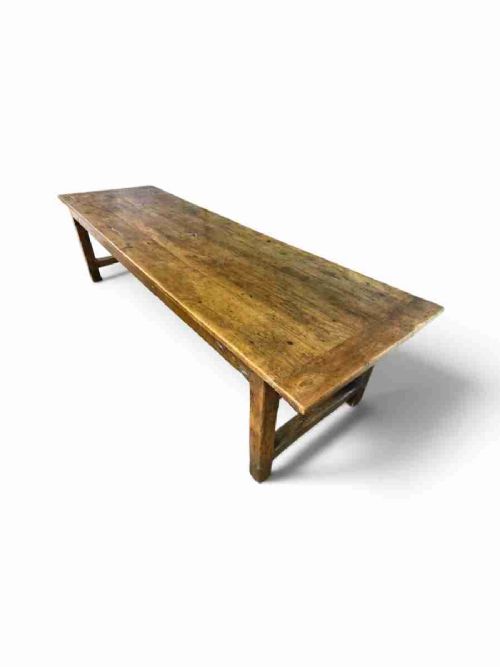
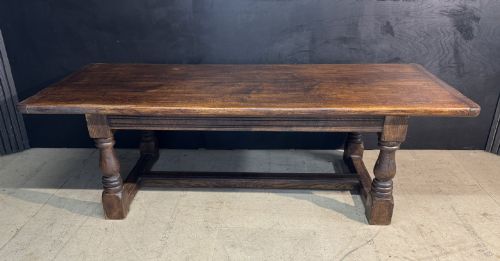
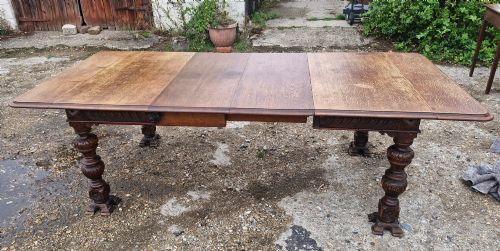
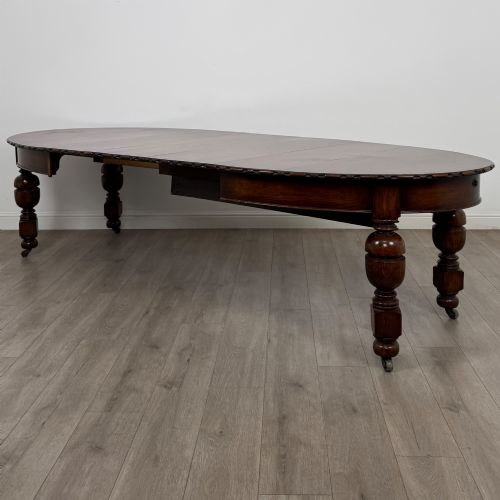
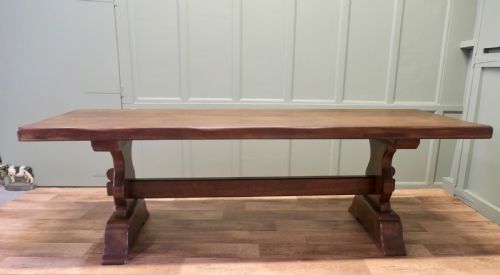
The dominant configurations on this page include long refectory tables with thick plank tops and clever extending formats such as the draw leaf design. Such tables were historically built to accommodate large gatherings, making them exceptionally practical for modern kitchens and dining rooms. The timber displays the distinctive darker tones and varied figuration characteristic of mature English oak.
Most examples favour rustic farmhouse and English country aesthetics, prioritising utility and enduring construction over delicate ornamentation. These sturdy boards and heavy frames show how domestic furniture evolved to handle vigorous everyday use while maintaining a distinct regional charm. Selecting one of these tables connects contemporary interiors directly to centuries of woodworking heritage.
Materials and construction
Construction relies entirely on solid oak, selected for its density, durability, and prominent grain pattern. Joinery methods reflect traditional cabinetmaking, utilising sturdy stretcher bases, heavy legs, and thick timber planks secured to withstand heavy loads.
Extending mechanisms on pieces like the draw leaf table demonstrate clever mechanical ingenuity from the early twentieth century. These systems allow the end leaves to slide smoothly beneath the main top, maintaining structural integrity whether the table is closed or fully expanded.
Retail Price Guide 2026
Typical UK retail prices for brown oak kitchen table, calculated from the Sellingantiques database of over a million retail prices indexed since 2003. This retail price guide relies exclusively on Sellingantiques data; no external sources or auction records are used, so the figures do not describe the wider market.
Listings span the Georgian period through to the 1930s, featuring exclusively oak materials fashioned into traditional dining tables.
Assessing quality and craftsmanship
Quality in these tables rests in the selection of the timber and the integrity of the underlying frame. Superior examples feature well-matched oak planks with harmonious grain movement across the top, alongside stable stretcher bases that prevent any lateral wobble during use.
The distinction between standard period style reproductions and older originals lies in the depth of patina and the integration of the hardware. Tables with genuine age exhibit honest wear and a rich surface texture that cannot be artificially replicated, whereas later revival pieces rely on stylistic mimicry rather than historic build methods.
The Brown Oak Kitchen Table Glossary
- Refectory table
- A long, narrow dining table traditionally used in monasteries and large country houses. These feature prominent stretchers running near the floor to stabilise the heavy legs.
- Draw leaf table
- An extending dining table with two sliding leaves stored beneath the main surface. Pulling these leaves out increases the overall length without removing the central top.
- Plank top
- A table surface constructed from several wide boards laid side by side. This method showcases the natural grain and growth rings of mature timber.
- Jacobean Revival
- A nineteenth and early twentieth century style imitating early seventeenth century English furniture. It employs heavy proportions, dark finishes, and geometric turnings.
Frequently Asked Questions
How do I maintain an oak table?
Solid oak surfaces require regular cleaning with a damp cloth and occasional application of natural wax to nourish the grain. Avoiding excessive moisture and heat will preserve the finish.
Over decades, treating the timber gently allows the natural patina to deepen gracefully through everyday family use.
Are these tables suitable for daily use?
These robust oak tables were originally built to serve as functional work surfaces and dining hubs in busy households. Their heavy construction easily handles the demands of modern family life.
Routine bumps and marks only add to the rich historical character already present in the timber.
How can I tell the period?
Dating relies on examining the joinery marks, the type of hardware used, and the overall style of the legs and stretchers. Georgian pieces show older hand tool methods, while twentieth-century revival tables often incorporate mechanical extensions.
Comparing the timber shrinkage and surface wear helps confirm the age of the structure.
What is a refectory table?
A refectory table is a long, narrow dining format designed historically for communal dining halls. The addition of low stretchers provides vital rigidity to support the long span.
This form remains popular today for accommodating large groups comfortably in spacious kitchens.