

Brown Oak Kitchen Chairs
Brown oak kitchen chairs are sturdy country seats built for daily use, offering robust construction and warm timber tones that ground a dining space.
Brown Oak Kitchen Chairs
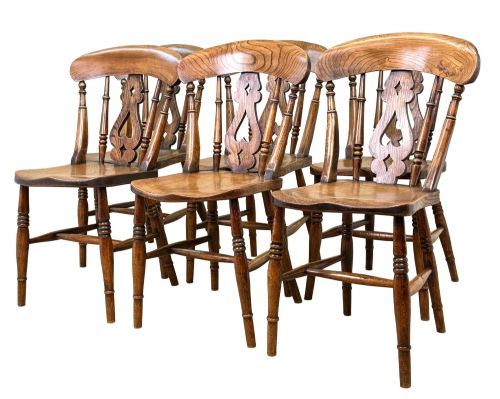
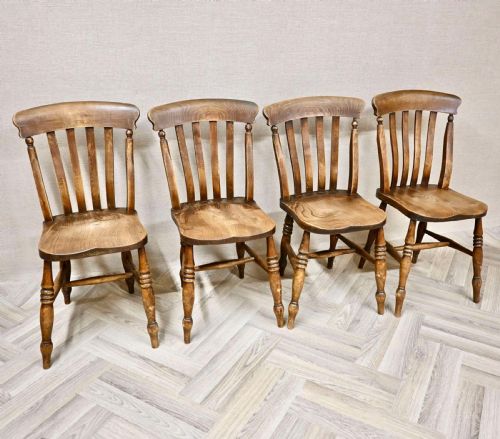
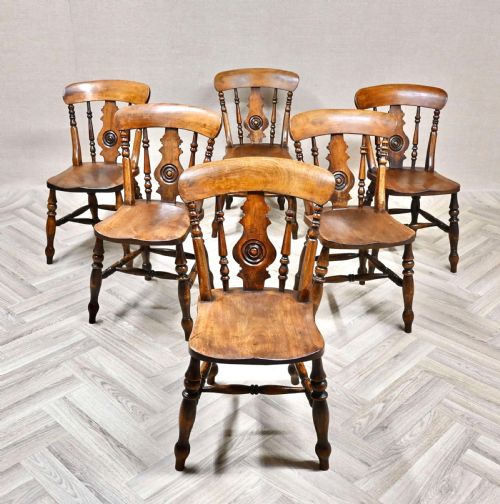
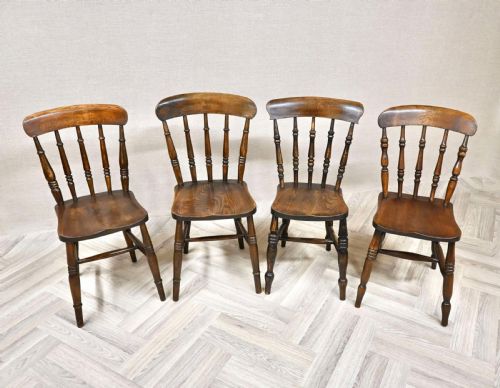
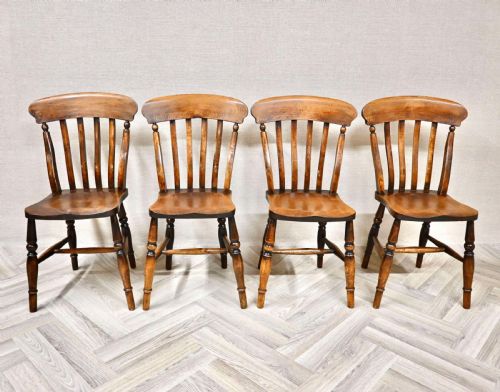
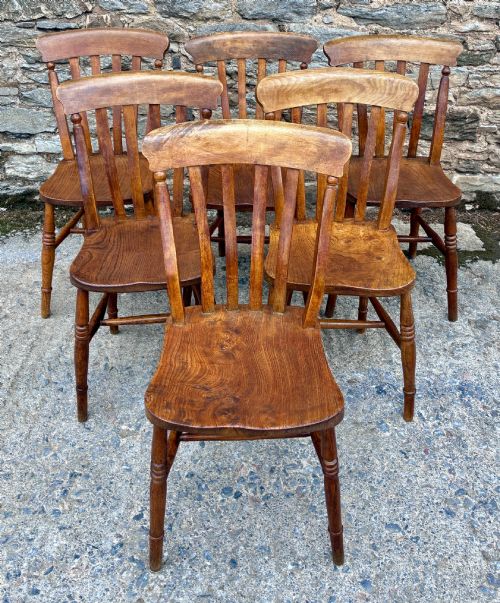
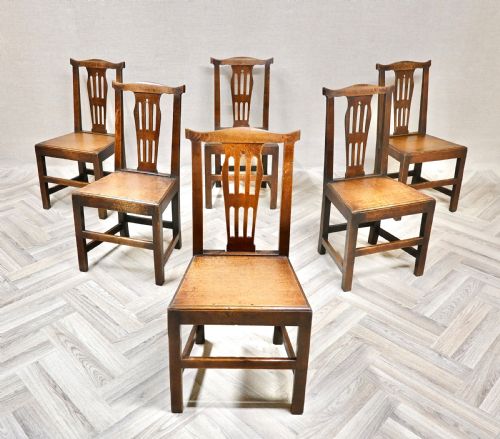
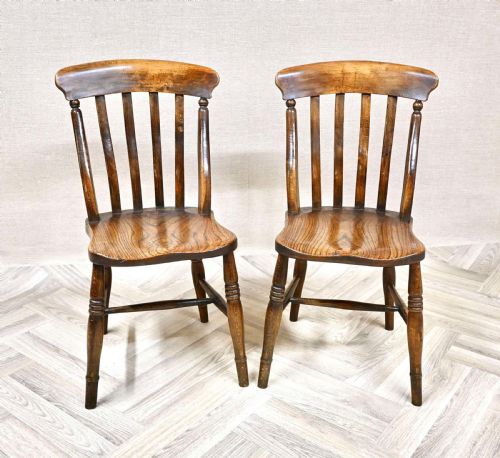
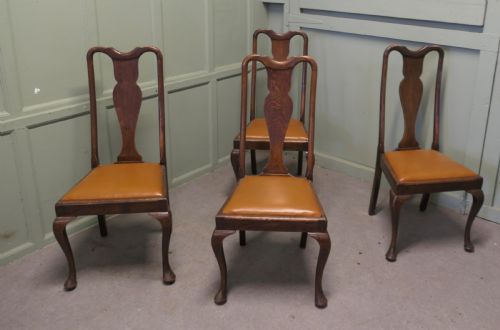
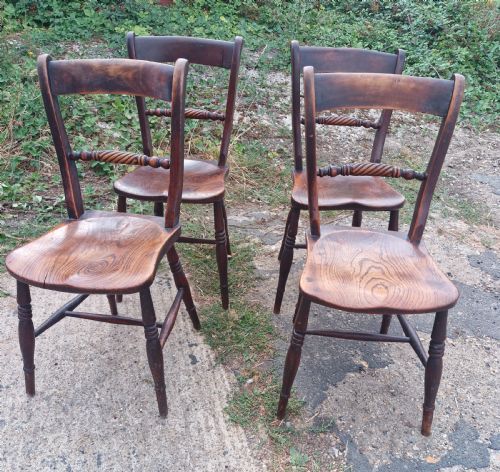
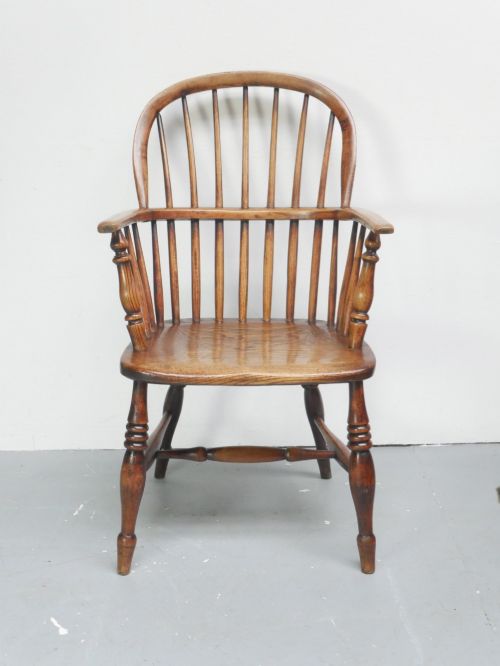
Brown oak kitchen chairs encompass a variety of traditional forms designed for domestic utility, predominantly appearing as Windsor variants, ladderbacks, and lathe backs. These pieces span the nineteenth century into the early twentieth century, reflecting English country house and rustic farmhouse traditions.
Buyers most frequently encounter sets of four or six dining chairs alongside individual armchairs and carvers. The selection includes specific regional styles such as Welsh and Scottish chairs, as well as distinct seat designs like rush and solid timber penny seats.
Materials and Construction Methods
Makers utilised a combination of indigenous hardwoods to construct these seats, frequently pairing oak frames with elm, beech, and ash components. This mixed-timber approach allowed craftsmen to use specific woods for optimal strength in legs, spindles, and bentwood bows.
Joinery relies heavily on traditional bodger techniques, incorporating turned components and wedged tenons. Seats are carved from single timber blocks or fitted with woven rush inserts, yielding robust structures intended to withstand heavy domestic wear.
One remarkably honest piece in the collection is an early twentieth-century shop's advertising chair made to promote matchless soap.
Assessing Quality and Character
Quality separates standard utilitarian seating from finer examples through the harmony of timber selection and the grace of the turning work. Superior sets demonstrate careful matching of grain and colour across multiple chairs, whereas lesser examples show mismatched timber or heavy past repairs.
The sophistication of the spindle turning, the comfort and contouring of the wooden saddle seat, and the tightness of the original joints dictate the overall standard. Original patination and minimal timber replacement elevate a set above examples with heavily sanded surfaces or replaced undercarriages.
The Brown Oak Kitchen Chairs Glossary
- Windsor chair
- A wooden chair built with a solid sculpted seat into which the legs and back spindles are direct-tenoned. This form relies on a stout hoop or comb to support the back.
- Lath back
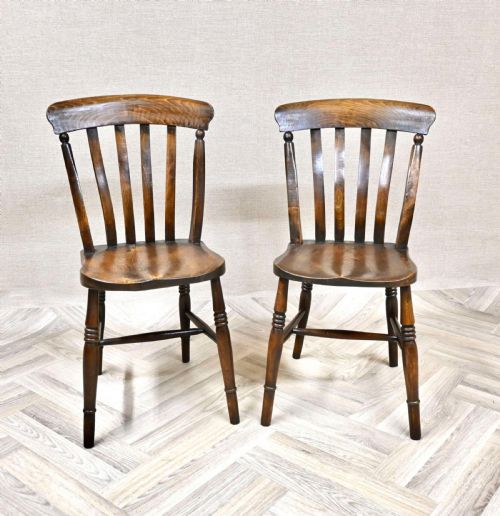
- A chair design featuring a central vertical wooden splat or slat set into the back bow. It provides robust back support and appears frequently in nineteenth-century farmhouse seating.
- Ladderback
- A chair style characterised by multiple horizontal arched slats between the rear uprights. These frames often incorporate rush seating or turned finials.
- Penny seat
- A wooden saddle seat shaped with a circular depression resembling a large coin. This shaping enhances seating comfort on solid timber chairs.
- Harlequin set
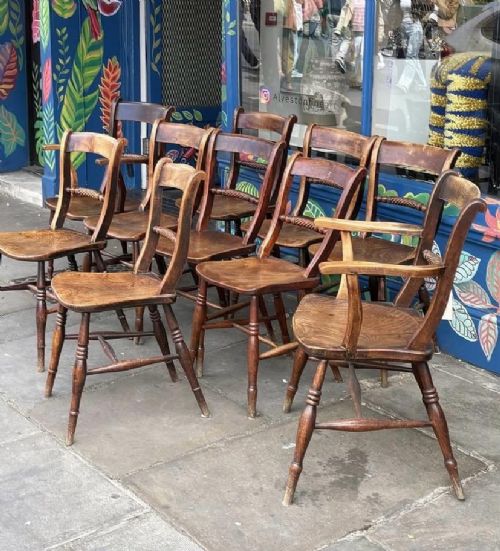
- A group of dining chairs that match in general style and period but vary slightly in minor details. Such sets were assembled over time rather than manufactured together.
- Draw leaf table
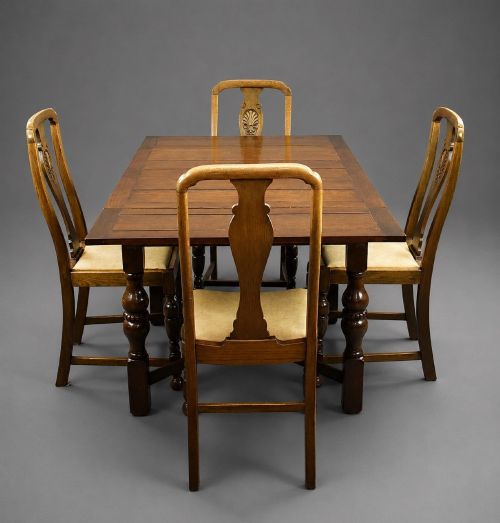
- A dining table equipped with sliding extension leaves stored beneath the main top. These tables frequently accompany larger sets of kitchen chairs.
Brown Oak Kitchen Chairs: Frequently Asked Questions
What periods do these chairs date from?
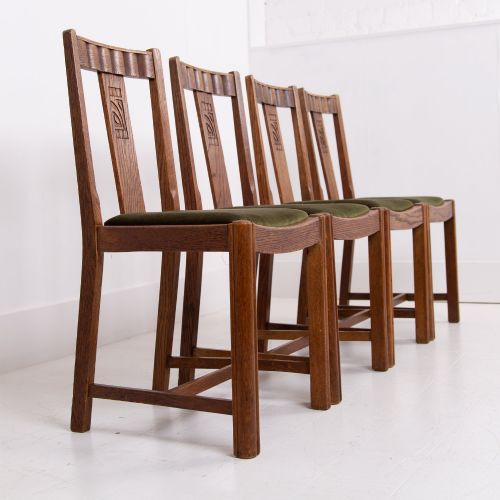
The pieces span the nineteenth century through to the early decades of the twentieth century. Victorian examples and later 1930s sets appear regularly within the selection.
Craftsmanship from these eras maintains traditional joinery methods while showing minor stylistic shifts in spindle shapes and back designs.
Are these chairs suitable for daily dining?
These seats were originally built for heavy domestic labour and daily farmhouse use. Their solid construction makes them durable additions to modern dining rooms.
Buyers should consider seat heights and timber stability when pairing them with contemporary tables.
What is a harlequin set?
A harlequin set consists of chairs that share a common period and style but differ in subtle design details. These groupings were often gathered together rather than bought as a single factory batch.
Such sets offer a collected aesthetic while maintaining a unified appearance around the table.
How do rush seats differ from wooden seats?
Rush seats utilise woven marsh grasses twisted around a frame to provide a flexible and textured sitting surface. Wooden saddle seats are carved directly from solid timber blocks.
Both types reflect traditional country craftsmanship but require different approaches to long-term preservation.