



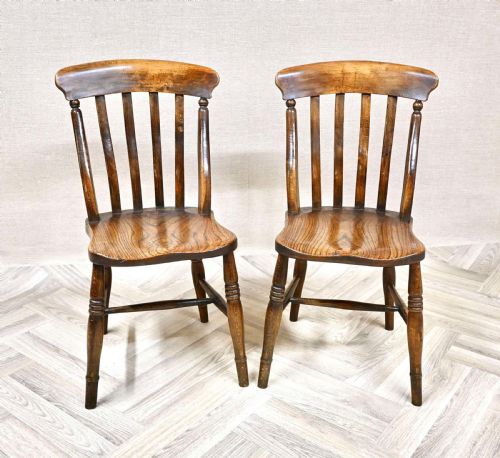
Brown Oak Country Chairs
Brown oak country chairs are robust vernacular seats built for everyday utility, offering a direct link to historical domestic interiors through honest timber construction.
Brown Oak Country Chairs
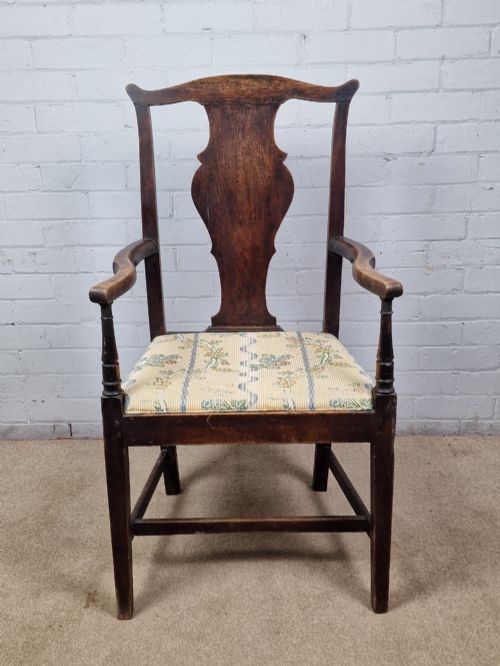
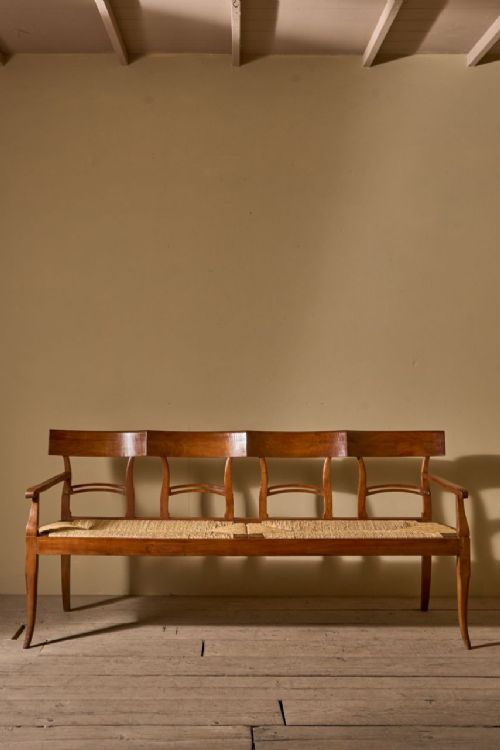
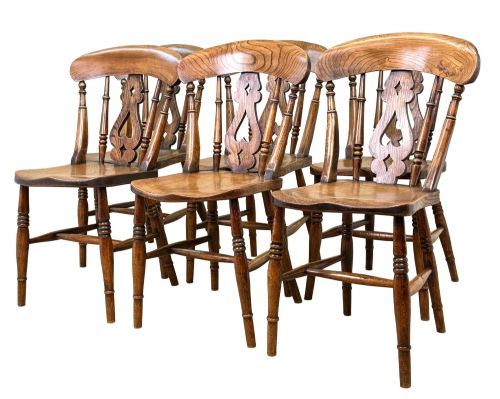
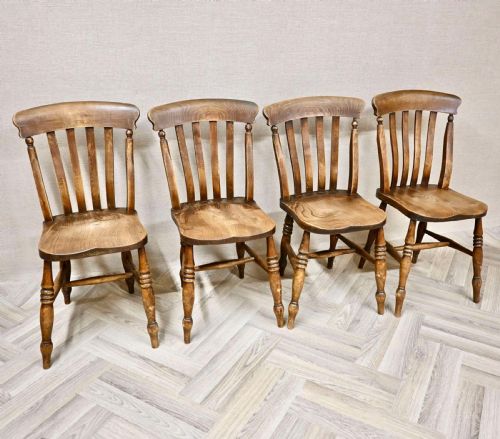
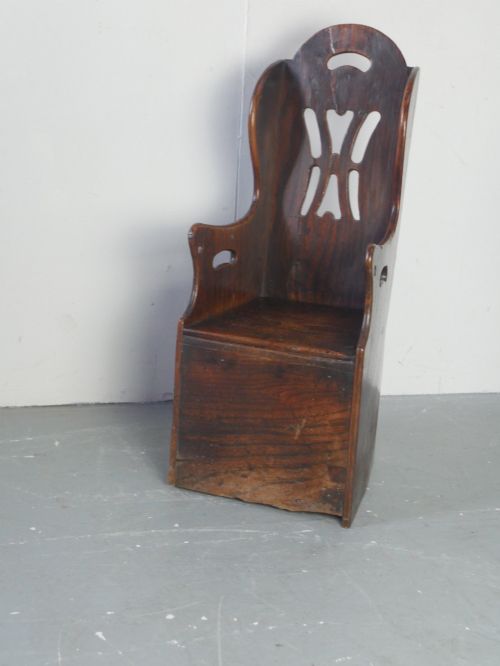
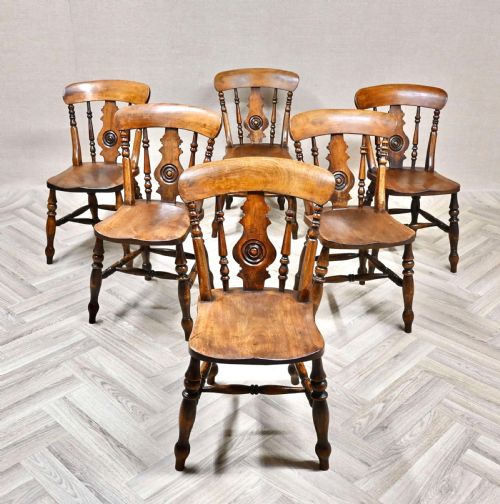
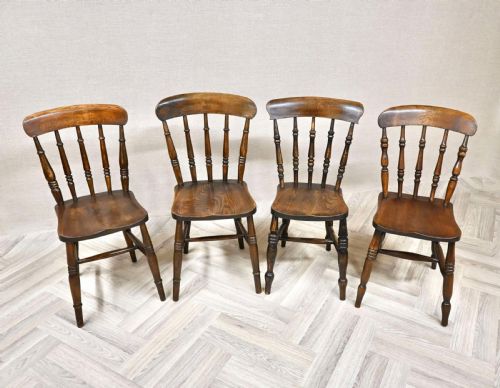
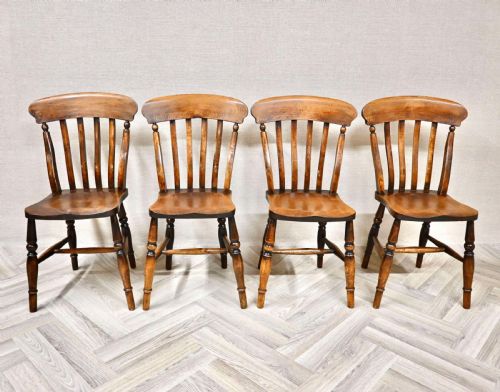
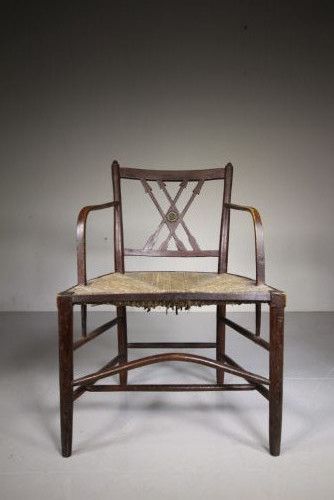
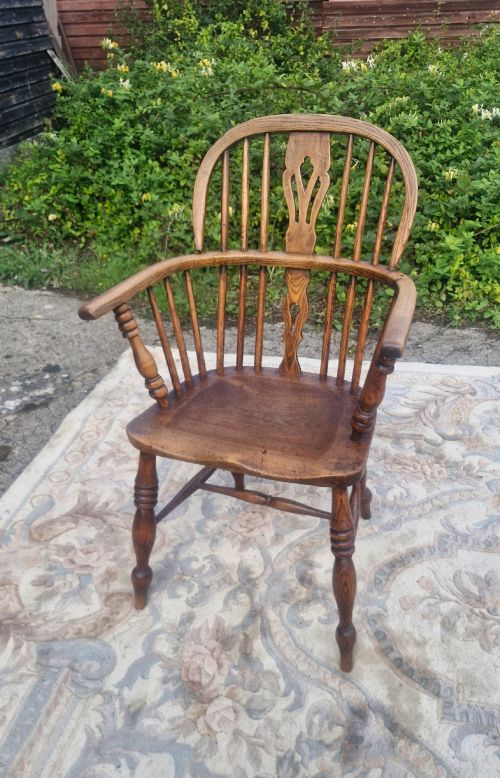
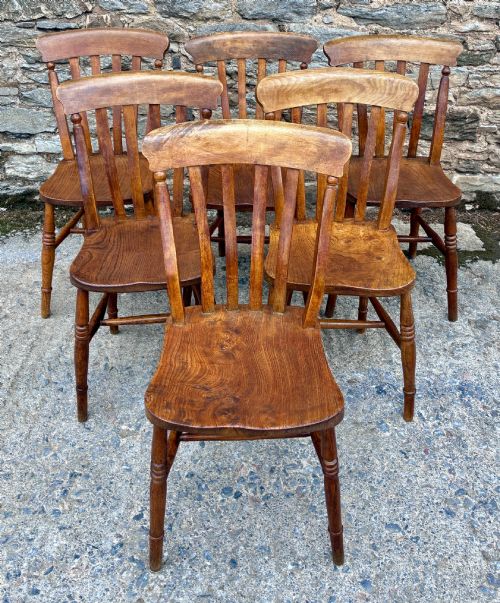
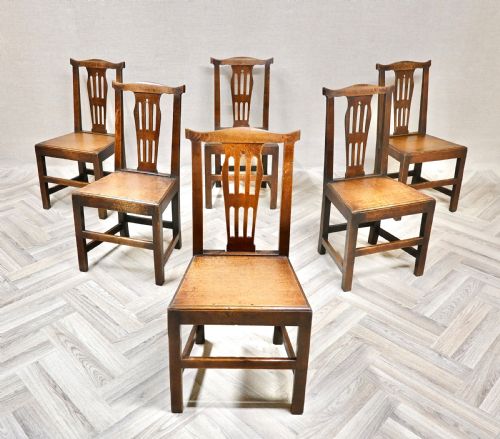
Brown oak country chairs comprise functional vernacular seating forms originating across the eighteenth and nineteenth centuries, including Windsor armchairs, ladder backs, and kitchen dining chairs. When exploring brown oak country chairs, a buyer frequently encounters regional variations shaped by local joinery traditions, from Scottish and Irish examples to English farmhouse designs.
The selection ranges from single fireside carvers and children's chairs to matched sets intended for dining spaces. These pieces encompass utilitarian hall chairs, rocking chairs, and settles built to serve demanding household tasks over generations.
How They Were Made
Maker-joiners utilised solid timber framing, pairing oak with complementary native woods like elm, beech, and ash for specific structural components such as bent spindles and turned legs. Rush, leather, and fabric provided durable seating surfaces, occasionally supplemented by painted finishes or simple carved details.
Construction relied on traditional joinery methods, including pegging, mortise and tenon joints, and steam bending for curved Windsor backs. These empirical techniques ensured rigidity and resilience under daily domestic use.
Listings demonstrate forms spanning the eighteenth through the early twentieth centuries, constructed from oak, elm, beech, ash, and rush.
What Varies in Quality
Quality rests upon the integrity of the original construction and the survival of untouched timber surfaces. Chairs retaining their initial pegged joints and uncompromised structural proportions command greater attention than those altered by later repairs.
The sophistication of the turning work and the harmonious integration of mixed woods further distinguish standard utility seating from finer vernacular expressions. Depth of grain patina and minimal replacement parts elevate the standing of a piece.
The Brown Oak Country Chairs Glossary
- Windsor chair
- A wooden seating form featuring a solid saddle-shaped seat into which separate legs and a bowed back are tenoned directly. This construction distributes weight efficiently.
- Ladder back
- A chair design characterised by horizontal slats set between two upright rear posts. These backs often support woven rush seating.
- Wainscot armchair
- A heavy, panelled wooden armchair dating to earlier centuries. They represent status and substantial carpentry before lighter vernacular seating evolved.
- Smokers bow
- A low-backed Windsor armchair featuring a continuous curved arm rail supported by turned spindles. They gained popularity in nineteenth-century domestic and commercial interiors.
- Settle
- A wooden bench featuring a high solid back and enclosed storage base. They shielded inhabitants from draughts in traditional kitchens.
Brown Oak Country Chairs: Frequently Asked Questions
How do I date a country chair?
Dating relies upon examining tool marks, timber shrinkage, and the evolution of turning patterns across specific periods. Subtle changes in crest rail design and leg profiles help place a chair within the eighteenth or nineteenth centuries.
Construction methods also provide clues, as early examples employ distinct pegging and joinery habits that shifted as industrial production methods influenced local workshops.
Were these chairs used for dining?
Many of these pieces served practical roles around farmhouse kitchen tables, though sets were often gathered rather than made as uniform groups. Single chairs fulfilled specific household tasks by the hearth or desk.
Larger matching sets appear less frequently in vernacular furniture, reflecting a domestic reality where seating was added as households expanded.
What woods besides oak are used?
Maker-joiners combined oak with elm, beech, and ash to utilise the specific mechanical properties of each tree. Elm provided split-resistant, tough timber for solid seats, while ash and beech offered flexible strength for steam-bent spindle backs.
This mixed-wood construction is a defining characteristic of country seating, prioritising functional performance over uniform appearance.
How should I care for an antique oak chair?
Maintain stable indoor humidity levels to prevent the solid timber from drying out or splitting over time. Avoid harsh chemical polishes in favour of traditional wax applications that protect the historic surface.
Position chairs away from direct heat sources and strong sunlight to preserve the natural grain and aged patina of the wood.