

Antique Scottish Chairs
These antique scottish chairs carry the distinct craftsmanship of northern workshops, offering robust local character and lasting utility for any room.
Antique Scottish Chairs
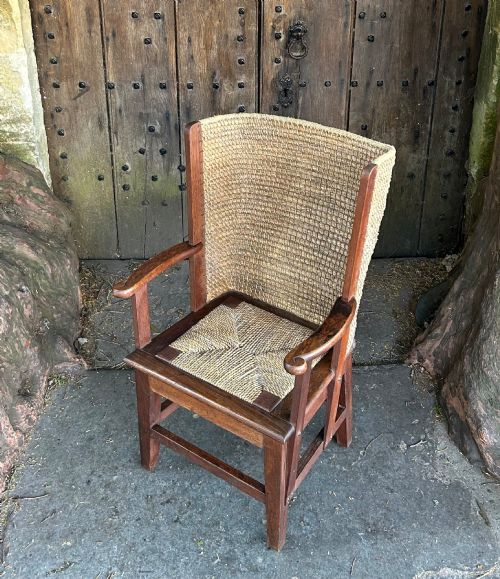
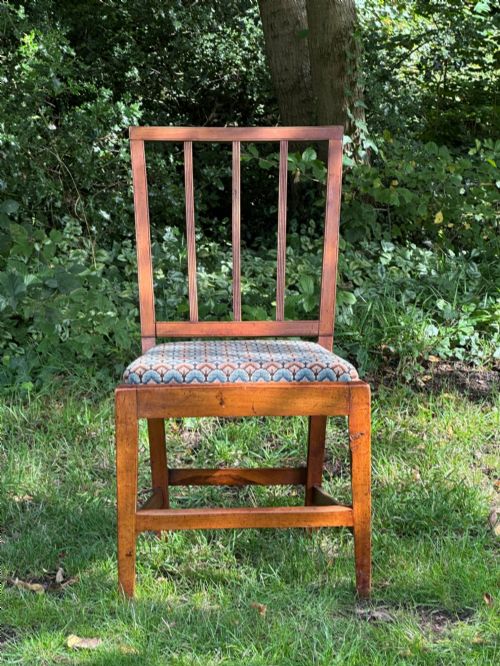
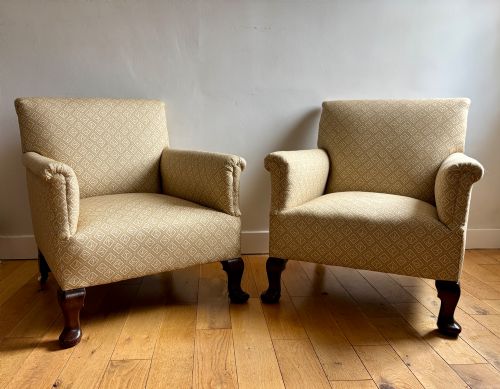
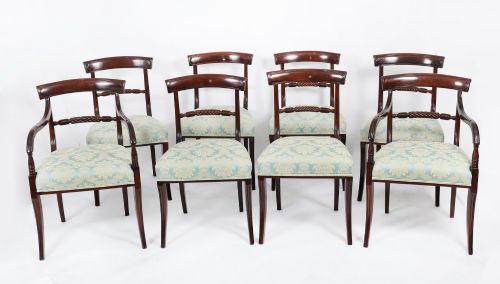
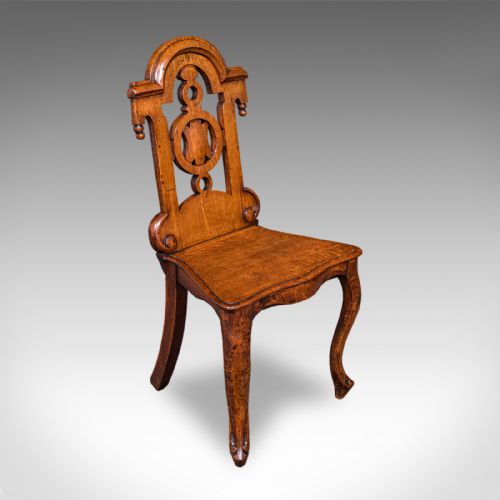
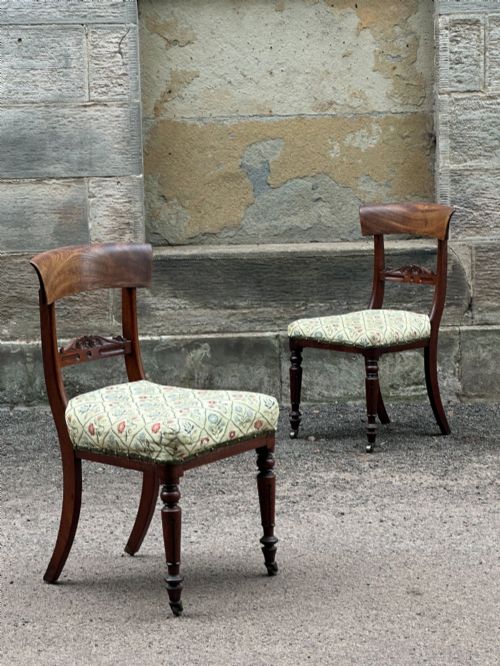
When someone searches for antique scottish chairs, they enter a varied field spanning formal dining seats from Edinburgh workshops and sturdy country vernacular pieces from rural districts. The selection on this page ranges from formal George III and Regency mahogany dining sets to rustic Orkney armchairs woven with oat straw.
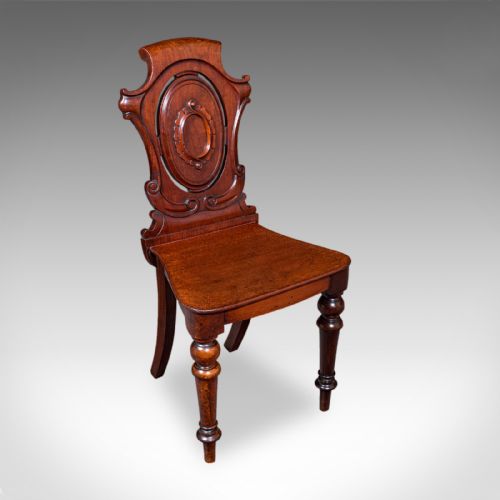
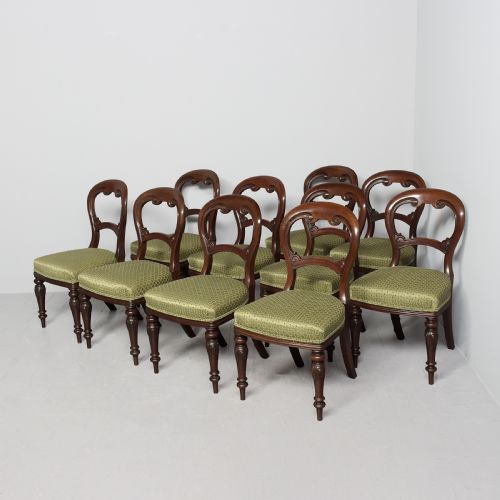
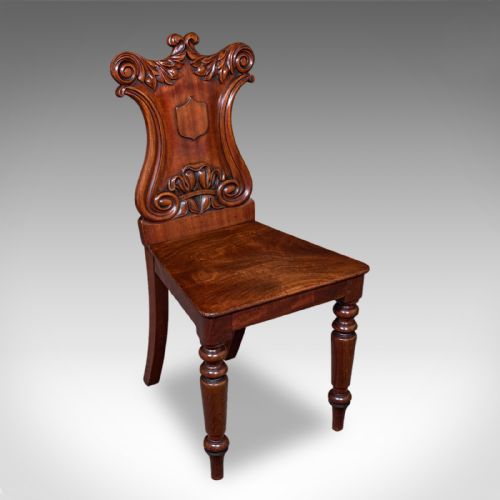
Buyers frequently encounter Victorian mahogany balloon back chairs alongside earlier solid birch fan back models and Arts and Crafts oak designs. Regional variations include distinctive ladder back forms, heavy oak armorial clan chairs, and specialised seating such as music stools and hall chairs.
Materials and construction methods
Cabinetmakers and rural joiners relied heavily on native timbers such as oak, birch, and ash, alongside imported mahogany and walnut for urban commissions. Timber selection dictated the structural integrity, with dense golden oak utilised for heavy vernacular pieces and finely grained mahogany shaped into elegant shield or balloon backs.
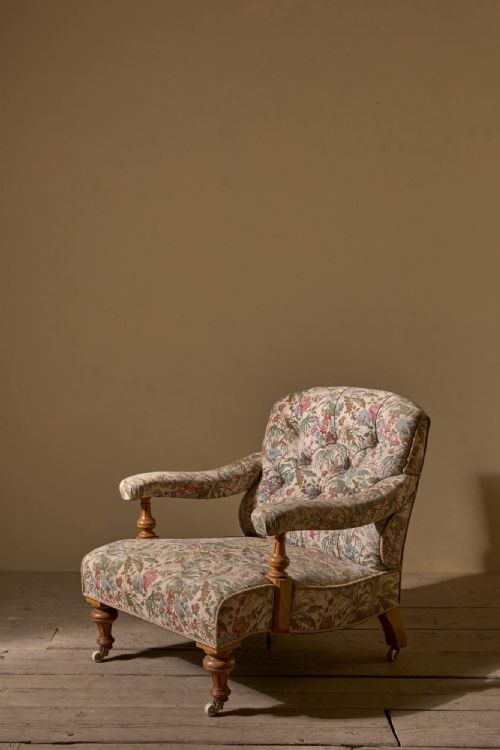
Traditional joinery involved pegged mortise and tenon joints for robust country frames, while sophisticated city workshops employed precise turning, carving, and upholstery techniques. Seats were commonly padded with horsehair and finished in leather, velvet, or decorative woven fabrics.
Several armchairs incorporate hidden drawers beneath the seat for storing small household items away from drafts.
Assessing craftsmanship and condition
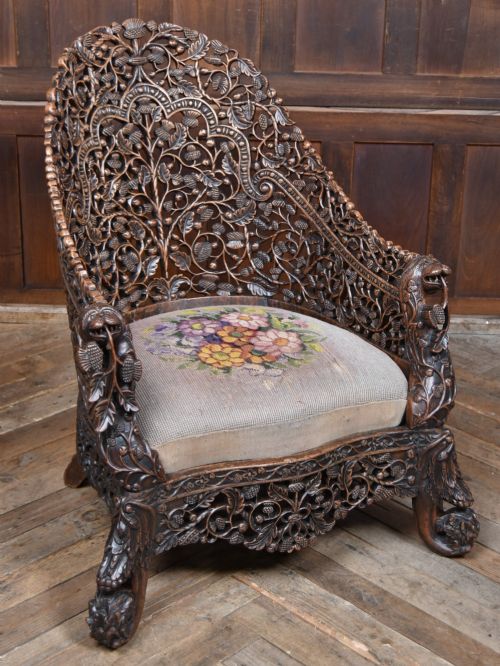
Quality in these pieces depends upon the integrity of the original timber and the crispness of any carved detailing, such as heraldic crests or thistle motifs. Superior examples maintain their structural rigidity without excessive timber shrinkage or replaced primary structural components.
The refinement of the turning and the harmony of matched dining sets separate workshop production from simpler domestic work. Finer items exhibit careful timber selection, balanced proportions, and well-executed joinery that withstands centuries of use.
Whytock and Reid·Morison and Co·Duncan McKellar·John Taylor and Son·J and T Scott·Wheelers of Arncroach
The Antique Scottish Chairs Glossary
- Orkney chair
- A traditional regional armchair featuring a low wooden frame with a high, woven oat straw back. This design protected inhabitants from coastal drafts in northern Scottish homes.
- Cockpen chair
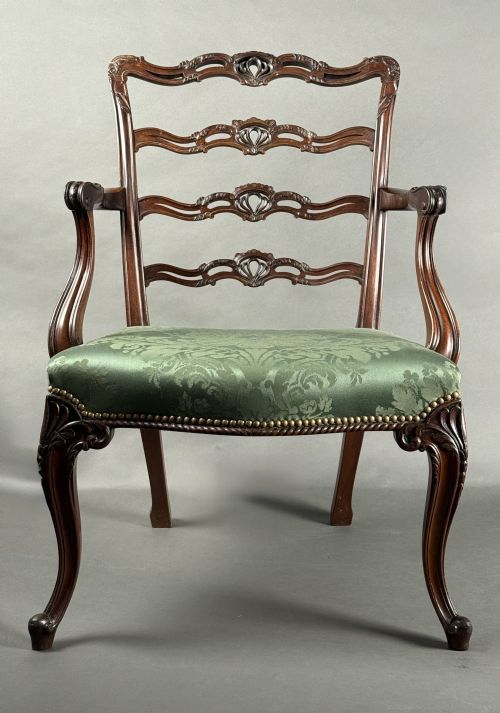
- An open armchair characterised by a distinctive Chinese Chippendale geometric lattice back. These chairs gained popularity in Scottish domestic interiors during the eighteenth and nineteenth centuries.
- Wainscot chair
- A heavy wooden armchair constructed primarily from paneled oak with solid arms and a high back. This early form dates back to the seventeenth century and denotes high status.
- Shield back chair
- A dining or reception seat featuring an open backrest shaped like a heraldic shield. The style emerged during the late eighteenth century and continued through the Victorian era.
- Fan back chair
- A seating form defined by radiating wooden slats resembling an open fan above the seat. Scottish country versions often utilised solid native birch.
Antique Scottish Chairs: Frequently Asked Questions
How do I identify an Orkney chair?
Orkney chairs are instantly recognizable by their distinctive high backs woven from oat straw, supported by a low wooden frame typically built from oak or beech. They were specifically designed to shelter sitters from cold northern drafts.
Most traditional examples feature a small under-seat drawer and distinctively curved armrests. Their rustic construction reflects the harsh domestic requirements of island life.
Are dining chairs usually sold in sets?
Many dining chairs listed on this page survive in matched sets ranging from four to ten pieces. Larger sets often originate from substantial country estates or Edinburgh townhouses.
Finding a complete set of eight or ten matching chairs is unusual, which influences how collectors view dining seating from the Georgian and Victorian periods.
What timber was used most often?
Makers utilised both native and imported timbers depending on the intended destination of the seating. Oak and birch dominate the vernacular and early country pieces, while mahogany and walnut prevail in urban Edinburgh workshops.
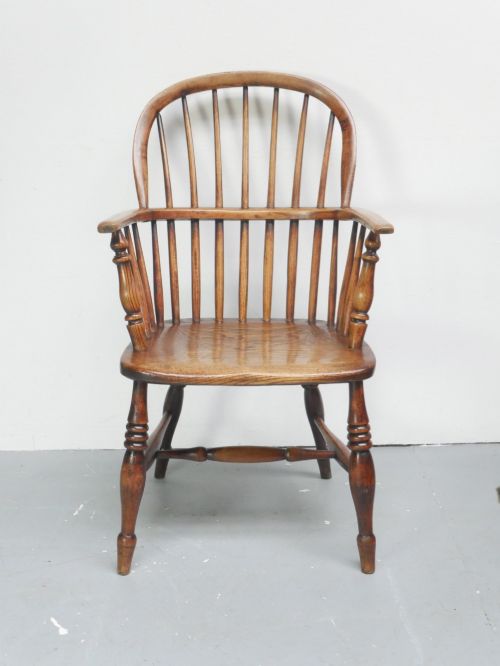
Regional joiners made practical use of local woods like ash and elm for stress-bearing components in ladder back and Windsor designs.