

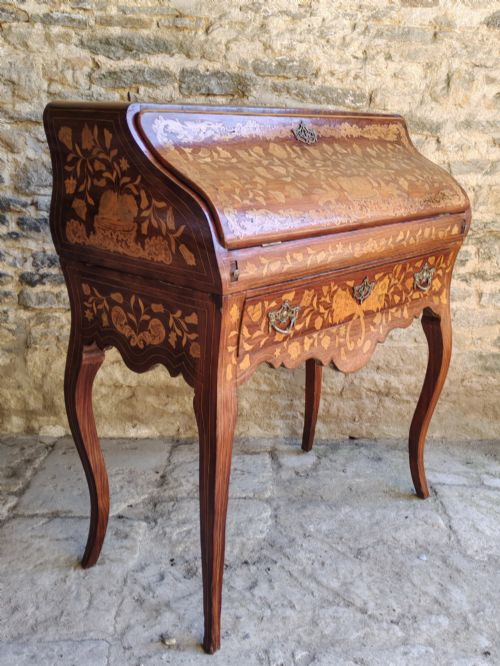
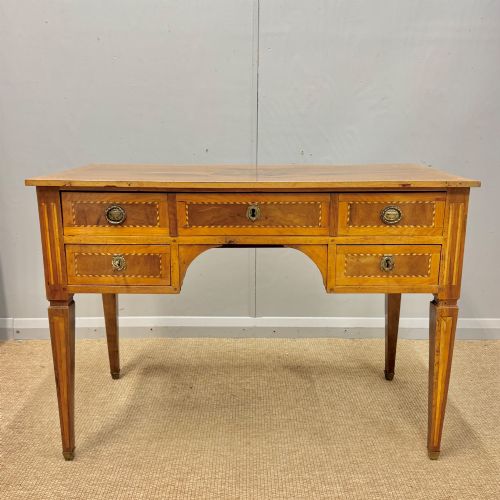
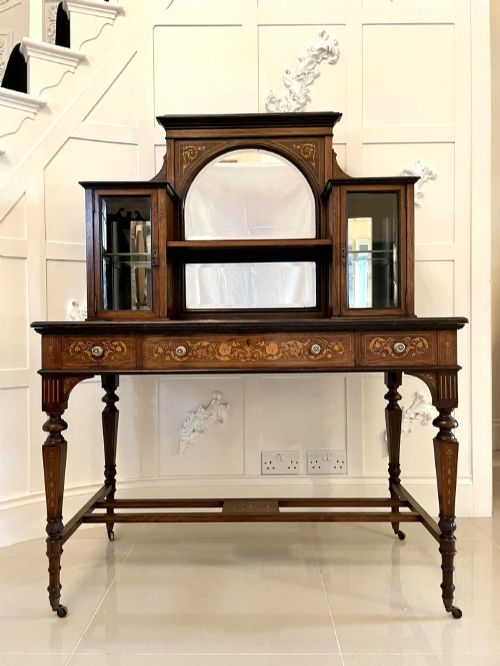
Brown Marquetry Desk
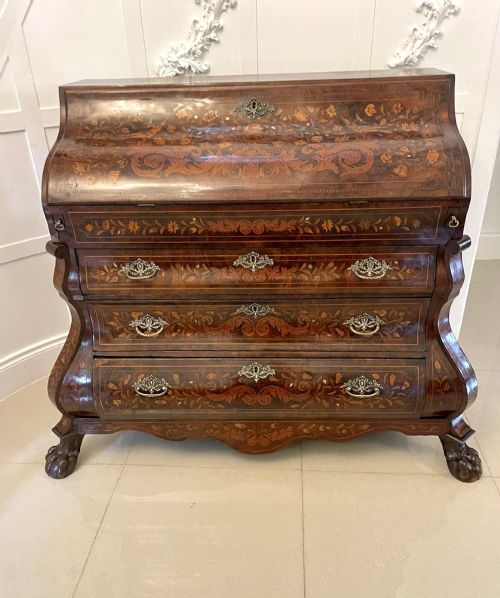
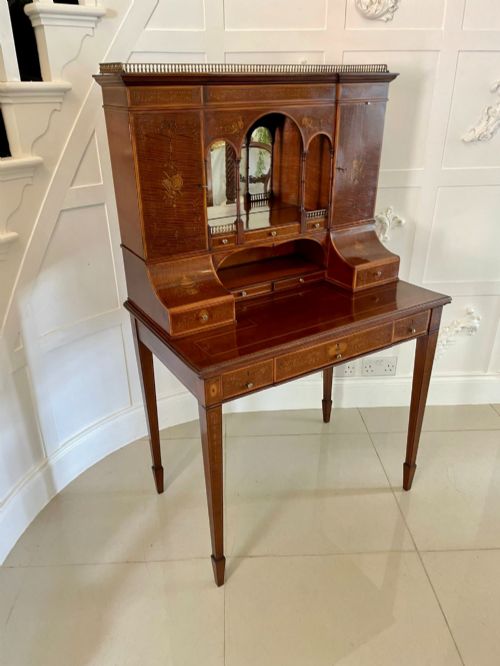
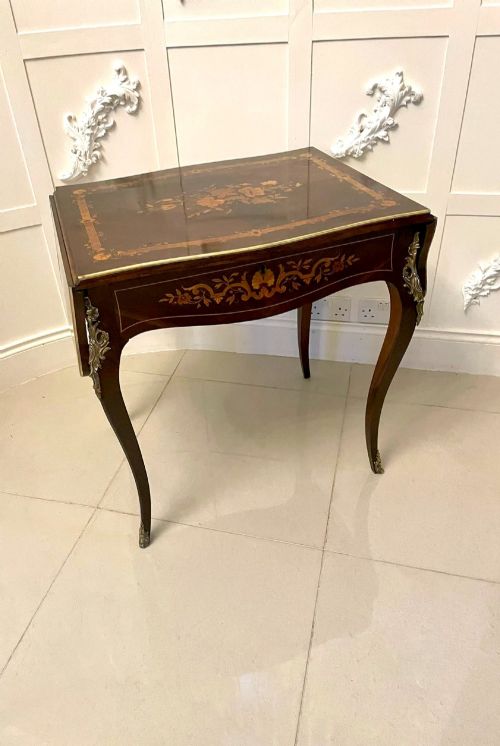
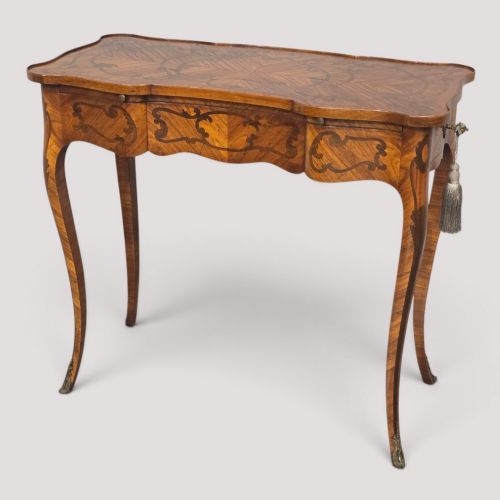
A brown marquetry desk brings intricate floral and geometric wood veneers together to form a practical writing surface with distinct period character.
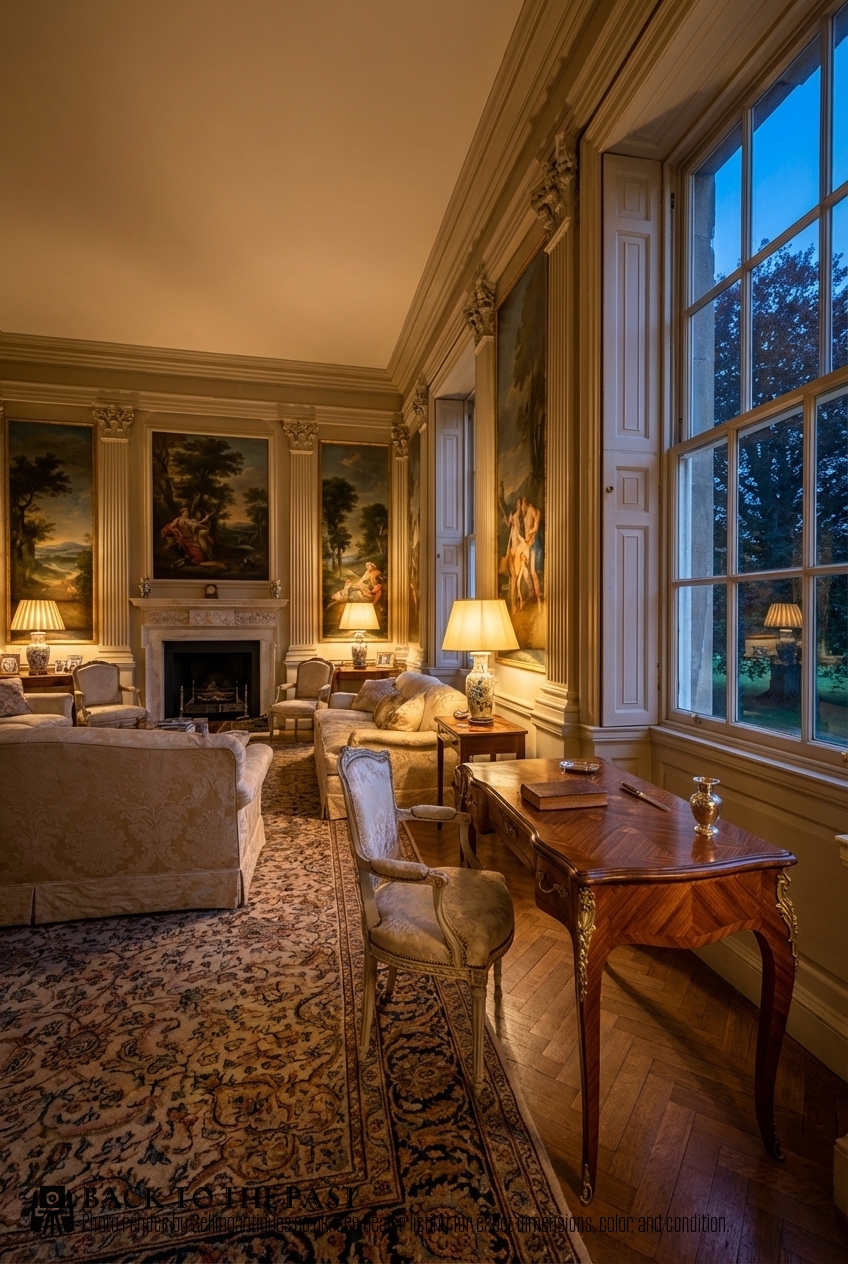
What these desks are
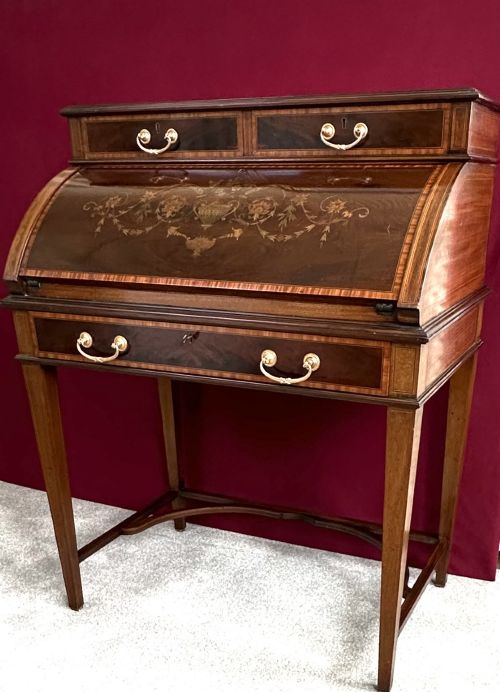
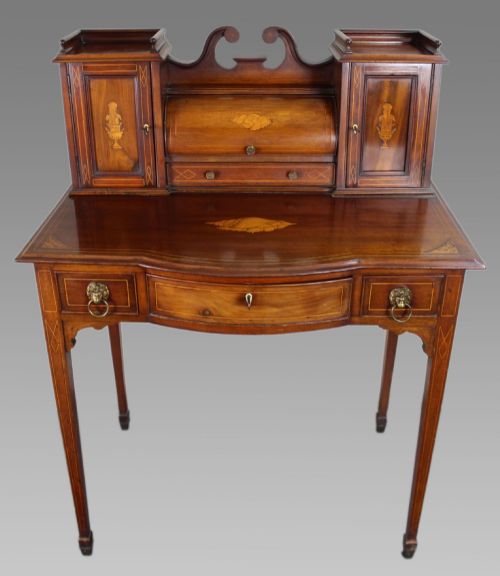
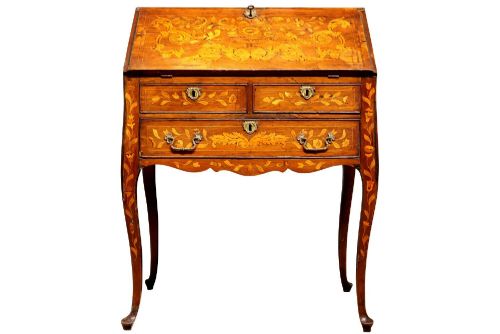
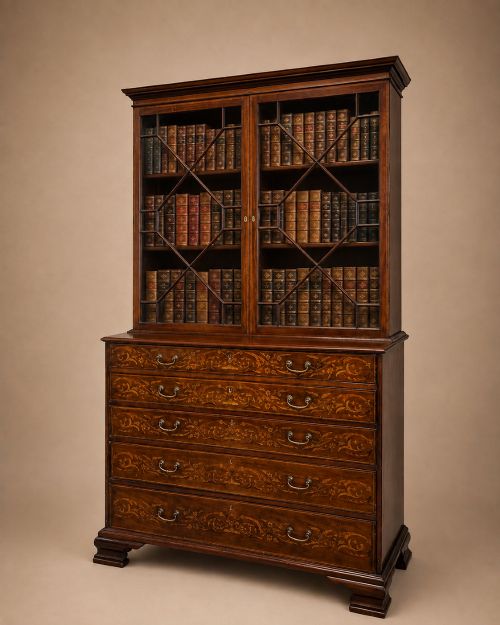
A brown marquetry desk provides a dedicated writing space featuring detailed wood veneer patterns across the top and sides. These pieces range from compact side tables and games surfaces to large bureau plat designs.
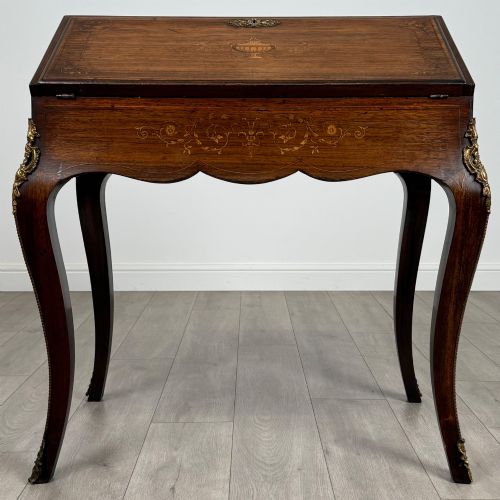
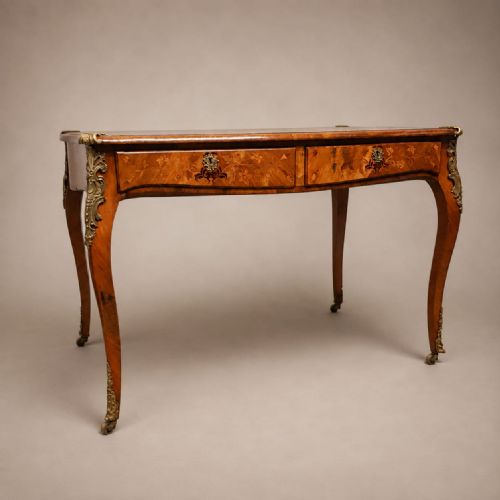
The selections span several centuries and design traditions, including Dutch baroque and rococo pieces alongside French revival furniture. Examples from the nineteenth century often lean towards Louis XV and Louis XVI styles with shaped serpentine outlines.
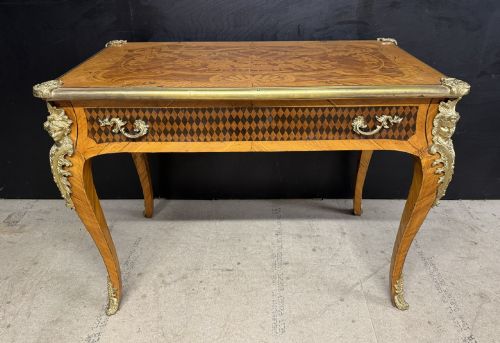
Makers utilised various exotic and native timbers to create contrasting pictorial scenes or geometric borders across the writing surfaces. Many of these forms incorporate mounts in ormolu or gilt bronze to accentuate the curves of the woodwork.

How they were made
Craftsmen applied thin veneers of kingwood, walnut, rosewood, fruitwood and other timbers onto a sturdier underlying wood structure. These contrasting veneers were meticulously cut and fitted together to form complex marquetry pictures and symmetrical patterns.
Metalworkers cast and chased ormolu and gilt bronze mounts to edge the tops, frame the drawers and decorate the cabriole legs. Brass hardware and delicate stringing details completed the exterior ornamentation of the writing surfaces.
Retail Price Guide 2026
Typical UK retail prices for brown marquetry desk, calculated from the Sellingantiques database of over a million retail prices indexed since 2003. This retail price guide relies exclusively on Sellingantiques data; no external sources or auction records are used, so the figures do not describe the wider market.
Materials recorded on this page include kingwood, walnut, rosewood, fruitwood, ormolu and brass.
What varies in quality
The refinement of the marquetry cutting distinguishes standard furniture from exhibition grade pieces. Precision in matching the grain and colour of individual wood veneers creates depth and clarity within the pictorial designs.
The weight and crispness of the gilt bronze or ormolu mounts indicate the standard of production. Heavier, deeply chased metalwork complements the finer cabinetmaking found in eighteenth and nineteenth century workshops.
The Brown Marquetry Desk Glossary
- Marquetry
- The art of applying pieces of veneer to a structure to form decorative patterns and pictures. Craftsmen select different coloured woods to achieve tonal variation without painting.
- Bureau plat
- A freestanding writing table with drawers in the frieze, typically finished on all sides. This form gained popularity in France during the eighteenth century.
- Ormolu
- Gilt bronze mounts applied to furniture edges and corners. The technique involves coating bronze with a mercury and gold amalgam before heating.
- Kingwood
- A dense, richly figured timber native to Brazil, prized for its dark violet-brown colour and pale streaks. Cabinetmakers utilised it extensively for high-end French and English veneer work.
- Serpentine
- A furniture contour featuring a double curve that bends outward in the centre and inward at the sides. This shape demands precise woodworking skills.
Frequently Asked Questions
How do I care for a marquetry desk?
Keep the timber away from direct sunlight and heat sources to prevent the veneers from drying out and lifting. Regular dusting with a soft, dry cloth preserves the polished surface.
Apply a microcrystalline wax periodically to nourish the wood and protect the delicate inlay work from moisture damage. Avoid using modern chemical sprays or silicone polishes.
Can I use this desk daily?
These tables function well for writing letters or placing a laptop, provided you treat the antique veneer with care. Many include drawers for storing small stationery items.
Protect the polished top with a custom leather pad or blotter if you intend to write on paper frequently. This prevents ink marks and accidental scratches on the historic surface.
What is the difference between marquetry and inlay?
Inlay involves inserting wood or other materials into a pre-carved recess within a solid piece of wood. The surrounding timber forms the primary background of the design.
Marquetry covers the entire surface of the carcase in a veneer mosaic created from assembled wood pieces. This technique allows for large-scale pictorial scenes across the top of a desk.
How do I identify the period of a desk?
Examine the construction methods, timber choices and hardware styles to determine the likely era of manufacture. Eighteenth century pieces often feature hand-cut dovetails and native fruitwoods alongside exotic imports.
Revival pieces from the nineteenth century frequently employ machine-sawn veneers and heavier cast bronze mounts. Compare the decorative motifs against known historical design movements.