
Vintage French Bureau
A vintage french bureau brings continental elegance and practical workspace together, offering refined writing desks and cabinets from past centuries.
Vintage French Bureau
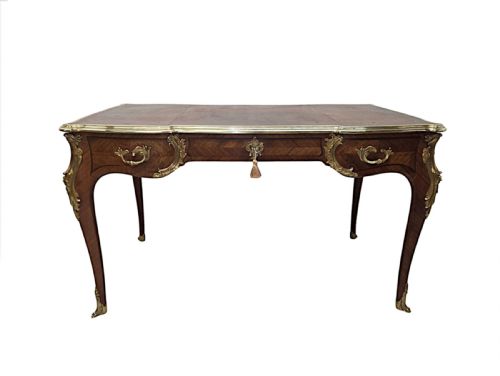
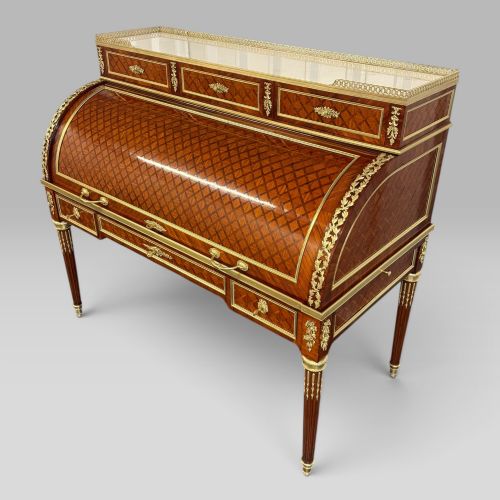
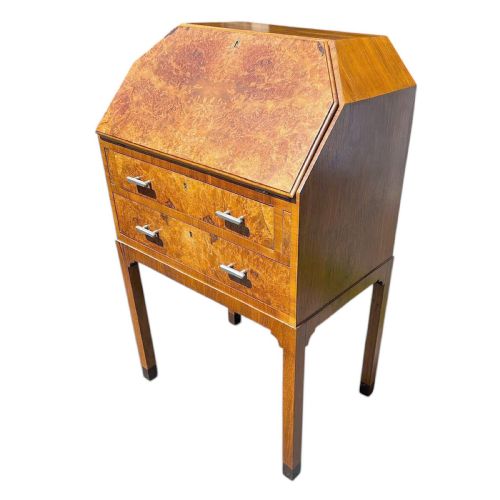
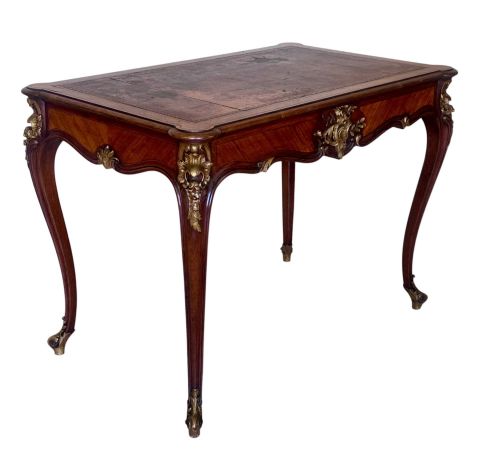
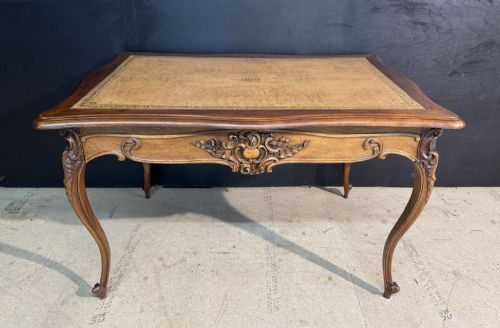
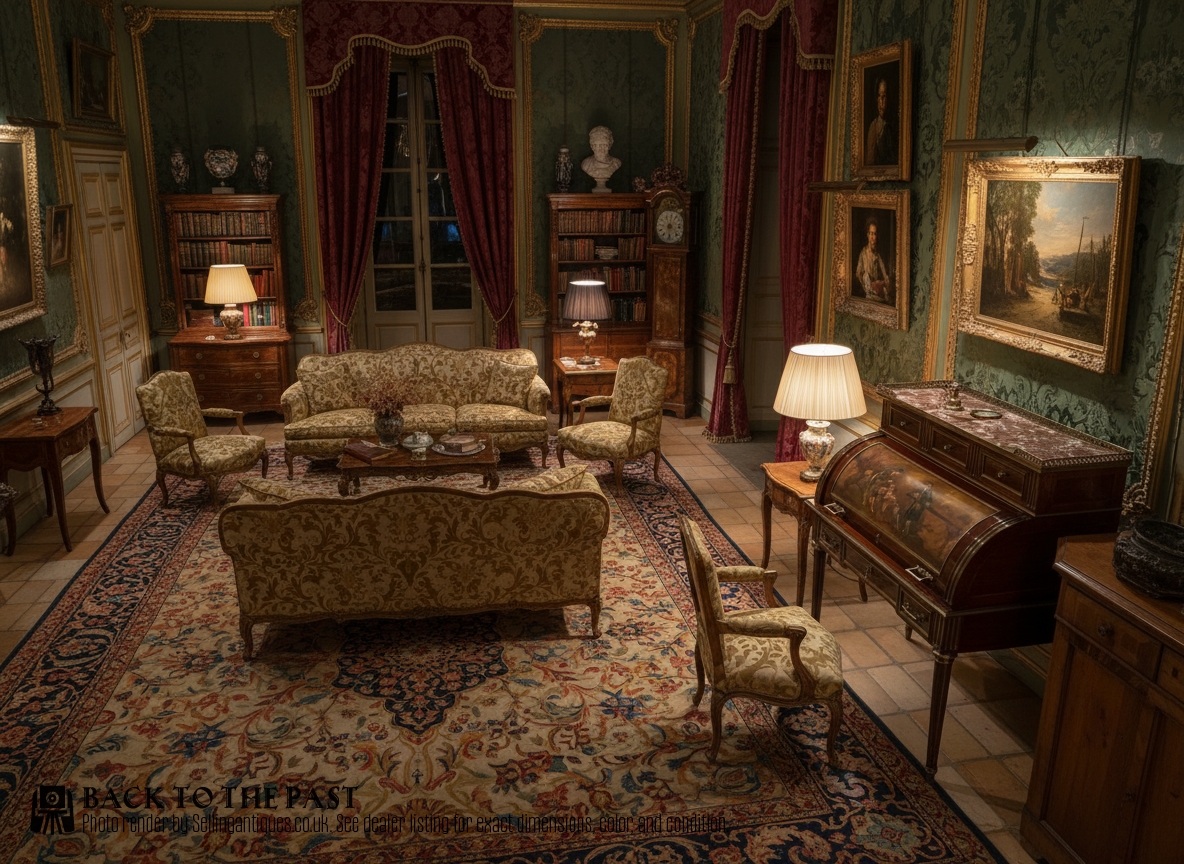
A vintage french bureau encompasses a range of writing furniture, from bureau plat tables and cylinder desks to escritoires and secretaire cabinets spanning the eighteenth to twentieth centuries. Buyers encounter stylistic expressions rooted in Louis XV, Louis XVI, Empire, and Art Deco movements.
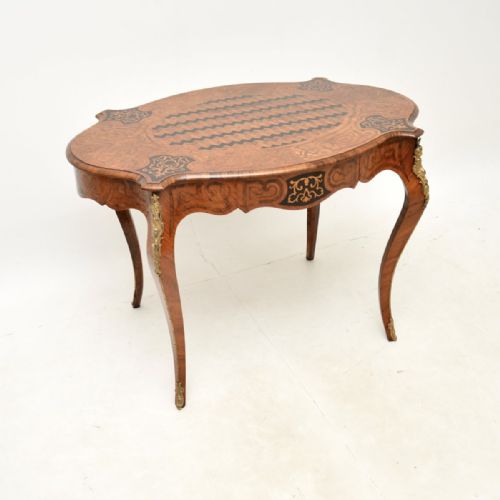
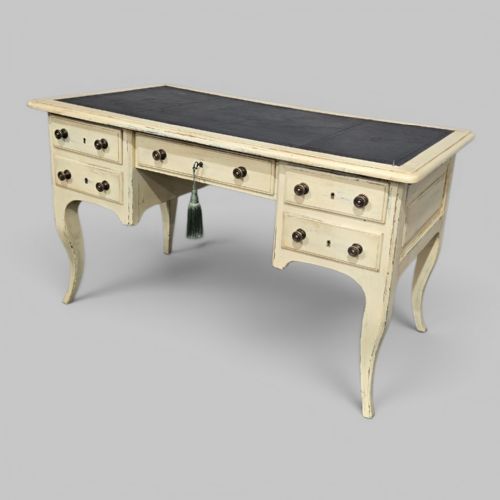
The selection frequently includes mahogany, walnut, kingwood, and rosewood pieces, often accented with marquetry, parquetry, and brass or ormolu mounts. Certain pieces incorporate leather writing surfaces and original marble tops.
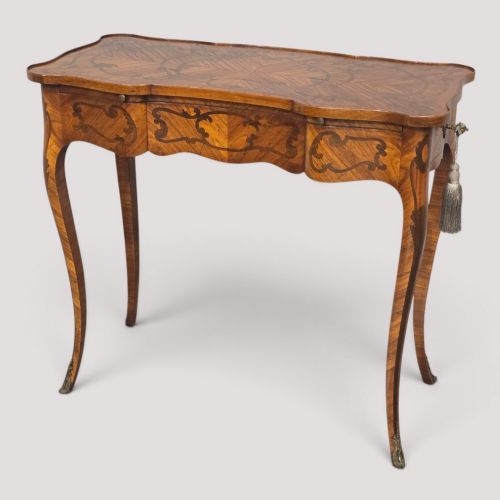
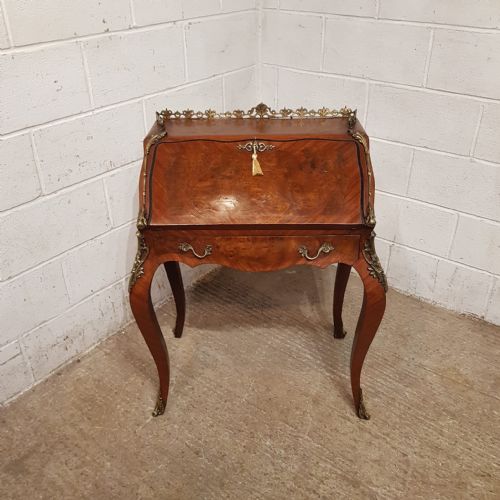
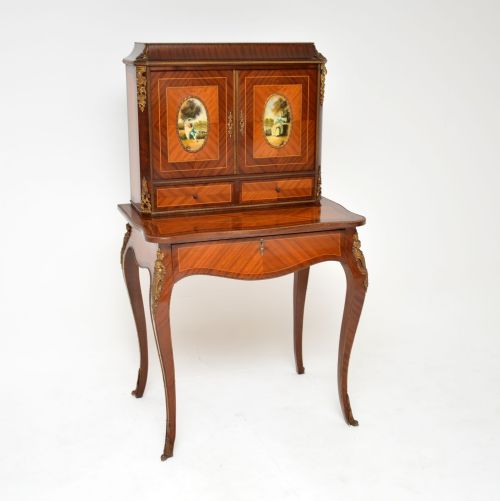
Continental workshops produced various configurations, including ladies desks or bureau du dame forms alongside larger library tables and kneehole desks. These items reflect stylistic revivals popular across the nineteenth and twentieth centuries.
Materials and Technique
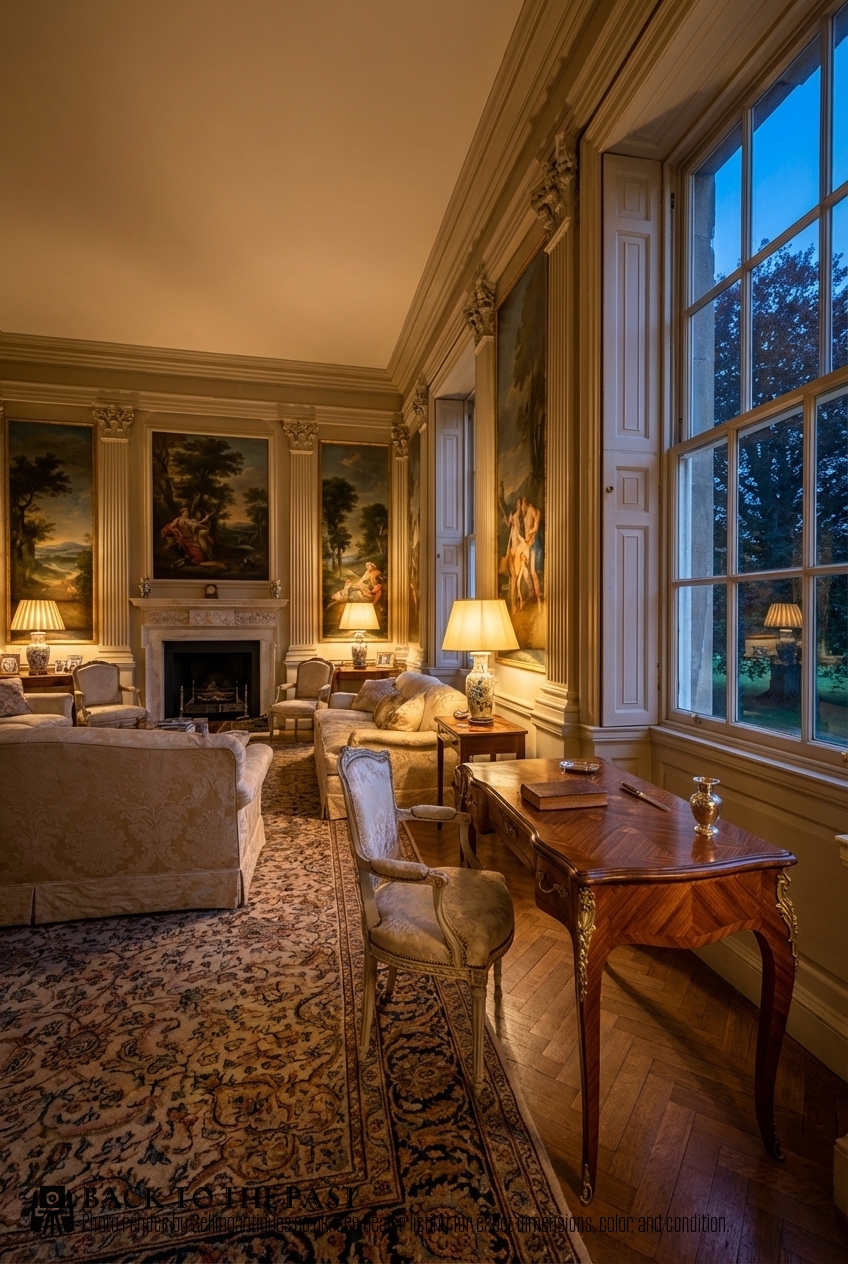
Cabinet makers utilised dense hardwoods such as mahogany, walnut, kingwood, and rosewood as primary timber foundations, frequently applying intricate marquetry and parquetry veneers to exterior surfaces.
Gilded bronze ormolu mounts and brass gallery details punctuate many structural corners and drawer borders, complementing inset leather writing panels.
Advanced construction methods allowed for fitted secret drawers within drop-front secretaire cabinets and cylinder desks, balancing decorative refinement with concealed compartments.
Vintage French Bureau Retail Price Guide 2026
Typical asking prices for vintage french bureau among the pieces listed under this phrase on Sellingantiques today, from the lower quarter to the upper quarter. They describe what is for sale here now, not the wider market.
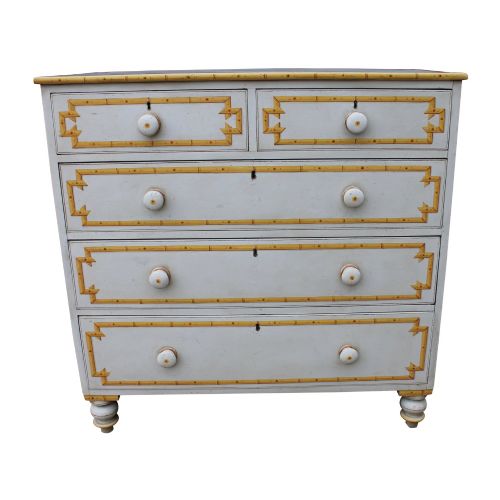
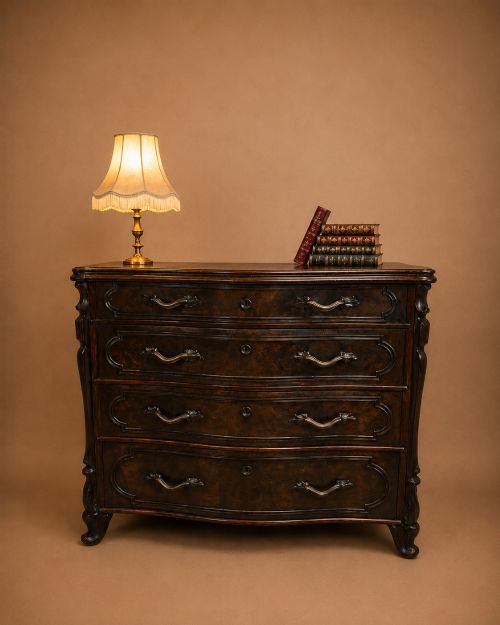
Listings feature eighteenth to twentieth-century pieces spanning Louis XV Revival, Art Deco, and French Empire styles in mahogany, walnut, and marble.
Craftsmanship and Preservation
Quality rests in the precision of the timber veneers, the crispness of cast ormolu mounts, and the integrity of original marble tops or leather writing inserts.
Finer examples demonstrate disciplined joinery within internal secret drawers and smooth mechanical operation of roll-top cylinders or drop fronts.
CH. Jeanselme & Co·Étienne Kohlmann
The Vintage French Bureau Glossary
- Secrétaire à abattant
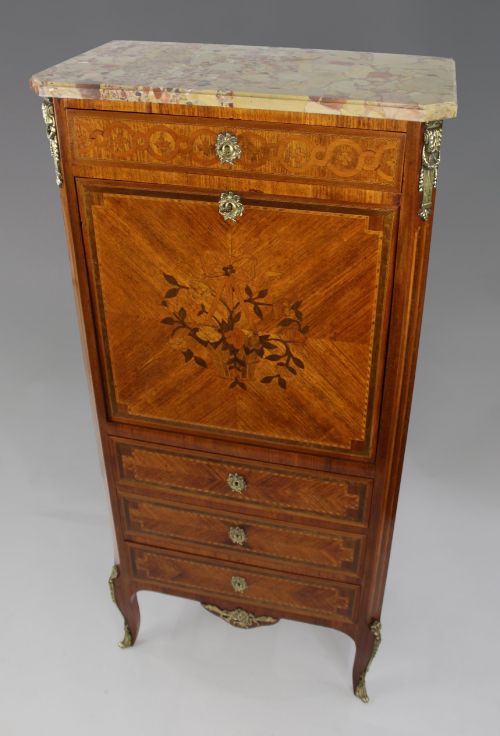
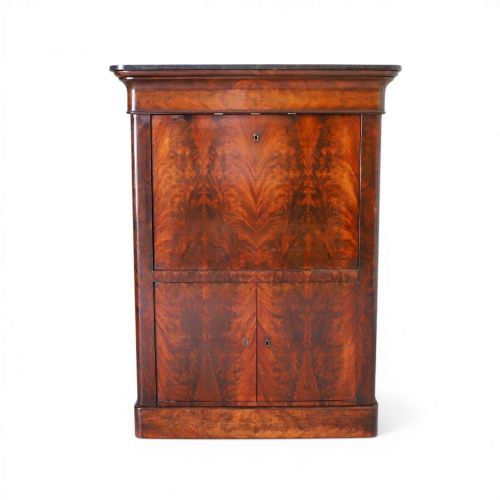
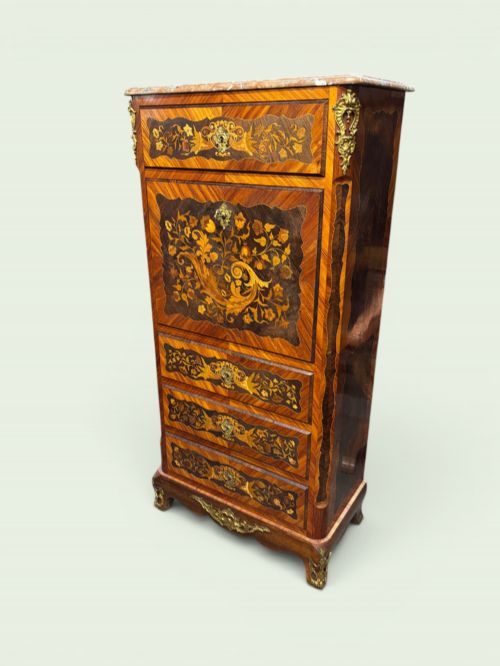
- A tall cabinet featuring a vertical fall-front flap that opens to reveal a writing surface and small internal compartments. These often include marble tops.
- Ormolu
- Gilded bronze used for decorative mounts on furniture. It provides metallic contrast against dark hardwoods such as mahogany and kingwood.
- Marquetry
- Inlay technique utilising various wood veneers to create pictorial or geometric patterns on furniture surfaces. It defines much of the revival furniture.
- Parquetry
- Geometric mosaic woodwork pattern used for flooring and furniture veneers. It appears frequently on French tables and desk tops.
Vintage French Bureau: Frequently Asked Questions
How do I identify Louis XV style?
Louis XV style pieces are characterised by serpentine outlines, floral marquetry, and curved cabriole legs. Ormolu mounts frequently accent the corners and aprons.
Revival versions from the nineteenth century replicate these asymmetric Rococo curves and rich wood veneers.
What is a secretaire abattant?
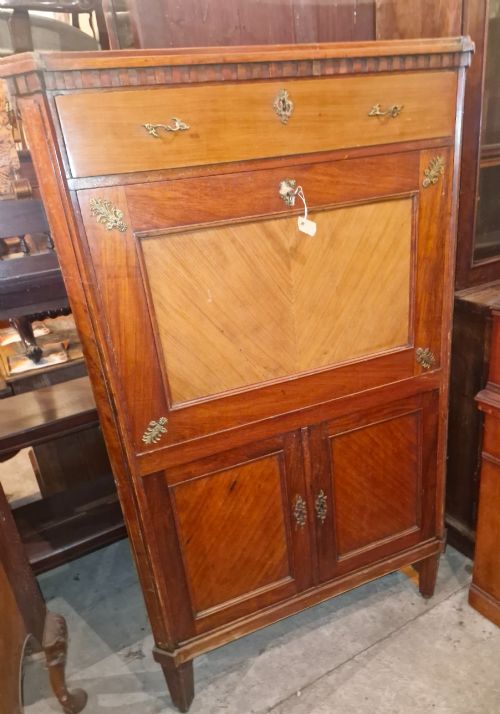
A secretaire abattant is an upright cabinet featuring a hinged fall-front panel that conceals pigeonholes and small drawers. When closed, it presents a tidy panelled facade.
Many examples feature marble tops and rich parquetry decoration across the front.
Where should I place a desk?
Freestanding bureau plat desks suit central room placements where all sides remain visible. Upright secretaire cabinets fit flush against walls in studies or bedrooms.
Keep wooden surfaces away from direct heat sources to protect veneers and leather inserts.