
French Rococo Bureau
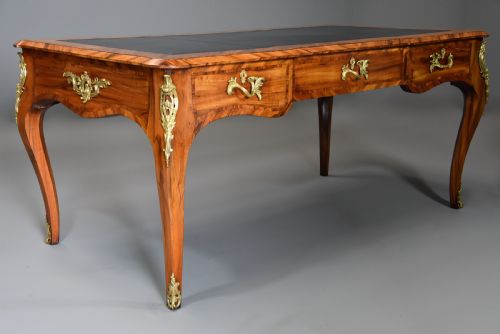
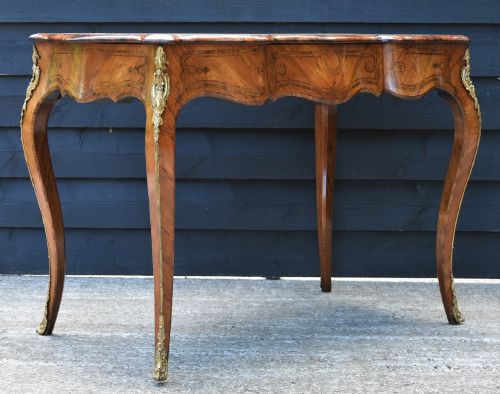
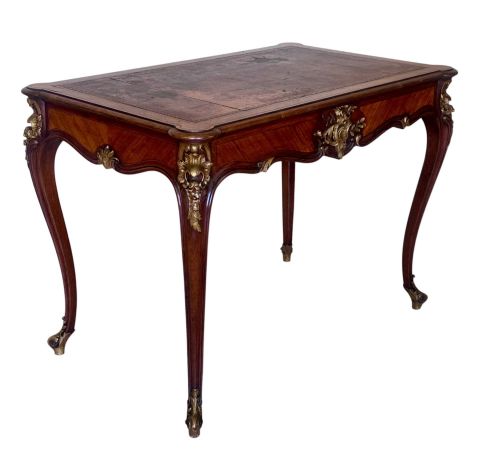
A french rococo bureau combines sinuous curves with refined marquetry and elaborate ormolu mounts.
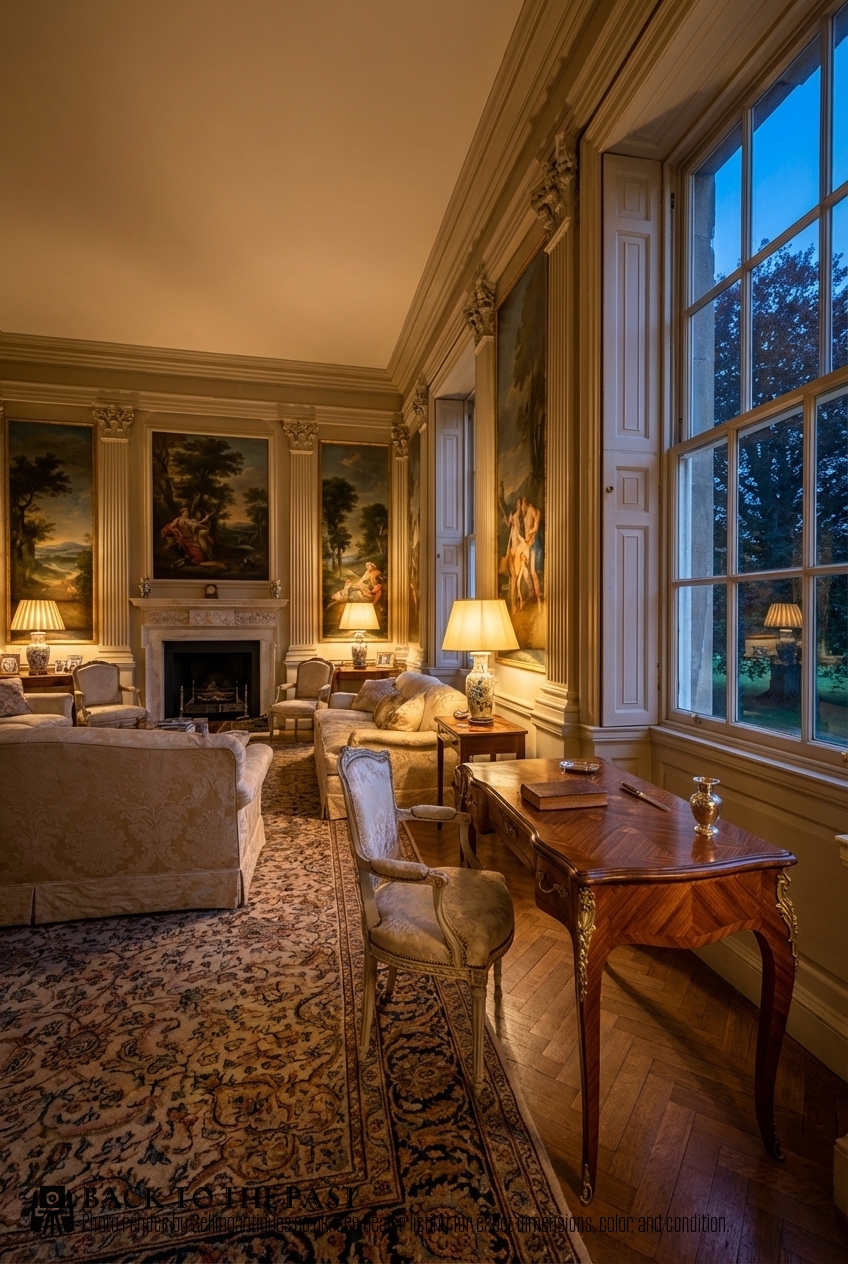
French Rococo Bureau
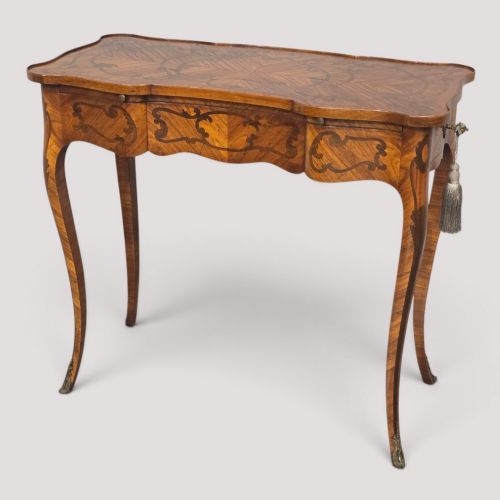
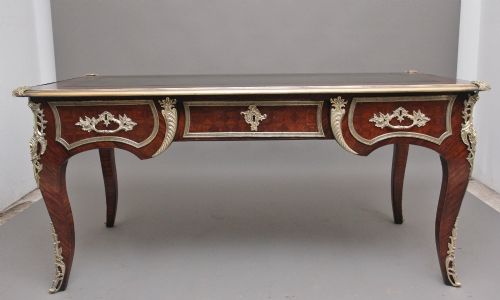
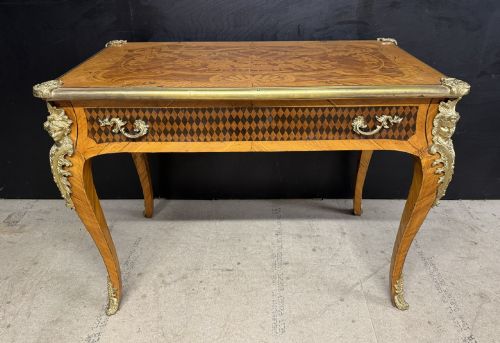
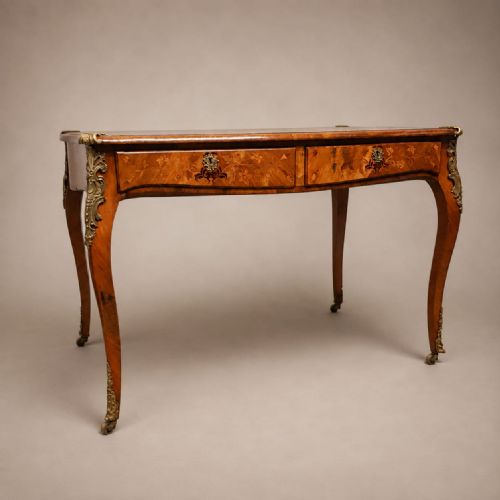
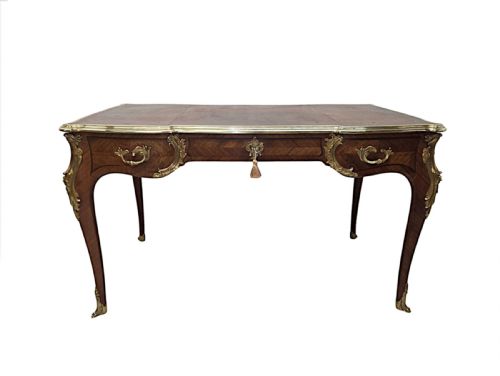
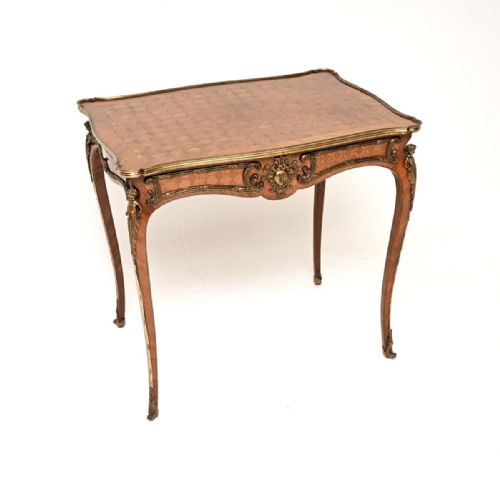
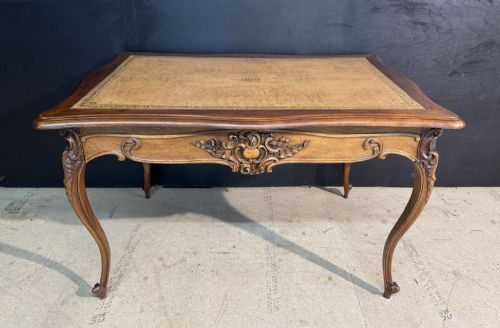
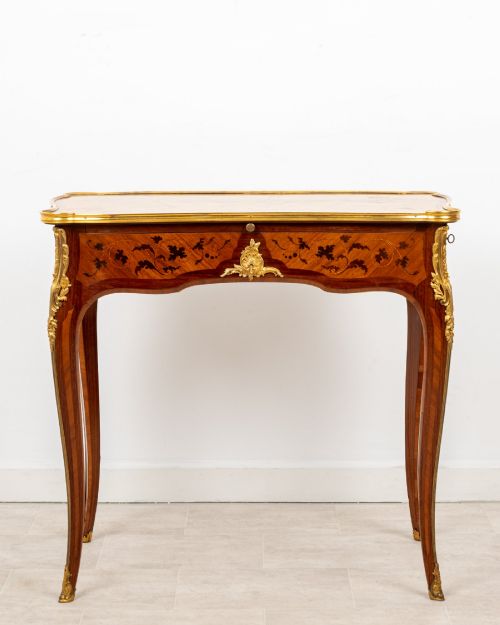
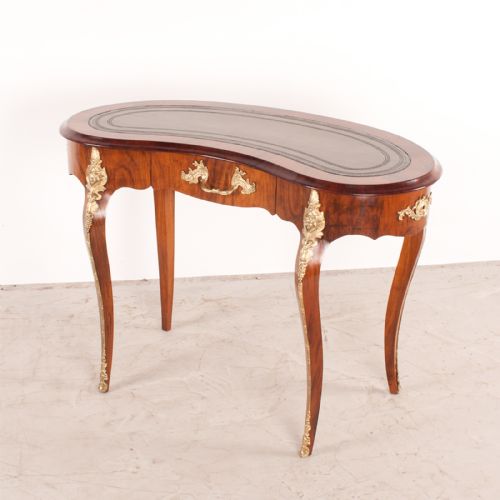
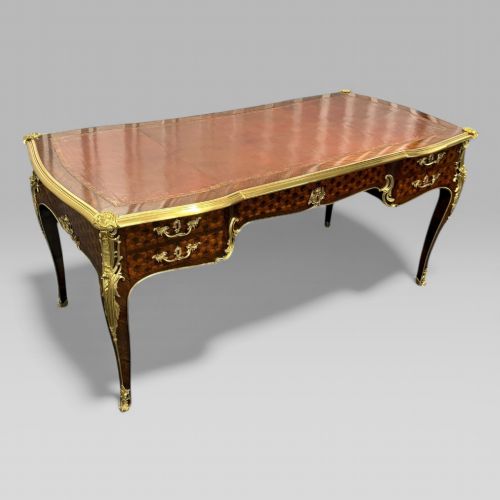
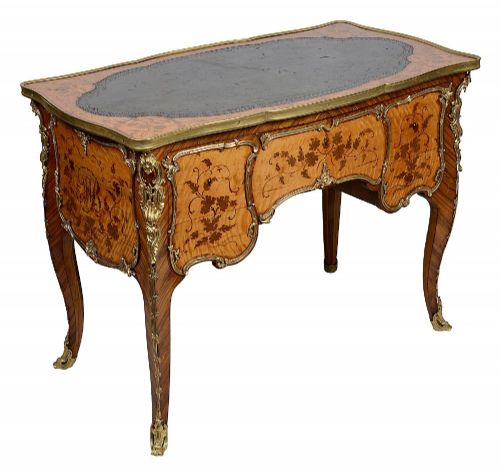
A french rococo bureau encompasses writing tables, bureau plats, and secretaire cabinets originating largely from the nineteenth century revival periods. These pieces frequently manifest as freestanding desks or writing tables designed to command the centre of a room rather than sit against a wall. The forms display signature serpentine contours, kidney shapes, and cabriole legs characteristic of the Louis XV style.
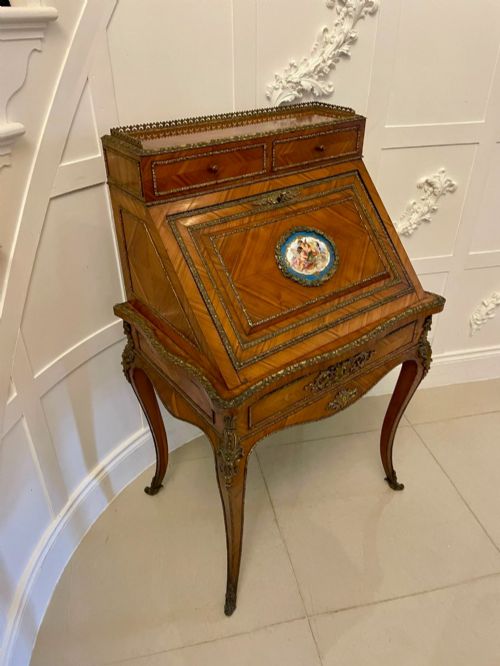
Makers and workshops working during the Victorian era and the late nineteenth century produced varied iterations, from simple walnut writing desks to elaborate kingwood pieces mounted with gilt bronze. Cabinets with porcelain plaques and cartonnier attachments also appear amongst the selections. Buyers encounter both compact writing tables and large proportions suitable for grand interior spaces.
Materials and Construction
Craftsmen utilised foundational timbers such as kingwood, walnut, rosewood, and mahogany, applying intricate marquetry and parquetry in floral or geometric patterns. Surfaces often integrate inset leather writing panels alongside tulipwood and mahogany veneers. Structural frames employ cabinetmaking techniques suited to complex serpentine profiles and curved cabinet doors.
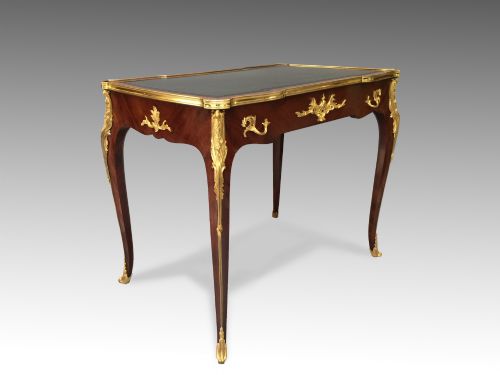
Gilt bronze and ormolu mounts accentuate corners, handles, and sabots, cast and chased to complement the woodwork. Vernis Martin panels and Sevres porcelain plaques appear on specific luxury cabinets, secured alongside marble tops. Brass hardware and secret drawers complete the construction details recorded across the pieces.
French Rococo Bureau Retail Price Guide 2026
Typical asking prices for french rococo bureau among the pieces listed under this phrase on Sellingantiques today, from the lower quarter to the upper quarter. They describe what is for sale here now, not the wider market.
The listings feature pieces primarily from the nineteenth century, including Victorian interpretations and specific dates from 1860 to 1930.
Markers of Quality
Quality rests in the crispness of the bronze chasing and the precision of the veneer work across curved surfaces. Superior examples demonstrate fluid symmetry in the ormolu mounts and meticulous grain matching in the kingwood or walnut marquetry. The weight and integration of the mounts into the wooden structure signal superior workshop output.
Signatures from established makers such as François Linke or Edwards & Roberts elevate a piece, alongside retailers who commissioned high tier furniture. The depth of the colour in the timbers and the refinement of internal drawer construction further distinguish standard revival items from exceptional creations.
François Linke·Edwards & Roberts·CH. Jeanselme & Co·Durand
The French Rococo Bureau Glossary
- Bureau plat
- A freestanding writing table, typically with a leather inset top and drawers fitted into the frieze. These tables originated in France and lack the sloping fall front associated with traditional desks.
- Ormolu
- Gilt bronze ornamentation applied to furniture mounts and hardware. The technique involves coating bronze with a gold amalgam and firing to achieve a durable golden finish.
- Marquetry
- Decorative veneer work forming pictures or patterns using various coloured woods. Craftsmen cut thin pieces of timber and assemble them onto the carcass of the furniture.
- Vernis Martin
- A decorative lacquer technique developed in France, mimicking Asian lacquer finishes. It involves layering varnishes to produce a smooth, luminous surface often painted with pastoral scenes.
- Secretaire
- A cabinet or desk incorporating a writing surface concealed behind a drop front or drawer. These pieces often feature internal pigeonholes and small compartments.
French Rococo Bureau: Frequently Asked Questions
How do I care for kingwood furniture?
Keep kingwood furniture away from direct sunlight and heat sources to prevent the veneers from drying out and cracking. Maintain a stable room temperature to protect the polished wood surfaces.
Dust regularly with a soft cloth and avoid chemical polishes that can damage the antique lacquer and ormolu mounts.
Are these desks practical for daily use?
Many writing tables and bureau plats offer functional work surfaces equipped with pull out trays or drawers. The inclusion of leather inserts provides a durable writing area.
Buyers should consider the height and knee clearance of each specific desk to ensure comfortable everyday use.
How do I identify a revival piece?
Nineteenth century revival pieces emulate earlier eighteenth century Louis XV designs using contemporary construction methods and hardware. Examine the timber ageing, interior secondary woods, and casting techniques on the ormolu.
Maker signatures or retailer stamps often confirm the nineteenth century date of manufacture.