




Brown Marquetry Card Table
A brown marquetry card table brings intricate floral veneers and clever folding surfaces into a room.
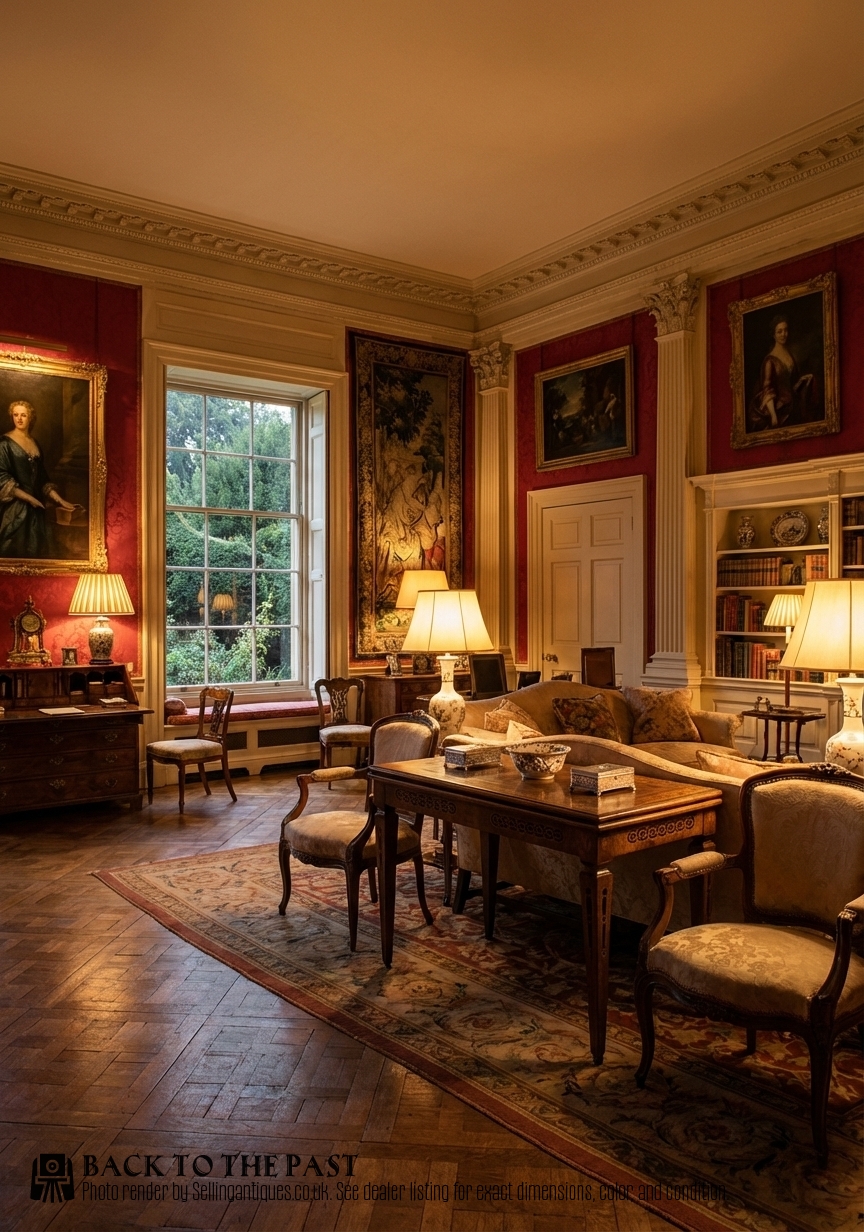
Brown Marquetry Card Table
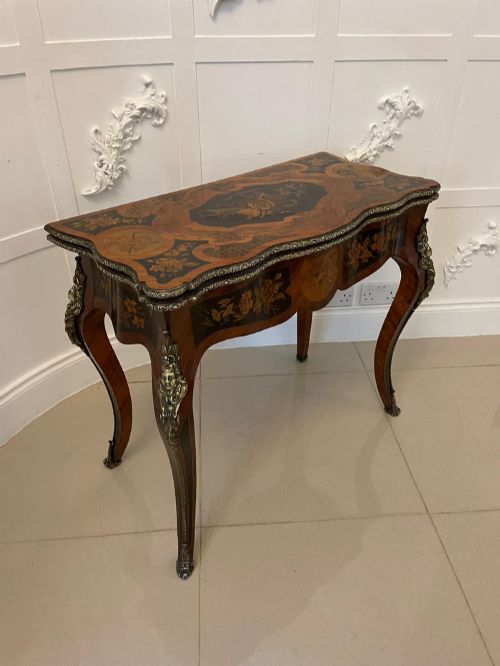
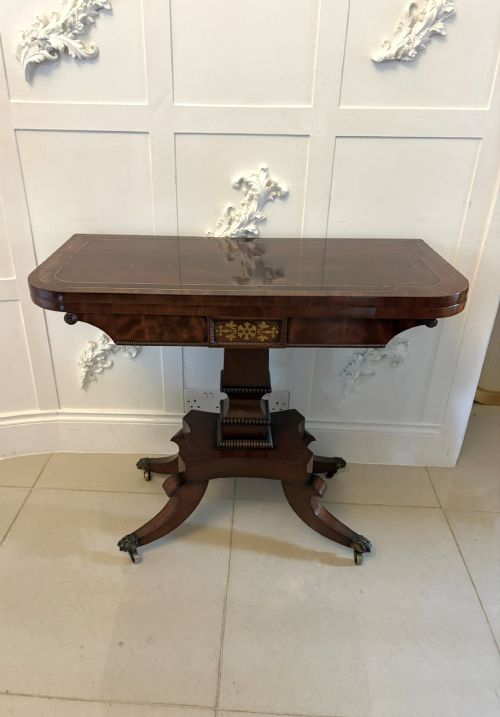
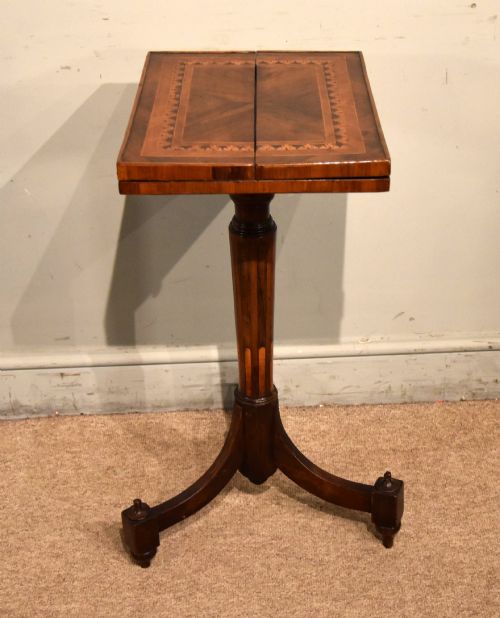
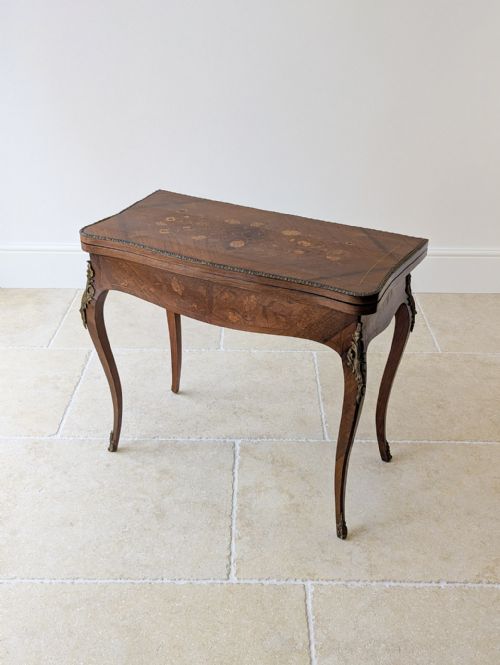
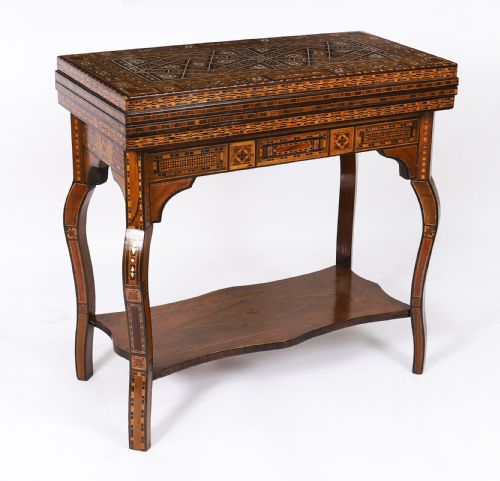
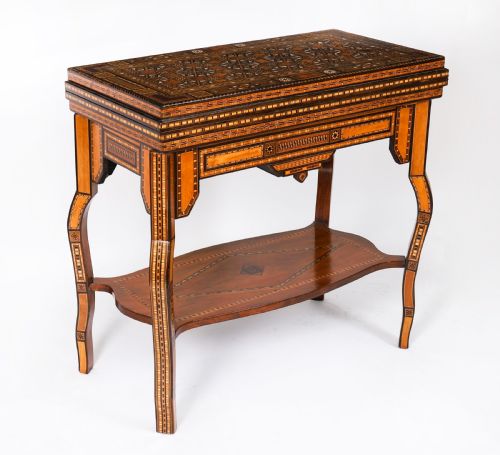
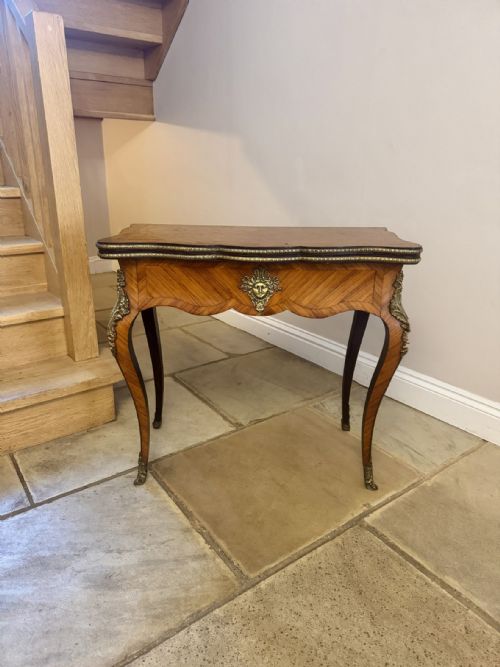
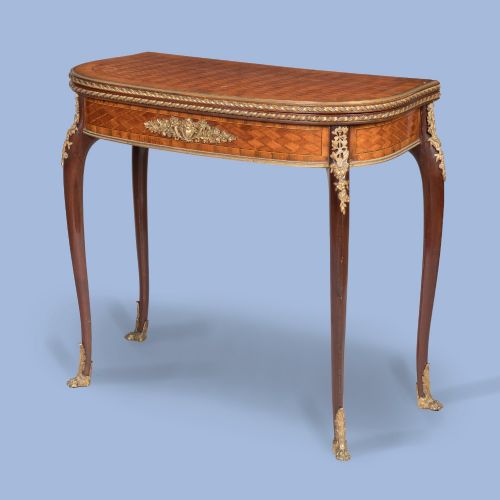
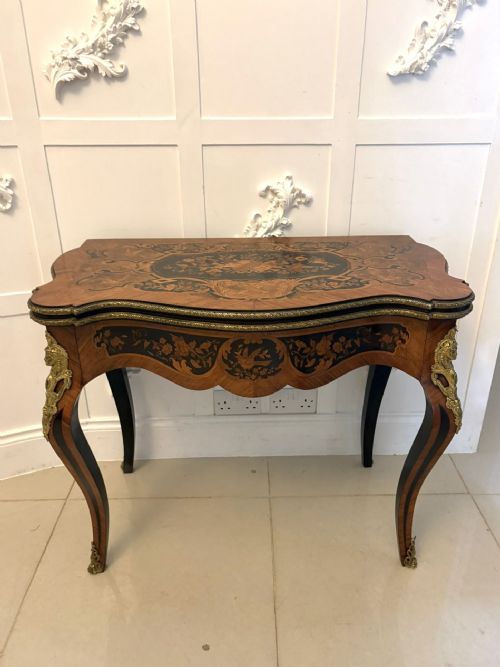
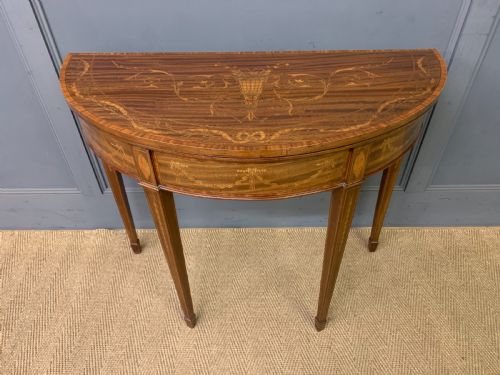
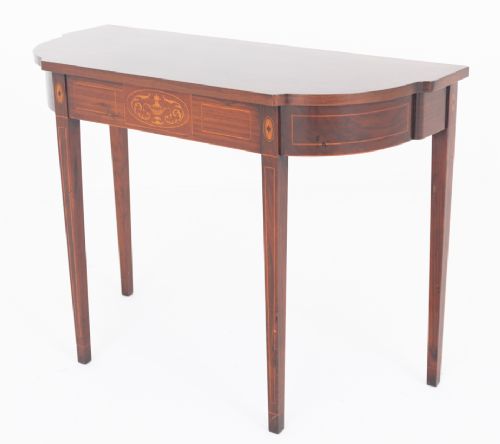
A brown marquetry card table combines a folding or swivel top with detailed wood inlay, serving as both a decorative centrepiece and a functional surface for games. These pieces appear across several periods, most notably the Victorian era and the eighteenth century, taking forms such as demi-lune consoles, envelope tops and rectangular folding tables.
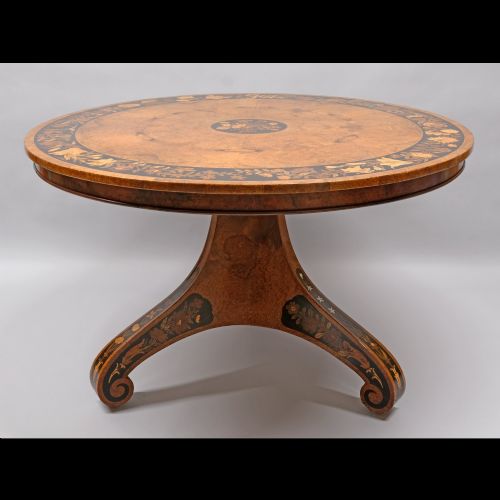
The materials span a rich palette of dark and warm timbers, with walnut, burr walnut, mahogany and rosewood providing the primary ground for contrasting lighter veneers. Marquetry decoration often depicts floral motifs, geometric patterns or pictorial scenes, executed in satinwood, fruitwood and other specialty timbers.
Regional variations introduce distinct cabinet-making traditions, from English Georgian and Sheraton Revival designs to French Louis XV and Louis XVI style pieces mounted in ormolu, alongside Dutch baroque works and Levantine or Syrian creations.
How they were made
Cabinet-makers constructed the carcases from solid timbers such as mahogany or walnut, applying fine veneers of kingwood, satinwood, rosewood and burr walnut to the visible surfaces. Marquetry panels were cut by hand, assembling contrasting wood veneers into intricate floral or geometric designs before pressing them onto the substrate.
Mechanical ingenuity defined the construction of these tables, utilising swivel mechanisms, concertina actions and folding envelope tops supported by pivoting legs or concertina frames. Metal components, including brass hinges and cast ormolu mounts, were integrated to reinforce joints and accent the exterior.
Listings feature walnut, mahogany, rosewood, kingwood, satinwood and burr walnut, alongside brass, ormolu, and fruitwood.
What varies in quality
The standard of the marquetry cutting and the choice of timbers establish the visual distinction between individual pieces. Elaborate pictorial inlay using diverse exotic woods requires exceptional precision from the cabinet-maker.
The sophistication of the internal mechanism dictates mechanical merit. Tables with smooth concertina actions, well-fitted swivel tops or precise envelope folds reflect superior workshop execution.
Holmes Baldock·François Linke·Maple and Co·Howard and Sons
The Brown Marquetry Card Table Glossary
- Marquetry
- Decorative inlay technique where pieces of veneer are assembled to form pictorial or geometric patterns on a wood ground. It differs from parquetry through its use of figurative and floral designs rather than strict geometric tiling.
- Envelope table
- A square games table with four triangular flaps that fold inward to enclose the playing surface. When opened, the flaps rotate to reveal a baize-lined interior.
- Ormolu
- Gilt bronze mounts cast and chased to adorn furniture frames, particularly prominent on French pieces. This decorative metalwork highlights the contours of the table skirt and legs.
- Concertina action
- An expandable frame mechanism that allows a table back to extend outward when the top unfolds. This design provides robust support for the open leaf without central legs.
- Cross-banding
- A border of veneer laid around the perimeter of a tabletop with the grain running perpendicular to the centre panel. It creates a neat visual frame for the central marquetry.
Brown Marquetry Card Table: Frequently Asked Questions
How do you open a folding card table?
Most folding designs rely on a swivel top that rotates ninety degrees before lifting the hinged leaf to rest flat upon the frame. Some incorporate a concertina action where the rear rail pulls outward to support the unfolding leaf.
Care must be taken to support the weight evenly during operation to avoid straining antique hinges or pivots.
What were these tables used for originally?
These tables served primarily for social card games, chess, backgammon and general parlour entertainment in domestic drawing rooms. Between game nights, the folded tops provided a convenient surface for lamps, decorative objects or tea service.
Their versatility made them central items of furniture in formal reception spaces.
How do I care for a marquetry surface?
Maintenance requires keeping the timber away from direct sunlight and maintaining stable humidity to prevent veneer lifting or wood cracking. Regular dusting with a soft, dry cloth preserves the finish without abrasive polishes.
Wax polishing applied sparingly helps nourish the old wood and maintains a gentle lustre.
How can I tell the period of a table?
Dating relies on examining the secondary woods inside the carcase, the style of the marquetry motifs, and the construction methods of the folding mechanism. Georgian pieces often show simpler interior framing and distinct mahogany secondary timbers, while Victorian examples frequently employ burr walnut and heavier cast mounts.
Stylistic cues such as Louis XV curves or Sheraton Revival straight tapered legs further narrow the date of manufacture.