
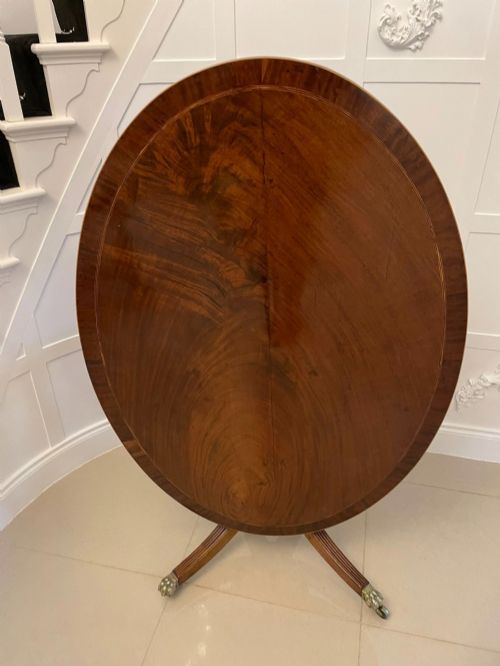
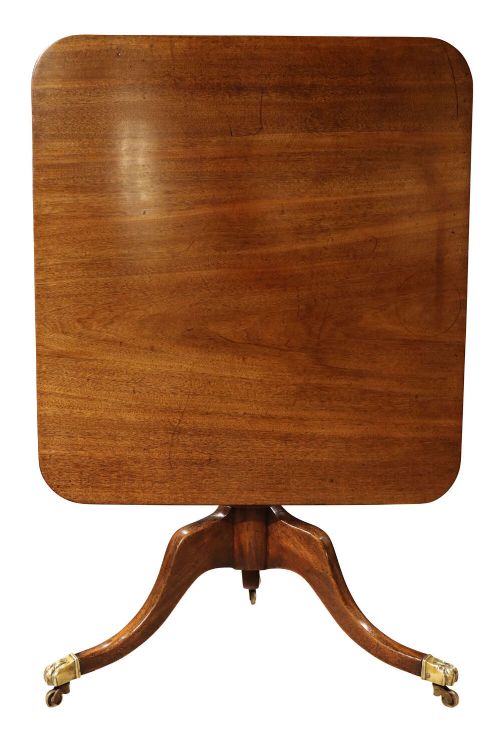
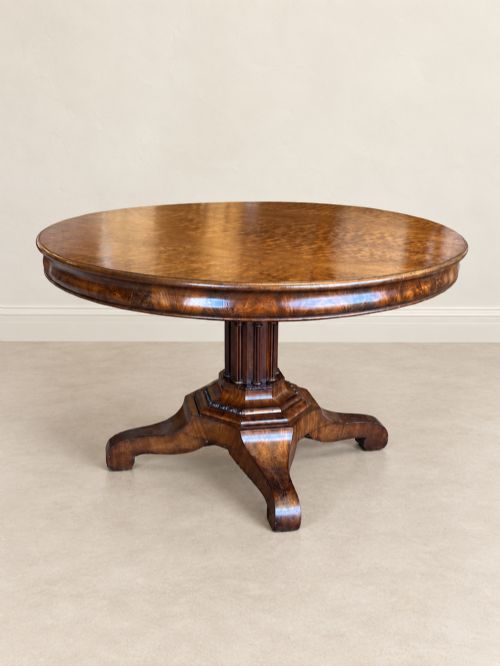
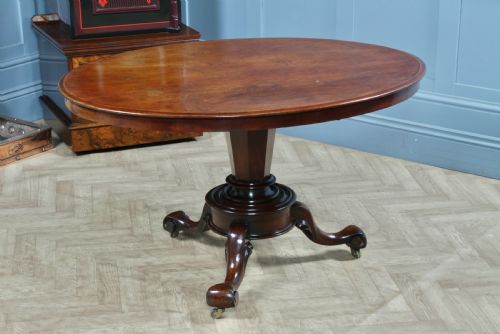
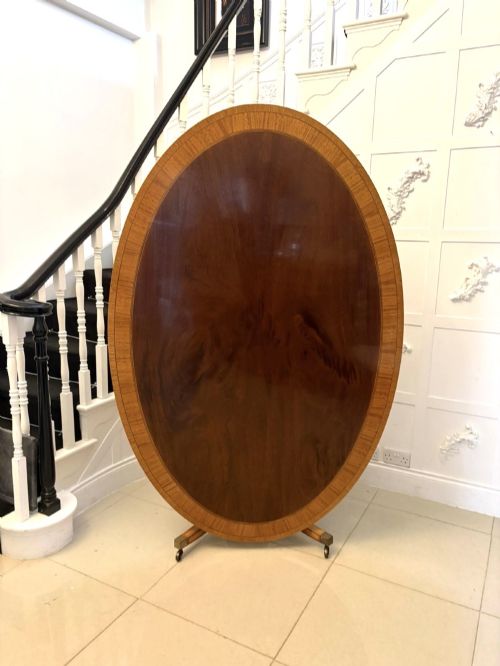
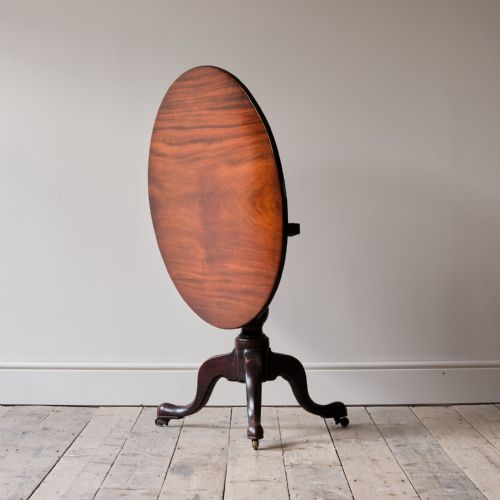
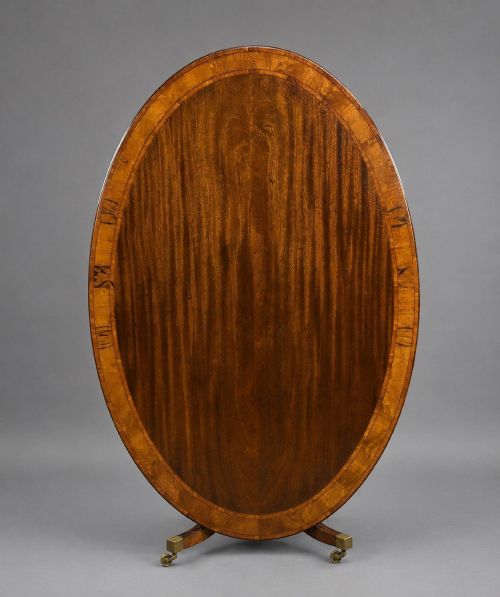
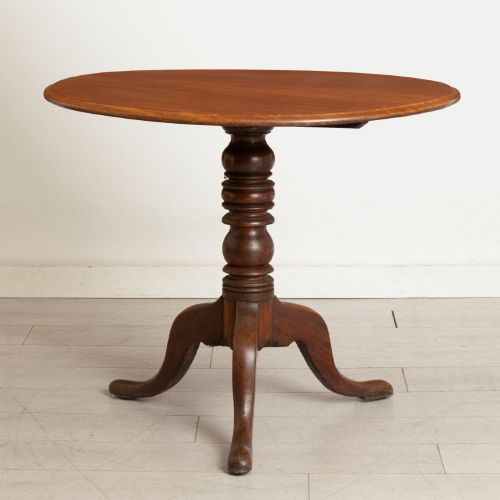
Brown Mahogany Breakfast Table
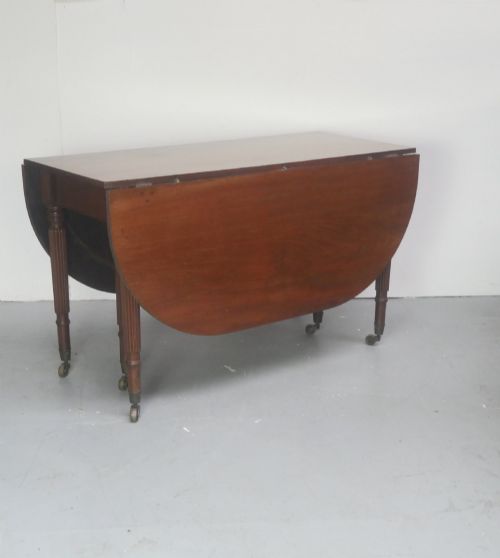
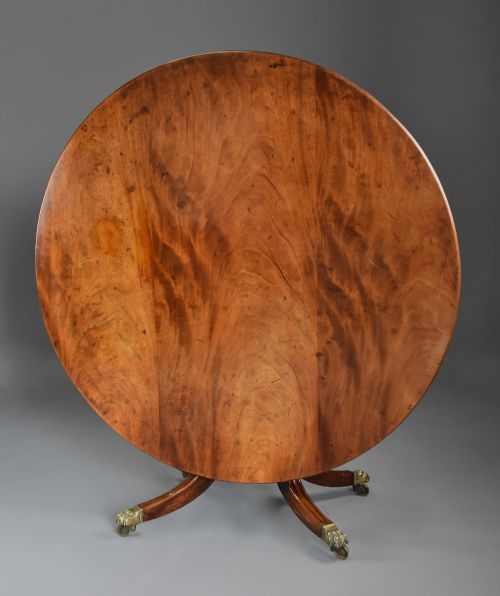
A brown mahogany breakfast table brings timber warmth and flexible dining space into a room, spanning periods from the Georgian era to the Victorian age.
How they were made
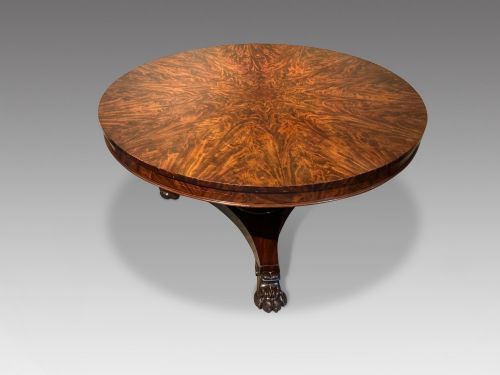
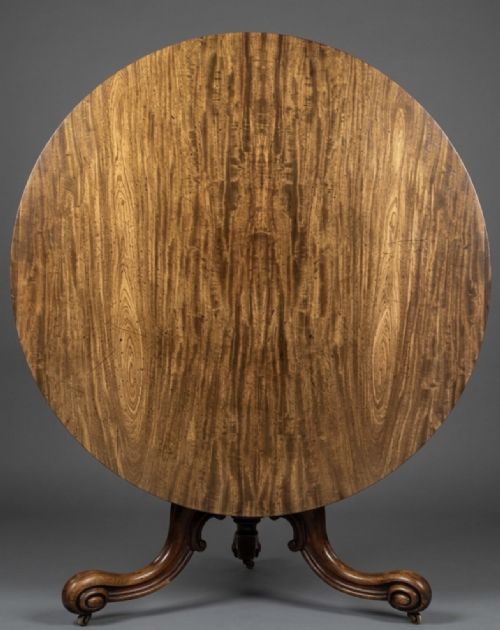
Cabinet makers built these tables primarily from solid and figured mahogany, frequently incorporating flame mahogany veneers to accentuate the grain, alongside secondary timbers such as oak and walnut.
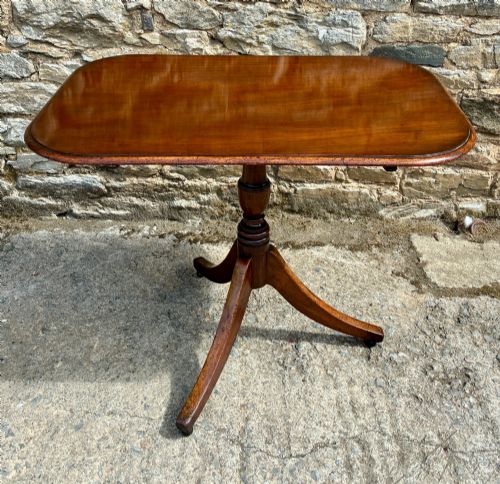
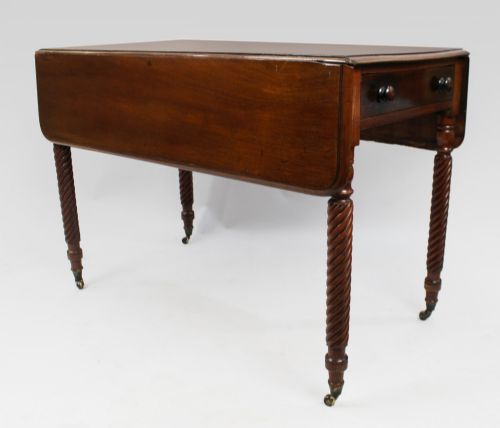
Decoration often involved intricate wood inlay, satinwood crossbanded borders, and subtle brass details, combined with sturdy central pillars, tripod legs, and drop-leaf mechanisms.
What varies in quality
The distinction between ordinary workshop pieces and exceptional examples rests in the selection of figured timber, the depth of the faded patina, and the precision of the crossbanding and inlay work.
Structural execution dictates overall merit, seen in the stability of the central pillar, the seamless movement of drop-leaf actions, and the balanced proportions of tripod or pedestal bases.
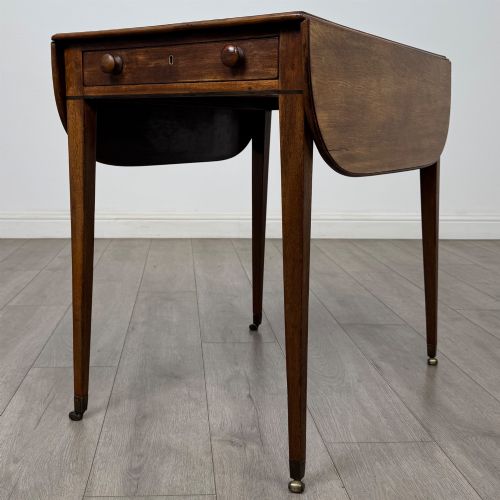
Several tables feature built-in silver drawers complete with working keys, keeping breakfast cutlery securely tucked away.
Gillows
The Brown Mahogany Breakfast Table Glossary
- Tilt-top table
- A table designed with a mechanism allowing the circular or oval surface to pivot vertically when not in use. This clever space-saving feature lets the piece stand flat against a wall.
- Crossbanding
- A decorative border technique where strips of veneer are laid so their grain runs at right angles to the central panel. Satinwood is frequently used this way to frame mahogany surfaces.
- Pembroke table
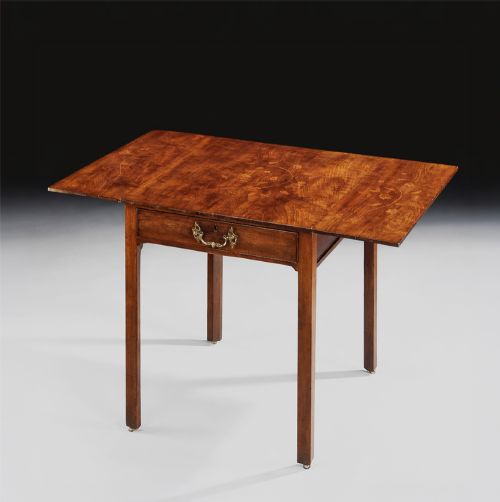
- A drop-leaf table featuring two hinged flaps on opposite sides and often a small drawer beneath the top. It provides versatile surface area in smaller rooms.
- Tripod base
- A pedestal support resting on three spreading legs. This construction provides stable footing for central column tables.
Brown Mahogany Breakfast Table: Frequently Asked Questions
What is a brown mahogany breakfast table?
A brown mahogany breakfast table is a versatile wooden dining or centre table originating mostly from the Georgian, Regency, and Victorian periods. They often feature circular tops, central pedestals, or drop leaves designed for flexible daily use.
These pieces were constructed to accommodate morning meals or social gatherings before being cleared or tilted out of the way. Their enduring appeal lies in the rich grain of the mahogany timber and traditional cabinet-making craftsmanship.
How do I seat six people at one?
Many circular, oval, and Pembroke formats provide ample surface area to seat six guests comfortably. Tables with central pedestal columns or drop leaves offer legroom and adaptability for larger dining groups.
Larger George III and Regency examples handle multiple diners easily while maintaining sturdy structural support through their heavy wooden bases and pedestals.
How do I tell Georgian from Victorian tables?
Georgian and George III examples typically date from the late eighteenth to early nineteenth centuries, displaying restrained elegance, Cuban mahogany timber, and fine inlay work. Victorian pieces from later decades often incorporate heavier proportions and elaborate figured veneers.
Examining the underlying secondary woods, structural joinery, and specific decorative flourishes helps clarify the exact period of manufacture.
How do I care for mahogany timber?
Maintain mahogany surfaces by keeping them away from direct heat sources and strong sunlight, which can fade the natural patina and dry out the wood. Regular dusting with a soft cloth preserves the polished finish.
Avoid harsh chemical cleaning products and rely instead on traditional beeswax applications to nourish the grain and protect the antique finish over time.