


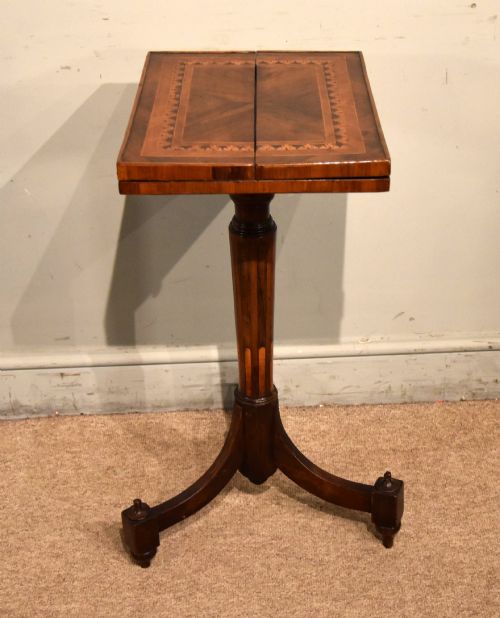
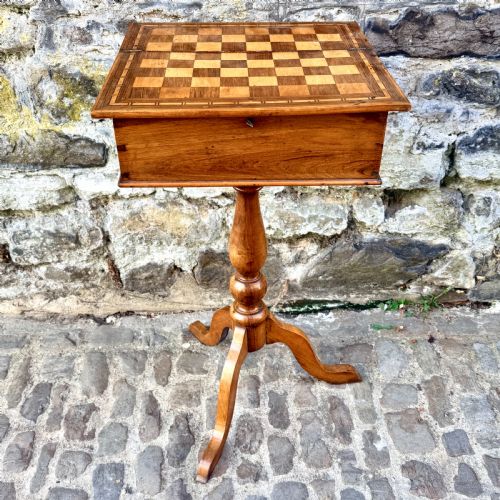
Brown Inlay Pedestal Table
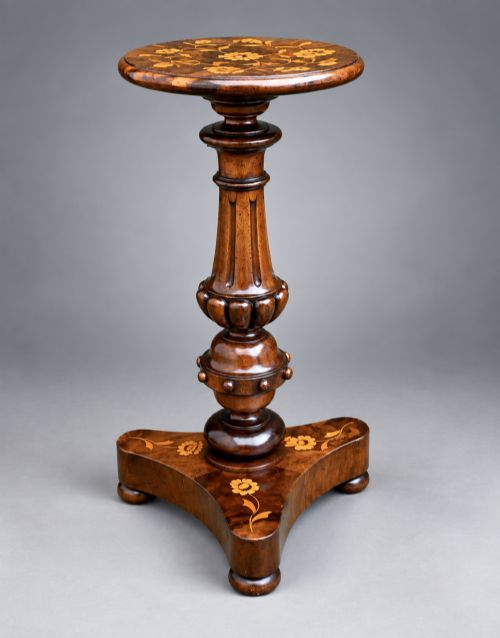
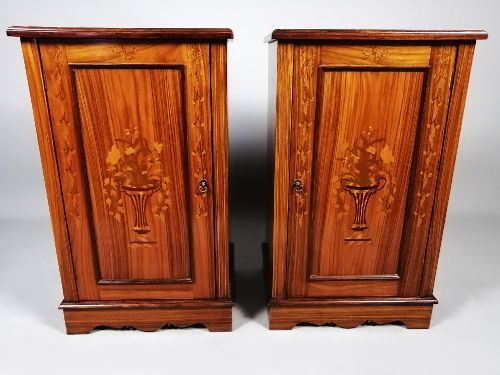
These brown inlay pedestal table examples combine rich timber surfaces with precise botanical decoration, offering a functional centrepiece for classical rooms.
Brown Inlay Pedestal Table
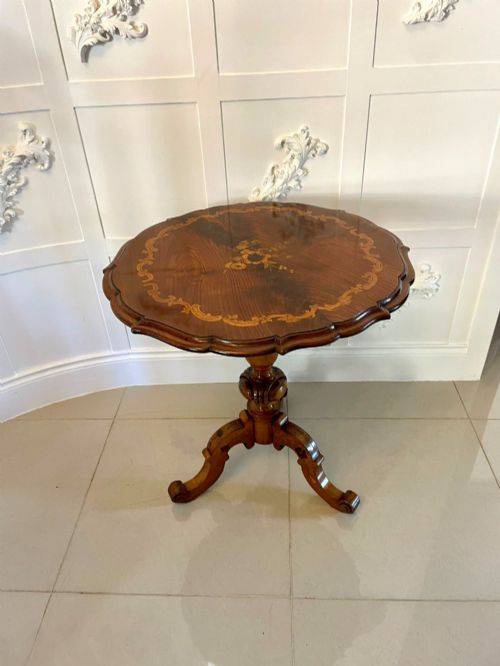
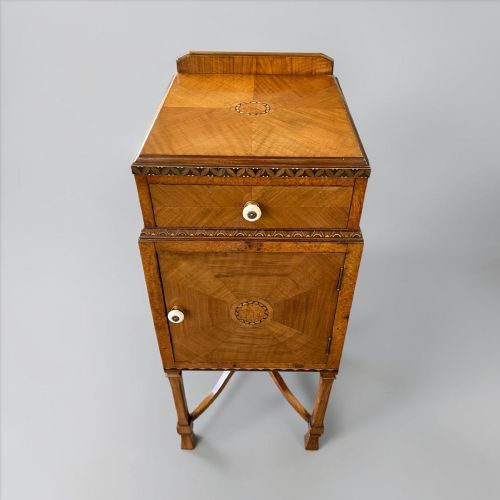
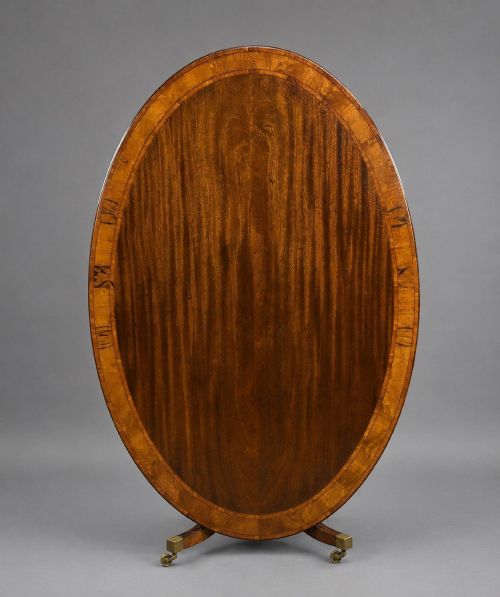
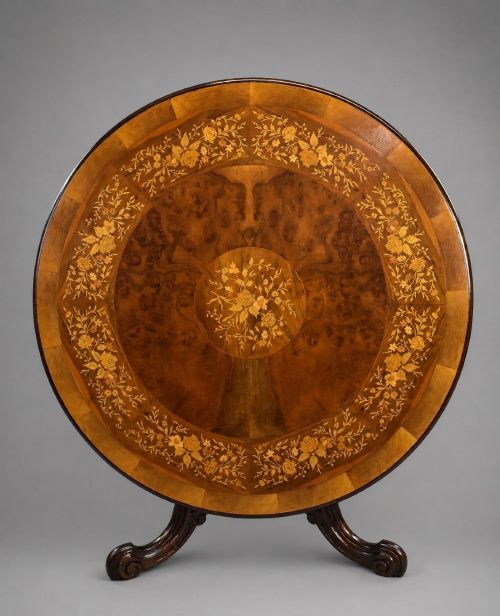
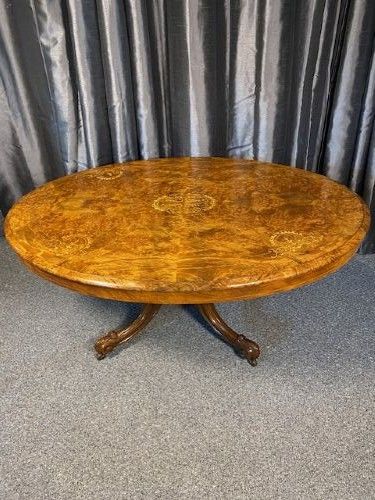
A brown inlay pedestal table typically appears as a Victorian or nineteenth-century occasional piece, centre table, or lamp table supported by a central column. Buyers encounter walnut and mahogany versions most frequently, often featuring contrasting marquetry across the top.
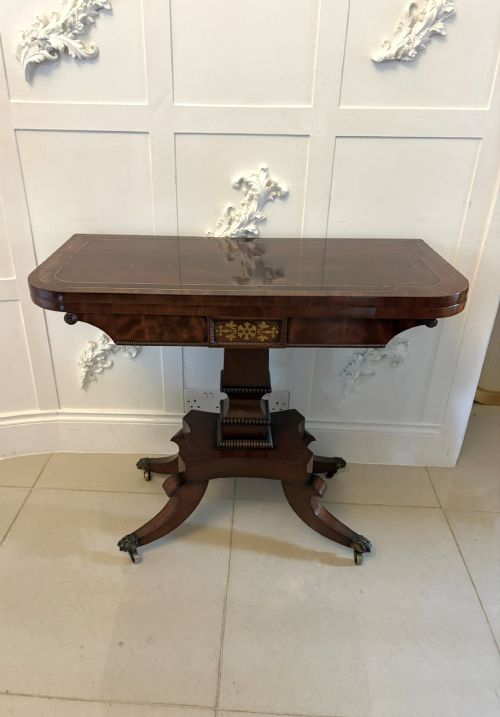
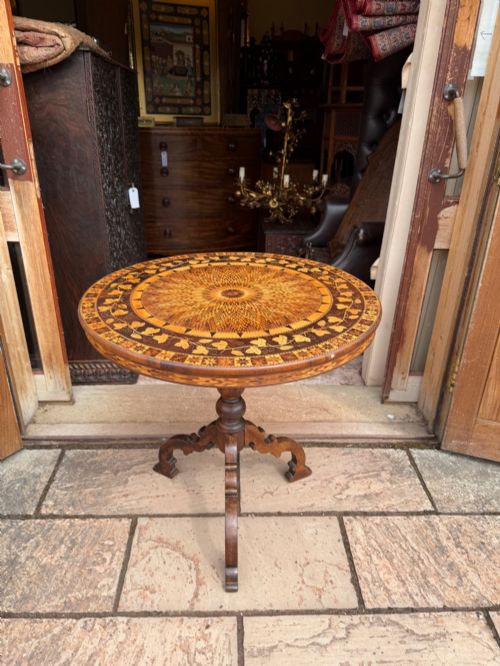
The selection ranges from compact tripod tables with delicate boxwood stringing to larger games and centre tables from the Victorian period. English Regency and Edwardian interpretations also emerge, alongside occasional Italian and regional examples.
Makers utilised the pedestal form to display complex banded veneers and floral motifs without losing the stability required for daily domestic use.
Materials and Technique
Cabinetmakers constructed these pieces using dense foundational timbers like mahogany and walnut, applying burr walnut or satinwood veneers to prominent surfaces to create lively grain patterns. Brass, boxwood, and ivory provided contrasting linear detail.
Marquetry and inlay techniques involved cutting precise recess channels into the solid timber or veneer to receive contrasting woods. Craftsmen then scraped and polished the surfaces with shellac to achieve a deep lustre.
Listings demonstrate a strong preference for Victorian burr walnut and Edwardian mahogany, frequently incorporating boxwood and satinwood inlay.
Evaluating the Craft
The distinction between standard production and superior examples lies in the crispness of the botanical or geometric inlay and the selection of timber veneers. Finely figured burr walnut and dense satinwood indicate careful material selection by the maker.
Construction rigidity around the central pedestal block and the junction with the tripod or platform base determines structural longevity. Subtle variations in hand-cut stringing reveal the individual skill of the cabinetmaker.
Edwards & Roberts·Jackson & Graham·Holmes Baldock
The Brown Inlay Pedestal Table Glossary
- Marquetry
- Decorative veneer patterns assembled to form pictorial or floral designs on furniture surfaces. Craftsmen puzzle together different wood species to create tonal contrast.
- Pedestal
- A single central columnar support carrying a table top, frequently resting on splayed legs. This design maximises legroom around the perimeter.
- Boxwood
- A pale, dense hardwood utilised extensively for fine stringing and inlay details. Its neutral colour contrasts sharply against dark mahogany and walnut.
- Burr walnut
- Timber taken from walnut tree growths, displaying complex, swirling grain patterns. It provides rich visual texture on table tops.
- Stringing
- Thin inlay lines of contrasting wood set flush into channels on table tops and legs. This technique frames panels and defines edges.
Brown Inlay Pedestal Table: Frequently Asked Questions
How do I clean the inlaid surface?
Dust gently with a dry, soft cloth to prevent particulate accumulation in the wood grain. Avoid commercial silicone polishes, which soften traditional shellac finishes over time.
Apply a microcrystalline wax sparingly once or twice a year to nourish the timber and protect the delicate boxwood or brass inlay work.
Where should I place this table?
Position the table away from direct sunlight and heat sources to prevent timber shrinkage and veneer lifting. A central hall or reception room allows the top marquetry to be viewed from multiple angles.
Ensure stable humidity levels in the room to maintain the structural integrity of the central pedestal and leg joints.
How do I date these tables?
Examine the timber species, secondary woods, and construction methods visible beneath the base or inside drawers. Victorian examples frequently employ burr walnut and heavy marquetry, while Georgian pieces favour simpler mahogany and satinwood banding.
Look for tool marks and assembly techniques that match known periods, such as hand-cut dovetails or traditional screw fittings.
Can I use it as a lamp table?
These tables provide a stable platform for lighting and decorative objects when placed beside seating. The central pedestal design allows lamps to sit centrally without obstruction from corner legs.
Verify that the tabletop diameter comfortably accommodates your lamp base while leaving the inlay pattern visible.