

Brown Inlaid Centre Table
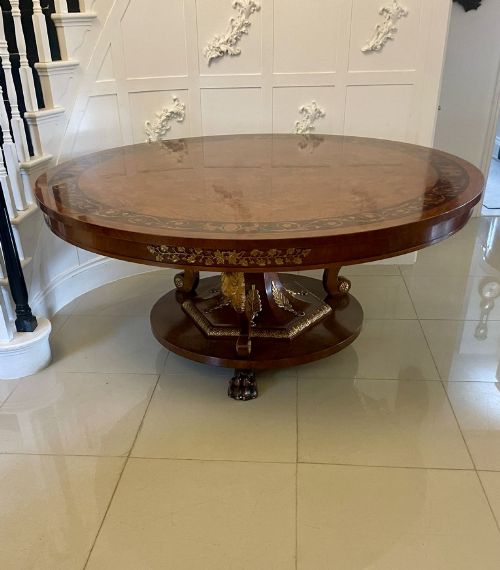
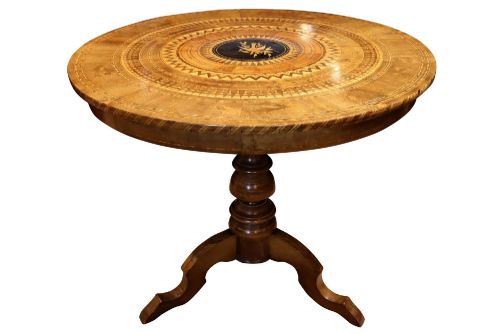
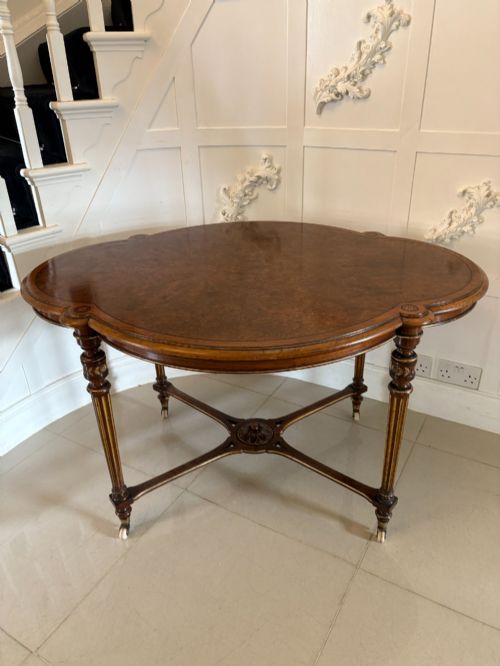
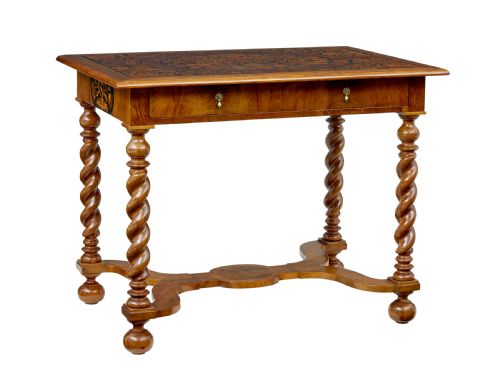
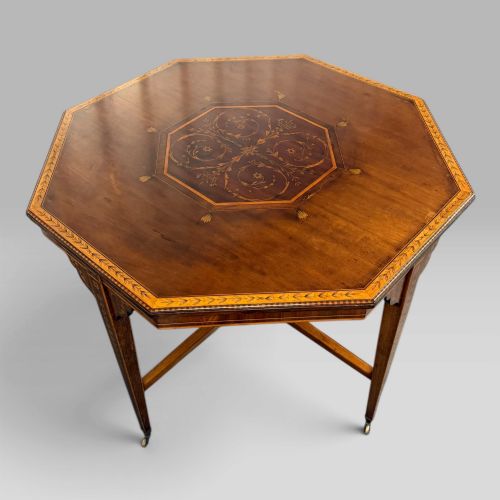
A brown inlaid centre table brings distinct craftsmanship and rich timber tones into a room, serving as a striking focal point.
Brown Inlaid Centre Table
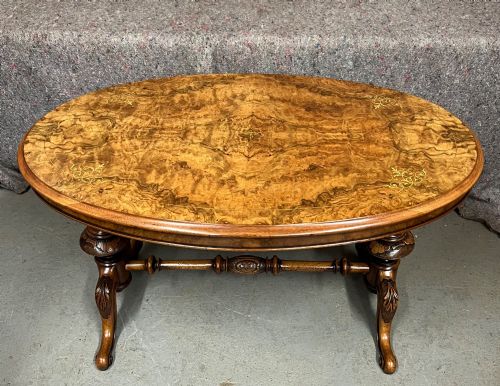
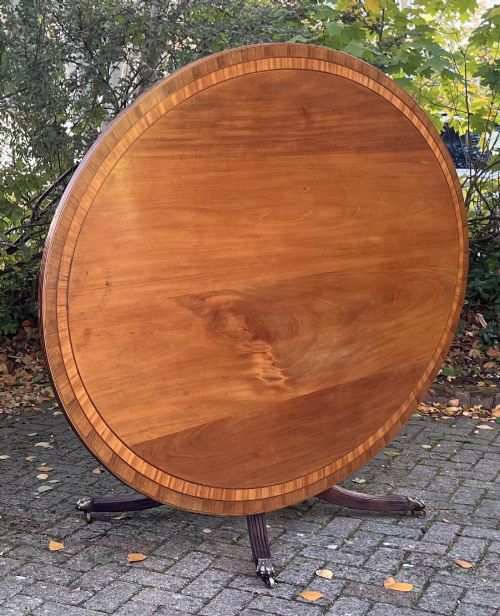
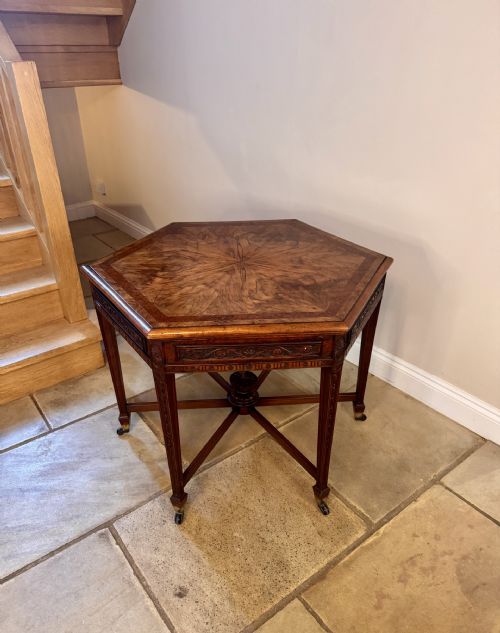
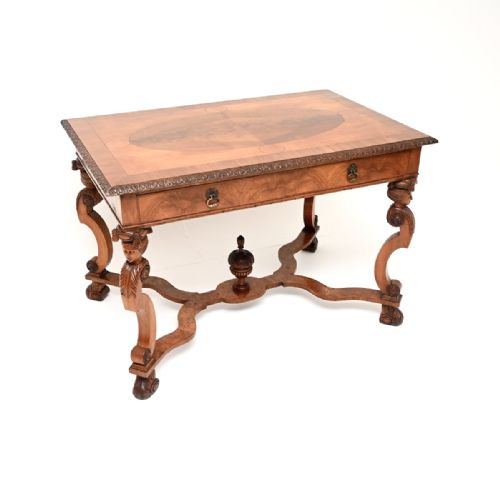
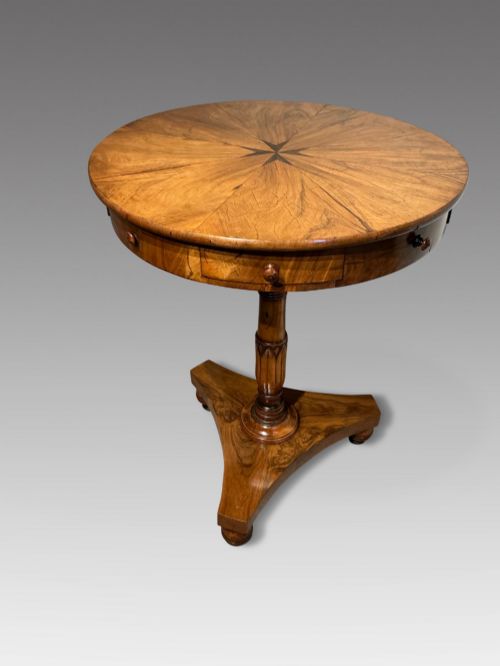
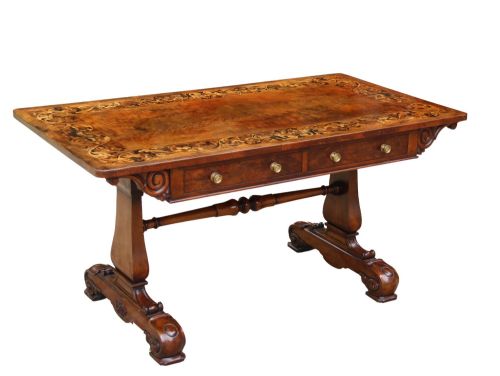
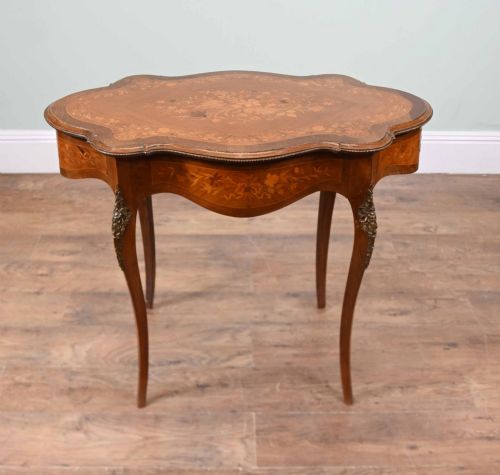
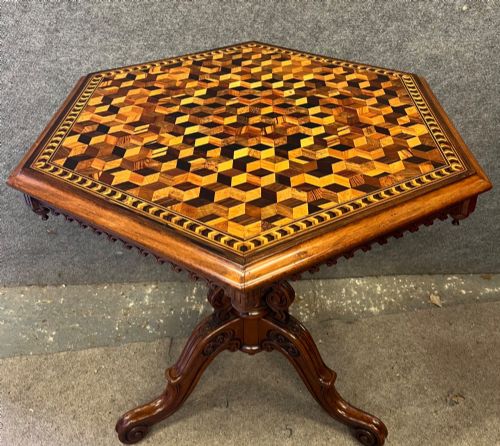
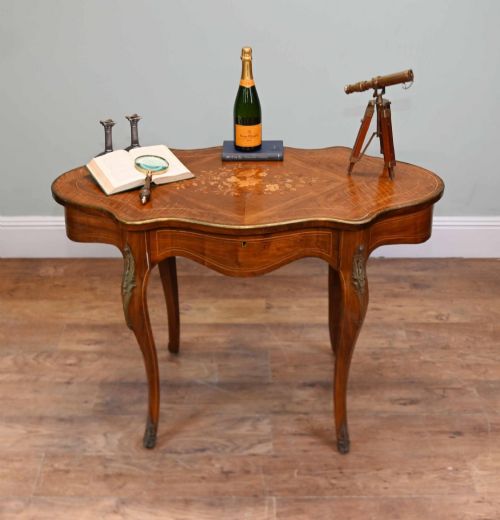
A brown inlaid centre table is a freestanding piece designed to occupy the middle of a room rather than sit against a wall. When you search for this phrase, you encounter forms ranging from circular lamp tables and octagonal tables to larger library and dining pieces.
The materials that define these tables are predominantly rich dark timbers such as walnut, burr walnut, mahogany, and rosewood. These woods provide a deep brown ground that highlights the lighter contrasting tones of the inlaid elements.
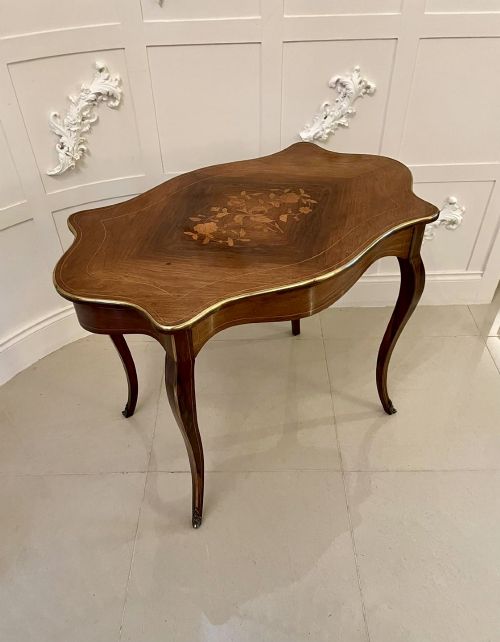
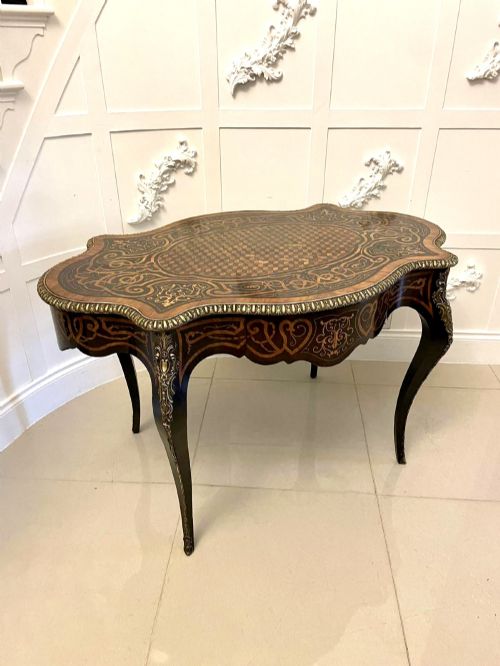
Victorian examples dominate the selection, spanning periods from the mid-nineteenth century through to Edwardian and later interpretations. You will also find French Louis XV revival models alongside specific regional works like Irish Killarney tables.
Materials and construction methods
Cabinet makers utilised dense native and exotic hardwoods for the primary structure and top, selecting figured veneers like burr walnut to create dramatic visual movement. These foundation timbers were chosen for their stability and capacity to take a high polish.
Inlay work involved contrasting woods such as satinwood and boxwood, alongside marquetry pictorial designs and brass stringing set directly into the timber surface. Artisans also incorporated ormolu mounts on French examples to accent the structural lines.
Brown Inlaid Centre Table Retail Price Guide 2026
Typical asking prices for brown inlaid centre table among the pieces listed under this phrase on Sellingantiques today, from the lower quarter to the upper quarter. They describe what is for sale here now, not the wider market.
Distinguishing quality in construction and design
Quality rests in the precision of the timber matching and the crispness of the inlay work. Finer pieces demonstrate seamless integration of contrasting woods where the botanical motifs or geometric lines fit tightly into the recessed channels.
The sophistication of the timber figure defines the upper tier of pieces, particularly where burr walnut or figured mahogany is selected for the top. Heavier carving on the base and superior bronze or brass mounts further separate standard production from exhibition pieces.
Edwards & Roberts·Holmes Baldock·Egan Workshop
The Brown Inlaid Centre Table Glossary
- Marquetry
- Form of inlay where pieces of veneer are assembled to create pictorial or decorative patterns. This technique uses different coloured woods to form elaborate floral or geometric scenes across the tabletop.
- Parquetry
- Geometric mosaic woodwork arranged in repeating patterns such as cubes or triangles. It differs from marquetry by relying on strict geometric repetition rather than pictorial designs.
- Ormolu
- Gilded bronze mounts applied to furniture, particularly popular on French pieces. This decorative metalwork accents the corners, legs, and aprons.
- Burr walnut
- Timber obtained from the warted growths on walnut trees, yielding complex swirling grain patterns. Cabinet makers prized this wood for tabletops because of its striking visual texture.
- Freestanding
- Designed to be viewed from all sides rather than pushed against a wall. These tables feature finished work around the entire perimeter.
Brown Inlaid Centre Table: Frequently Asked Questions
Where should I place a centre table?
A brown inlaid centre table sits naturally in the middle of a spacious room, an entrance hall, or a library where people can walk around it. Because the timber and inlay work are finished on all sides, it commands attention away from the walls.
Ensure there is adequate walkway clearance around the perimeter so the piece functions properly in the space without obstructing movement.
How do I care for walnut and rosewood?
Keep these timbers away from direct sunlight and heat sources to prevent the wood veneers from drying out or splitting. Dust regularly with a soft, dry cloth and avoid silicone-based polishes.
Applying a traditional beeswax occasionally helps nourish the grain and maintains the natural lustre of the polished surface.
How do I date a Victorian table?
Examine the construction methods beneath the top and inside the drawer linings if present, looking for hand-cut dovetails and timber choices typical of the nineteenth century. Victorian pieces often combine robust mahogany or walnut carcases with elaborate burr veneers.
Stylistic clues such as heavy carved pedestals or specific marquetry patterns also point toward the mid to late nineteenth century.
Can I use a centre table for dining?
Certain larger forms, such as specific nineteenth-century library or dining tables, suit regular use, while delicate occasional or lamp tables are better reserved for display. Check the height and leg clearance before attempting to seat people around the piece.
Using protective pads helps safeguard the inlaid veneer surface from heat and moisture during daily use.