
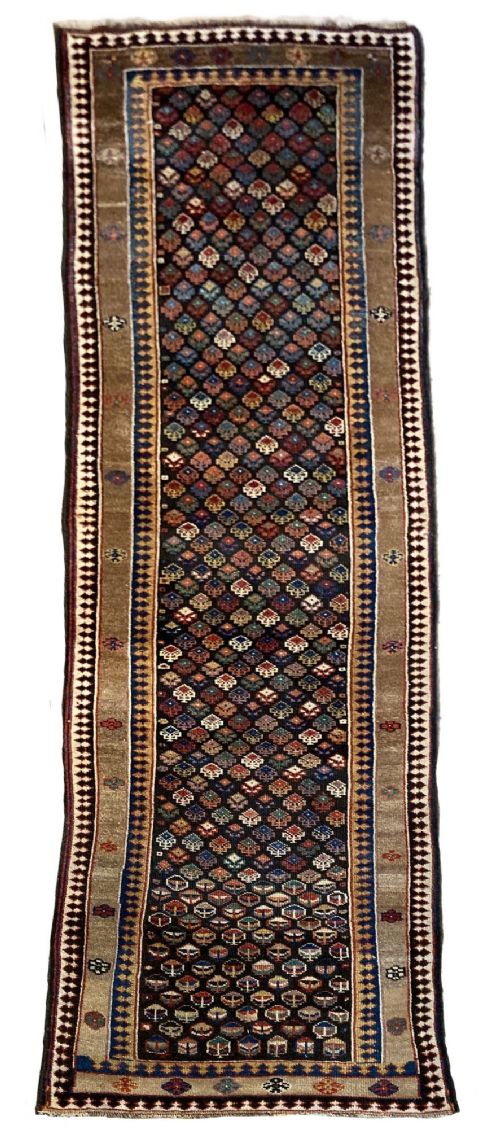
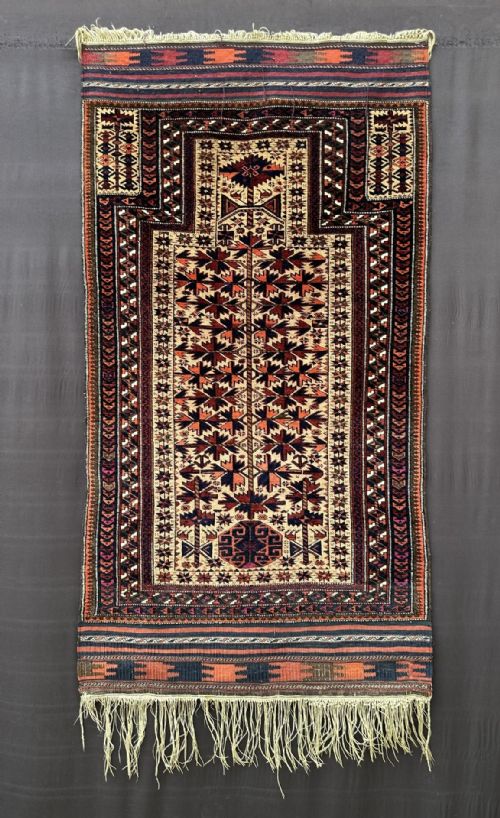


Brown Hand Knotted Carpet
A brown hand knotted carpet brings enduring tribal artistry and rich earthy warmth to floors through traditional village weaving.
Brown Hand Knotted Carpet
A brown hand knotted carpet encompasses traditional tribal and village floor coverings originating from Central Asia, Persia, and the Caucasus. These woven textiles serve functional roles as area rugs, runners, and dedicated prayer rugs within nomadic and settled communities alike.
The pieces represented on this page date primarily from the late nineteenth century through the early decades of the twentieth century. Examples span distinct regional groups including Baluch, Turkmen, Kurdish, and Caucasian weaving traditions.
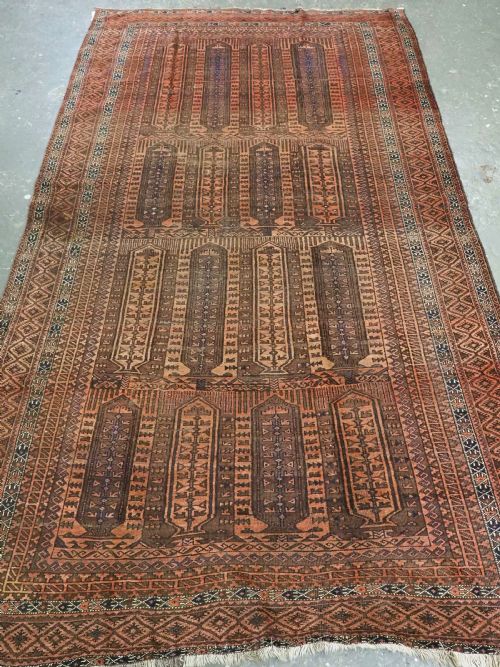
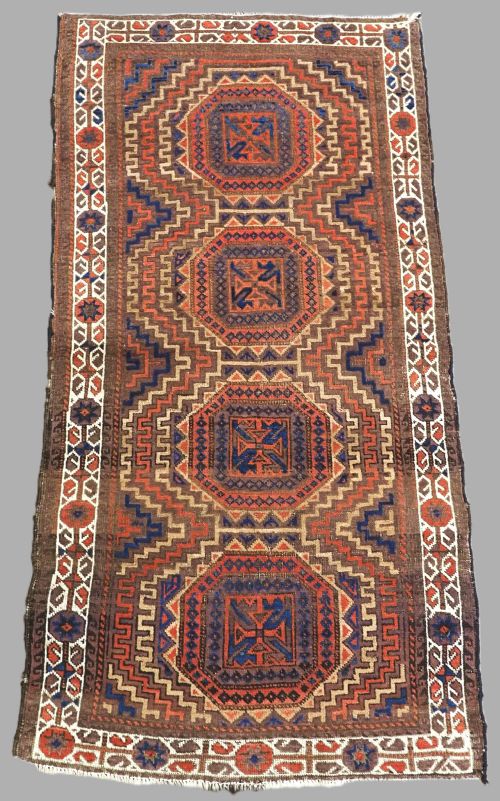
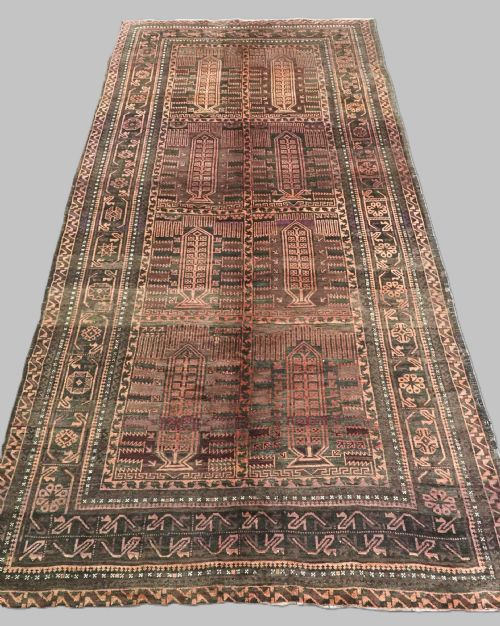
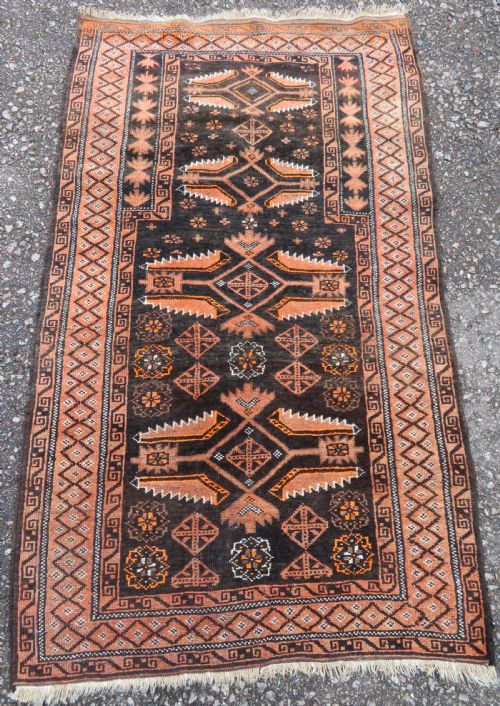
Buyers will frequently encounter formats displaying characteristic geometric motifs, repeating medallions, and architectural mihrab designs. Each piece reflects the specific aesthetic vocabulary of its tribal or village origin.
Materials and construction methods
The construction relies fundamentally on wool foundations and pile, often supplemented by cotton or goat hair elements in the structure. Artisans utilised hand-spun wool and dyed yarn prepared with natural dyes to achieve deep, variegated colour palettes.
Weavers knotted the pile by hand onto warp and weft threads, incorporating techniques that produced durable flatweave kilim ends on select village examples. The combination of local animal fibres and traditional dyeing methods accounts for the structural integrity of these historical textiles.
Several prayer rugs appear ready for quiet reflection, though past nomadic owners likely used them during brisk tea breaks.
Distinguishing quality across pieces
Quality in these woven textiles depends upon the precision of the knotting and the fineness of the wool utilised in the pile. Tighter knot density and well-balanced proportions indicate a higher tier of weaving execution.
The depth and subtlety of natural dye shades contribute significantly to the visual standing of an individual rug. Furthermore, the integrity of the original borders and structural edges marks the difference between standard village work and master tribal weaving.
The Brown Hand Knotted Carpet Glossary
- Gul
- A repeating medallion motif commonly found in Turkmen and Central Asian tribal carpets. These geometric forms often symbolise specific clans or tribal lineages.
- Mihrab
- A niche design representing the direction of prayer, frequently central to the composition of prayer rugs. This architectural element dictates the devotional orientation of the textile.
- Kilim
- A flatwoven end section or separate textile produced without a raised pile. These sections often feature intricate geometric patterns executed via a slit-weave technique.
- Warp
- The vertical threads stretched lengthwise on the loom that form the structural foundation of the carpet. Weft threads are inserted across these structural elements to secure the knots.
- Runner
- A long, narrow format designed specifically for hallways and corridors. These pieces balance linear composition with repetitive border designs to fit confined spaces.
Brown Hand Knotted Carpet: Frequently Asked Questions
How do I clean an antique carpet?
Professional dusting and gentle washing by specialists experienced in historical textiles are recommended for maintenance. Household cleaning chemicals and excessive water can damage natural dyes and wool fibres.
Regular light vacuuming without a rotating power brush helps remove grit from the pile. Keeping the textile away from direct, prolonged sunlight preserves the natural colours over time.
Where were these tribal rugs made?
The pieces originate across regions including Afghanistan, Persia, Central Asia, and the Caucasus. Nomadic tribes and village communities in these areas produced textiles for domestic use and local exchange.
Specific groups such as the Baluch, Yomut, and Kurdish weavers developed distinct regional styles. Their geographical locations directly influenced the materials and motifs employed in each carpet.
What is a prayer rug used for?
Prayer rugs feature a distinct arched mihrab design that indicates the directional focus for daily devotional acts. These smaller formats were portable and suited to the mobile lifestyles of nomadic weavers.
In modern settings, collectors utilise these compact textiles as wall hangings or accent pieces in specific interior spaces. Their symbolic designs provide a focal point distinct from standard area carpets.
How are different tribal styles identified?
Identifying a tribal style relies on examining the specific structural patterns, border arrangements, and structural materials. Distinct motifs such as large guls or pencil box designs point towards specific regional workshops or nomadic groups.
Colour combinations and weaving structures also offer clues to the origin of an antique piece. Comparing edge finishes and knotting styles helps separate one tribal tradition from another.