


Brown Glazed Pottery Pitcher
A brown glazed pottery pitcher brings rich, earthy tones and tactile historical character to any room.
Brown Glazed Pottery Pitcher
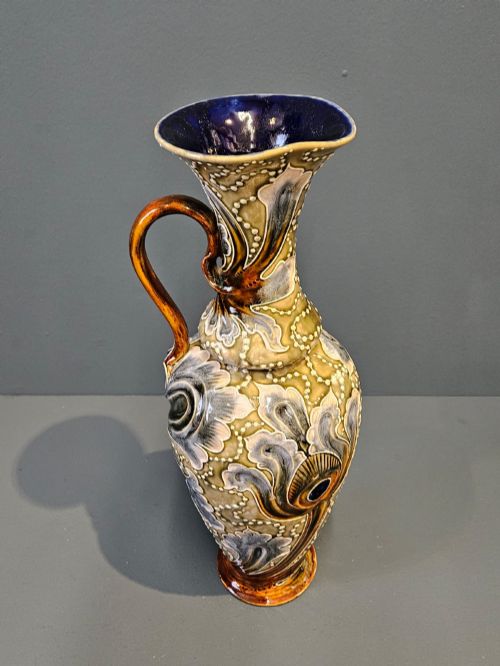
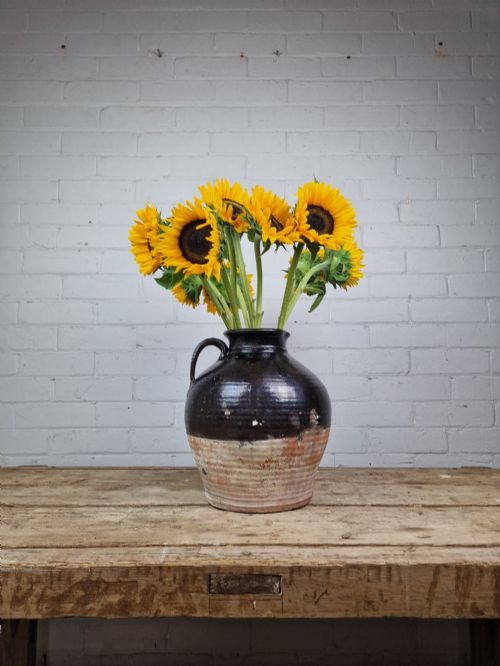
A brown glazed pottery pitcher spans several centuries of ceramic tradition, running from robust seventeenth-century vessels to ornate Victorian creations. When exploring this selection, buyers encounter functional jugs, decorative ewers, and specialised drinking vessels formed from heavy clay bodies.
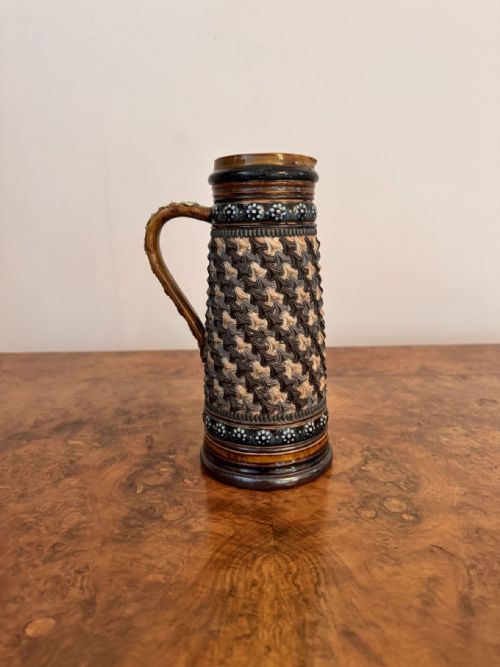
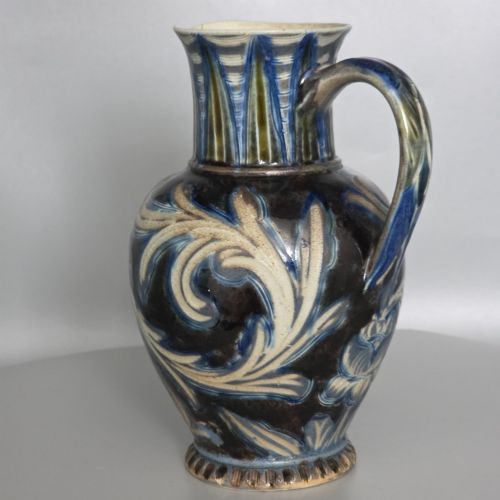
The assortment on this page leans heavily toward Victorian stoneware and earthenware pieces, particularly salt glazed and lead glazed items from prominent potteries. These jugs range from simple tavern vessels to elaborate art pottery adorned with relief motifs or metal collars.
How they were made
Potters shaped these vessels from heavy earthenware and dense stoneware clay, often utilising traditional throwing techniques on a wheel. The foundational body was then finished with specialised liquid glazes to ensure liquid retention and create a glossy or semi-matte surface.
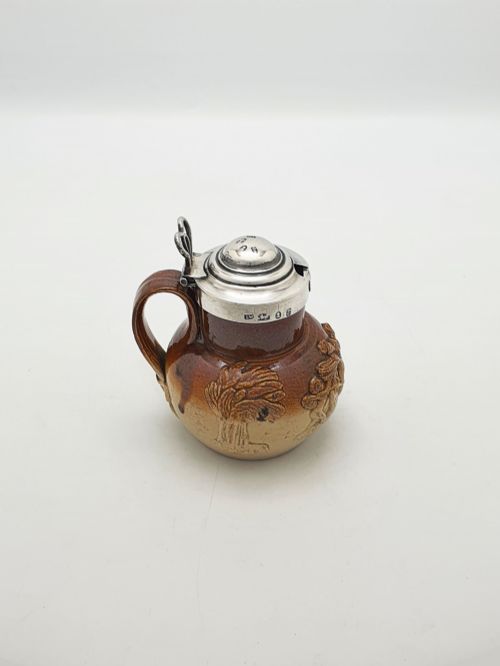
Makers introduced rich colour through lead glazes, salt glazing methods, and slip decoration applied directly to the damp clay body. Many high-period pieces incorporate fitted sterling silver collars, hinged lids, or silver plated mounts attached securely to the ceramic rims.
Listings feature stoneware, earthenware, and salt glaze materials spanning the Victorian era and the seventeenth century.
What varies in quality
The distinction between standard utility vessels and superior collector pieces rests in the sharpness of the incised or moulded decoration and the depth of the glaze. Master potters achieved rich, consistent surface textures that elevate a simple pouring vessel into a sculptural art object.
Superior examples often feature documented maker stamps, crisp relief work, and integrated precious metal mounts such as sterling silver rims or hinged lids. The refinement of the clay body and the sophistication of the decorative motifs separate ordinary utilitarian ware from exhibition-grade pieces.
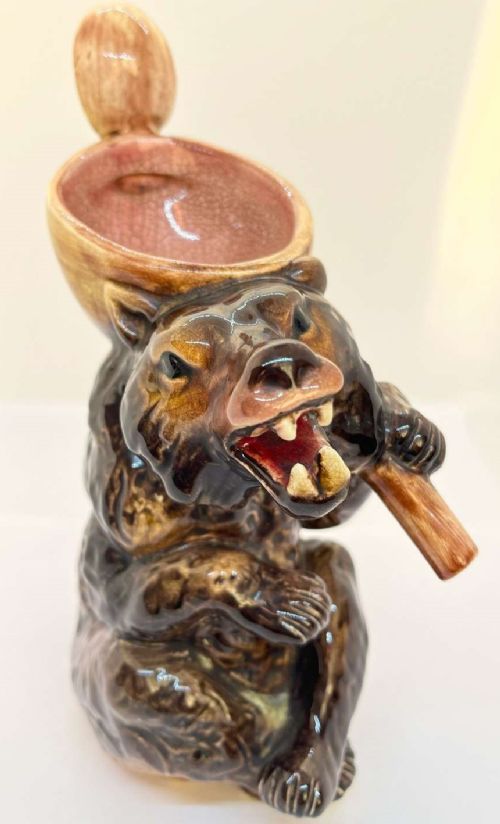
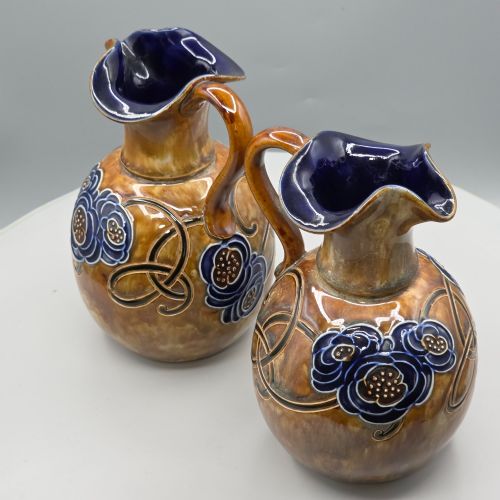
Holdcroft Majolica·Doulton Lambeth·George Jones
The Brown Glazed Pottery Pitcher Glossary
- Stoneware
- A dense, vitreous ceramic fired at high temperatures until the clay body becomes non-porous and incredibly durable. It forms the robust foundation for many historical utility jugs and art pottery pieces.
- Salt glaze
- A vitreous coating created by throwing common salt into the kiln during high-temperature firing, producing a distinctive orange-peel texture. This finish protects the porous clay beneath while adding a subtle sheen.
- Slipware
- Pottery decorated with slip, a liquid clay mixture applied to the unfired body before glazing to create contrasting linear or pictorial patterns. This technique appears on traditional utilitarian vessels and decorative folk pieces.
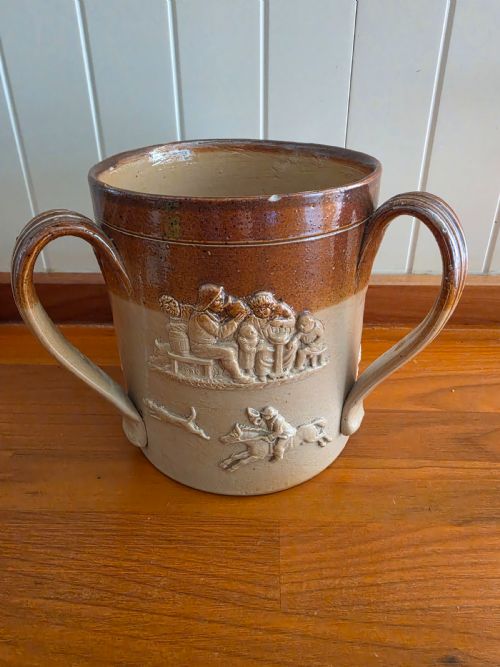
- Tyg
- A large drinking vessel featuring multiple handles designed for communal passing around a table during gatherings. These sturdy ceramic forms date back centuries and often display robust stoneware construction.
Brown Glazed Pottery Pitcher: Frequently Asked Questions
How were these pitchers used historically?
These pitchers served primarily for pouring liquids such as ale, water, milk, or cider at the table or in public taverns. Larger examples functioned as storage flagons or communal drinking vessels.
Over time, many forms evolved into decorative display items or specialised tea service components within domestic settings.
How do I date a ceramic pitcher?
Dating a ceramic pitcher involves examining the clay body, glaze characteristics, and any stamped factory marks on the base. Stylistic clues like Art Nouveau motifs or Victorian relief decoration offer further chronological markers.
Accessory elements such as sterling silver rims or hallmarks often provide precise manufacturing years through official assay records.
Can I use an antique pitcher for serving?
While many antique pitchers remain physically robust enough to hold liquids, collectors generally avoid using older porous ceramics for daily food service. Historic glazes and aged interior surfaces may react poorly with modern acidic beverages.
Displaying these vessels safely preserves their structural integrity and protects the original glaze from modern wear.