


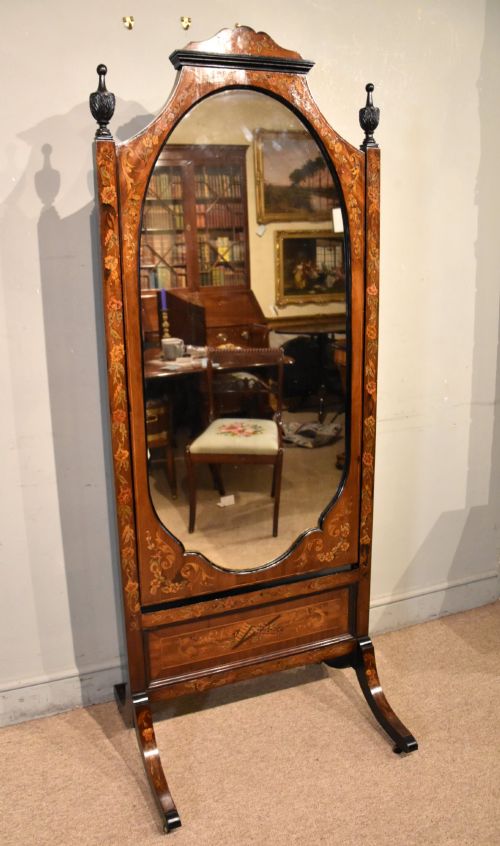
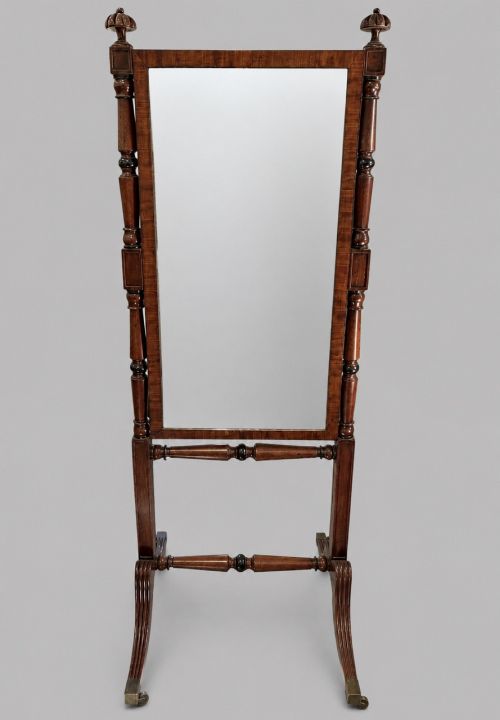
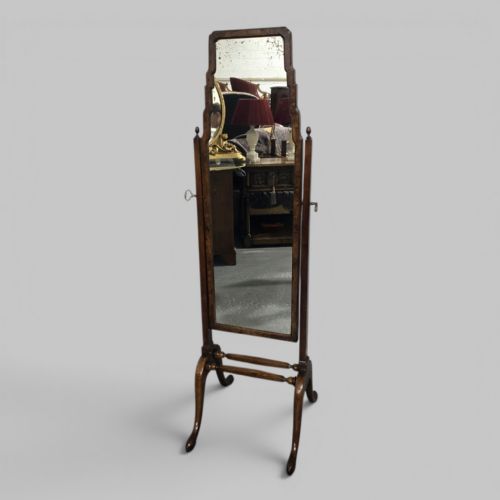
Brown Full Length Mirror
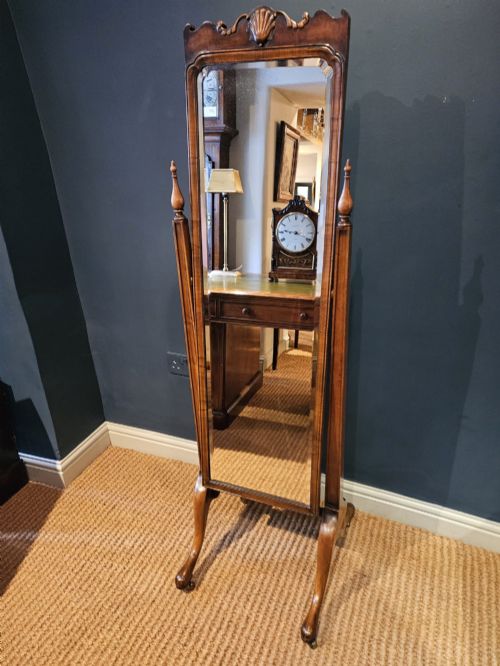
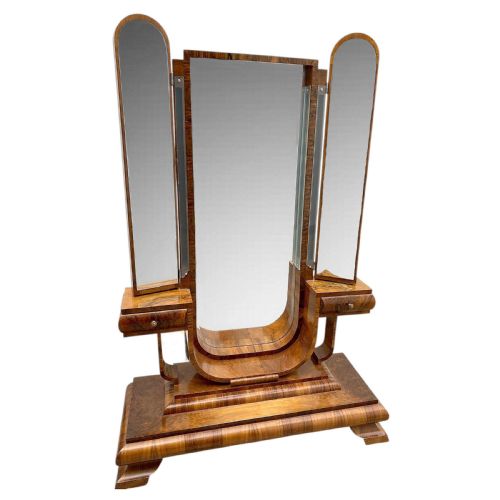
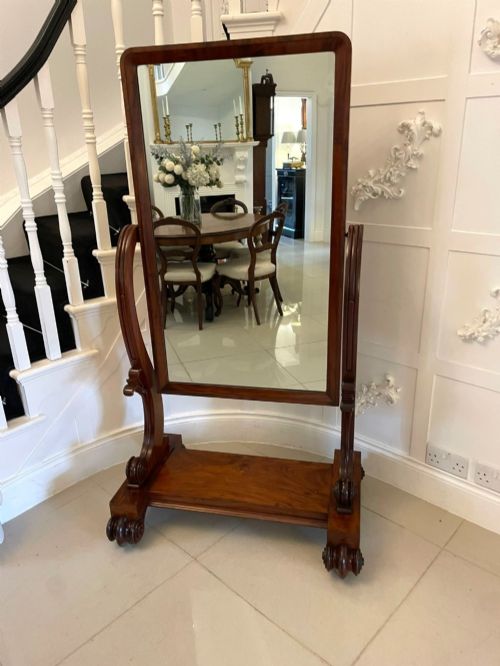
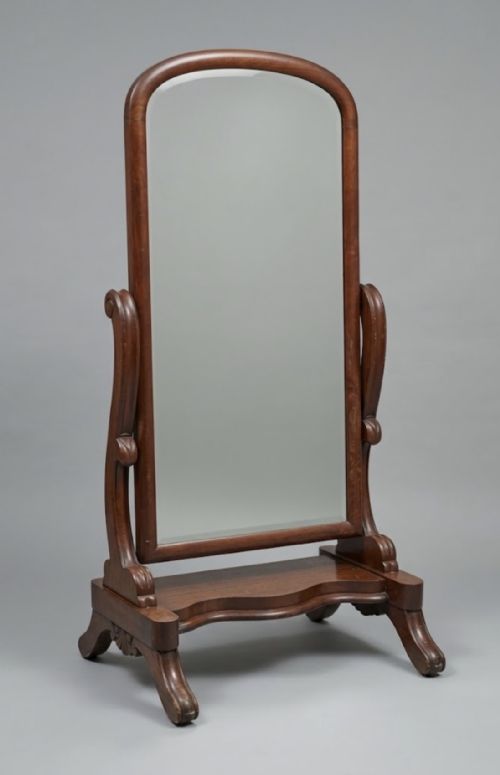
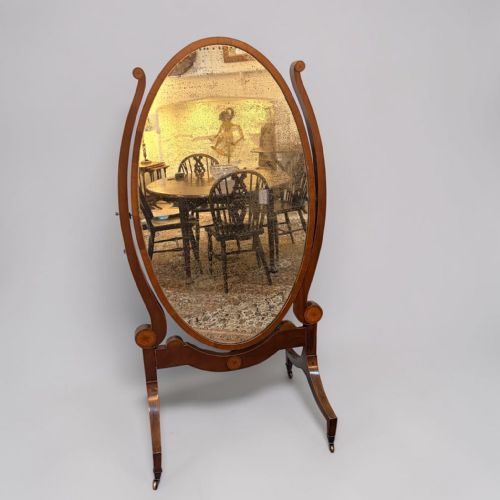
These brown full length mirror pieces are substantial floor-standing and pier glass fixtures that anchor a dressing room or bedroom with functional presence.
Brown Full Length Mirror
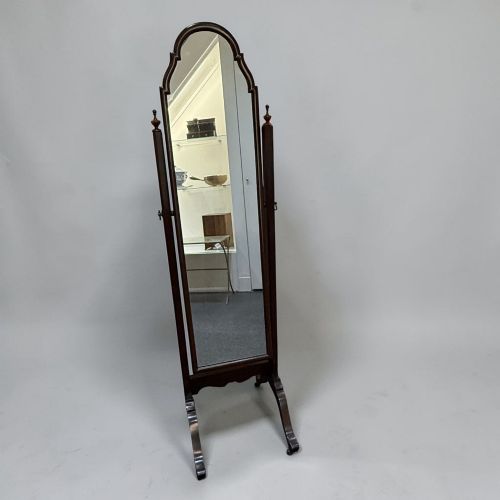
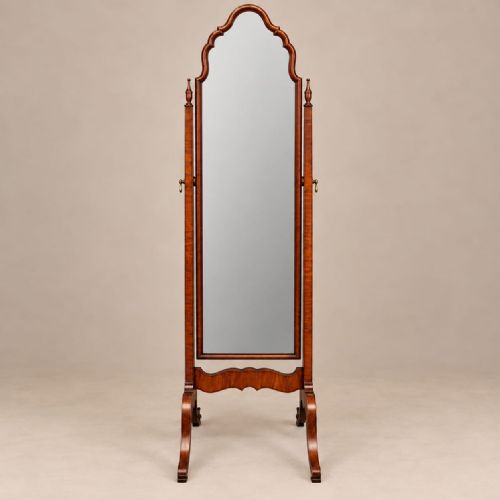
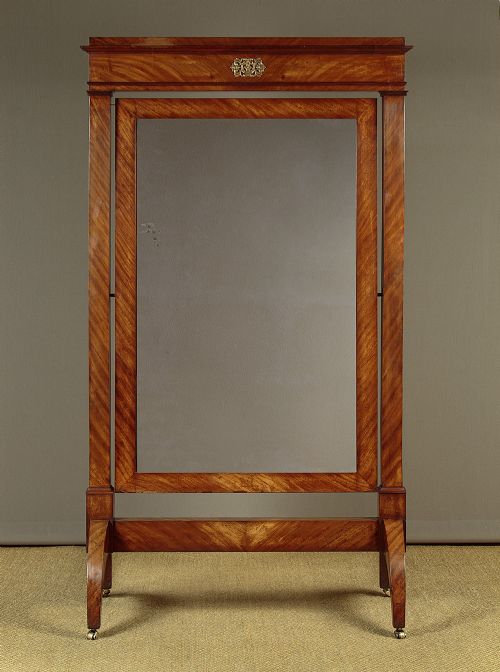
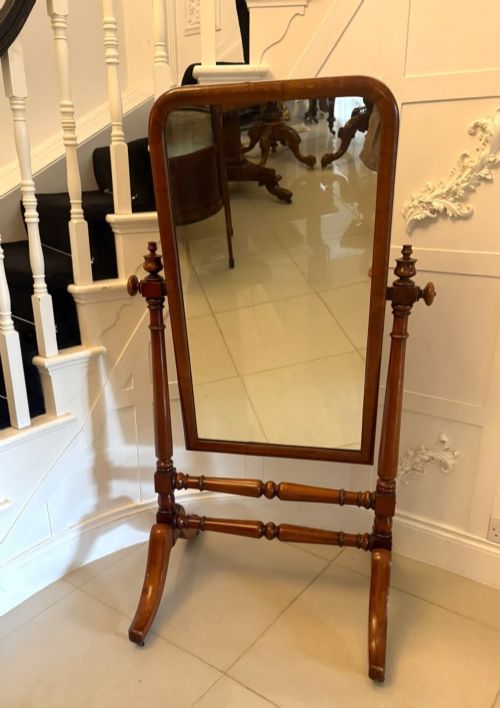
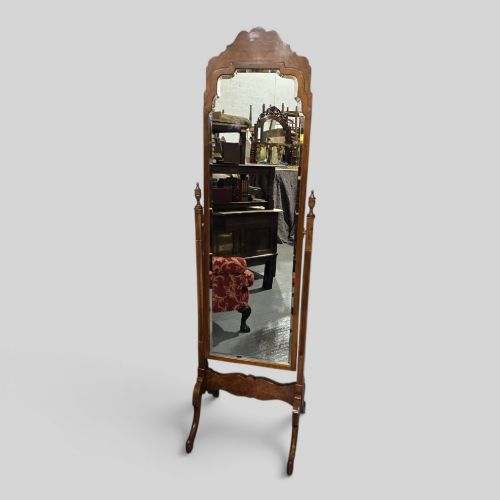
When you search for a brown full length mirror, you encounter tall floor-standing glasses designed to show the entire figure at once. The form is dominated by cheval mirrors, which utilise a pivoting frame suspended between vertical uprights.
The pieces on this page span several historic periods, running from Georgian and Regency designs through to Victorian and Edwardian examples. Mahogany forms the backbone of the selection, accompanied by walnut, burr walnut, and oak.
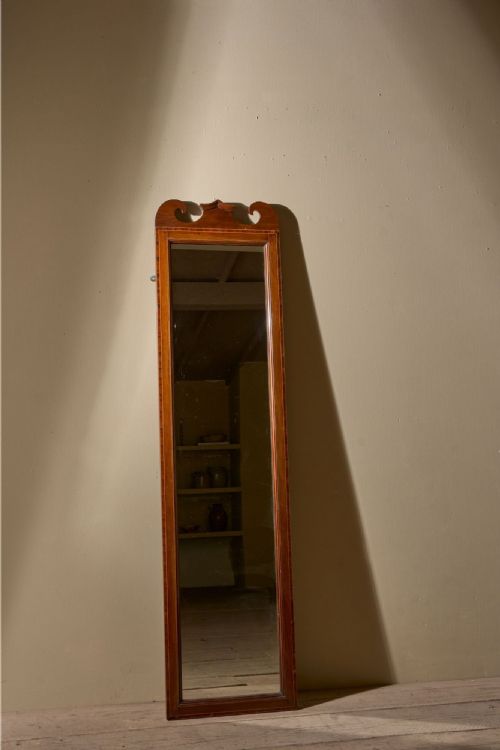
Most entries are freestanding cheval mirrors, though pier mirrors and dressing tables also appear among the objects. The woods display rich natural grain tones ranging from deep red-brown mahogany to lighter oak.
How they were made
Cabinet makers constructed the frames primarily from solid mahogany, walnut, and oak, often applying figured veneers such as burr walnut to the principal surfaces. Secondary woods provided structural stability inside the uprights and bases.
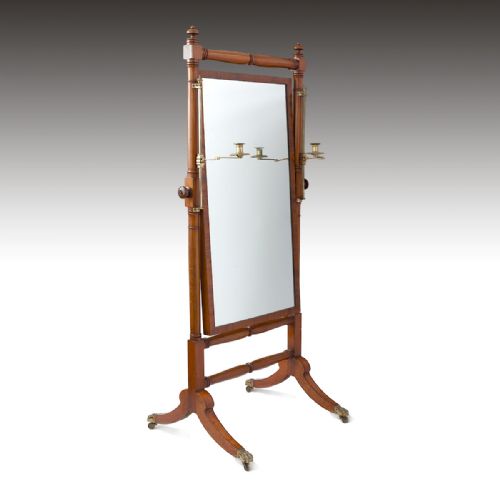
Metal components played a structural and decorative role, with brass utilised for adjustable pivot screws, candle holders, sabots, and castors. Silvered mirror glass was set securely within rebated wooden frames to allow the pivoting action.
Brown Full Length Mirror Retail Price Guide 2026
Typical asking prices for brown full length mirror among the pieces listed under this phrase on Sellingantiques today, from the lower quarter to the upper quarter. They describe what is for sale here now, not the wider market.
Several mirrors include original brass articulated candle holders, letting past owners check their evening attire by candlelight.
What varies in quality
Quality separates standard utilitarian frames from pieces commissioned for country houses and grand dressing rooms. Superior examples display finer timber selection, such as highly figured mahogany or burr walnut veneers, paired with crisp hand-carving.
The integrity of the pivoting mechanism and the weight of the supporting frame dictate the overall stability of the glass. Finer pieces incorporate substantial brass hardware, barley twist supports, or inlaid marquetry details that elevate the design.
Edwards & Roberts·Gillows
The Brown Full Length Mirror Glossary
- Cheval mirror
- A freestanding full-length mirror suspended on a pivoting frame between two upright posts. This design allows the glass to tilt to various angles.
- Pier mirror
- A tall mirror designed to hang on the wall between windows or stand against a narrow pier of wall. They often match console tables or dressing tables.
- Sabot
- A metal shoe or cap fitted to the foot of a furniture leg, usually cast in brass to protect the wood and add decoration.
- Marquetry
- Decorative patterns formed by inserting thin pieces of wood veneer into a background panel. It creates intricate pictorial or geometric designs on the surface.
Brown Full Length Mirror: Frequently Asked Questions
How do I place a cheval mirror in a bedroom?
Position the freestanding frame where natural light from a window strikes the glass without causing harsh glare. Ensure there is adequate floor clearance for the legs and sufficient space to tilt the mirror.
Because these pieces are tall and heavy, place them against a stable wall or corner where they cannot be easily knocked by foot traffic.
What is the difference between a cheval mirror and a pier mirror?
A cheval mirror is a freestanding object supported by its own floor frame with pivoting arms. It can be moved around a room to find the best angle for viewing.
A pier mirror is designed to be fixed to a wall, frequently positioned above a table or between architectural windows to reflect light.
How do I date a mahogany mirror?
Examine the timber grain, construction joints, and hardware styles to determine the likely period. Regency and Georgian pieces often feature simpler structural lines and specific brass fittings, while Victorian examples introduce heavier turnings.
Look for secondary wood usage and hand-cut joinery behind the frame, which help distinguish nineteenth-century cabinet work from later twentieth-century reproductions.
Are these mirrors sturdy enough for daily use?
Solid wood frames built from mahogany and oak possess robust construction designed to withstand generations of daily dressing room use. The central pivot pins and floor trestles support the weight of the glass securely.
Regularly check the tension on the brass pivot screws to keep the glass balanced at your preferred viewing angle.