




Brown Framed Wall Art
When you search for brown framed wall art, you find historical paintings, prints and maps held in wooden surrounds.
Brown Framed Wall Art
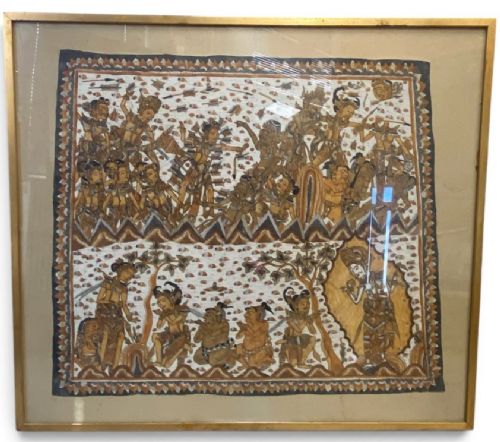
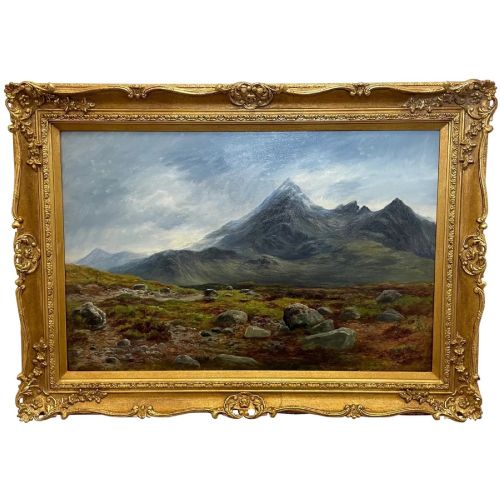
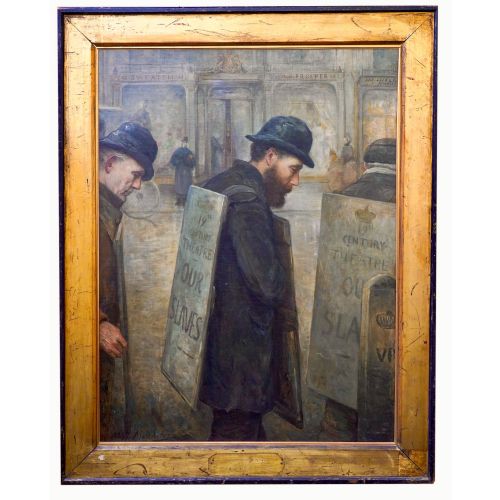
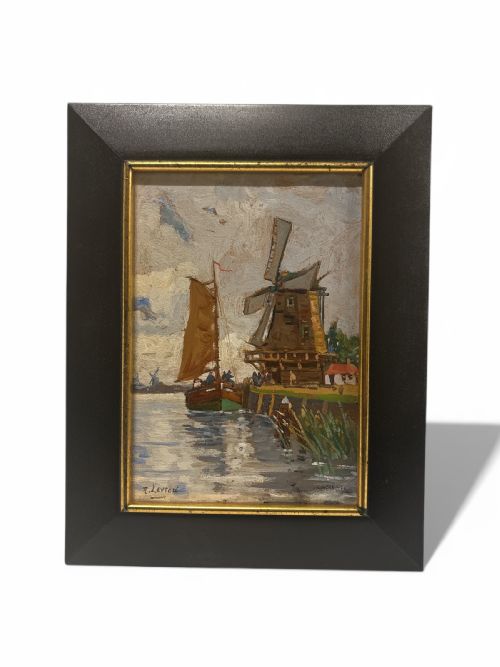
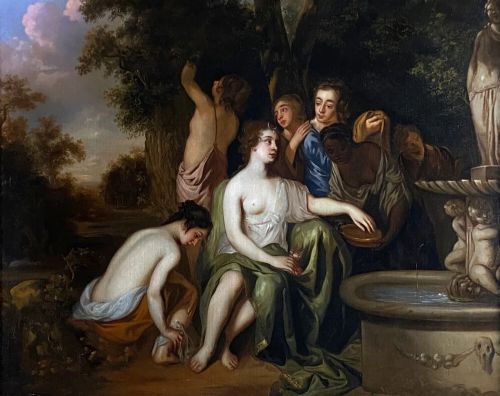
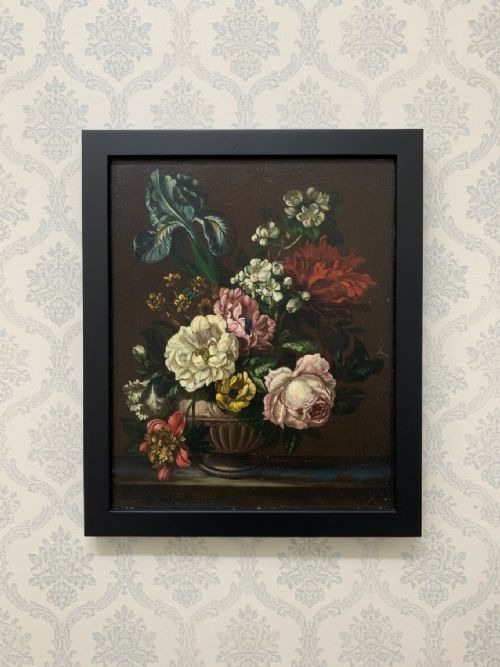
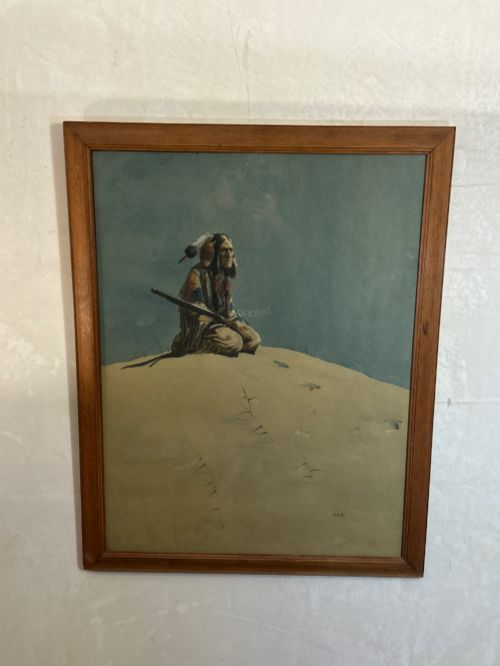
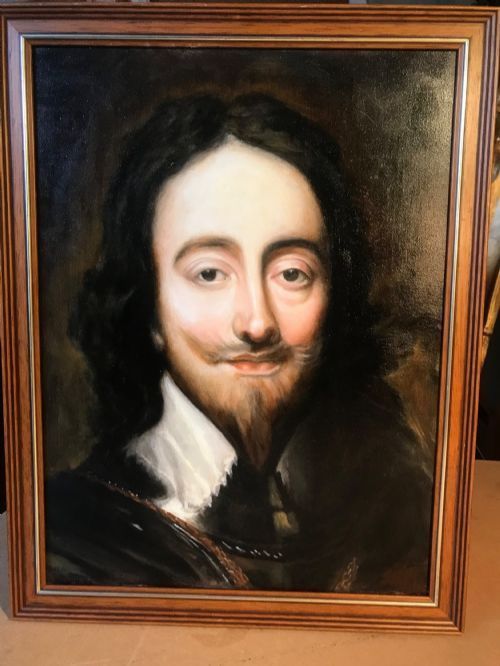
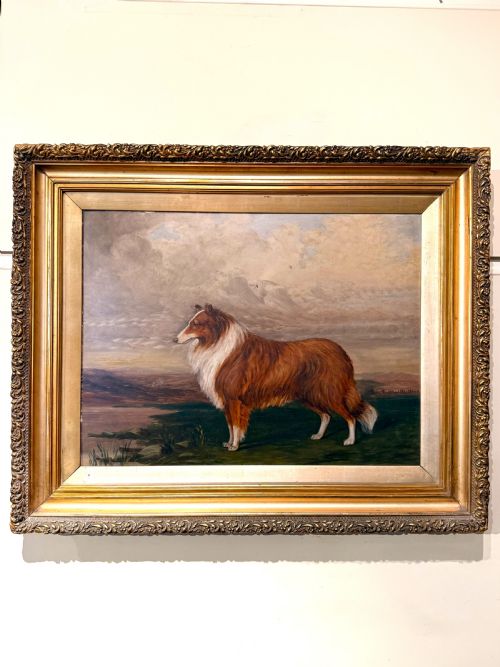
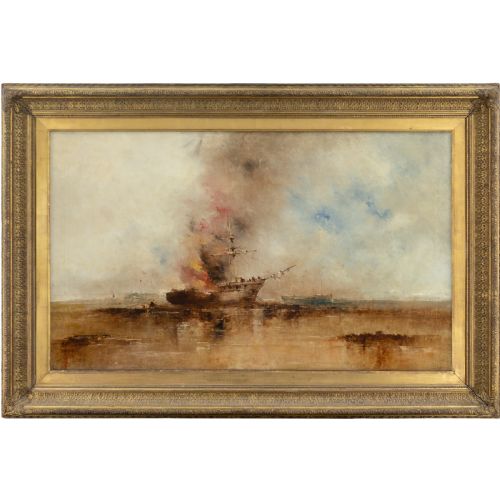
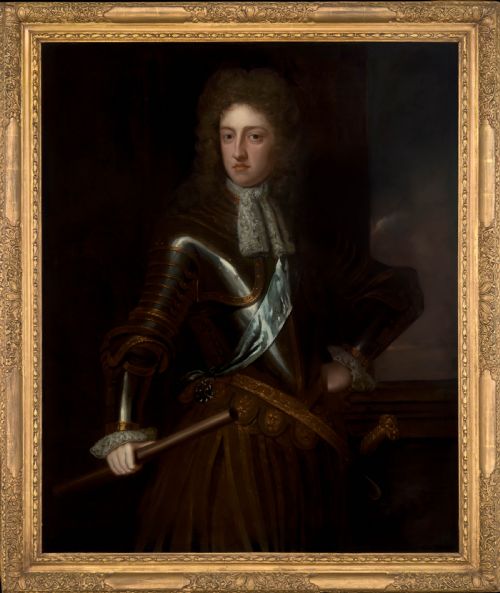
Buyers seeking brown framed wall art encounter centuries of pictorial works, spanning oil paintings on canvas, watercolours on paper, prints and maps. These pieces bring historical depth to interiors through traditional portraiture, landscape scenes, maritime studies and classical subjects.
The selection on this page relies heavily on wooden boundaries, ranging from simple oak mouldings to burr maple frames housing needlework and works on paper. Most examples date from the seventeenth century through to the mid-twentieth century, capturing periods from the Dutch Golden Age to Edwardian realism.
How they were made
Makers applied oil paint, watercolour or pastel onto canvas, wood panels and paper sheets. Pigments were worked by hand, capturing light and texture in portraits, animal studies and landscapes.
Framing utilised timber selected for grain and tone, enclosing the artwork behind protective glass where works on paper or delicate textiles required it.
Brown Framed Wall Art Retail Price Guide 2026
Typical asking prices for brown framed wall art among the pieces listed under this phrase on Sellingantiques today, from the lower quarter to the upper quarter. They describe what is for sale here now, not the wider market.
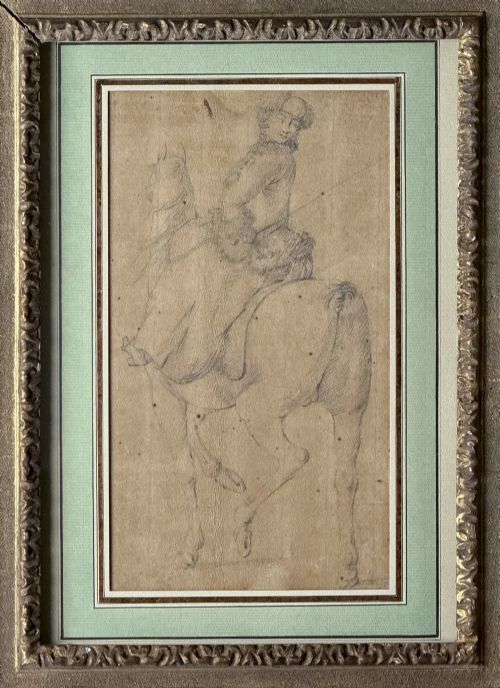
The selection includes portraits of nobility, maritime scenes, equestrian studies, and detailed antique maps.
What varies in quality
Quality rests in the execution of the brushwork, the depth of the pigment and the fidelity of the subject's rendering. Masterful handling of light in oil portraits or subtle tonal gradation in watercolours elevates certain works above standard decorative items.
The integrity of the accompanying wooden frame also matters. Original timber mouldings that match the era of the painting hold greater historical weight than later replacements.
William Beattie-Brown·James Orrock·Felix Stone Moscheles·William H Myers·Donald Grant·John Hassall·Sir Godfrey Kneller·Albert Clark·Augustin Edouart
The Brown Framed Wall Art Glossary
- Oil on canvas
- Pigments mixed with drying oils applied to stretched fabric. This medium allowed artists to build rich textures and deep tones.
- Watercolour
- Pigments suspended in a water-soluble vehicle, traditionally painted on paper. It creates luminous, translucent washes of colour.
- Lithograph
- A print produced from a flat stone or metal plate treated to repel ink except where desired. This technique enabled detailed reproductions.
- Needlework
- Designs stitched with yarn or thread on canvas or fabric. Historical examples often depict figural or animal scenes.
- Cartography
- The science or practice of drawing maps. Antique examples on this page record historical geographical knowledge.
Brown Framed Wall Art: Frequently Asked Questions
What is brown framed wall art?
These pieces comprise historical paintings, watercolours, prints and maps enclosed within wooden borders. They span multiple centuries and artistic movements.
Subjects range from formal portraits and equestrian studies to pastoral landscapes and maritime scenes.
How were these artworks used?
Owners historically hung these framed works in parlours, studies and grand halls to display status, taste or family lineage. Portraits recorded ancestors and notable public figures.
Landscapes and genre scenes brought natural views and narrative moments into domestic interiors.
How do I live with antique art?
Position these pieces away from direct sunlight to protect pigments and paper from fading. Stable indoor temperatures prevent timber frames from warping.
Pairing historical frames with neutral walls allows the natural wood tones and painted details to stand out.
How do I tell periods apart?
Early periods like the seventeenth century often feature dark, dramatic portraits with sombre clothing and deep shadows. Later nineteenth and twentieth-century works introduce brighter palettes and looser brushwork.
Frame construction and materials also shift, moving from heavy carved timber to simpler mouldings in subsequent eras.