
Brown Display Cabinet
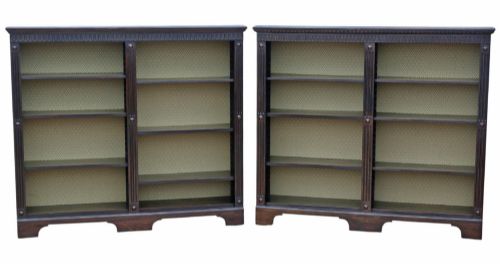
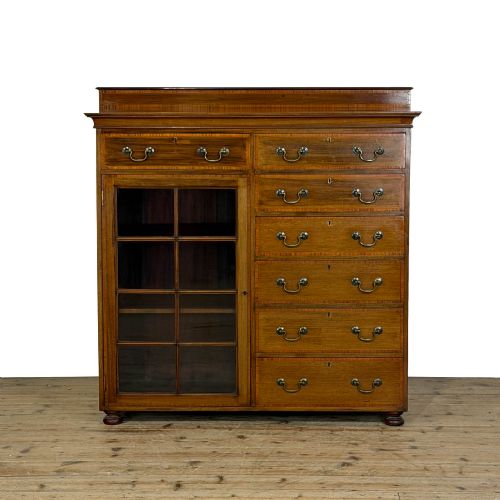
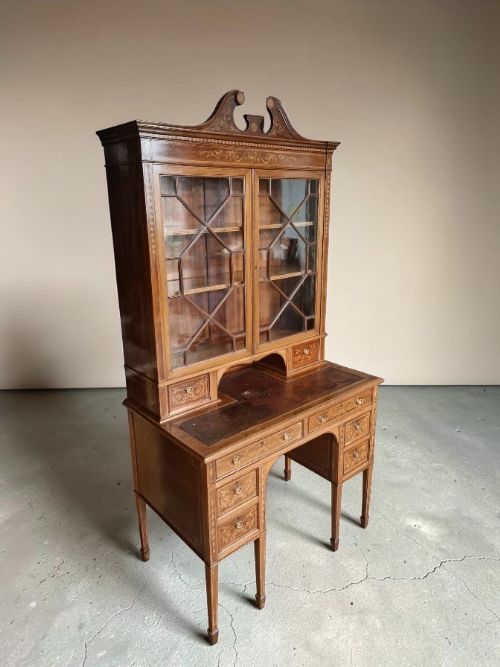
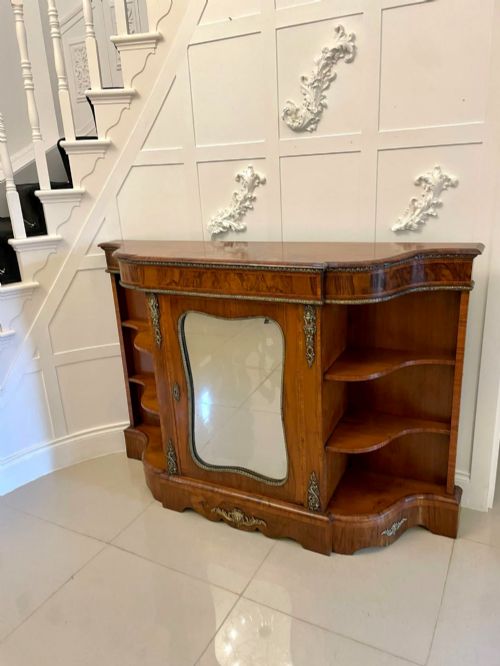
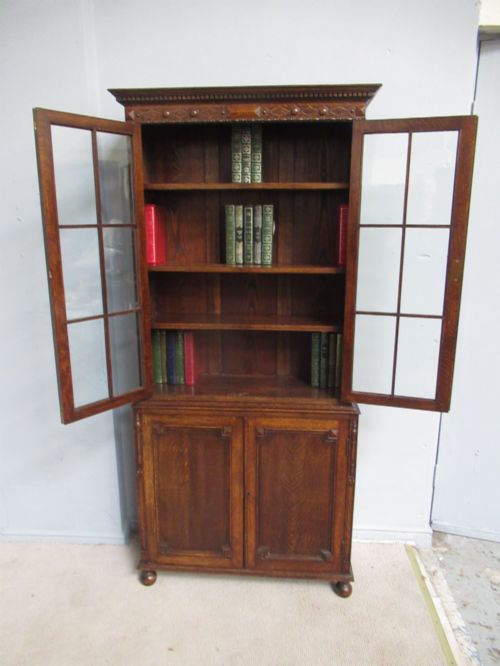
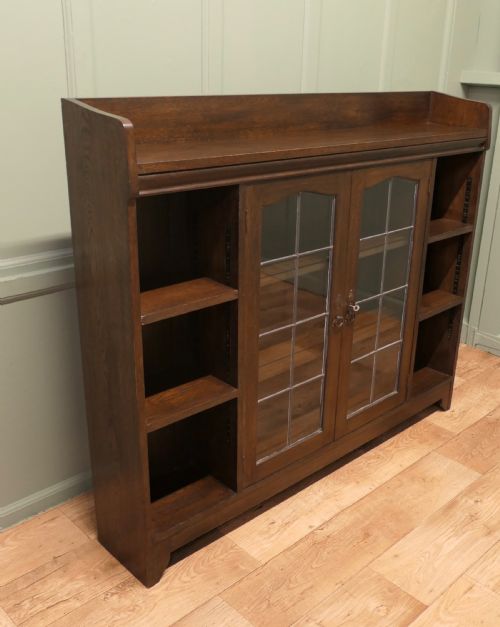
A brown display cabinet holds silver, porcelain and books behind glass, bringing rich timber tones and clear period style to a room.
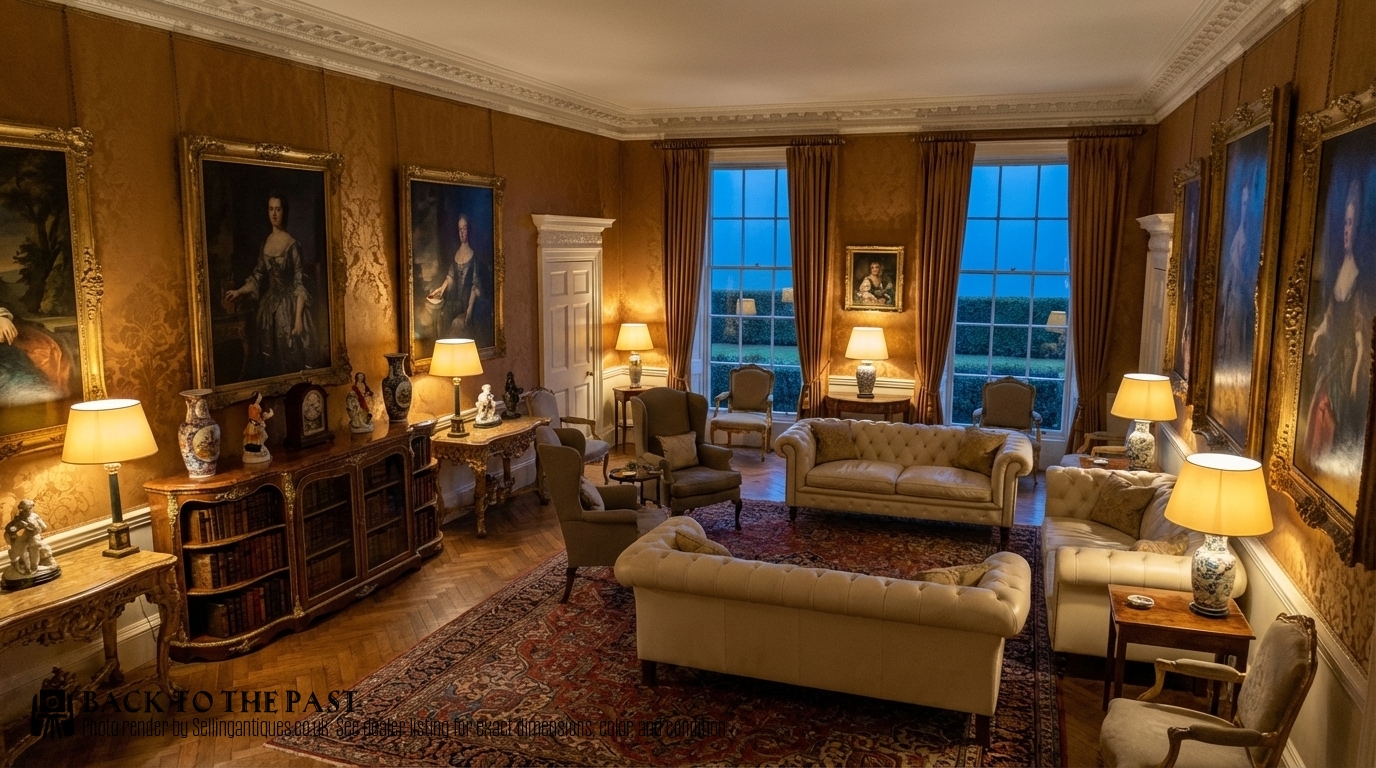
Brown Display Cabinet
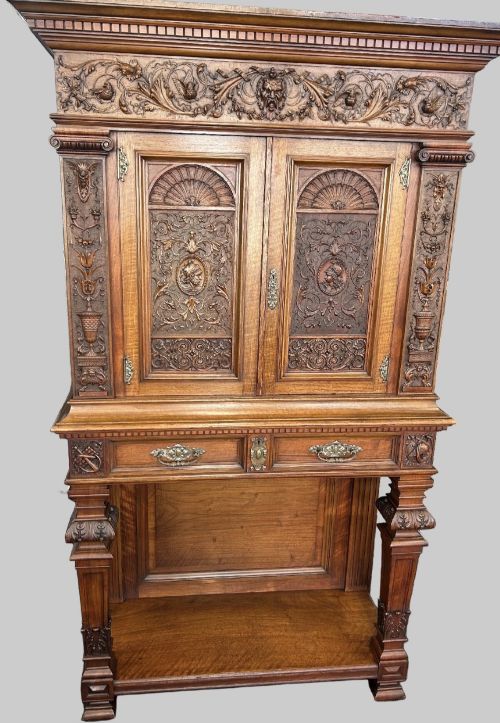
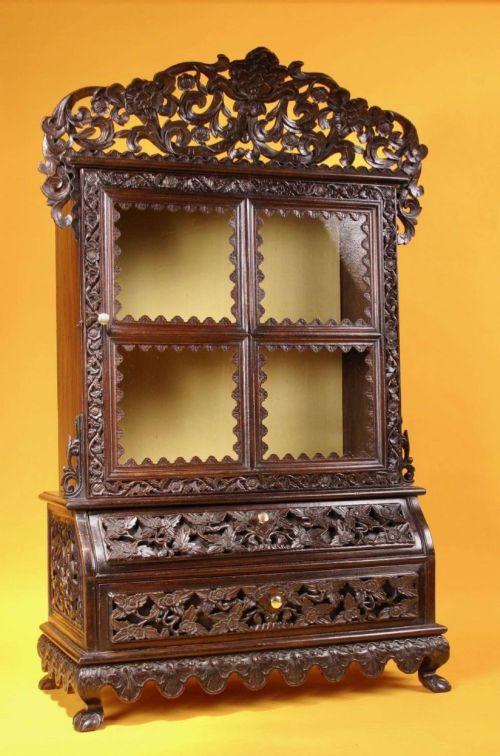
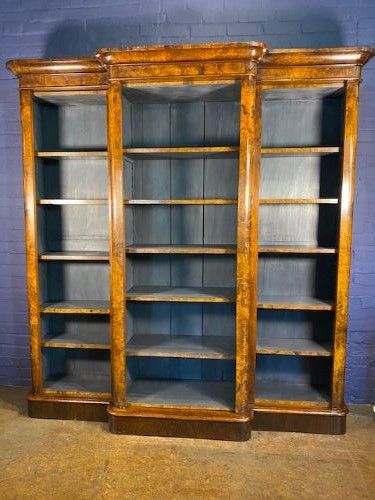
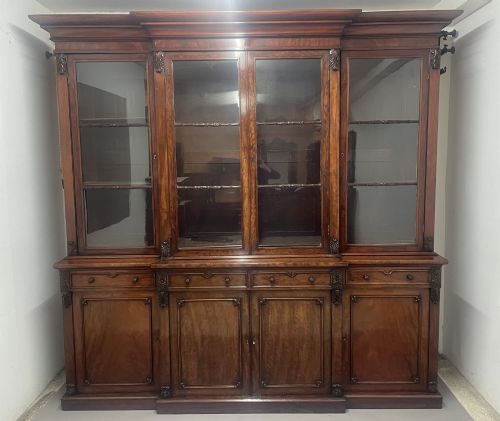
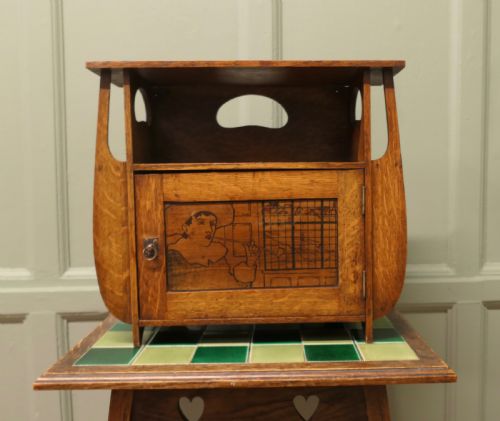
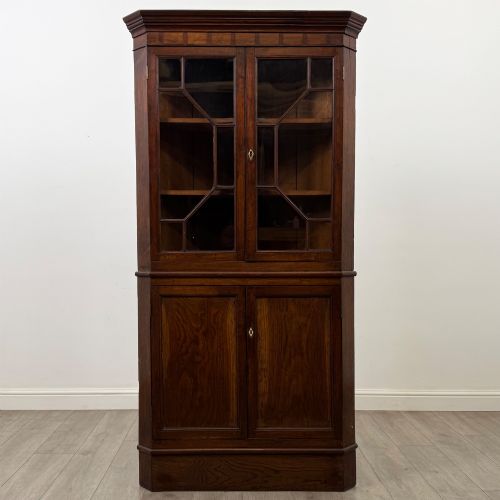
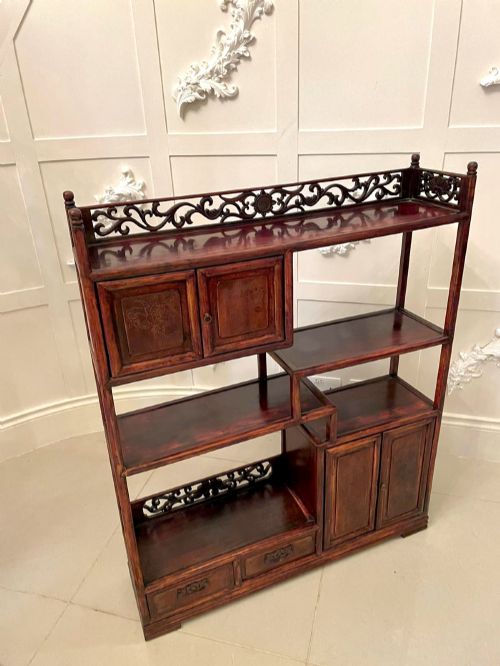
A brown display cabinet combines timber shelving and glazed doors to show and protect household possessions. When you search for a brown display cabinet, you meet pieces built across several centuries, from Georgian mahogany to Edwardian satinwood and oak.
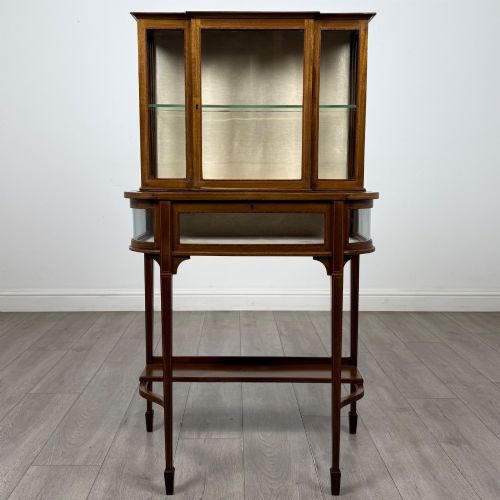
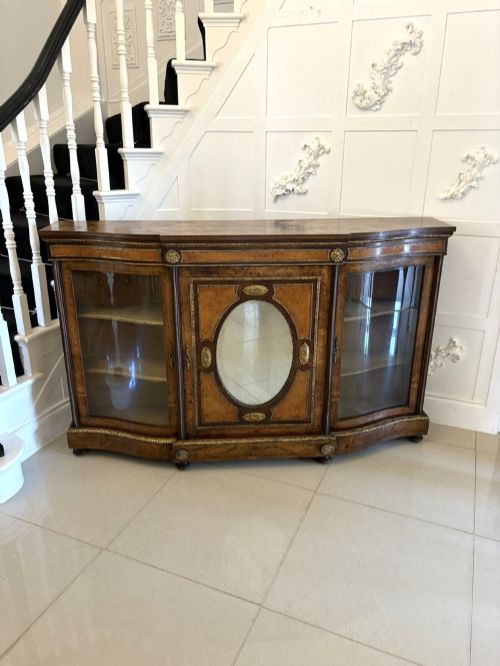
The materials and styles range widely across the selection. Cabinets appear in forms such as breakfront bookcases, pier cabinets, vitrines and cocktail cabinets.
Victorian and Edwardian iterations dominate the selection, often rendered in walnut or mahogany with glazed panels and adjustable shelving.
Materials and construction methods
Cabinet makers utilised dense hardwoods including mahogany, oak, walnut and burr walnut, frequently laying decorative veneers over sturdy secondary timbers. Glass panes are set into timber doors, sometimes secured with brass fittings and ormolu mounts.
Inlaid details, marquetry and floral motifs appear across many surfaces, showing the persistent influence of Sheraton Revival and Dutch Baroque styles. Carved elements add texture to oak and walnut frames, while polished finishes highlight natural grain patterns.
Cabinets dedicated to cocktails and hunting gear demonstrate that earlier generations took their hobbies with considerable architectural seriousness.
Markers of distinction in cabinet making
The standard of a brown display cabinet rests on the selection of timber veneers and the precision of the joinery. Fine examples display matched burr walnut or flame mahogany grains that flow seamlessly across doors and drawers.
Attention to detail in the marquetry inlay, the quality of cast ormolu mounts, and the integration of original glass panes elevate certain pieces above standard utility furniture.
Collinson and Lock
The Brown Display Cabinet Glossary
- Vitrine
- A glass-fronted display cabinet designed specifically for showing porcelain and small decorative objects. These often feature glazed sides to let light pass across the contents.
- Marquetry
- The art of applying decorative pieces of veneer to a structure to form intricate patterns and pictures. Floral designs are especially common on Dutch walnut pieces.
- Breakfront
- A piece of furniture where the central section projects forward from the flanking wings. This architectural arrangement creates depth and visual balance.
- Ormolu
- Gilded bronze mounts applied to furniture for decorative effect. It appears frequently on French cabinets from the nineteenth century.
- Pier cabinet
- A low cabinet designed to stand against the wall space between windows. These are typically slender and fitted with glass doors.
Brown Display Cabinet: Frequently Asked Questions
What is the difference between a vitrine and a bookcase?
A vitrine is built primarily for display, featuring glass panels on the sides as well as the doors to maximise light. Bookcases focus on housing volumes, often with wooden panelled bases and glass restricted to the upper doors.
Both forms utilise fine timbers like mahogany and walnut, but the vitrine prioritises the exhibition of precious objects.
How do I identify an Edwardian cabinet?
Edwardian cabinets date from the early twentieth century and frequently draw on Sheraton Revival styles. They often feature lighter mahogany or satinwood with delicate inlaid stringing.
Construction methods from this period show machine-assisted precision alongside traditional hand finishing, creating lighter and more slender proportions than heavy Victorian equivalents.
Where should I place a display cabinet?
These cabinets suit dining rooms, drawing rooms or libraries where timber tones complement existing furniture. Position them away from direct sunlight to protect polished wood veneers and the objects displayed inside.
Ensure the floor is level so that heavy glazed doors open and close smoothly without binding.
How should I clean the wooden surfaces?
Dust the timber regularly with a soft, dry cloth to prevent grit accumulation. Apply a quality beeswax sparingly when the wood appears dry, buffing it gently to maintain the sheen.
Avoid silicone-based sprays, which can penetrate old finishes and damage the patina built up over generations.