


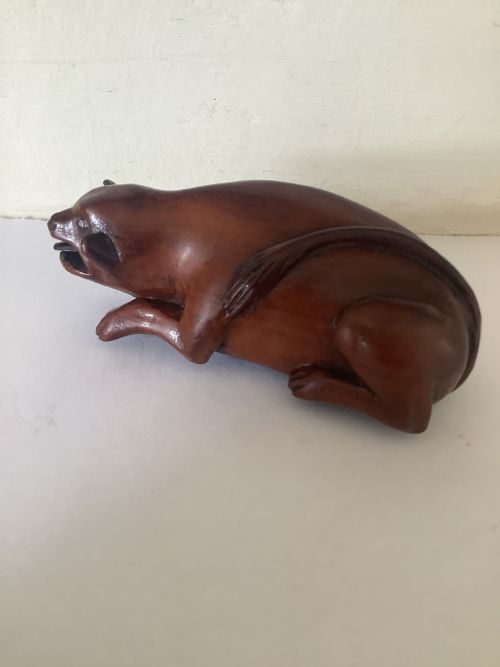
Brown Carved Box
A brown carved box brings texture and history to a room, offering practical storage through centuries-old joinery and relief work.
Brown Carved Box
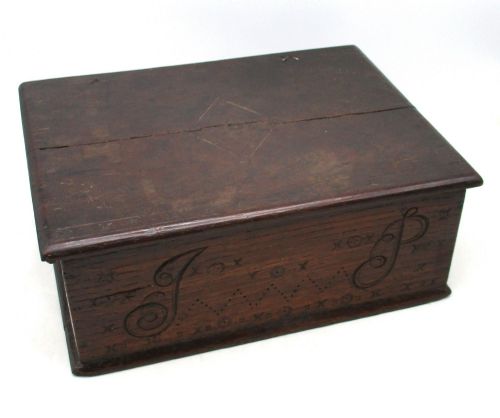
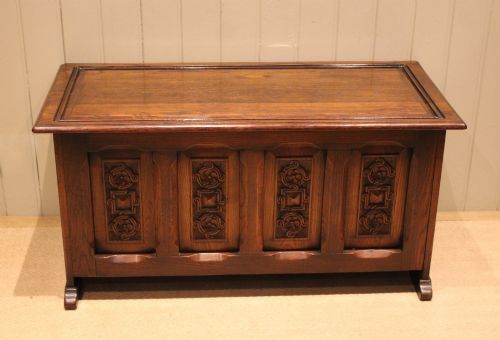
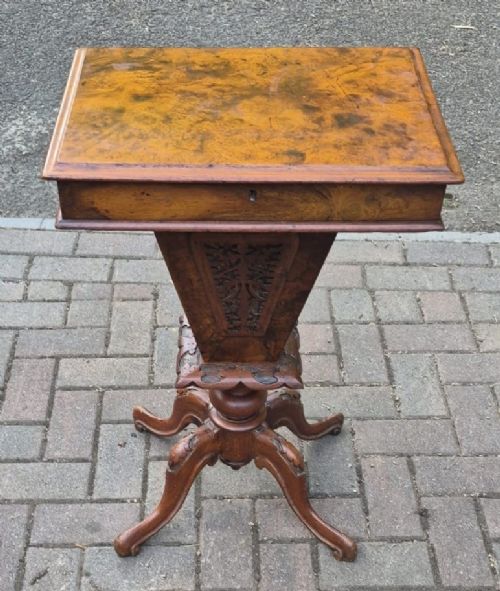
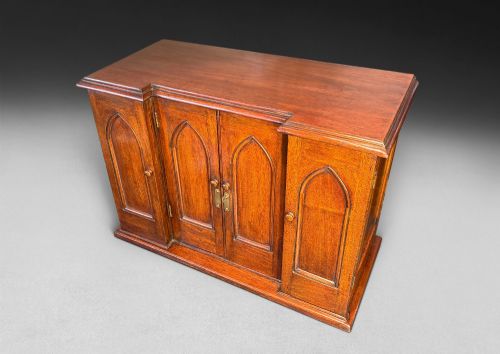
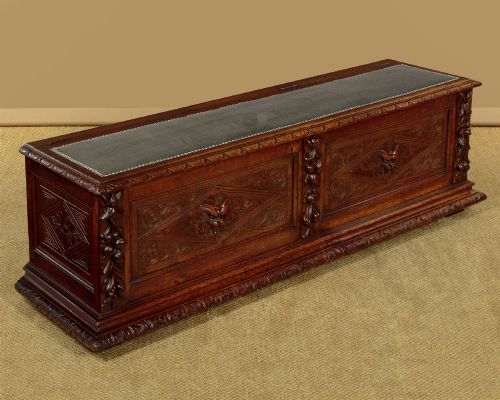
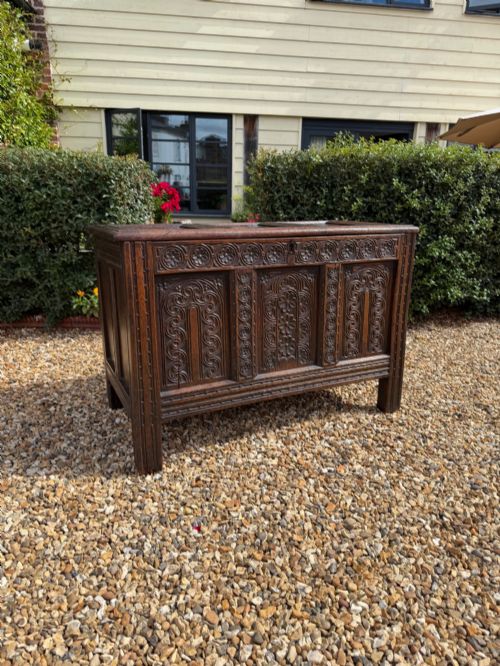
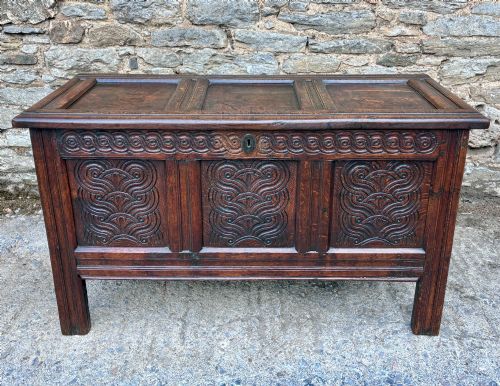
A brown carved box encompasses substantial storage pieces and smaller containers found across this selection. These items range from sturdy 16th and 17th century oak coffers to Victorian walnut work tables and Georgian tea caddies.
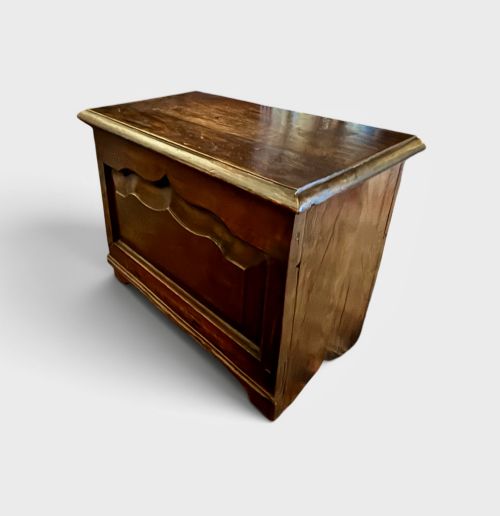
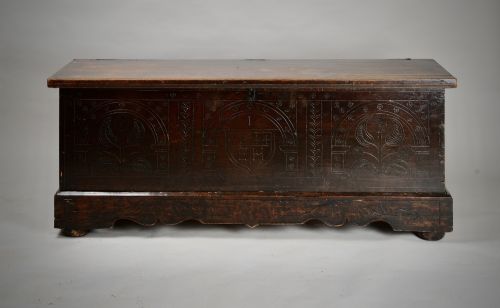
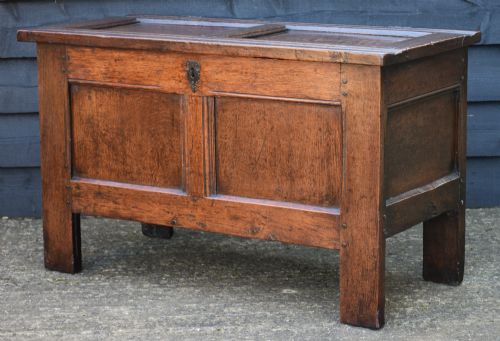
The version most likely to appear on this page is the oak coffer or small document box, often displaying period relief carving in the wood. Smaller examples include snuff boxes and match holders, showing craftsmanship across diverse scales.
How they were made
Construction relies primarily on timbers such as oak, walnut, mahogany, and teak, frequently augmented by iron and brass hardware. Artisans shaped these materials using hand tools to create panels, dovetailed joints, and hinged lids.
Surface ornamentation involves direct chisel work into the timber, producing relief carvings that define the visual character of each piece. Secondary materials like fabric, glass, and specialised wood species appear in specific tables and caskets.
Object forms range from monumental dowry chests and wall-hanging cupboards to delicate sewing tables and miniature snuff boxes.
What varies in quality
Quality rests in the crispness of the chisel work and the integrity of the original timber. Pieces with deep, confident relief carving and well-preserved surface patination sit distinctly above simpler, heavily restored examples.
Proportion and structural honesty dictate the standing of a piece within its period. Well-balanced proportions and untouched historical surfaces distinguish the finer iterations from utilitarian items.
The Brown Carved Box Glossary
- Coffer
- A large wooden chest used historically for storage, typically constructed from oak with a hinged lid. These robust items form a major component of early storage furniture.
- Patina
- The surface sheen and colour developed by wood and metal over centuries of handling and ageing. A desirable patina indicates genuine historical depth.
- Writing slope
- A portable box with an angled lid designed for correspondence, often fitted with internal compartments for stationery. Regency and earlier examples frequently feature mahogany or walnut veneers.
- Tramp art
- A style of woodwork created by carving chip-carved geometric patterns from discarded wooden boxes. This folk art method yields highly textured surfaces.
- Dovetail
- A joint formed by interlocking wedge-shaped fingers, used to join drawer corners and box sides securely. Fine dovetailing indicates skilled cabinetmaking.
Brown Carved Box: Frequently Asked Questions
What were small carved boxes used for?
Smaller boxes served specific domestic functions, such as holding documents, tea, jewellery, or writing implements. Document boxes protected important papers, while tea caddies kept precious tea leaves secure under lock and key.
Desk boxes provided a portable writing surface for travellers and literate households. Each specialised form dictated the internal layout and exterior dimensions of the container.
Where should I place a large coffer?
Large coffers function well as blanket chests at the foot of a bed or as window seats in living spaces. Their sturdy tops and substantial internal volume provide both seating and concealed storage.
Placing them away from direct heat sources and strong sunlight protects the antique timber from drying out or splitting. Adequate clearance allows the heavy lids to open fully without damaging surrounding walls.
How do I maintain wooden surfaces?
Maintenance involves dusting with a soft, dry cloth and occasionally applying suitable beeswax to nourish the timber. Avoid modern silicone sprays or harsh chemical cleaners that can strip the historical patina.
Keeping the piece in a stable environment with moderate humidity prevents the wood from warping or cracking. Gentle care preserves the original finish achieved over centuries of use.