

Brown Burr Wood Carving
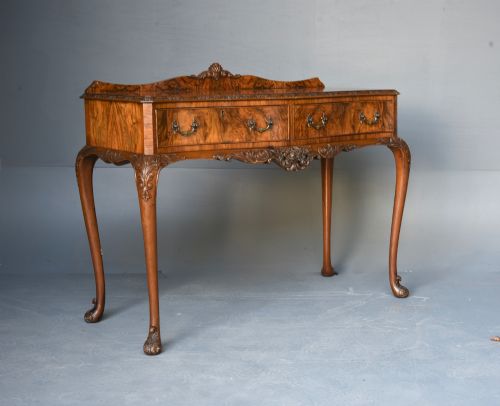
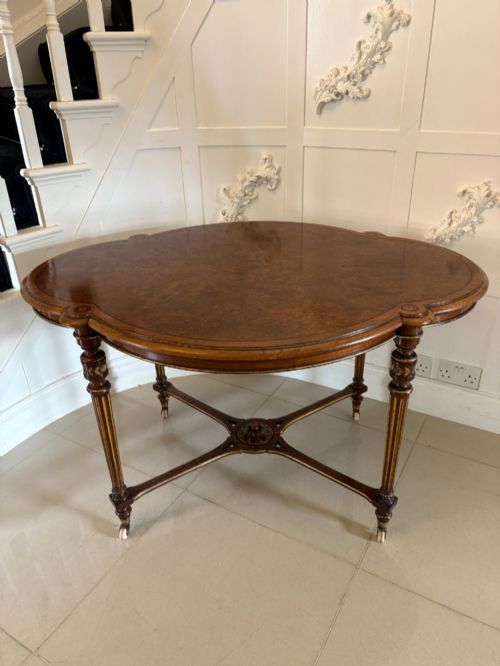
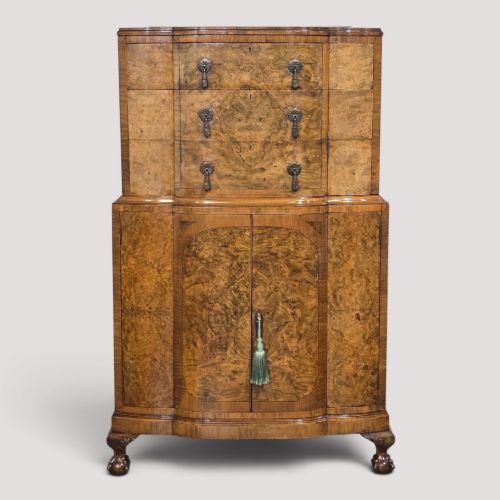
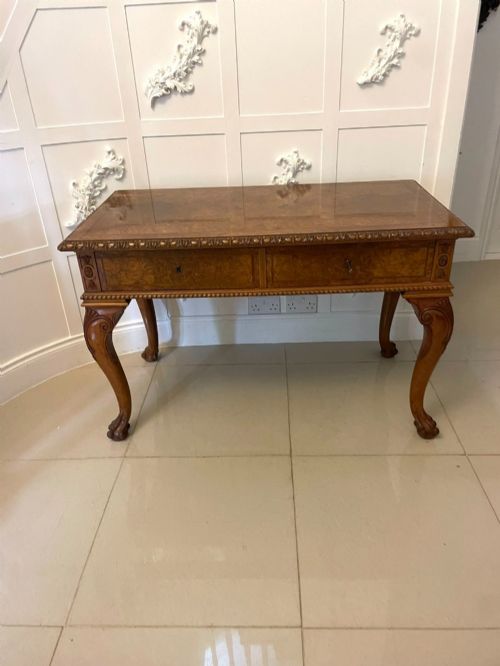
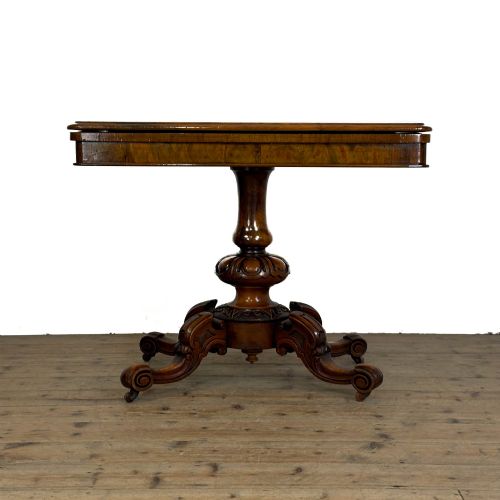
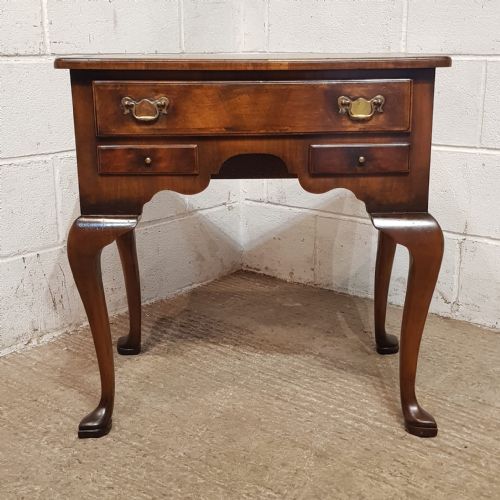
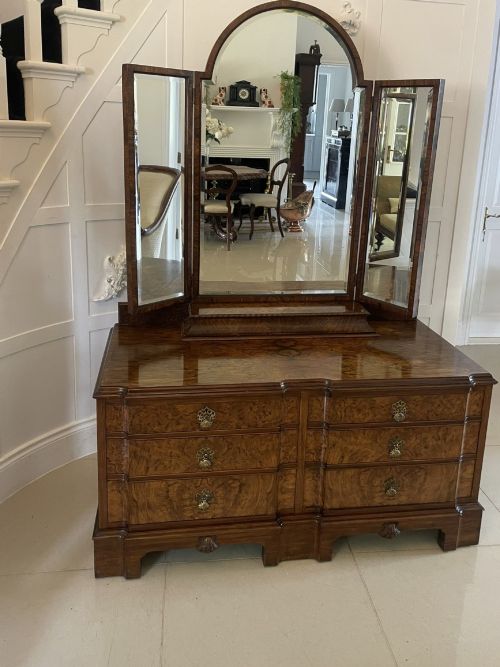
These pieces of brown burr wood carving deliver the natural intricacy of knotted timber figures into classic furniture forms that anchor a room.
Brown Burr Wood Carving
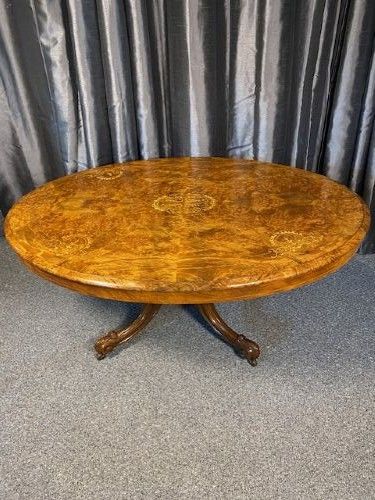
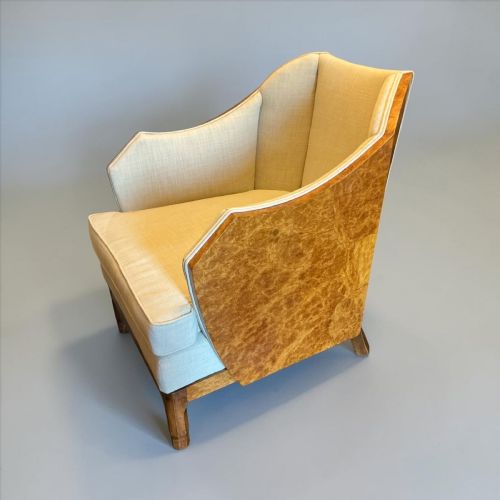
A brown burr wood carving search uncovers furniture defined by swirling grain patterns, most commonly encountered in Victorian, Edwardian and early twentieth century tables, cabinets and commodes. The selection ranges from compact occasional tables and games boards to large wardrobes, sideboards and dining sets.
The evidence shows a strong presence of mid nineteenth century Victorian items alongside pieces from the seventeen hundreds through to the nineteen thirties. Alongside standard British periods, pieces display continental provincial influences and Queen Anne revival styling.
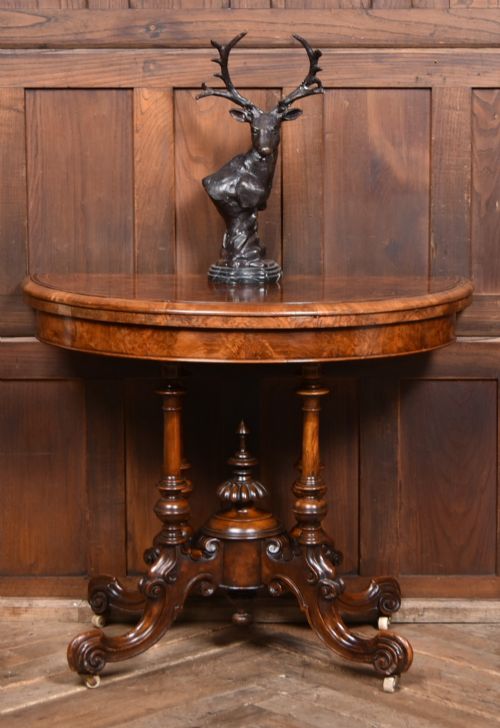
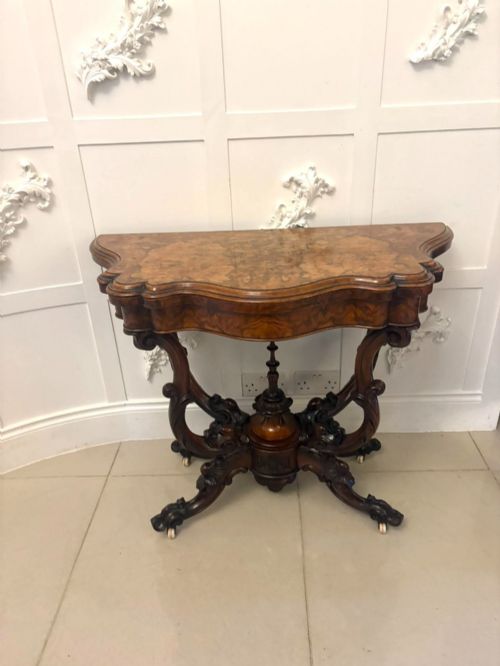
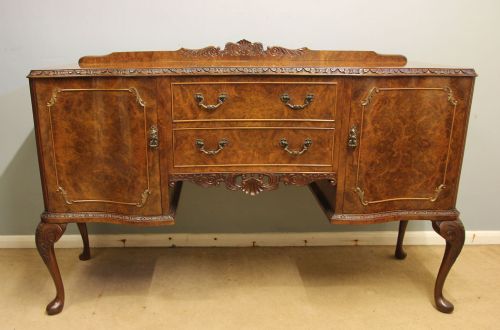
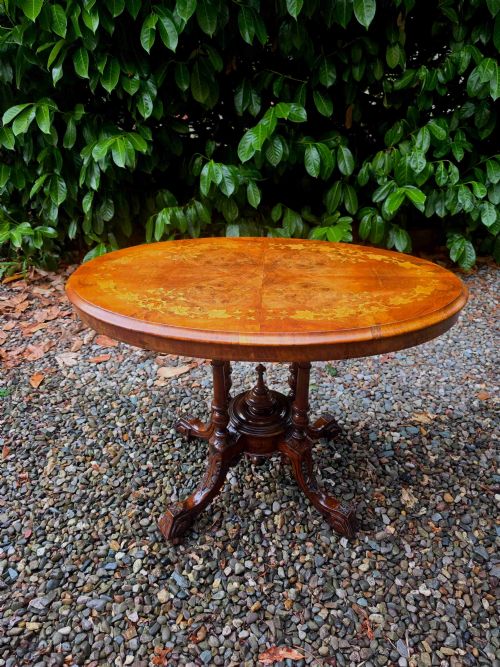
Tables dominate the listings, including fold-over card tables, centre tables with chess tops, coffee tables and console tables. Storage items such as cocktails cabinets, low bookcases, canterburys, whatnots and bedside cabinets also appear frequently.
Materials and construction
Cabinetmakers utilised burr walnut and burr elm for their striking, knotted growth patterns, setting these veneers against solid hardwood frames. Brass hardware, wood inlay and mirror glass supplement the timber surfaces.
Construction techniques combine traditional joinery with detailed carving, particularly visible on table bases, moulded edges and structural supports like the carved basket base.
Among the tables and cabinets, a pair of Chinese hardwood barrel stools demonstrates that burr wood appealed across diverse global designs.
Assessing the pieces
The merit of a piece rests on the density and symmetry of the burr figuring across its primary surfaces and the crispness of any applied carving. Superior examples integrate the chaotic grain patterns harmoniously with the proportions of the furniture form.
Design complexity also marks out the better specimens, distinguishing standard utility items from architectural pieces featuring serpentine fronts, specialised storage interiors or maker attribution.
Maple & Co
The Brown Burr Wood Carving Glossary
- Burr
- A growth deformity on a tree that produces dense, swirling patterns of knot clusters when sliced into veneer. This figure is prized for decorative furniture panels.
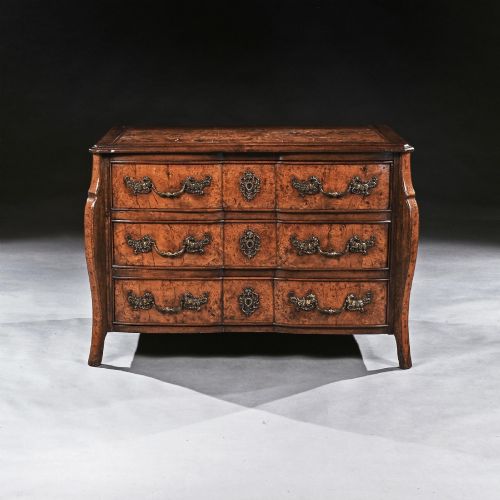
- Mazarin commode
- A low cabinet or bureau desk featuring a central recessed cupboard flanked by banks of drawers. It is associated with eighteenth century French provincial cabinetmaking.
- Overmantle
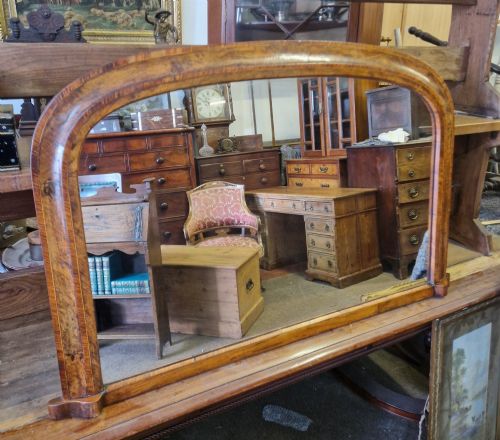
- A large mirror or decorative framework designed to be hung directly above a fireplace mantelpiece. They frequently incorporate moulded wood surrounds.
- Whatnot
- A set of open shelves supported by slender pillars used for displaying ornaments. These tiered stands date predominantly from the Victorian era.
Brown Burr Wood Carving: Frequently Asked Questions
What is brown burr wood?
Brown burr wood refers to timber taken from tree burls or knot growths, displaying irregular, swirling grain patterns. Cabinetmakers sliced these sections into decorative veneers for fine furniture.
This distinct figuring appears across walnut, elm and yew timbers, creating rich brown tones with high visual depth.
How do I date a piece?
Dating relies on stylistic markers, construction methods and secondary timbers used in the carcass. The evidence points to Victorian, Edwardian and early twentieth century revivals.
Comparing leg turning, drawer linings and hardware styles against known period benchmarks helps establish the era of manufacture.
Where should I place these tables?
These tables function well as central room focal points, console surfaces in hallways or low coffee tables in reception spaces. Their decorative grain benefits from natural light.
Ensure placement avoids direct heat sources and strong sunlight to protect the aged veneer from drying out.
How do I care for the surface?
Maintenance involves dusting with a soft, dry cloth and applying traditional beeswax sparingly to nourish the timber. Avoid synthetic sprays and moisture accumulation.
Keeping pieces away from radiators prevents the burr veneer from shrinking, warping or lifting over time.