
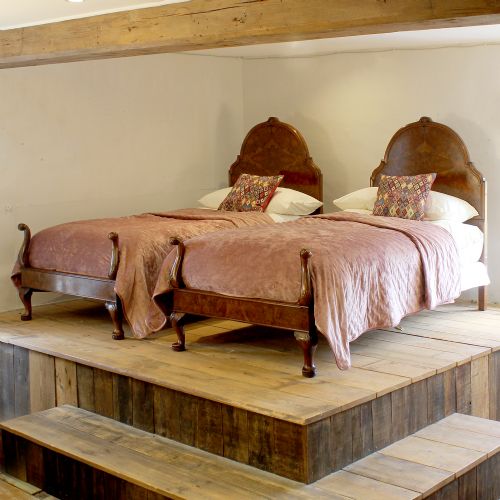
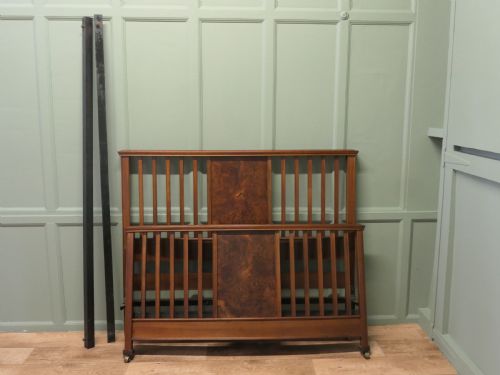
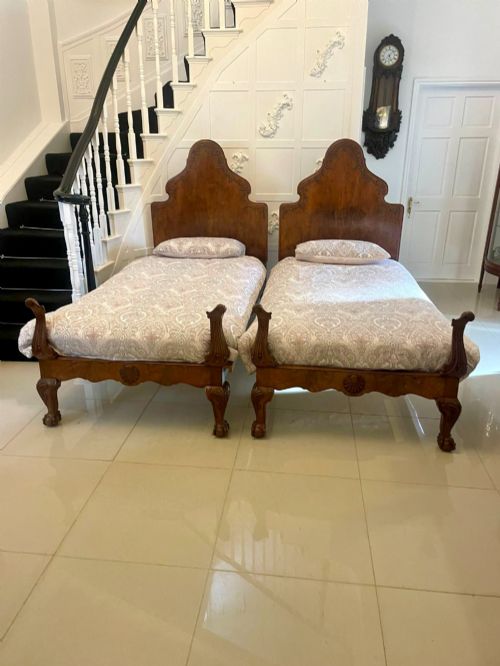


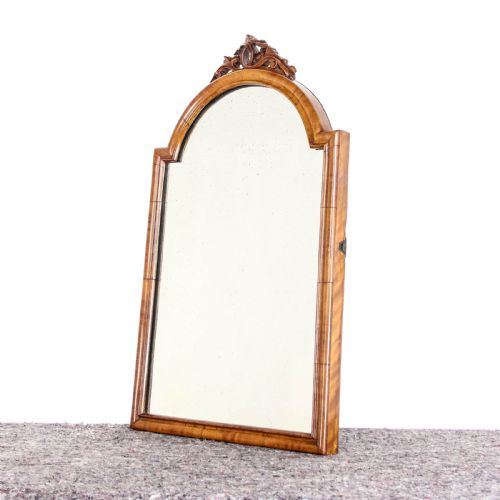


Brown Burr Walnut Frame
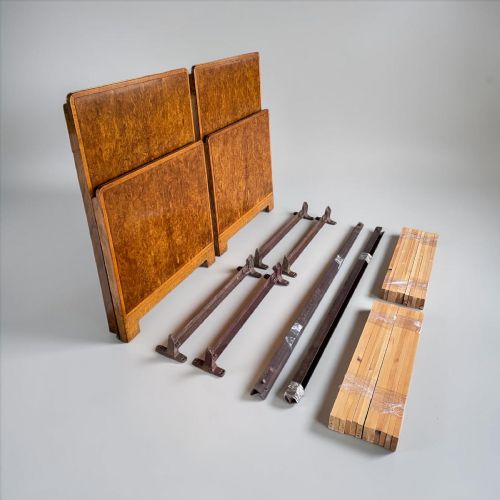
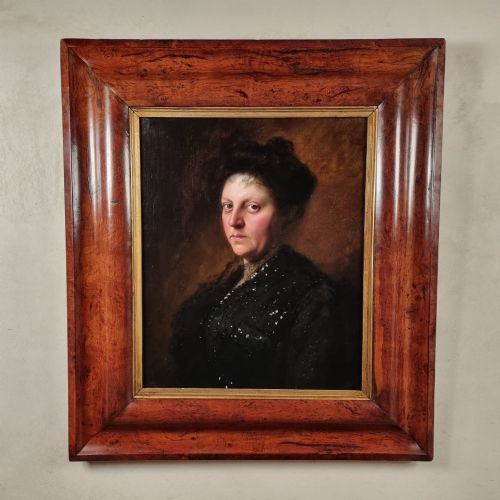
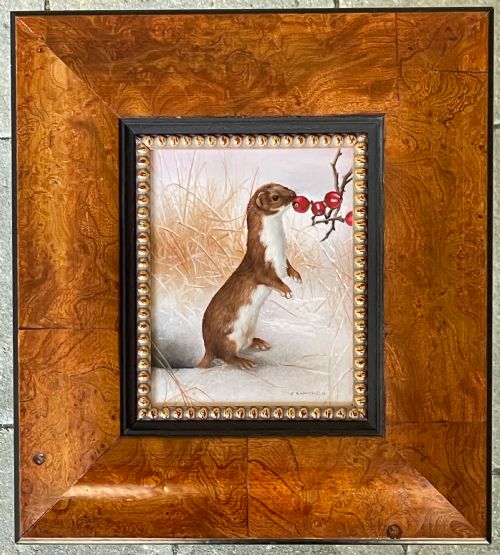
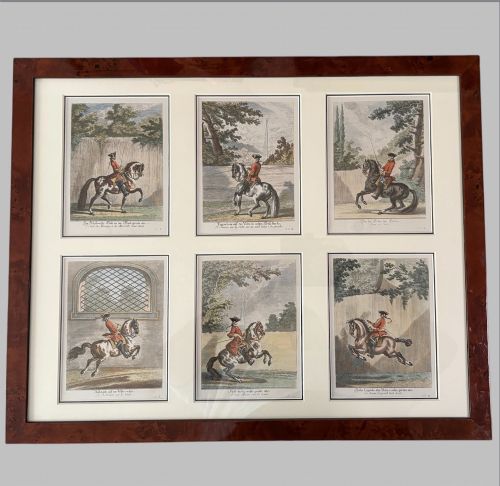
These brown burr walnut frame pieces bring together striking timber figures and classic forms across several historic periods.
Brown Burr Walnut Frame
A brown burr walnut frame provides a distinctive framing solution built from highly figured timber. When buyers search for a brown burr walnut frame, they encounter items ranging from wall mirrors to decorative surrounds.
The selections span numerous eras including the seventeenth century, Georgian period, Edwardian years, and the Art Deco epoch. Wall mirrors represent the primary physical format for framing within these listings.
Makers utilised this rich wood across various furniture and decorative arts, often pairing the walnut veneer with glass or gilt detailing. The resulting objects function both as structural surrounds and as decorative centrepieces.
Materials and construction methods
Makers constructed these pieces primarily using solid wood frames overlaid with burr walnut veneer. This specialised slicing method captures the intricate knot growths of the walnut tree, creating complex and swirling grain patterns.
Workshops combined the figured timber with secondary materials such as glass for mirrors and occasional parcel gilt highlights. Artisans shaped the wood to suit distinct aesthetic movements, from Queen Anne curves to clean Art Deco lines.
Listings span periods from the 17th century through the Art Deco era, utilising burr walnut, walnut veneer, and glass.
Assessing quality in burr walnut
The density and movement of the burr pattern dictate much of the visual impact. Highly figured surfaces with deep, complex grain formations sit comfortably above plain timber variants.
Construction integrity and the preservation of the original veneer define the upper tiers of craftsmanship. Cohesion between the timber frame and supplementary elements like parcel gilding reveals the skill of the original workshop.
ELLIOTT of LONDON
The Brown Burr Walnut Frame Glossary
- Burr Walnut
- A timber harvested from the wart-like growths on walnut trees. It yields complex, swirling grain patterns highly prized for decorative veneer work.
- Veneer
- A thin layer of superior wood applied to a base material. This technique allows makers to display striking grain figures across flat surfaces.
- Parcel Gilt
- A decorative treatment where specific sections of an object receive a thin coating of gold leaf. It highlights carved details and contrasting timber tones.
- Queen Anne Style
- A design movement characterised by curved lines and restrained ornamentation. Pieces from this tradition often feature graceful proportions and polished wood surfaces.
Brown Burr Walnut Frame: Frequently Asked Questions
What periods do these frames represent?
The available pieces draw from multiple eras, spanning seventeenth-century origins, Georgian craftsmanship, and early twentieth-century Art Deco designs.
This chronological spread means buyers can find both traditional revival styles and period originals matching their interior preferences.
How should I clean a burr walnut surface?
Dust the timber gently with a soft, dry cloth to protect the delicate veneer and polish layers. Avoid harsh chemical cleaners or excess moisture which can damage the historic wood finish.
Regular, careful maintenance preserves the natural lustre and intricate grain patterns of the walnut over time.
Are these items strictly mirrors?
While wall mirrors form a significant portion of the framed objects, the category also encompasses clock surrounds and decorative display items. Each piece utilises the distinctive timber to encase a central visual element.
Makers applied the same veneer techniques across various functional formats during the nineteenth and twentieth centuries.
How do I identify Art Deco examples?
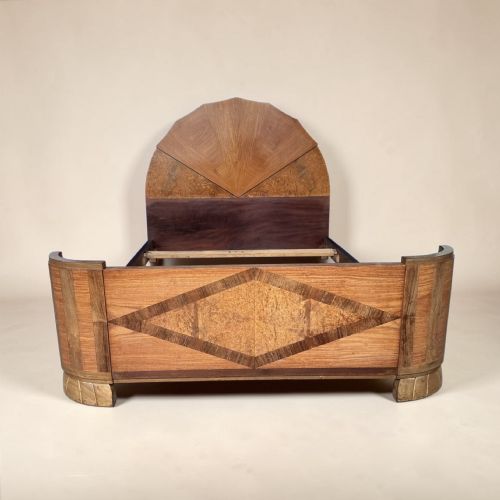
Art Deco pieces from the nineteen-thirties typically showcase geometric symmetry and heavily figured walnut veneers without excessive carving. They reflect the modern industrial tastes of the interwar period.
These items stand apart from earlier Queen Anne revival or seventeenth-century models through their streamlined silhouettes.