


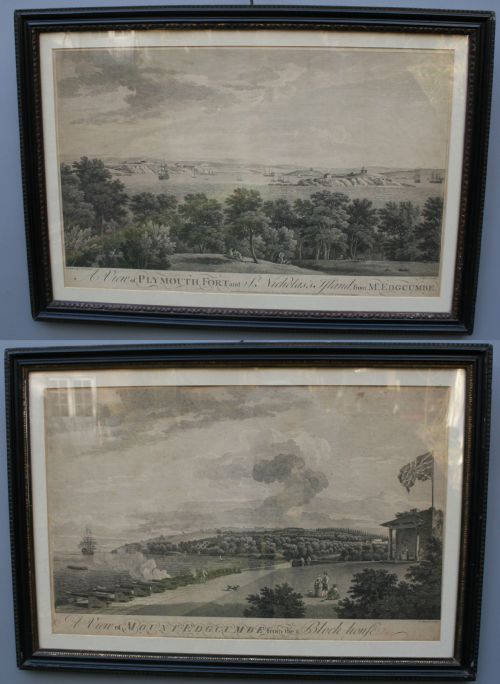


Framed Copperplate Art Set
These framed copperplate art set pieces bring together historic engraved plates and prints, offering collectors disciplined lines and detailed monochrome or tinted scenes.
Framed Copperplate Art Set
A framed copperplate art set brings together multiple related engravings or plates, often mounted behind glass in wood or giltwood frames. When you search for this phrase, you find gatherings of prints from the eighteenth century, the Georgian era, and the Regency period.
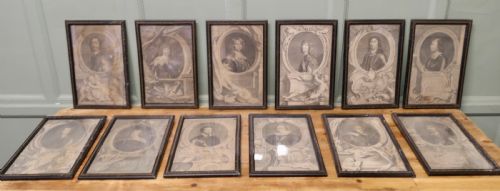
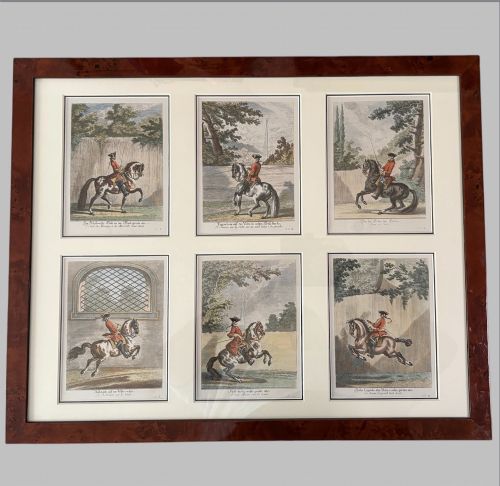
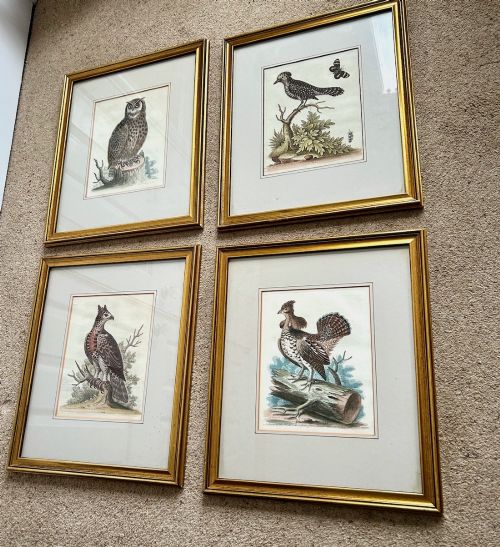
The subjects span natural history, equestrian scenes, classical plates, and topographical views. Many sets contain uniform groupings, such as twelve Jacobus Howbraken engravings or six equestrian plates by Ridinger, designed to be displayed together on a wall.
How They Were Made
These works rely on intaglio printmaking techniques, where lines are incised into copper plates before ink is applied and transferred to paper. Some examples feature later hand colouring or tinting applied over the printed ink.
Framing materials commonly include wood, burr wood veneer, gilt wood, and gold leaf, paired with protective glass. The mounting often incorporates period paper supports and traditional backing methods appropriate to eighteenth and nineteenth century workshop practices.
Several sets record the muscles and skeletons of eighteenth century anatomical studies, proving that science once required a very steady hand with an engraving tool.
What Varies in Quality
Quality rests in the crispness of the plate impression and the preservation of the paper beneath the glass. Finer sets retain sharp, clean lines without blurring or excessive fading from light exposure over the centuries.
The integrity of the framing also dictates standard; period giltwood and burr wood frames that complement the age of the prints hold more distinction than later, mismatched replacements.
Jacobus Howbraken·Ridinger·George Edwards·Edward Stodart·W. Collard·Simon François Ravenet·Charles Paillasson·Jan Wandelaar
The Framed Copperplate Art Set Glossary
- Copperplate
- An intaglio printing matrix made from a sheet of copper into which images are carved with a burin or etched with acid. This metal plate allows for fine, precise lines characteristic of historic prints.
- Aquatint
- A printmaking method that produces tonal areas resembling watercolour washes through the use of acid-resistant resin. It appears alongside standard line engraving in topographical and illustrative sets.
- Mezzotint
- A tonal engraving process where the copper plate is roughened uniformly to produce rich dark areas and subtle gradations of light. This technique allows for deep shadows and soft transitions.
- Giltwood
- Wood carved and coated with a thin layer of gold leaf or metallic powder. It provides a reflective, ornate border frequently found on frames housing eighteenth century works.
Framed Copperplate Art Set: Frequently Asked Questions
How should I hang a framed copperplate art set?
Keep these framed sets away from direct sunlight to protect the paper and any hand applied watercolours from fading. Grouping them at eye level helps maintain the visual balance of the series.
Ensure the wall fixings are secure, as multiple frames can carry significant weight when mounted together with glass and wood mouldings.
Are these prints original eighteenth century impressions?
The listings include period printings from the seventeen hundreds and the Regency era, alongside later nineteenth century plates and twentieth century printings. Checking the paper characteristics and framing helps identify the era of production.
Examining the plate marks visible in the paper margins also assists in determining whether an impression comes directly from the copperplate.
What subjects do these engraved sets cover?
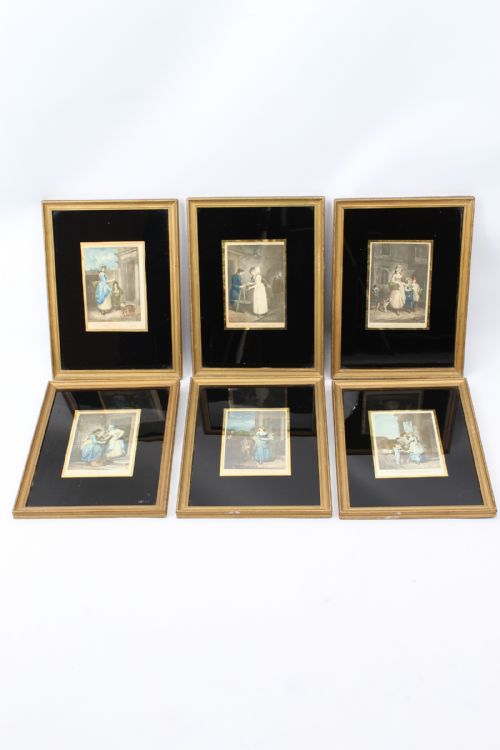
The subjects range from anatomical studies and natural history plates to equestrian scenes, coastal views, and portraits of royalty. Sets often focus on a single theme, such as Cries of London or classical writing plates.
This thematic consistency makes them suitable for study or for unified display across a library or hallway wall.
How do I care for antique paper under glass?
Maintain stable room humidity to prevent the paper from cockling or attracting moisture behind the glazing. Avoid using chemical cleaning sprays near the frame joints or the glass surface.
Professional conservation framing techniques protect the edges of the paper and prevent acidic mounting materials from damaging the historic sheets over time.