
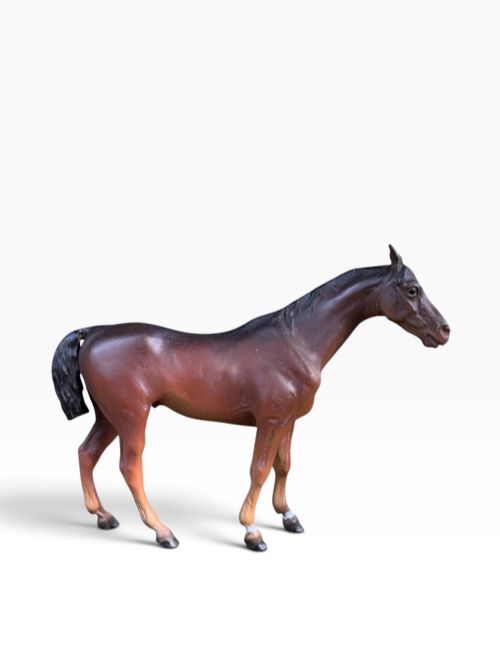

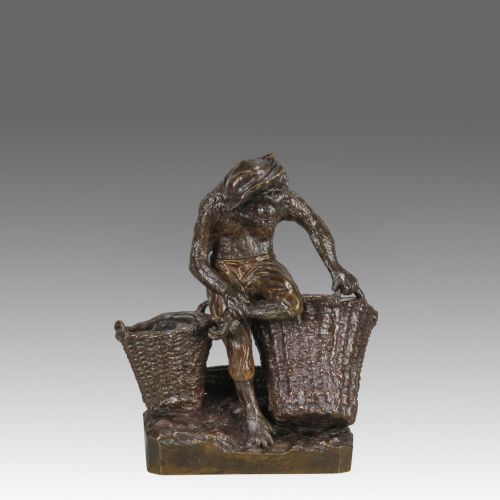
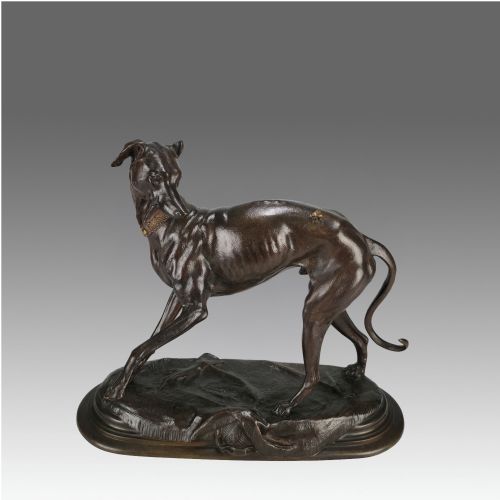
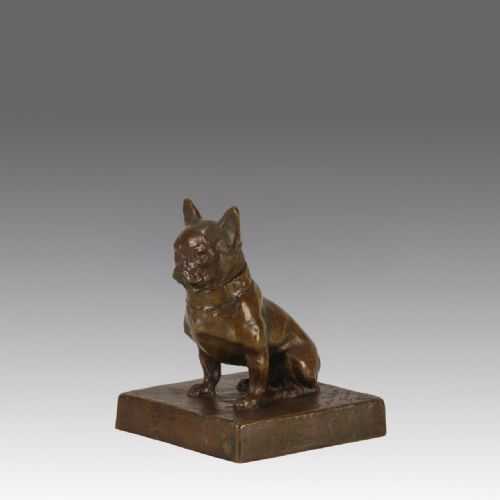


Brown Bronze Desk Ornament
A brown bronze desk ornament brings animalier studies and classical figures onto the writing table with enduring sculptural presence.
Brown Bronze Desk Ornament
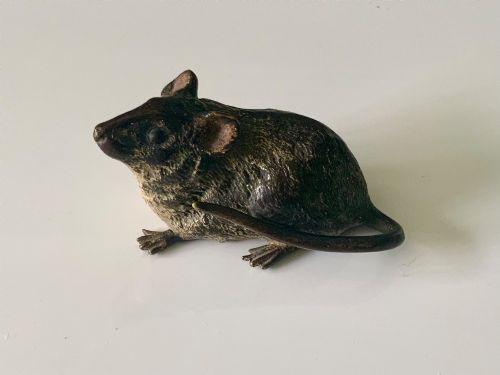
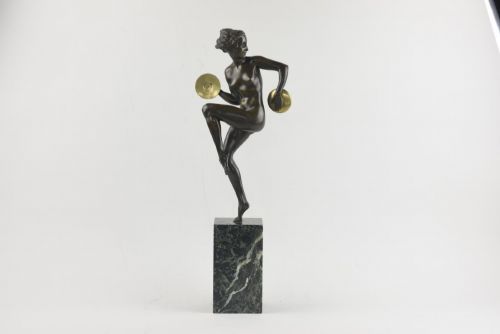
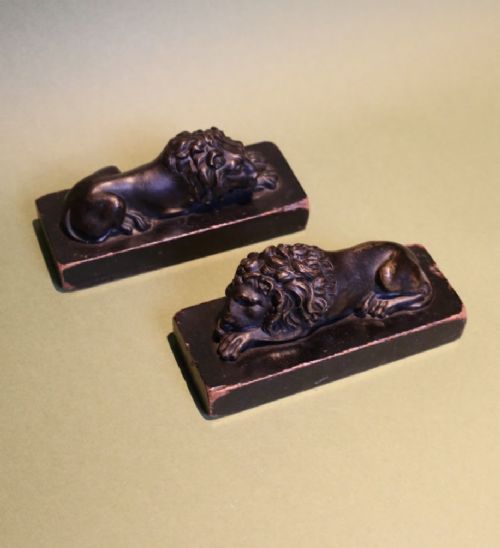
A brown bronze desk ornament encompasses a range of small sculptures, figurines, architectural models, and functional inkwells designed for nineteenth and early twentieth-century interiors. These pieces draw on French animalier traditions, Viennese cold-painted production, and Italian Grand Tour subjects intended for display on desks and mantelpieces.
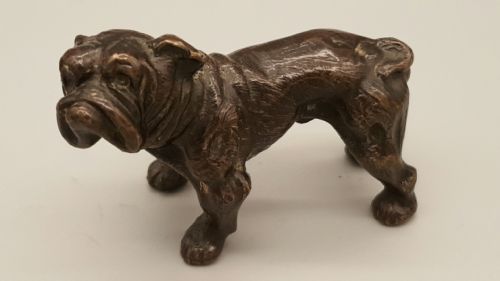
The selections on this page centre on nineteenth-century and early twentieth-century works, spanning periods from the eighteen-fifties through the nineteen-twenties. Buyers will frequently encounter depictions of dogs, cats, birds, and classical subjects cast in continental European workshops.
Materials and Techniques
The pieces on this page are fashioned primarily from cast bronze, patinated bronze, and cold-painted bronze, occasionally incorporating paint or metal alloys such as spelter. Several examples combine metal figures with bases of marble or alabaster to anchor the composition.
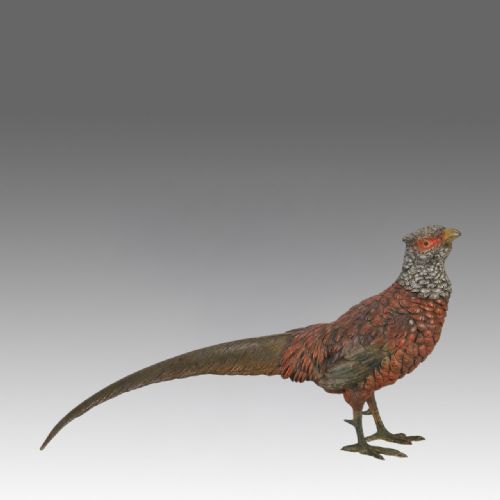
Foundry work relied on traditional casting methods, followed by hand-finishing, chasing, and the application of chemical patination or polychrome cold-painting. These techniques allowed makers to capture fine textures in fur, plumage, and architectural stonework.
Several dogs on this page share desk space with inkwells, mice, and flying insects.
Quality and Execution
The depth and preservation of the original patina or cold-painted surface dictate the visual success of the piece. Surfaces that have aged naturally without heavy intervention demonstrate the integrity of the original workshop finish.
Rudolf Küchler·Christophe Fratin·Alfred Barye·Franz Bergman·Antoine Louis Barye·Clovis Masson·George Van Der Straeten·Edith Parsons·P J Mêne·Carl Kauba·Louis Riche·Arthur Waagen·Ernest Louis Adnin·Ferdinand Pautrot
The Brown Bronze Desk Ornament Glossary
- Animalier
- A nineteenth-century artistic movement focused on the realistic depiction of animals, particularly predators, hounds, and birds in action.
- Cold Painted Bronze
- A technique where bronze figures are painted with multiple layers of cold oil paint rather than fired in a kiln, a specialty of Viennese foundries.
- Grand Tour
- Souvenirs and miniature bronze models of classical architecture and sculpture purchased by travellers exploring Italy during the nineteenth century.
- Patina
- The surface sheen or colour developed on bronze over time through oxidation or chemical treatment by the foundry.
- Spelter
- A zinc-based alloy frequently utilised as a less costly alternative to bronze for sculptural figures during the late nineteenth and early twentieth centuries.
Brown Bronze Desk Ornament: Frequently Asked Questions
How were cold painted bronzes made?
Cold painted bronzes were cast in metal and then hand-painted using multiple coats of oil-based colours without the application of heat. This technique allowed artisans to achieve vivid plumage and fur tones on small figures.
Viennese workshops specialised in this method, producing birds, dogs, and human figures with detailed polychrome surfaces. The paint sits directly on the metal ground and requires careful handling to preserve the pigment.
What are Grand Tour bronze models?
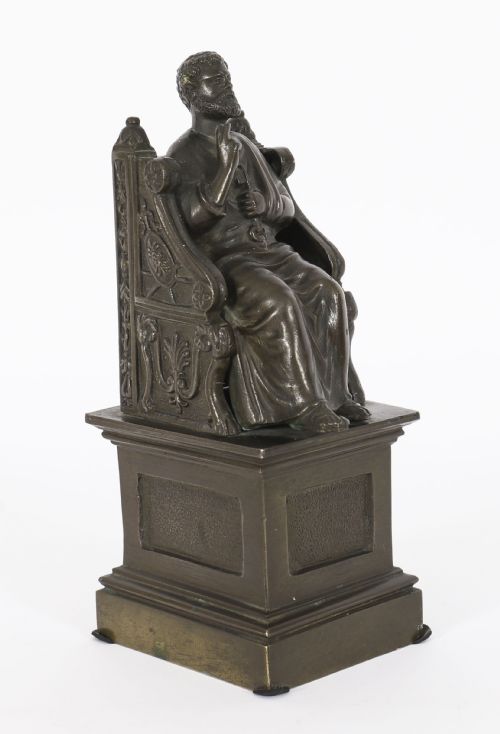
Grand Tour bronze models are miniature reproductions of ancient Roman architecture and classical sculpture acquired by travellers on European educational tours. They served as scholarly keepsakes and decorative ornaments for home studies.
These pieces capture famous monuments and statues in patinated bronze, often mounted on marble bases. They document nineteenth-century appreciation for classical antiquity.
How do I care for a bronze desk ornament?
Caring for a bronze ornament involves dusting the surface gently with a soft, dry brush to prevent the accumulation of debris. Avoid using chemical polishes or abrasive cloths that can strip the historic patina.
Keeping the piece away from direct sunlight and excessive moisture helps preserve the metal and any underlying painted or patinated surfaces. Stable indoor conditions ensure the longevity of both the bronze and its stone base.