



Bronze Marble Plinth Sculpture
A bronze marble plinth sculpture combines cast metal figures with solid stone bases, offering classical balance and substantial weight to interior spaces.
Bronze Marble Plinth Sculpture
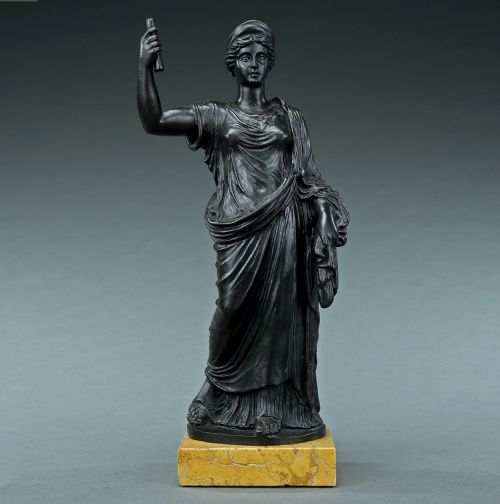
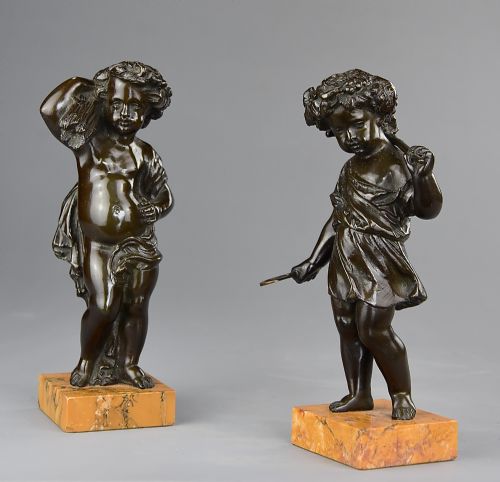
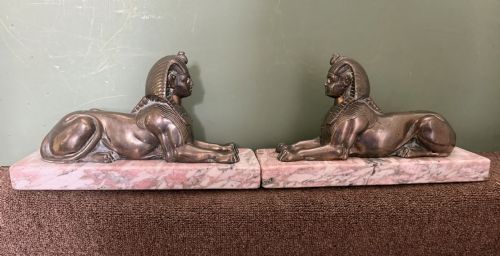
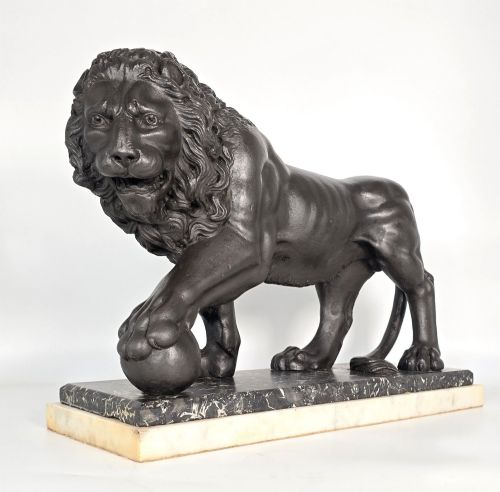
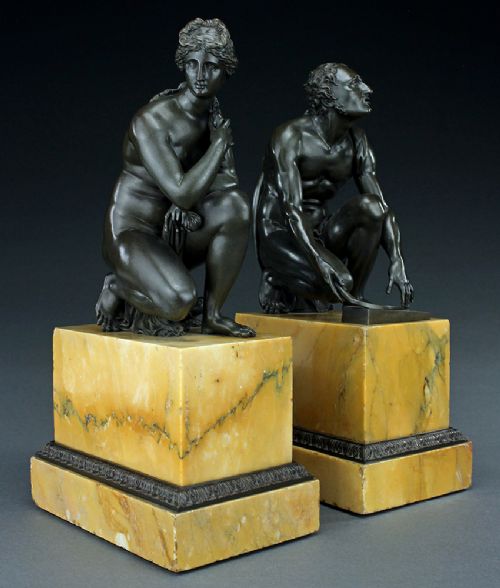
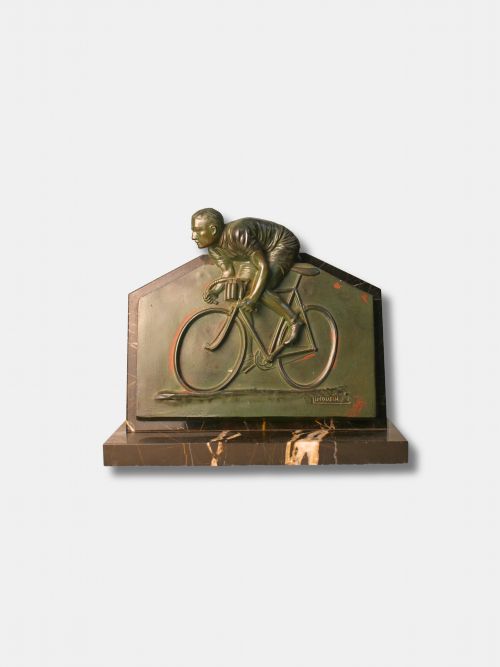
When searching for a bronze marble plinth sculpture, you encounter figural works where cast metal subjects rest securely upon heavy stone bases. These compositions span nineteenth-century Grand Tour souvenirs of classical deities to twentieth-century Art Deco dancer studies.
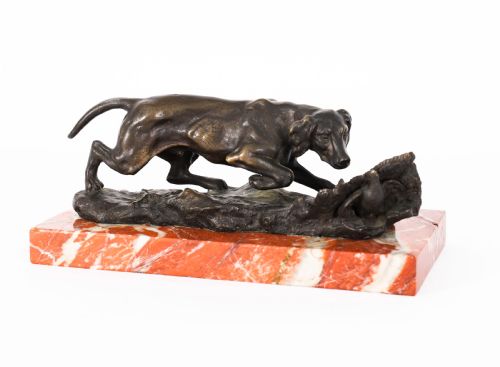
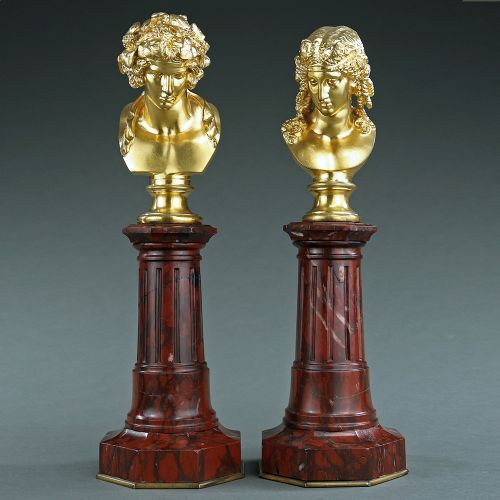
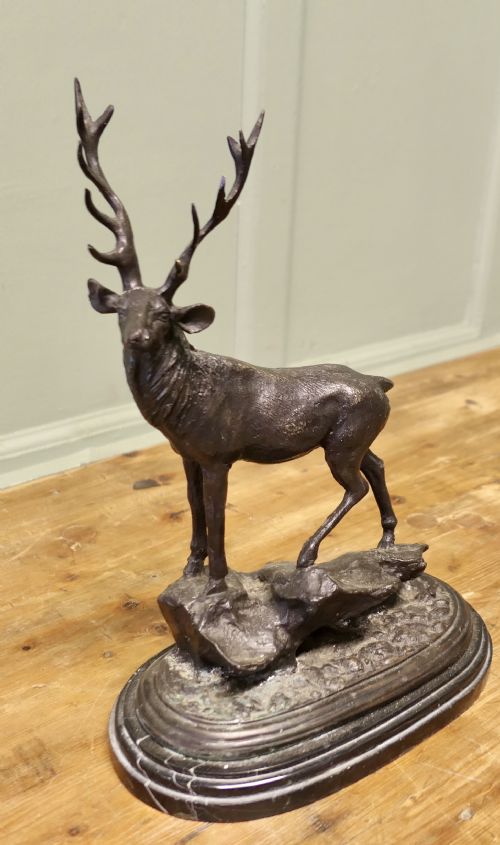
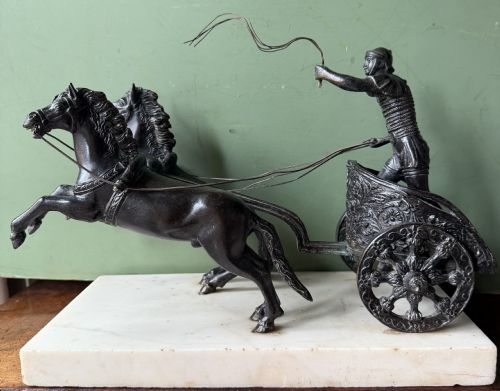
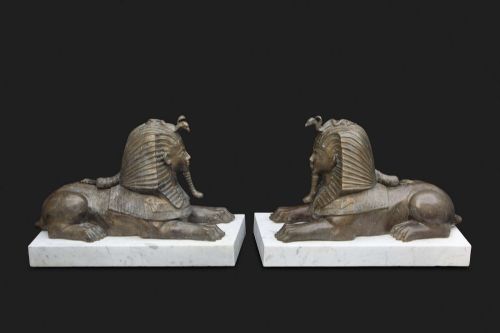
The dominant pieces on this page feature patinated or gilt bronze figures paired with black, white, or red marble plinths. Animalier studies of hunting dogs and stags appear alongside mythological figures and architectural columns.
Origins lean heavily toward nineteenth-century French and Italian workshops, alongside later Art Nouveau and Art Deco creations. The combination provides a stable foundation that elevates the cast subject visually and physically.
Materials and construction methods
Foundry work utilises traditional lost-wax casting or sand casting for the metal elements, producing patinated bronze, gilt bronze, or sometimes spelter. Artisans finish these metal figures with chiselling and applied patination to define intricate details.
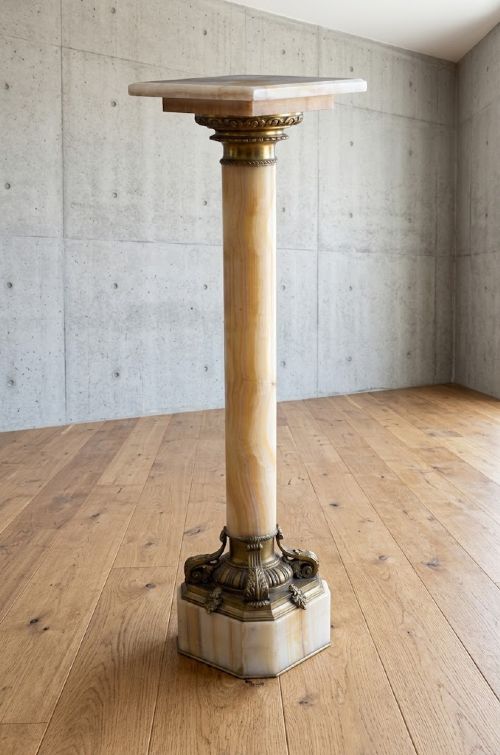
Bases incorporate turned or slab-cut marble, onyx, and sometimes ormolu collars or mounts. The heavy stone plinth acts as a structural counterweight to the metal sculpture secured upon its upper surface.
Listings feature materials spanning bronze, ormolu, onyx, and multiple marble varieties across nineteenth-century and twentieth-century periods.
Factors determining quality
The selection and preparation of the stone base matter significantly. Dense marbles with rich veining, tight joints, and substantial thickness separate exceptional display pieces from standard later adaptations.
Carl Kauba·Josef Lorenzl
The Bronze Marble Plinth Sculpture Glossary
- Grand Tour
- A nineteenth-century cultural excursion undertaken by wealthy young Europeans acquiring classical souvenir bronzes. These miniature statues reproduced famous antiquities found in Italian collections.
- Animalier
- A nineteenth-century artistic focus on realistic depictions of animals in action or repose. Sculptors such as those working in French foundries captured dogs, stags, and birds with anatomical accuracy.
- Ormolu
- Gilt bronze mounted as decorative hardware or architectural enrichment on furniture and stone bases. The process involves applying a gold amalgam to heated bronze.
- Spelter
- A zinc alloy utilised as an economical alternative to bronze in decorative statuary. Figures cast in spelter often receive bronze-toned coatings to mimic heavier metal.
- Patination
- The surface coloration achieved naturally over time or artificially through chemical treatments on metal. This finish protects the bronze while enhancing visual depth.
Bronze Marble Plinth Sculpture: Frequently Asked Questions
What periods do these sculptures originate from?
The available pieces originate primarily from the nineteenth century, encompassing Victorian and Grand Tour productions, alongside early twentieth-century Art Deco and Art Nouveau examples.
Maker signatures and casting techniques help establish tighter production decades within these broader historical windows.
How were these sculptures displayed originally?
These works served as decorative table ornaments, cabinet pieces, or focal points upon dedicated columns and architectural pedestals within nineteenth-century parlours and libraries.
The heavy stone plinths provided both stability and an intentional visual boundary between the artwork and the domestic surface below.
How do I distinguish bronze from spelter?
Bronze offers greater weight, coldness to the touch, and a resonant sound when lightly tapped compared to zinc-based spelter alloys. Examining any areas of wear reveals the underlying metal colour.
Spelter also tends to show softer surface details due to lower melting temperatures during the casting process.
How should I clean a marble plinth?
Dust marble surfaces regularly with a soft, dry cloth to prevent abrasive particle accumulation. Avoid acidic cleaning solutions that etch polished stone.
Consult a conservator before applying any oils or waxes to historic stone bases or patinated metal figures.