




Brown Art Nouveau Vase
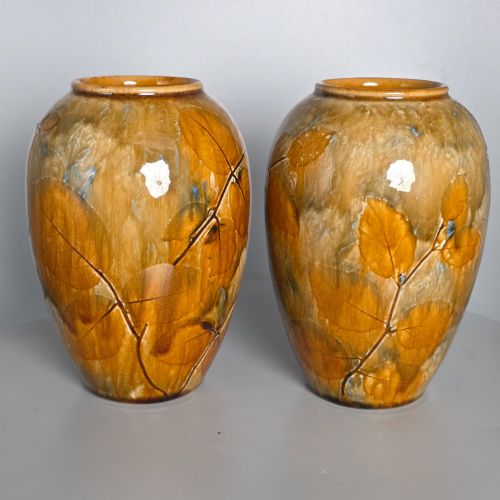
A brown art nouveau vase brings fluid natural forms and earthy autumn tones into a room.
Brown Art Nouveau Vase
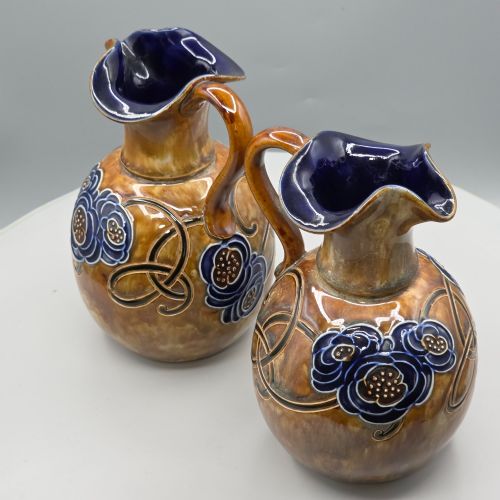
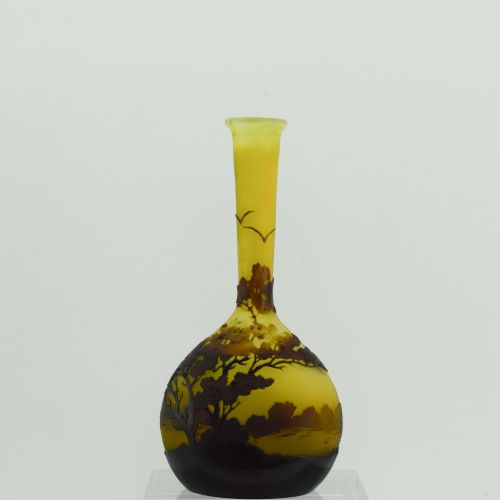
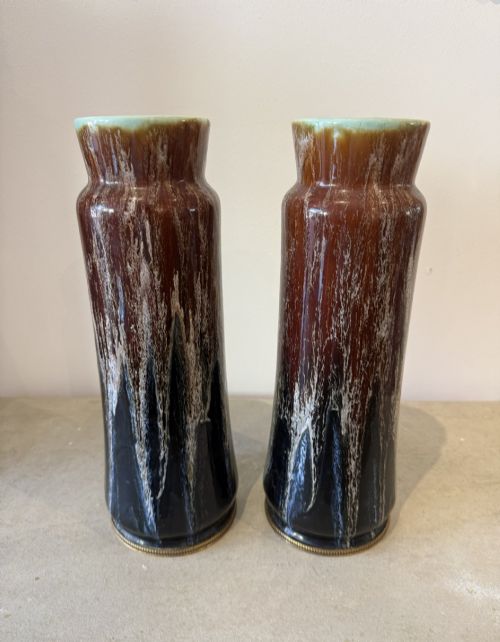
When searching for a brown art nouveau vase, collectors encounter vessels spanning the late nineteenth and early twentieth centuries, created during the height of the international art nouveau movement and the associated arts and crafts period. These pieces emerge predominantly from European potteries and glasshouses, taking the form of bulbous vases, tall jugs, and decorative ewers.
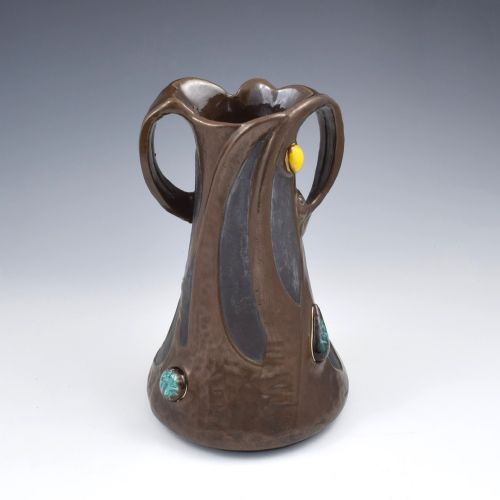
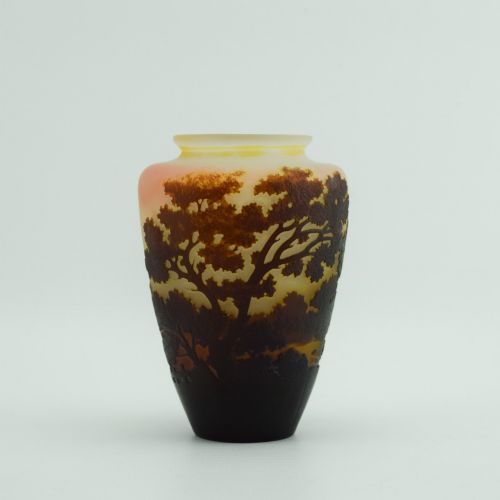
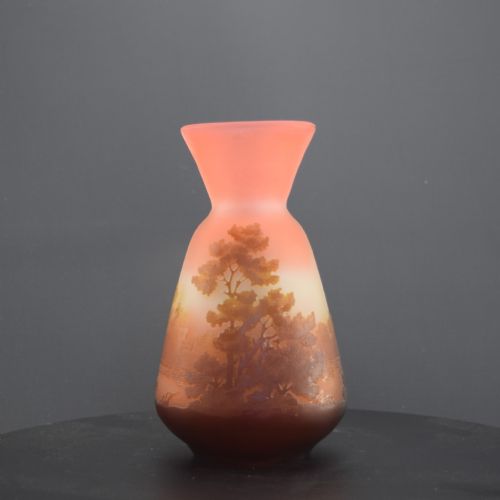
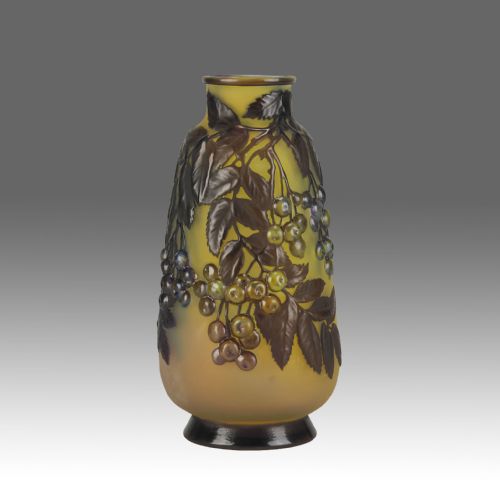
The objects on this page showcase distinctive organic motifs, including leaf patterns, water lilies, and natural landscapes rendered in warm, autumnal palettes. Makers utilised flowing botanical lines to define the silhouettes, capturing the essence of the period through sculptural handles and swelling bodies.
Factors that define superior quality
Quality rests upon the crispness of the modelled detail and the depth of the glaze or glass carving. Pieces decorated by named artists or produced by leading potteries demonstrate superior hand-finishing and more ambitious sculptural forms.
The balance of the silhouette and the subtlety of the colour transition distinguish finer examples from standard production wares. Stronger pieces retain vibrant metallic effects, intricate cameo layering, and well-defined botanical motifs without losing structural harmony.
Several vases feature whimsical jewelled cabochons that catch the light like polished beetle shells.
Royal Doulton·Galle·Boch Freres·Bretby Pottery·Wileman Intarsio·Doulton Lambeth·Legras·Charles Korschann·Cranston·Paul Dachsel Amphora
The Brown Art Nouveau Vase Glossary
- Cameo Glass
- Glass vessels created with multiple layers of contrasting colours, where the outer layers are etched or carved away to leave a raised design.
- Intarsio
- A distinctive earthenware pottery range produced by Wileman featuring printed and painted colourful patterns under a clear glaze.
- Ewer
- A large jug with a wide spout and a large handle, traditionally used for holding water but frequently produced purely for decorative display.
- Cabochon
- A polished, convex gem or rounded decorative stud applied to ceramics to mimic natural jewels and enhance the surface texture.
- Arts and Crafts
- A design movement valuing traditional craftsmanship, simple forms, and motifs derived from British flora and fauna.
Brown Art Nouveau Vase: Frequently Asked Questions
How do I identify a genuine piece?
Examine the base for maker marks, impressed pottery numbers, or acid-etched signatures matching known period output. Authentic items show characteristic weight, hand-finished glaze variations, or precise cameo glass carving appropriate to the maker.
Compare the stylistic motifs against documented examples from the same workshop to confirm the period and production method.
Where were these pieces made?
Production centres were concentrated across Britain and continental Europe, notably in France, Austria, and Belgium. Leading potteries and glasshouses employed skilled artisans who shaped these vessels during the late Victorian and Edwardian eras.
Regional styles often reflect the specific specialities of these areas, such as cameo glass from French glasshouses and art pottery from English manufacturers.
How should I display them?
Position these vessels where natural light can strike the glaze or illuminate the layered glass. Placing them on wooden surfaces complements the earthy brown tones and organic plant motifs.
Keep them away from direct sunlight if they feature delicate coloured glazes, and ensure they stand on stable surfaces away from high-traffic edges.
Can I use them for flowers?
Most ceramic and glass pieces function perfectly well for holding dried stems or water, provided the interior glaze remains intact. Vintage ceramics can sometimes be porous, so checking the interior for hairline cracks is wise before adding moisture.
Many collectors prefer to display them empty as sculptural works of art rather than risking damage from daily use.