








Bronzed Spelter Sculpture
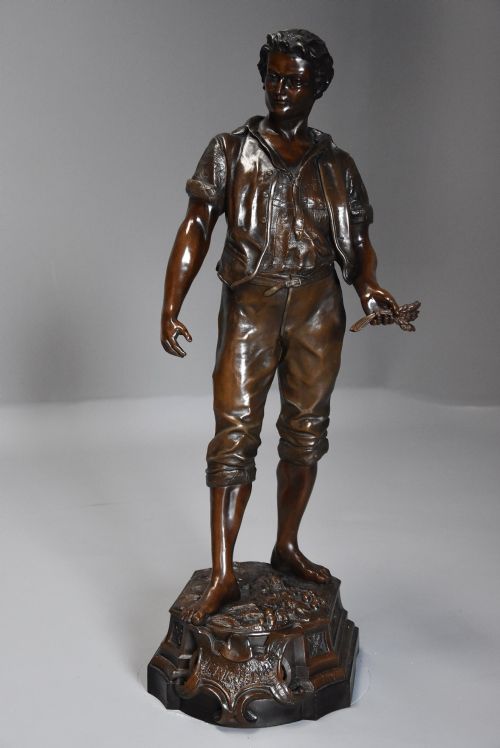
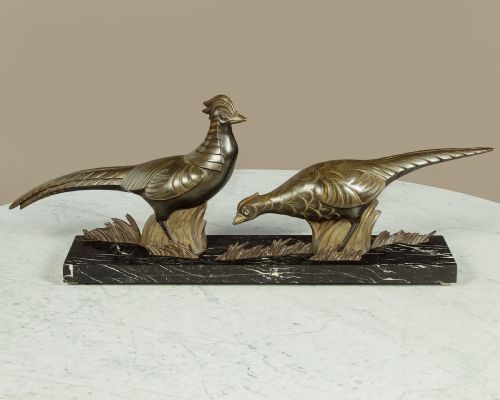
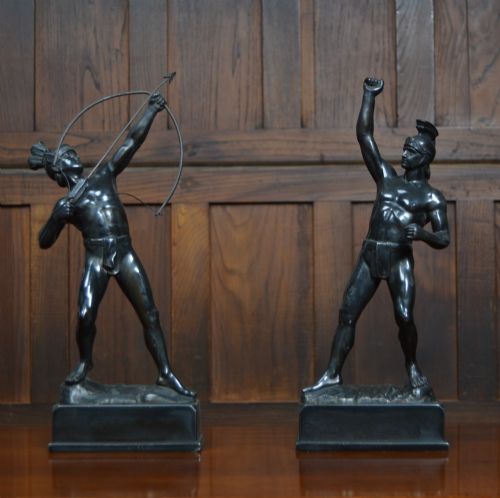
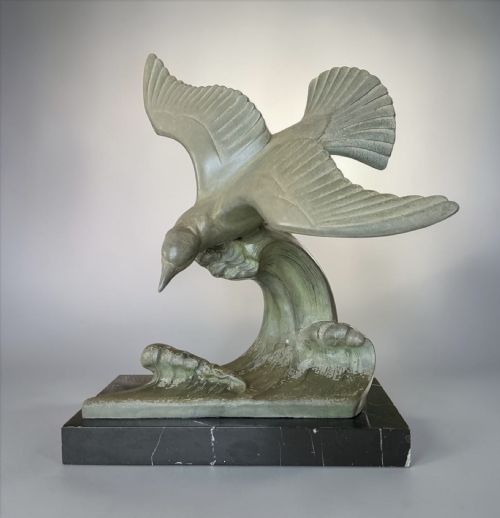
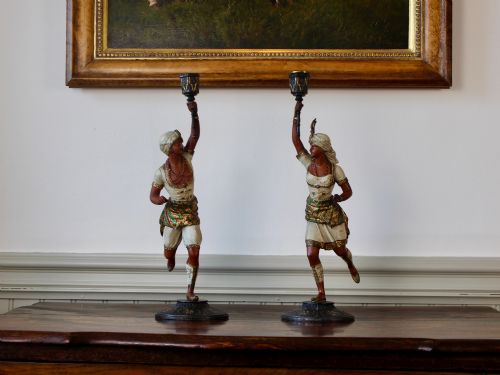
These bronzed spelter sculpture pieces bring the decorative weight of nineteenth and twentieth century casting into a room.
Bronzed Spelter Sculpture
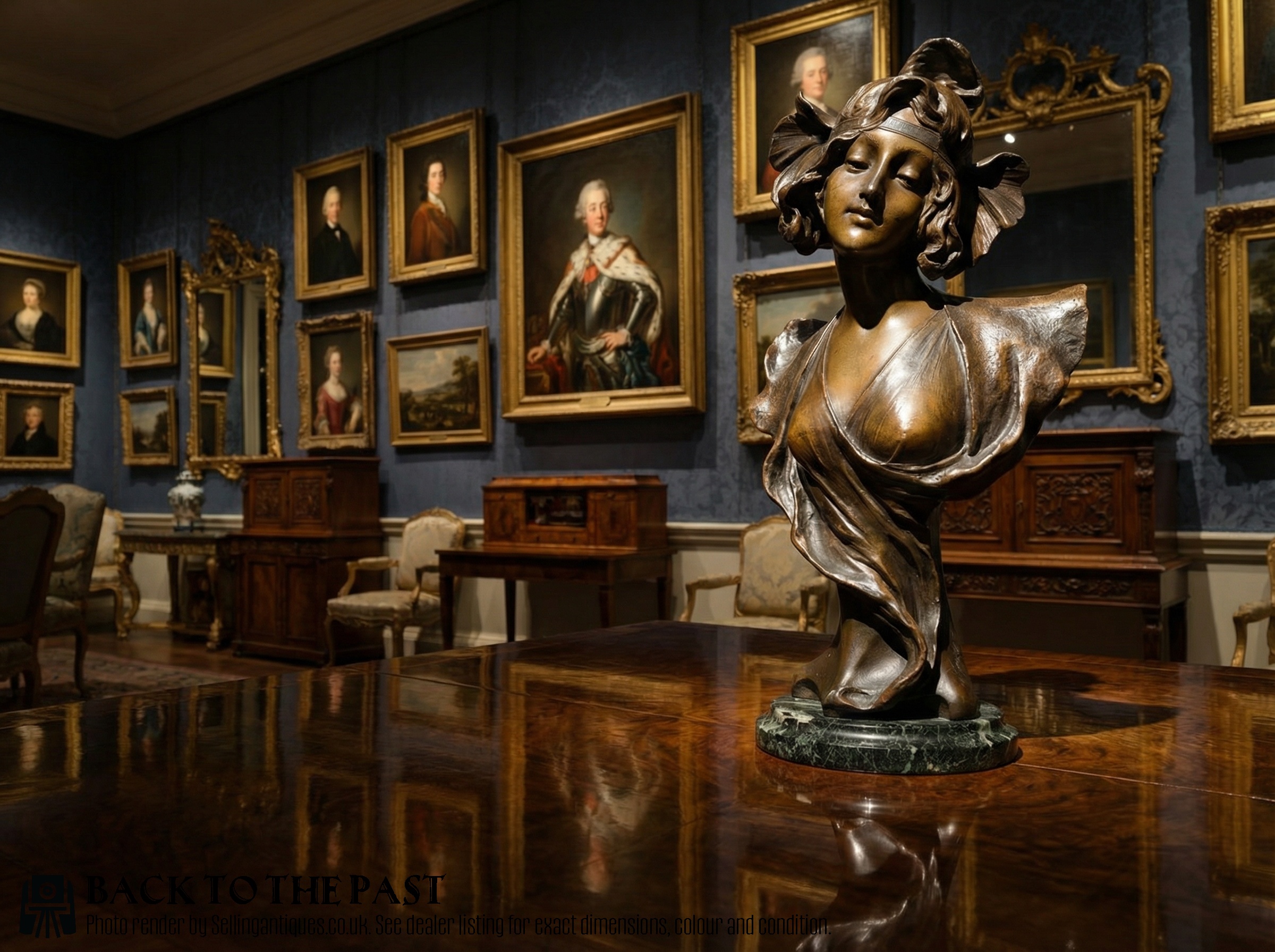
A bronzed spelter sculpture represents a more accessible alternative to solid bronze, taking the form of figures, animals, lamps, and clock garnitures. These objects emerge frequently in nineteenth-century French variants alongside streamlined twentieth-century designs.
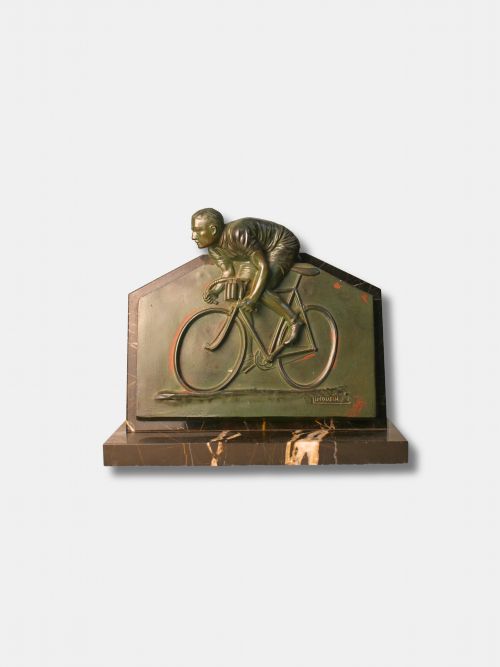
The selection here draws heavily on the Art Deco era of the 1920s and 1930s, alongside nineteenth-century and Victorian pieces. Figures range from dancers and athletes to animals, literary characters, and allegorical subjects.
Makers and sculptors often mounted these metal figures onto heavy stone bases made of marble or onyx to give stability and contrast.
How they were made
Spelter, primarily a zinc alloy, is softer and lighter than bronze, making it easier to cast into intricate shapes for figures and decorative objects. Foundries applied chemical patination or bronze paint over the base metal to simulate the appearance of true bronze.
Many of these pieces incorporate mixed media elements, pairing the metallic figures with bases of marble, onyx, or wood, and occasionally integrating glass components for lamps.
Medieval characters balanced precariously on stilts rub shoulders with tennis players and ice skaters across the metalwork.
What varies in quality
The depth and application of the bronze patination also dictate distinction, alongside the quality and solidity of the supporting marble or onyx plinths.
F.Milliot·Josef Lorenzl·P. Sega·C Masson·Geo Maxim·H. Bal·Chiparus·Auguste Moreau·C.H.Valton
The Bronzed Spelter Sculpture Glossary
- Spelter
- A zinc alloy used extensively as a cost-effective substitute for bronze in nineteenth and twentieth century decorative metalwork. It takes fine detail well but has a softer composition than copper-based alloys.
- Patination
- The surface treatment or chemical coloration applied to metal to simulate aged bronze or create specific dark tones. This finish gives spelter its characteristic warm metallic appearance.
- Art Deco
- A design style prominent in the 1920s and 1930s characterised by sleek geometric lines, stylised figures, and modern materials. Spelter sculpture from this period often depicts dancers, athletes, and animals.
Bronzed Spelter Sculpture: Frequently Asked Questions
What is spelter metal?
Spelter is a zinc-based alloy that gained widespread popularity during the nineteenth and twentieth centuries for decorative figures and clocks. It allowed foundries to produce affordable decorative objects that mimicked the look of bronze.
Because zinc is softer than copper alloys, these pieces require gentle handling to avoid surface dents or structural bends over time.
How do I clean a bronzed spelter sculpture?
Cleaning requires only a soft, dry cloth to remove dust from crevices and complex surfaces. Avoid liquid cleaners, abrasives, or polishes, which can strip away the applied bronze patination.
Keeping the piece away from direct sunlight and damp environments preserves the stability of both the metal finish and any attached stone base.
How can I tell Art Deco pieces apart from earlier ones?
Art Deco pieces, typically dating from the 1920s and 1930s, feature stylised geometries, streamlined forms, and subjects such as modern dancers, athletes, and sleek animals. Earlier nineteenth-century examples lean towards romanticism, realism, or classical allegories.
Base materials also help indicate the era, with polished black marble and onyx mounting being particularly prevalent during the 1930s.
Why are some figures mounted on marble bases?
Heavier stone plinths made of marble or onyx provided necessary weight and stability for relatively soft spelter figures. They also created a contrasting frame that elevated the visual presence of the metalwork.
These combination pieces were standard practice for French foundries producing mantel clocks, lamps, and standalone decorative sculptures.