


Bronzed Metal Figurine
A bronzed metal figurine delivers tactile presence and historic character to a room through solid cast form.
Bronzed Metal Figurine
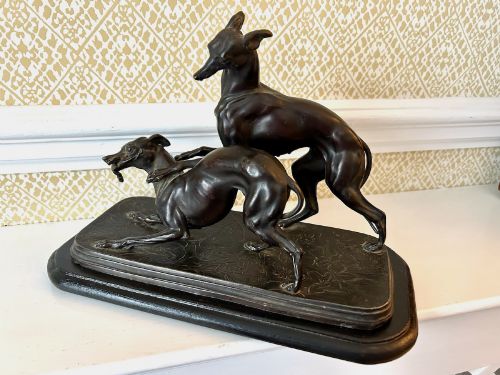
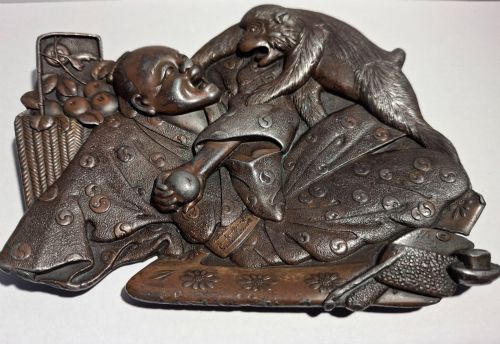
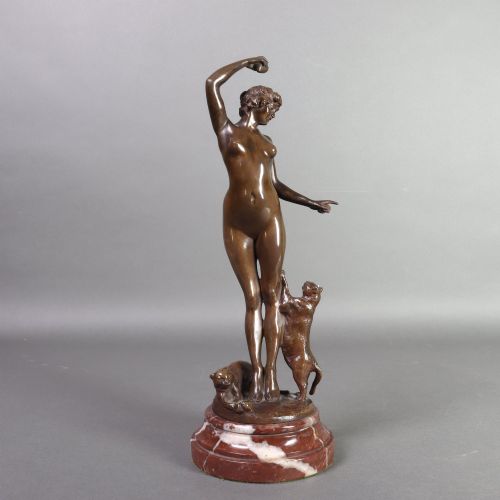
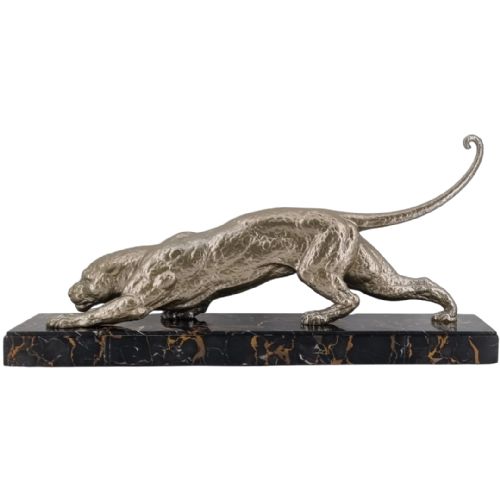
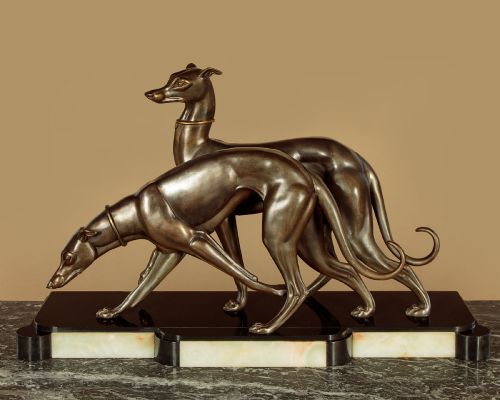
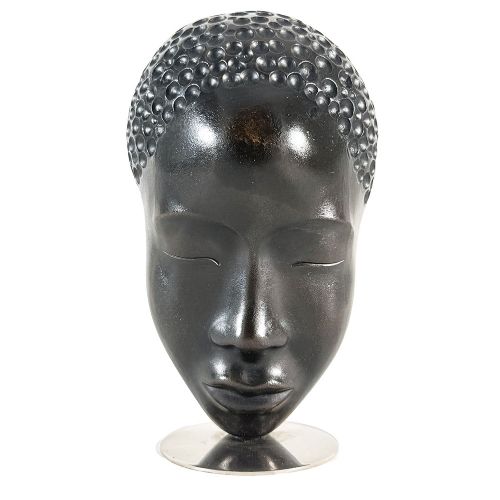
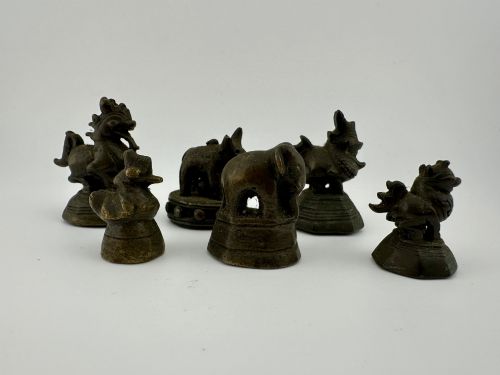
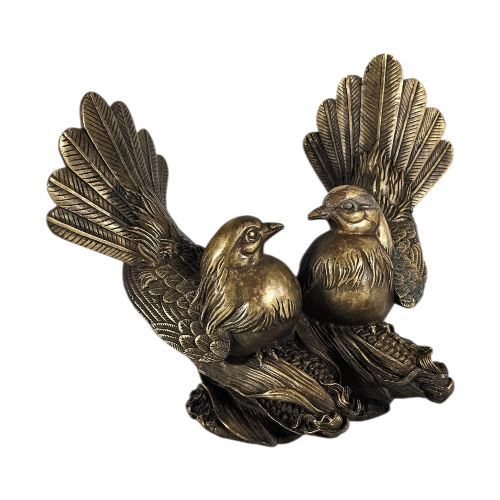
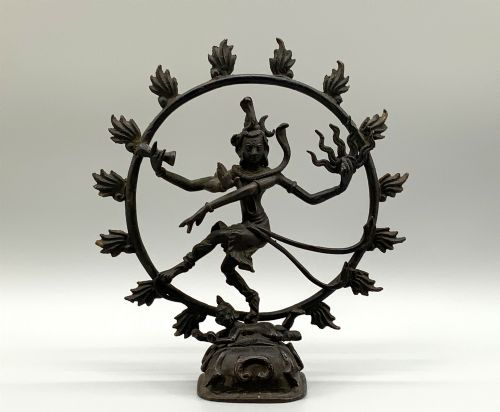
When you examine a bronzed metal figurine, you encounter small sculptures cast in bronze, spelter, or patinated metal representing human figures, animals, and mythological subjects. The offerings span several centuries, reaching from seventeenth-century classical casts through nineteenth-century animalier studies to twentieth-century Art Deco dancers.
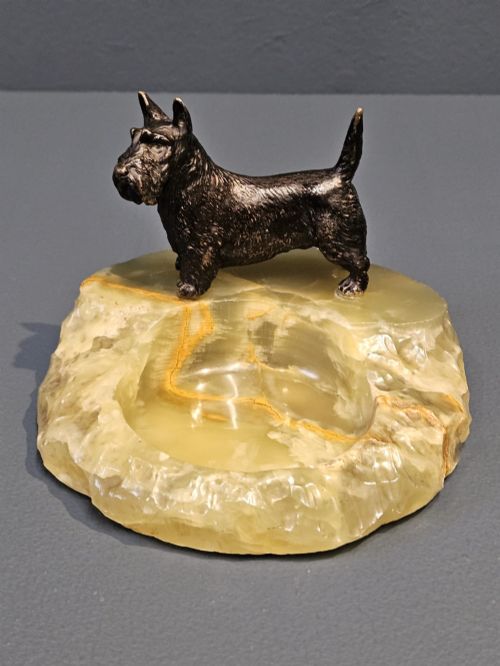
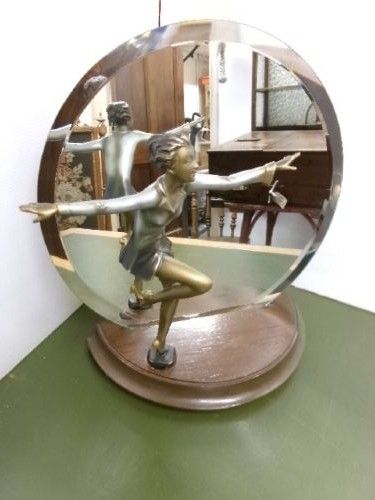
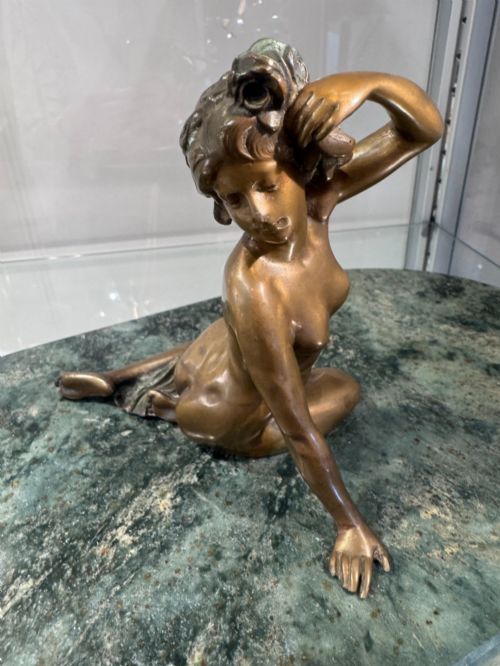
The version you are most likely to meet on this page is an early twentieth-century Art Deco dancer or an animal study cast in spelter or bronze, frequently mounted upon a marble or onyx base. These domestic ornaments range from small cabinet statuettes to substantial group sculptures created in European and Asian workshops.
How these figures were cast and finished
Foundries utilised the lost-wax method or sand-casting techniques to shape molten metal into complex anatomical and textural forms. The resulting metal core then received surface treatments, including chemical patination, cold-painted polychrome pigments, or electroplated gilding.
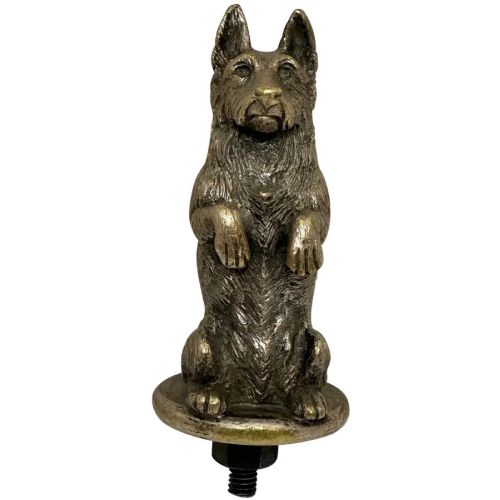
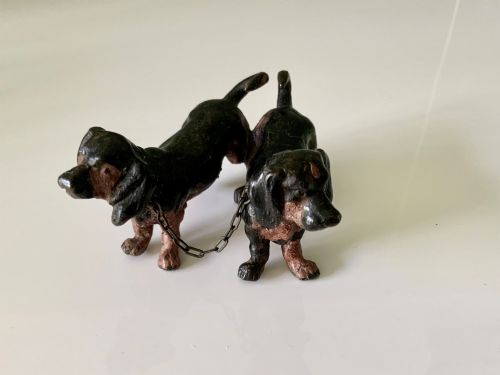
Among the menagerie of metal beasts, an industrious rhinoceros beetle stands ready for action alongside charging stags and watchful dachshunds.
What distinguishes superior examples
The distinction between ordinary and exceptional work rests upon the crispness of the chase-work and the depth of the metal patination. Skilled finishing by the sculptor or foundry hand recovers intricate details in feathers, hair, and drapery that standard production casts lose.
The weight and integrity of the foundational alloy, combined with the harmonious integration of any marble or onyx base, signal the standard of the piece. Superior examples display fluent anatomical movement and careful preservation of original cold-painted pigments or metallic patinas.
Pierre le Faguays·Josef Lorenzl·Christophe Fratin·Fabergé
The Bronzed Metal Figurine Glossary
- Spelter
- A zinc-based alloy utilised as an economical alternative to bronze in decorative European statuettes, particularly during the Art Deco period. It accepts patination and paint well, though it possesses a lighter weight and softer surface than true bronze.
- Cold-painted
- A finishing method where enamel or oil paint is applied to a metal figure without subsequent firing in a kiln. This technique is characteristic of Vienna bronzes and twentieth-century cabinet figures.
- Animalier
- A nineteenth-century artistic genre dedicated to the realistic and dynamic portrayal of animals. Practitioners focused heavily on anatomical accuracy and natural behaviour.
- Okimono
- A traditional Japanese decorative object designed for display on a household shelf or tokonoma alcove. These carvings and metal casts frequently depict figures, animals, and genre scenes from everyday life.
- Patina
- The surface coloration and sheen acquired by metal over time or produced artificially through chemical application. This layer protects the underlying alloy and defines the visual character of the sculpture.
Bronzed Metal Figurine: Frequently Asked Questions
How do I clean a bronze figurine?
Dust the surface gently with a soft, dry brush to prevent accumulation in recessed areas. Avoid water, abrasive cloths, and chemical polishes that strip historical patination.
Apply a very thin coat of microcrystalline wax if the metal requires protection against atmospheric moisture. Buff the surface lightly with a clean cloth after application to maintain a stable finish.
Is spelter the same as bronze?
Spelter is a zinc-based alloy rather than the copper and tin mixture that constitutes true bronze. It appears frequently in decorative twentieth-century figures and holds paint readily.
You can differentiate the two by checking the weight and examining any areas of wear where the underlying metal shows. Spelter feels lighter in the hand and reveals a greyish-white interior beneath the surface patina.
What is cold-painted bronze?
Cold-painted bronze refers to metal sculptures finished with unbaked polychrome paints. This technique flourished in Austrian workshops during the late nineteenth and early twentieth centuries.
Because the pigments sit on the metal without kiln-firing, surviving examples often display characteristic flaking or wear. Collectors prize pieces retaining their original pigment schemes.
How were marble bases attached?
Sculptors secured metal figures to stone plinths using threaded rods and bolts extending from the feet or base of the cast into the marble. This method provided stability for figures with dynamic cantilevered poses.
Check that the nut beneath the stone remains secure without excessive tightening that might stress the natural material. Original mounting hardware confirms the integrity of the piece.