




Bronze Woman Bust
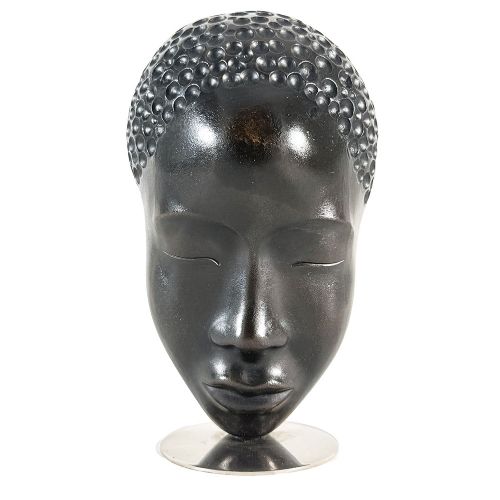
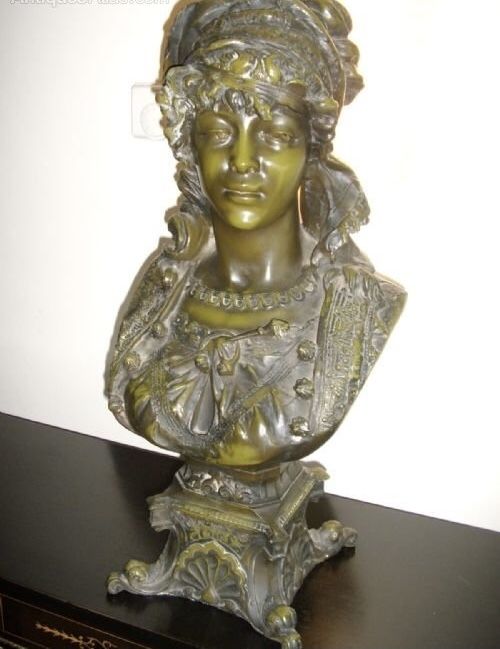
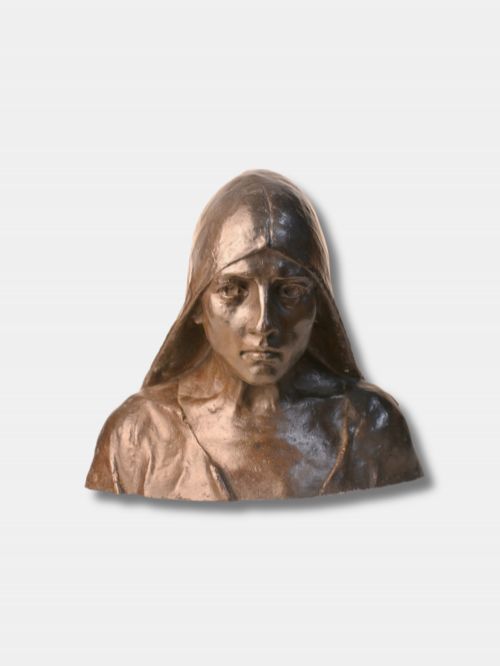
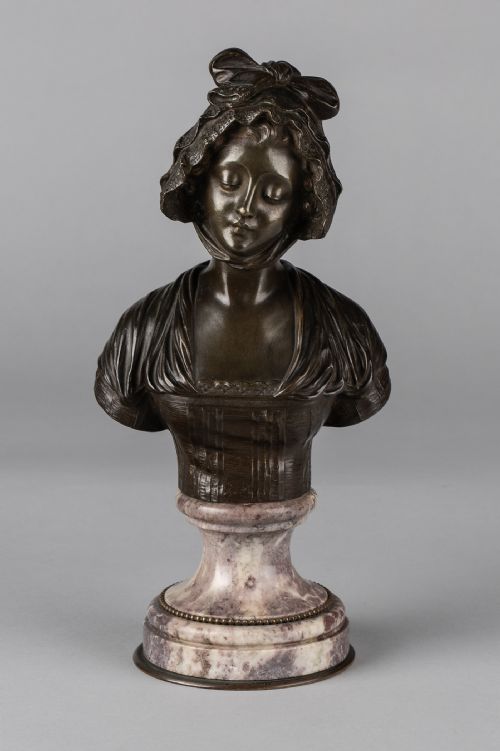
These bronze woman bust pieces capture female form through varied casting and patination, offering collectors striking sculptural focal points.
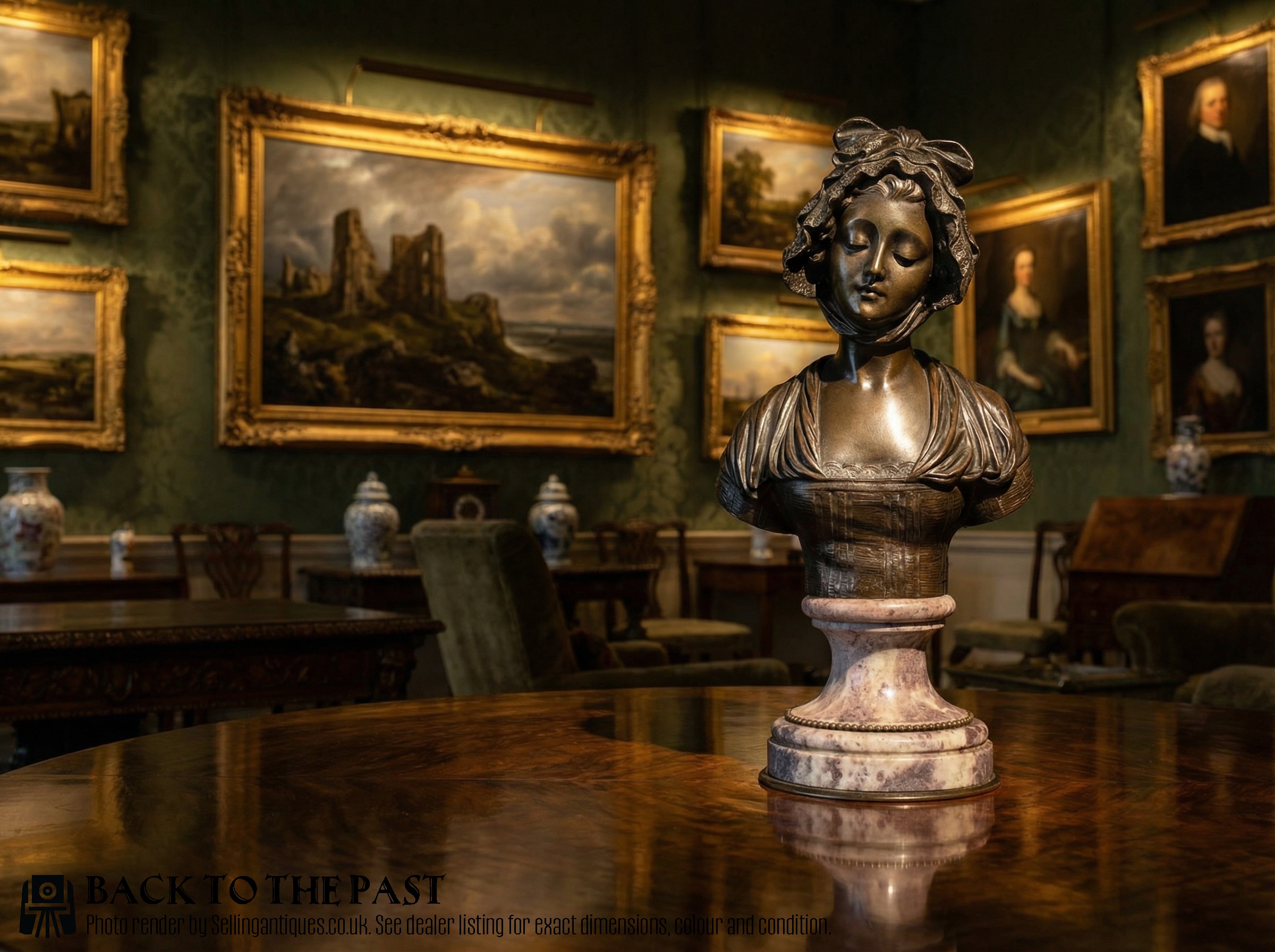
Bronze Woman Bust
A bronze woman bust presents a sculptural portrait of a female subject, typically rendered from the shoulders or chest upwards. These works emerge predominantly from the nineteenth century and the Edwardian era, capturing diverse feminine ideals across historical and allegorical styles.
Buyers encounter several distinct aesthetic interpretations on this page, ranging from classical and medieval representations to French academic art and flowing Art Nouveau designs. Sculptors utilise varied metals, patinas and occasionally terracotta or plaster to render these detailed female portraits.
The objects span intimate tabletop sculptures to more substantial portrait pieces, reflecting the diverse domestic display traditions of the Victorian and Edwardian periods. Each piece demonstrates the period maker's focus on expression, costume and hair detail within a compact sculptural format.
How they were made
Many of these works utilise traditional metal casting methods, finished with applied patinas to create varied surface tones on the bronze. Artisans frequently mount these metal sculptures onto shaped marble or wood bases to provide stability and visual contrast.
Alternative materials such as terracotta and plaster appear alongside cast bronze, offering different textural qualities for the sculpted female form. Painted surfaces and subtle colour accents occasionally highlight specific details of costume and expression in the finished work.
One historical female subject immortalised in bronze here goes strictly by the enigmatic title Ida.
What varies in quality
The richness and depth of the original patina significantly influence the character of each bronze surface. Base materials like marble or timber also vary in grain and quality, contributing to the overall presence of the sculptural piece.
Henry Wissen Senior·Emile Jespers·Georges Van Der Straeten·E. Laurent·Henri Plé·Eugene Laurent·Lambeaux·Emmanuel Villanis
The Bronze Woman Bust Glossary
- Patina
- A surface coloration or film that forms on bronze naturally over time or through chemical application. This finish alters the visual tone and protects the underlying metal.
- Terracotta
- Fired clay used as a primary medium for sculptural busts. It allows for expressive modelling before the clay hardens permanently in a kiln.
- Art Nouveau
- A decorative style prevalent around nineteen hundred, characterised by flowing organic lines and natural forms. This aesthetic often influences the hair and drapery of female busts from the period.
- Neoclassical
- An artistic style drawing inspiration from classical antiquity, focusing on order and proportion. Busts in this manner reflect ancient Greek and Roman portrait traditions.
- Plaster
- A workable composition material used to create sculptural forms or preliminary models. It provides a smooth white surface that captures fine detail.
- French Academic Art
- A style of painting and sculpture produced under the influence of the French academies. These works emphasise rigorous technical skill and traditional formal standards.
Bronze Woman Bust: Frequently Asked Questions
What materials make up a bronze woman bust?
These pieces primarily utilise cast bronze, often enhanced with chemical patinas to produce distinct surface tones and dark or warm finishes.
Additional materials include terracotta, plaster, and painted elements, frequently mounted upon fitted marble or wooden display bases.
How should I display a bronze woman bust at home?
These sculptures suit stable surfaces such as sideboards, mantelpieces, or dedicated pedestals where the surrounding light catches the patinated contours.
Ensure the supporting furniture is level and secure, as the combined weight of the metal and marble base can be substantial.
How do I distinguish nineteenth century pieces from Edwardian ones?
Nineteenth century examples often lean towards classical, Renaissance, or academic styling with formal drapery and rigorous attention to historical detail.
Edwardian and later turn-of-the-century works frequently incorporate flowing Art Nouveau aesthetics, softer facial expressions, and more organic, sinuous lines.
Why do some busts feature signatures or foundry marks?
Signatures indicate the individual sculptor who modelled the original portrait, while foundry stamps or cast marks identify the workshop responsible for pouring the metal.
These inscriptions help attribute the work to specific artists and European foundries active during the Victorian and Edwardian periods.