

Bronze Standing Figure
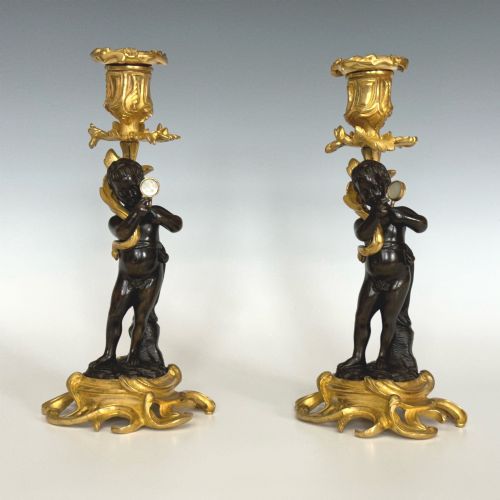
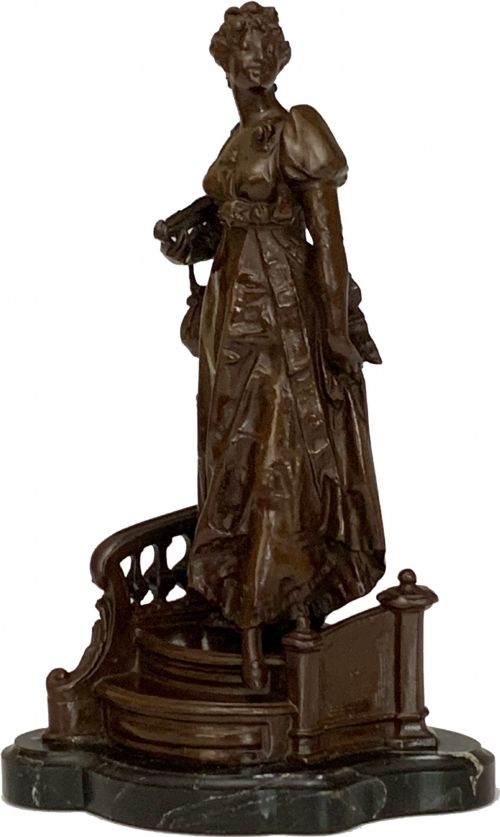
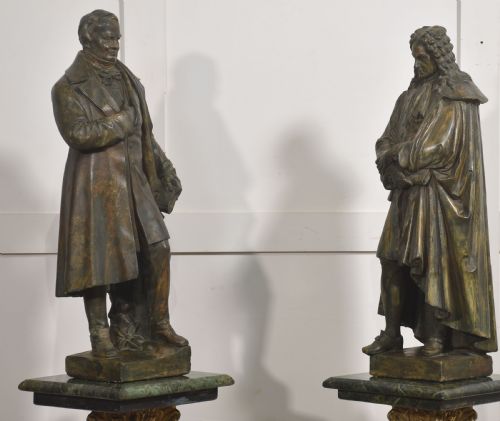
When you search for bronze standing figure, you encounter cast metal sculptures, figures, and figural candlesticks spanning the nineteenth and early twentieth centuries.
Bronze Standing Figure
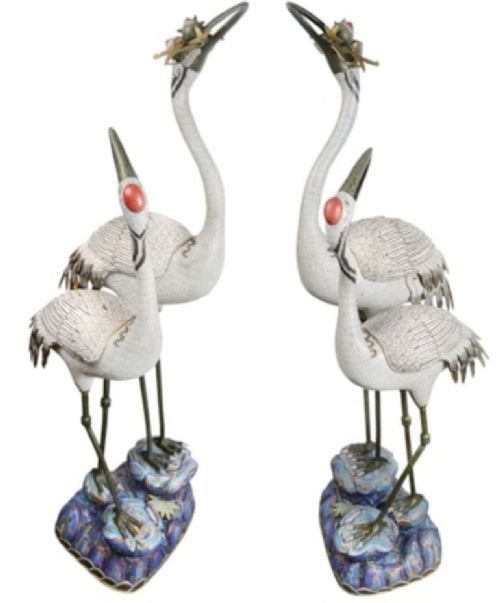
When searching for a bronze standing figure, collectors view a diverse selection of sculptural works, figural lights, and decorative objects. These items encompass human portraits, animal studies, mythological subjects, and religious icons produced across multiple centuries.
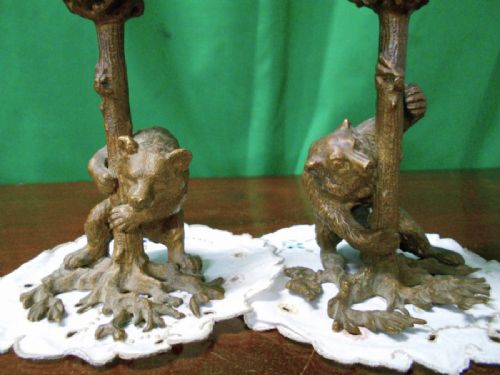
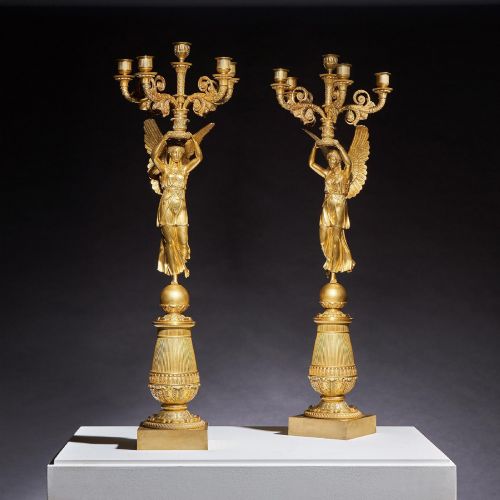
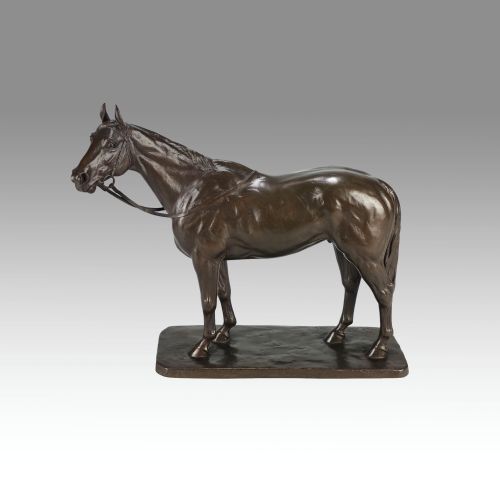
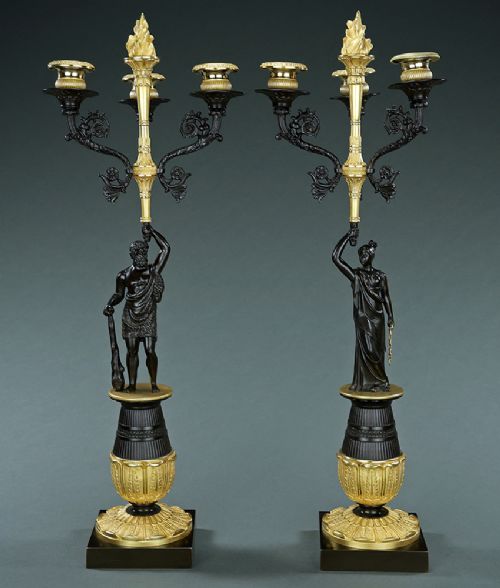
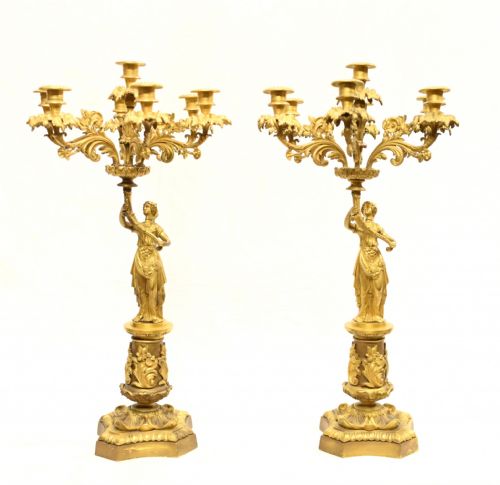
The most common versions met on this page include nineteenth-century French desk accessories, animalier studies, and early twentieth-century Austrian cold-painted bronzes. Works range from small cabinet figures to large architectural candelabra and mantel sculptures.
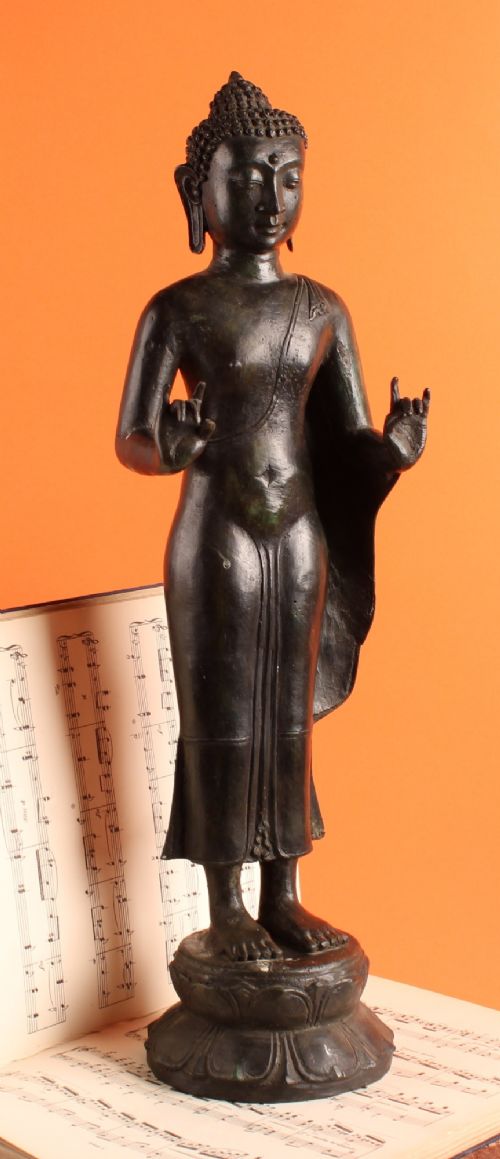
Origins stretch from European ateliers in France and Austria to Asian traditions including Japanese Meiji works and Thai Buddha figures. Each piece reflects the aesthetic priorities and casting techniques of its specific period and region.
How they were made
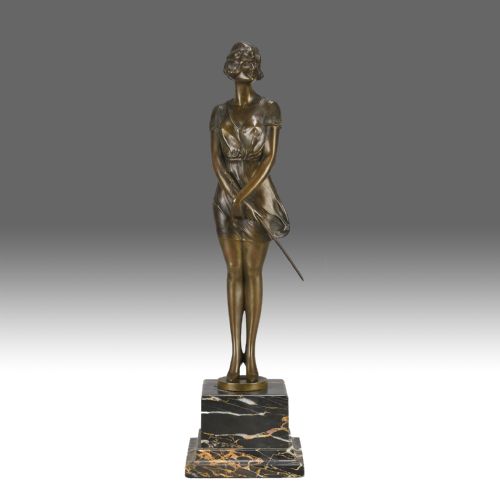
The primary material used is bronze, often enhanced through patination, cold-painting, or gilding with ormolu. Many European examples are paired with marble plinths, onyx bases, or slate mounts to provide structural support and visual contrast.
Alternative metal alloys such as spelter and brass appear frequently alongside plaster and chalk figures finished with patinated coatings. Cold-painted surfaces rely on delicate hand-applied polychrome pigments over a metallic base.
Casting methods combined traditional lost-wax techniques with commercial foundry production, utilising specialist stamps and signatures from prominent makers and foundries to denote the origin of the cast.
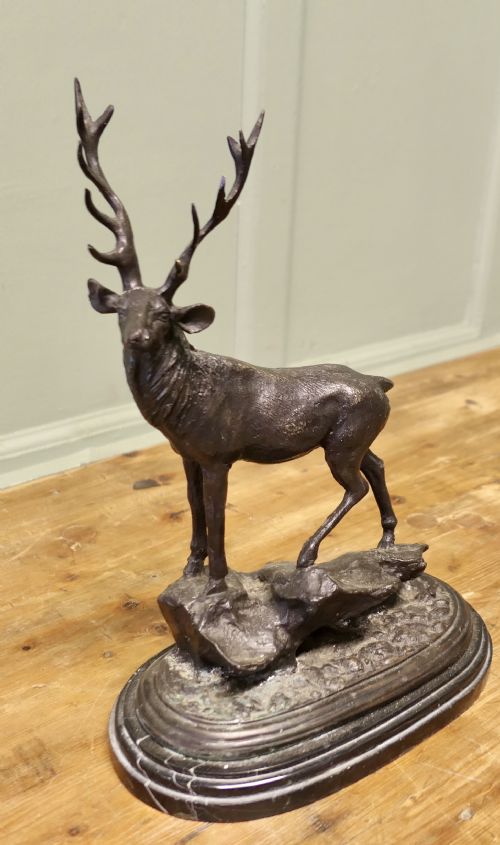
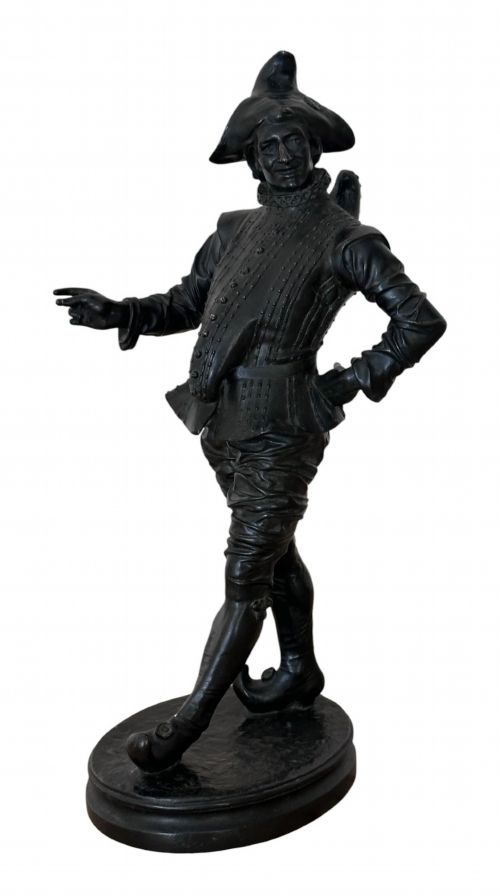
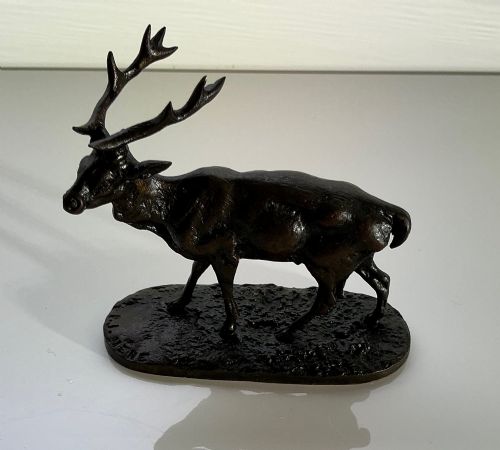
Medieval characters navigating on stilts appear alongside majestic stags, balancing solemn historical dignity with unexpected whimsy.
What varies in quality
Quality in these sculptures depends upon the crispness of the chasing and the sophistication of the surface finish. Superior casts retain fine anatomical details, sharp garment folds, and deliberate textural contrast across hair, fabric, and base.
The integrity of the patina or original cold-painted pigment heavily influences the desirability of a piece. Examples that retain their authentic surface treatments without heavy overpainting or abrasion command greater interest from collectors.
The quality of the secondary materials, such as heavy veined marble plinths, fire-gilded ormolu mounts, and signed foundry markers, elevates the status of an individual bronze standing figure above standard commercial production.
Bruno Zach·Pierre Philippe Thomire·P Granet·Kunio Itô·PJ Mene·Georges Van Der Straeten·Franz Bergman·Fabergé·Humphrey Hopper·Anders Zorn·Barbedienne·Emile Boyer
The Bronze Standing Figure Glossary
- Patinated bronze
- Bronze that has been treated with chemical solutions to produce a specific surface colour or dark tone. This finish protects the metal and defines sculptural contours.
- Ormolu
- Finely ground high-carat gold mercury-gilded onto a bronze base. This technique creates a rich, lasting metallic lustre seen on French decorative objects.
- Cold-painted bronze
- Metal figures painted with natural pigments after casting and left unfired. This method was widely utilised by Viennese workshops in the early twentieth century.
- Spelter
- A zinc or lead-tin alloy used as a less expensive alternative to bronze. It is often given a bronze-like finish to imitate higher-value metalwork.
- Animalier
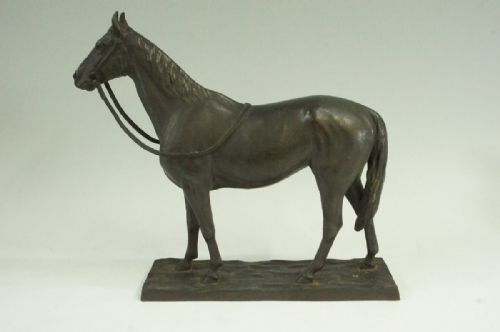
- A nineteenth-century artistic genre specialising in the realistic portrayal of animals. These sculptures frequently depict dogs, horses, and wildlife in naturalistic standing poses.
- Grand Tour
- Souvenirs and classical bronze reproductions purchased by nineteenth-century travellers in Italy. These figures replicate antique statues with dark green or brown patination.
Bronze Standing Figure: Frequently Asked Questions
How do I clean a bronze standing figure?
Dust the surface gently with a soft, dry brush to remove particulate matter without disturbing the patina. Avoid using commercial metal polishes, water, or abrasive cloths that can strip historical surface treatments.
Apply a microcrystalline wax sparingly if the metal requires protection against humidity. Buff the wax gently with a clean cloth to maintain a stable, matte finish.
What is the difference between bronze and spelter?
Bronze is a durable copper and tin alloy that accepts fine chasing and complex patination. Spelter is a softer, lighter zinc-based substitute that feels less dense and shows wear more readily.
Examining the underside or areas of friction often reveals the underlying grey-white metal of spelter beneath a painted surface. Bronze retains a warm, metallic golden-brown hue beneath the patinated skin.
Are cold-painted bronzes fragile?
Cold-painted bronzes require careful handling because the polychrome surface pigment is simply applied over the metal rather than kiln-fired. Friction, moisture, and aggressive cleaning can cause the delicate paint layers to flake or chip.
Display these figures away from direct sunlight and high-humidity environments to preserve the integrity of the original paintwork. Secure the pieces firmly when moving them to prevent accidental impact.
How can I tell the age of a bronze figure?
Dating relies on stylistic clues, costume details, manufacturing techniques, and foundry marks or signatures stamped into the metal. The weight and composition of the base materials, such as early marble or slate plinths, also offer period context.
Compare the casting quality and patina characteristics with documented examples from known periods like the French Empire or Art Deco eras. Archival records and maker signatures provide the most reliable chronological anchors.