
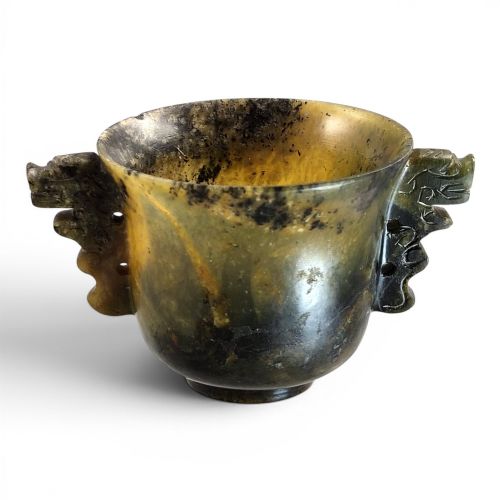


Bronze Ritual Vessel
These bronze ritual vessel pieces are heavy ceremonial vessels and censers that bring ancient casting traditions straight into a collector's study.
Understanding bronze ritual vessel pieces
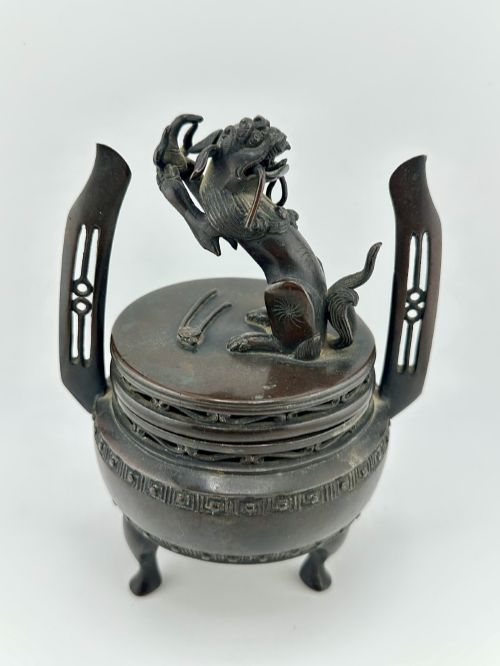
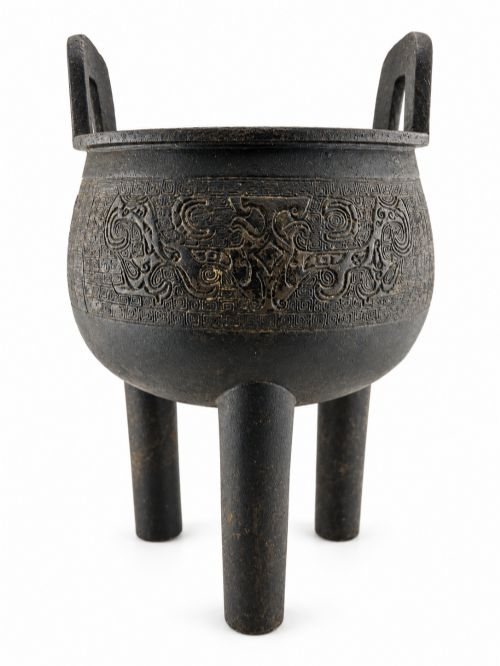
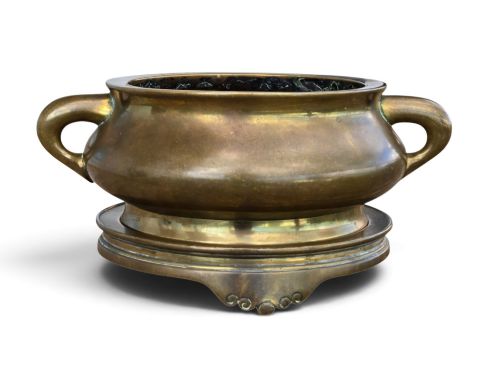
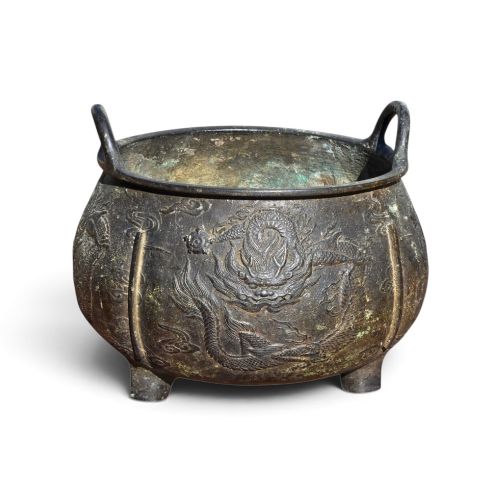
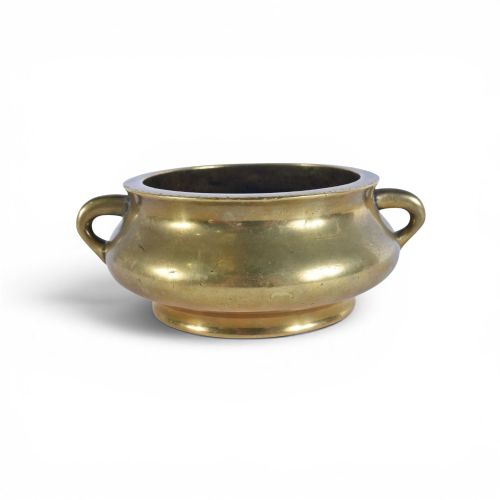
A bronze ritual vessel on this page typically appears as a censer, incense burner, tripod container, or gu vase. These heavy objects trace their design lineage back to ancient Chinese forms, incorporating archaic styles and specific vessel types like the gui.
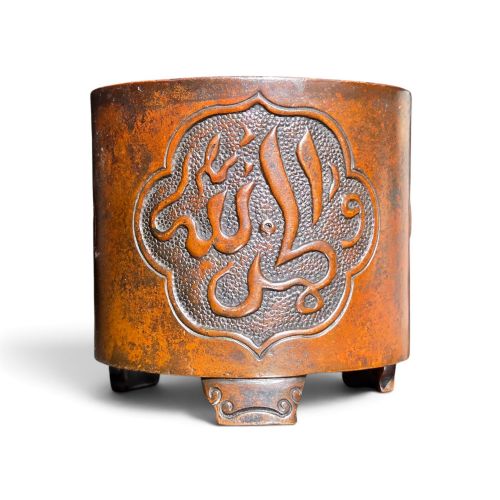
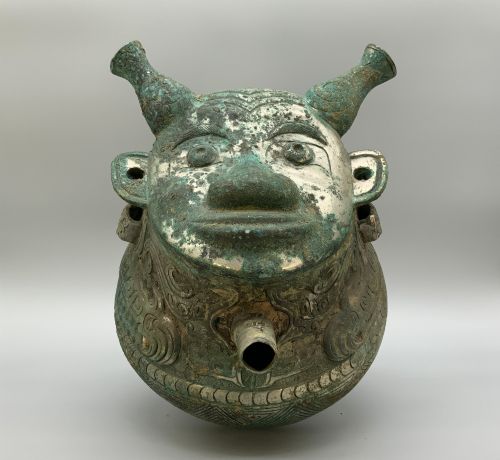
Buyers encounter distinct period examples ranging from the Ming and Qing dynasties to the seventeenth century and nineteenth century, alongside Victorian interpretations and West African Benin tribal pots. Forms vary from cylindrical tripod censers made for the Islamic market to large cloisonné bowls and ceremonial posy vases.
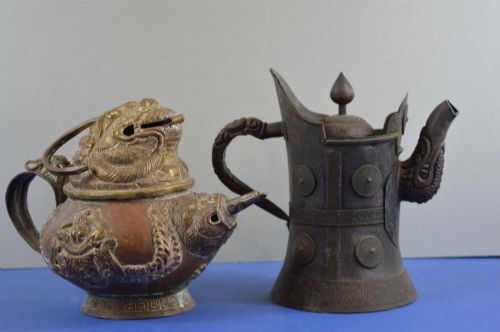
The selection spans eastern traditions and nineteenth-century revival pieces, offering substantial metalwork designed originally for ceremonial burning or display. Each piece reflects specific cultural aesthetics, from Sino-Islamic motifs to traditional lion-mask handles.
Materials and casting methods
These items rely on bronze and copper alloy, sometimes augmented with copper or vibrant enamel work. Heavy casting techniques produce substantial weights, noted in pieces that yield a distinct bell-ring resonance.
Surface decoration integrates applied enamel, intricate cloisonné work, and cast relief elements such as lion-mask handles. Metalworkers utilised traditional foundry methods to achieve durable vessel walls and complex structural forms like cylindrical tripod feet.
Retail Price Guide 2026
Typical UK retail prices for bronze ritual vessel, calculated from the Sellingantiques database of over a million retail prices indexed since 2003. This retail price guide relies exclusively on Sellingantiques data; no external sources or auction records are used, so the figures do not describe the wider market.
Some heavy censers possess such dense casting they produce a clear bell-ring resonance when struck.
Distinctions in quality
Quality rests in the precision of the casting work and the resonance of the metal. Finer examples display superior weight distribution, crisp relief detailing on motifs like lion masks, and harmonious proportions.
The sophistication of the surface finish also divides standard items from superior pieces. Enamel application, patination depth, and the integrity of historical styling dictate where a vessel sits within the range.
The Bronze Ritual Vessel Glossary
- Gui
- An ancient bowl-form vessel used for ritual food offerings, featuring prominent handles. This traditional form was reinterpreted in later centuries.
- Gu
- A tall, slender ceremonial vase with a flared mouth and central node. Originating in antiquity, these vessels served ritual and decorative functions.
- Cloisonné
- An enamelling technique where metal wire creates cells that are filled with coloured paste and fired. This surface decoration adds rich colour to metal bodies.
- Tripod censer
- A standing incense burner supported by three legs. These vessels were utilised for burning aromatic materials during ceremonies.
- Patina
- The surface sheen and coloration developed through age and handling. A natural patina indicates historical depth.
Frequently Asked Questions
What is a bronze ritual vessel used for?
These pieces were originally created for ceremonial burning of incense, ritual offerings, or display within scholarly and sacred spaces. They held aromatic materials or served as decorative vessels in elite households.
Today, collectors use them as decorative accents, desk pieces, or focal points in a room, appreciating their substantial weight and historical presence.
How do I identify a Ming dynasty piece?
Identification relies on examining the casting style, material density, and decorative motifs characteristic of the period. Archaising elements often emulate much older forms while retaining the manufacturing traits of their specific era.
Consulting the listed period details and comparing vessel forms like the gui helps place an item within the seventeenth century or earlier dynasties.
Are all these vessels from China?
While many pieces reflect Chinese dynasties and Sino-Islamic markets, the selection also includes West African Benin tribal pots from the late nineteenth century. Each region employs distinct casting traditions and stylistic conventions.
Reviewing the specific titles clarifies the geographic origin, distinguishing between Asian ritual bronzes and African metalwork.
How should I care for antique bronze?
Antique bronze requires minimal intervention to preserve its historical surface and natural patina. Dusting with a soft, dry cloth is usually sufficient to maintain the metal.
Avoid using abrasive cleaners or metal polishes that can strip away centuries of accumulated patination and damage the underlying alloy.