
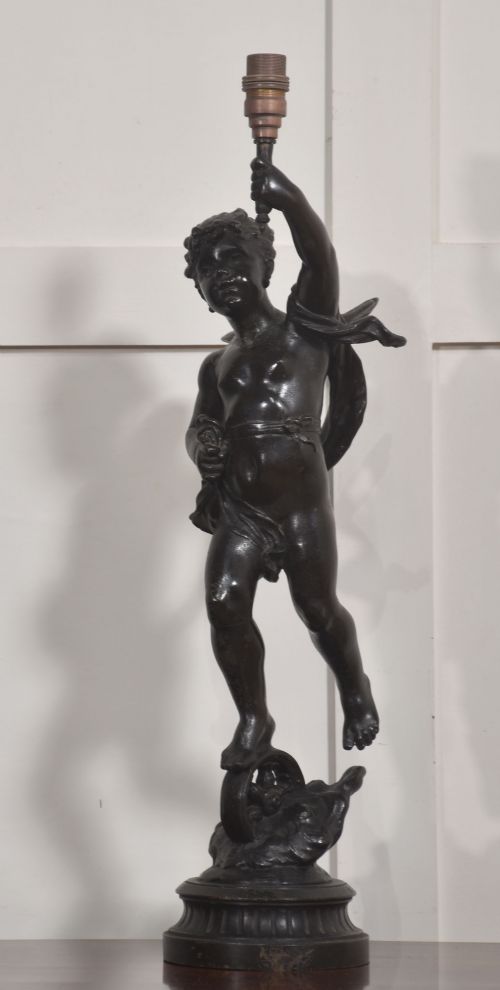


Bronze Putti Table Lamps
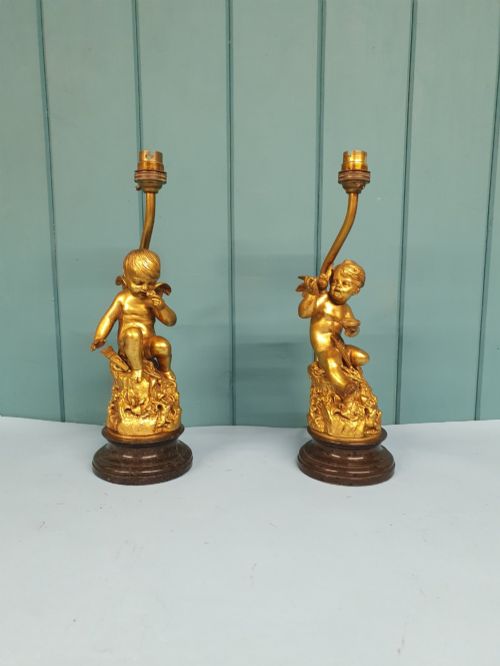
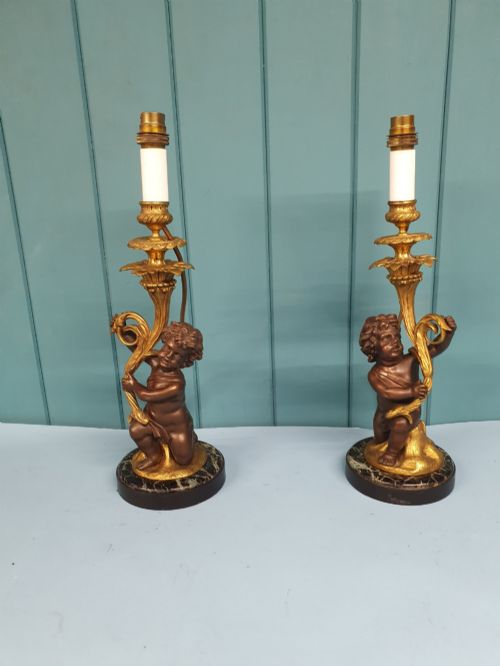
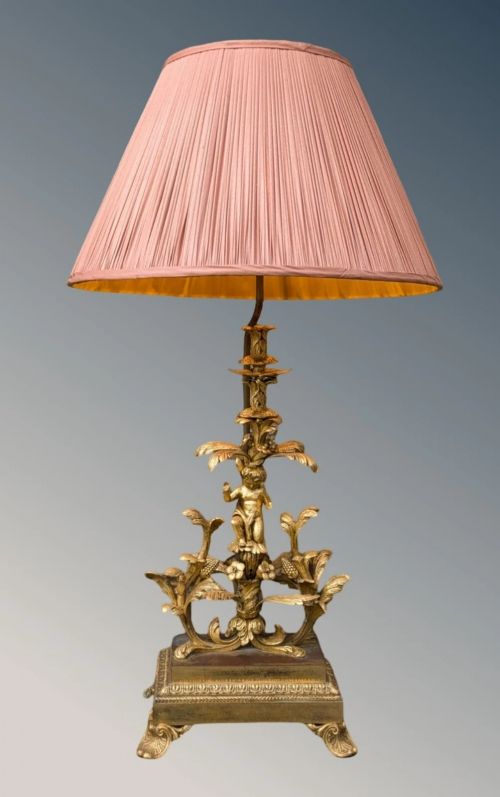
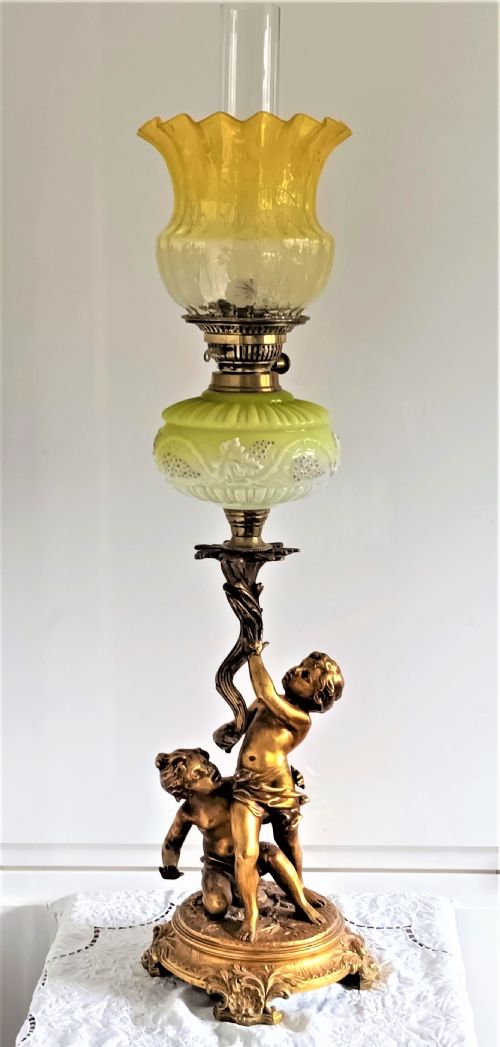
These bronze putti table lamps bring sculptural charm and warmth to a room, cast in metal and styled with classical figures.
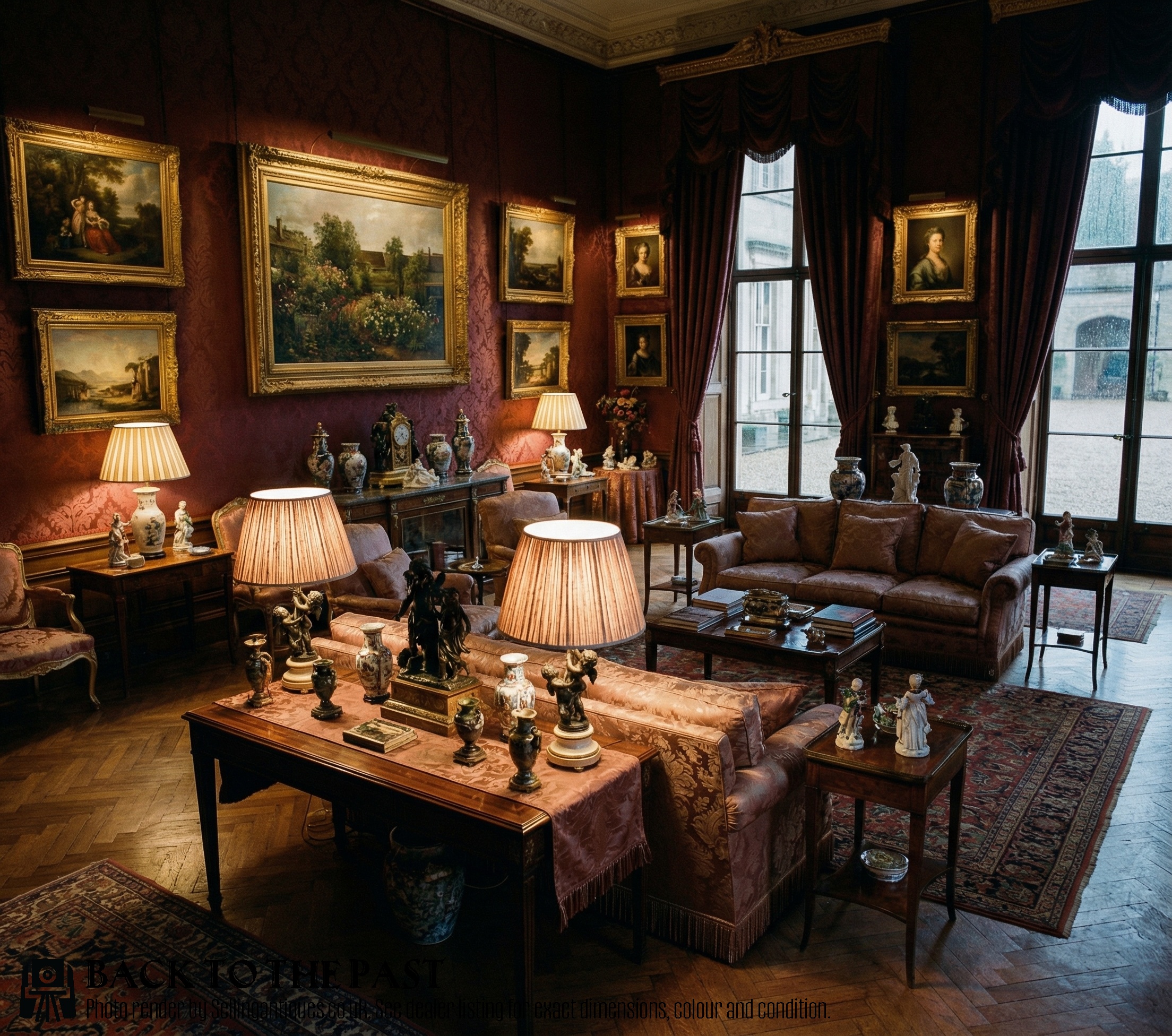
Bronze Putti Table Lamps
Bronze putti table lamps combine figural sculpture with domestic lighting, taking the form of cherubs or putti cast in metal. They appear frequently in nineteenth-century French designs, often echoing Rococo Revival, Louis XVI Style, or Empire aesthetics.
Most examples found here date from the nineteenth century into the early twentieth century, spanning periods like the Victorian era and the nineteen-twenties. Buyers encounter both single lamp bases and matched pairs, sometimes adapted from earlier oil lamps or statuettes.
Materials extend beyond plain metal to include gilt bronze, ormolu, brass, and patinated bronze, frequently mounted on marble bases. Certain pieces incorporate porcelain or glass elements, reflecting diverse European workshop traditions.
How they were made
These lamps rely on traditional metal casting techniques, utilising bronze, brass, or spelter to shape detailed figures of cherubs and putti. Many surfaces receive a patinated finish or are treated with gilt bronze and ormolu to create a bright, reflective sheen.
Stonework and ceramics feature heavily in the construction, with marble bases providing weight and stability beneath the metal figures. Fabric and glass components often complete the upper structure when paired with shades and fittings.
Cherubs double as maritime escorts when dolphins join the casting.
What varies in quality
Materials and mounts also drive distinction, particularly the weight of the bronze, the richness of the gilding, and the quality of the marble used for the bases. Converted items and later adaptations carry their own historical character compared to purpose-built lamp bases.
The Bronze Putti Table Lamps Glossary
- Putti
- Plural of putto, representing small winged infants or cherubs derived from classical art. They appear frequently as the central figural element in these decorative lamps.
- Ormolu
- Finely ground high-carat gold applied to a bronze object using a mercury amalgamation technique. It produces a rich, warm golden surface finish.
- Patination
- The surface coloration developed on bronze over time or applied chemically by artisans. It adds depth and tone to the exposed metal areas.
- Torchère
- A stand or lamp modelled on an ornamental torch-holder. They often take a tall, slender form designed to hold a light source.
- Rococo Revival
- A nineteenth-century design style drawing on eighteenth-century French motifs, characterised by asymmetry, scrollwork, and natural forms.
Bronze Putti Table Lamps: Frequently Asked Questions
Are these lamps converted from oil lamps?
Many nineteenth-century examples began life as oil lamps or candelabra before receiving modern electrical wiring.
Conversion methods vary, but skilled adaptations preserve the original metalwork and burners where possible.
How do I clean gilt bronze and ormolu?
Gilt surfaces require gentle dusting with a soft, dry cloth to prevent abrasion.
Avoid chemical polishes and water, which can strip the thin layer of gold or damage the underlying patination.
Do these lamps come in pairs?
Both matched pairs and single lamp bases appear across the selection, reflecting their original domestic placement on mantelpieces or side tables.
Pairs often command greater attention from interior designers seeking balanced lighting schemes.
What period do most of these lamps date from?
The majority originate in the nineteenth century, spanning Victorian production and French Second Empire styles.
Early twentieth-century pieces from the nineteen-tens and twenties also feature regularly.