

Bronze Cherub Lighting
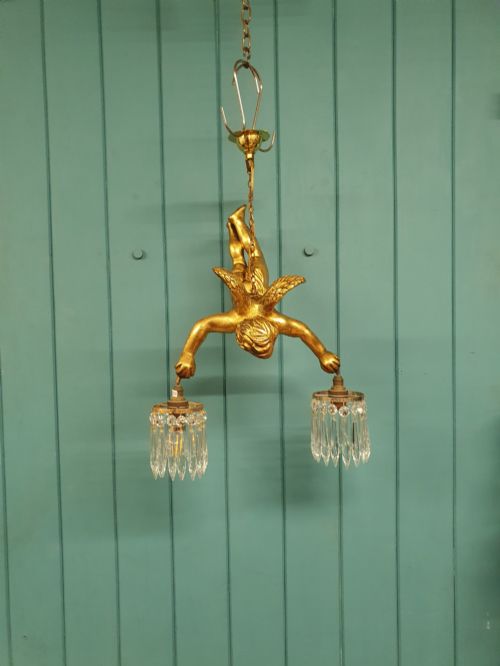
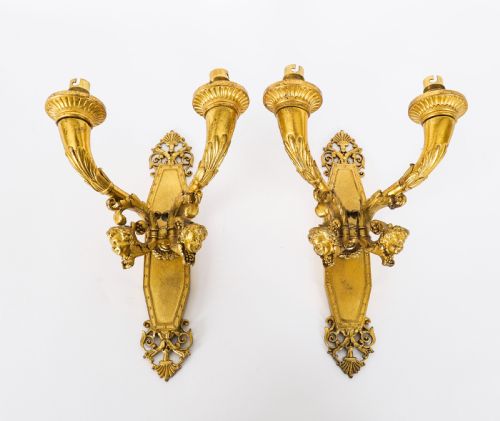
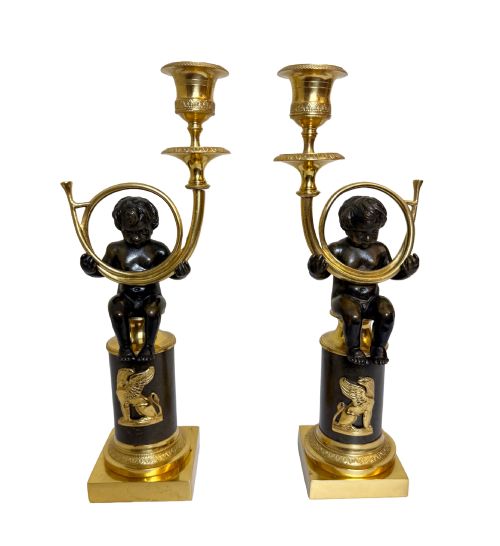
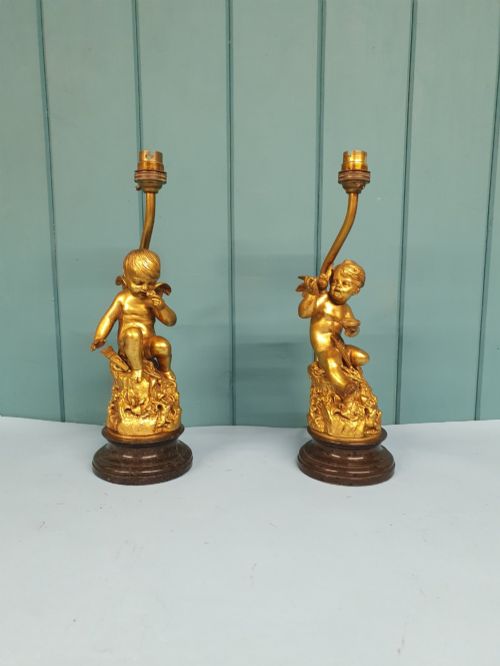
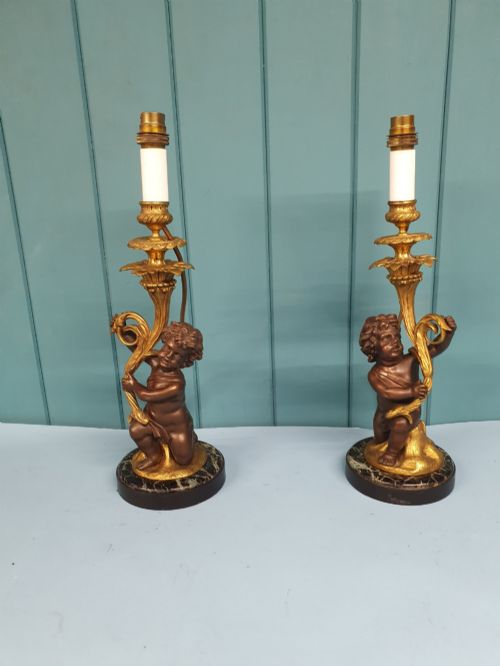
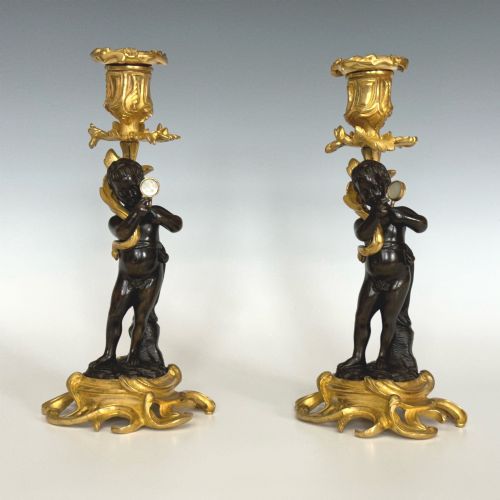
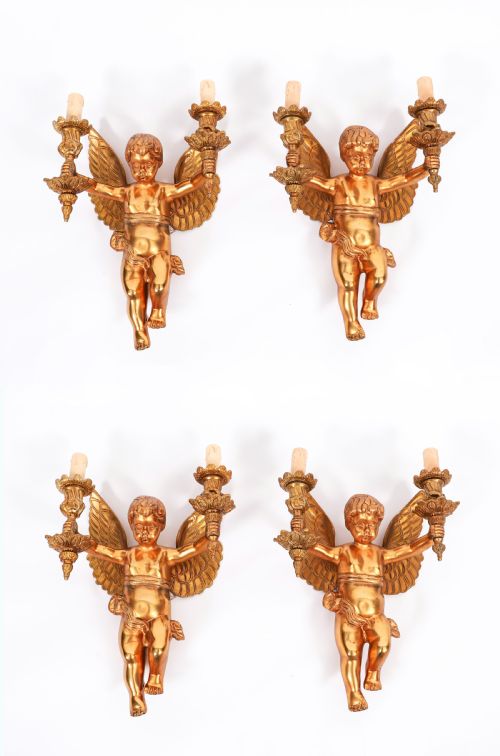
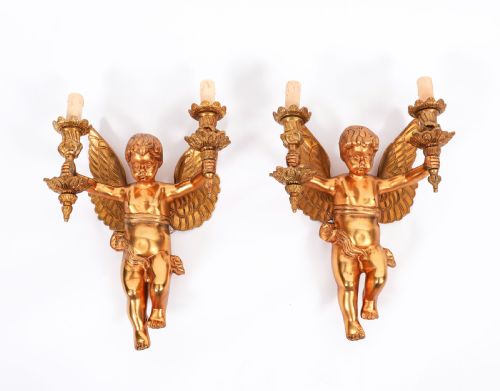
Bronze cherub lighting combines figural charm with functional illumination, offering decorative figures holding lights across table lamps, wall sconces and candelabra.
Bronze Cherub Lighting
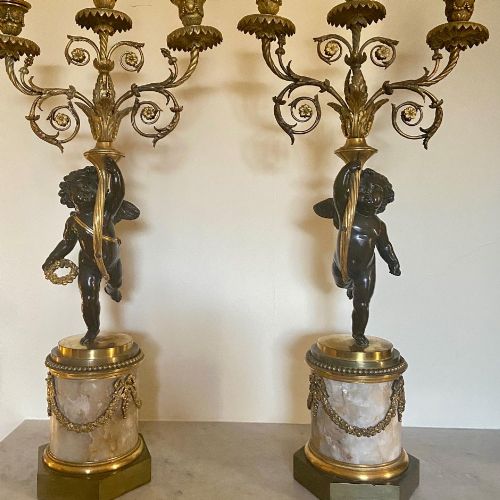
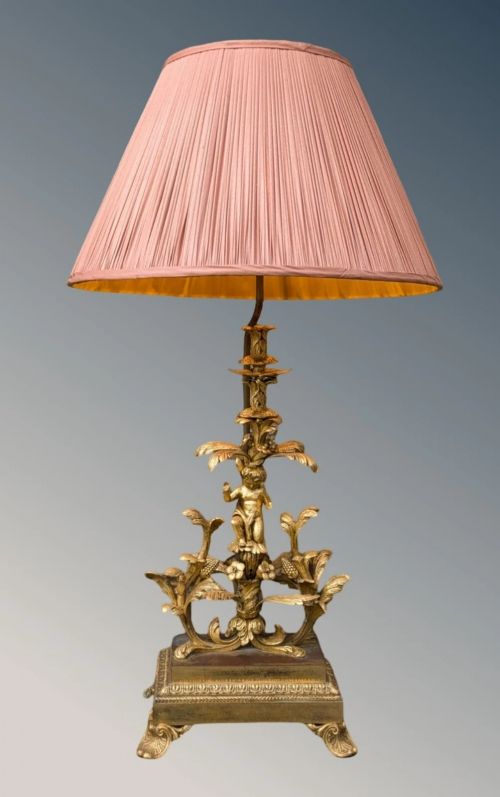
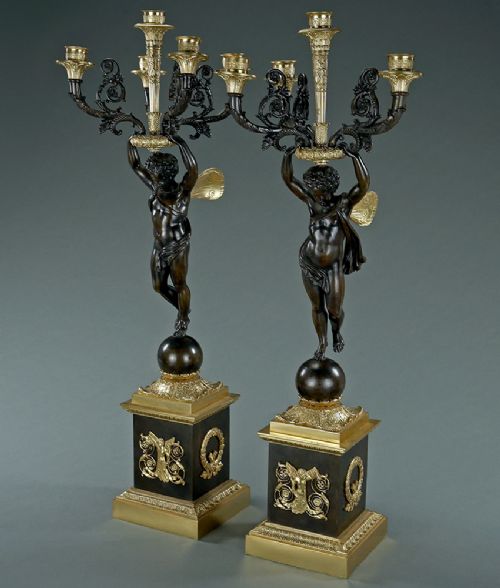
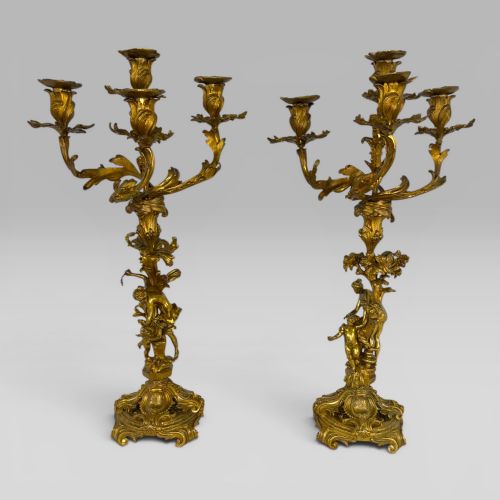
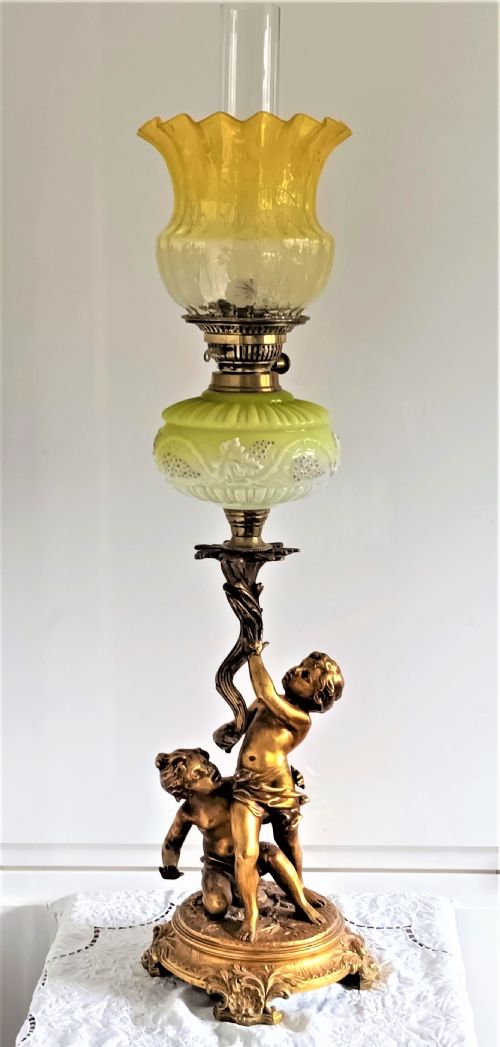
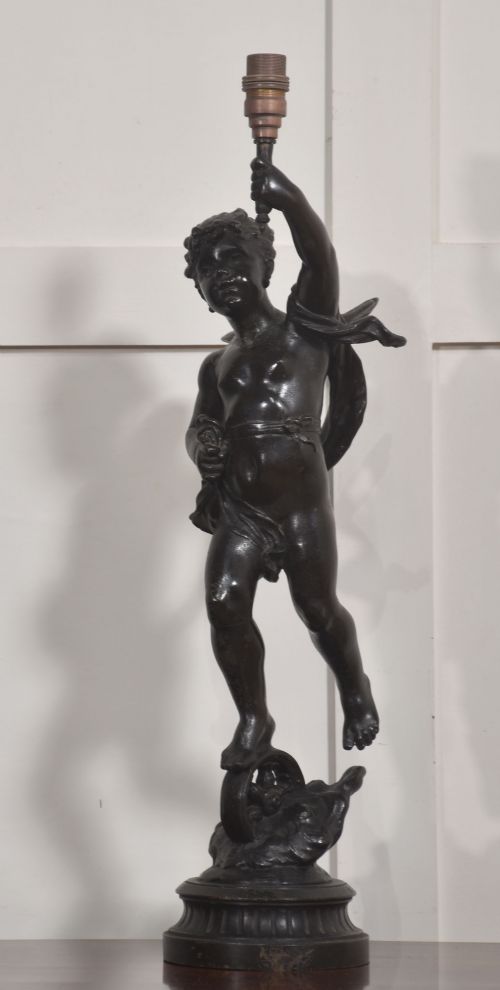
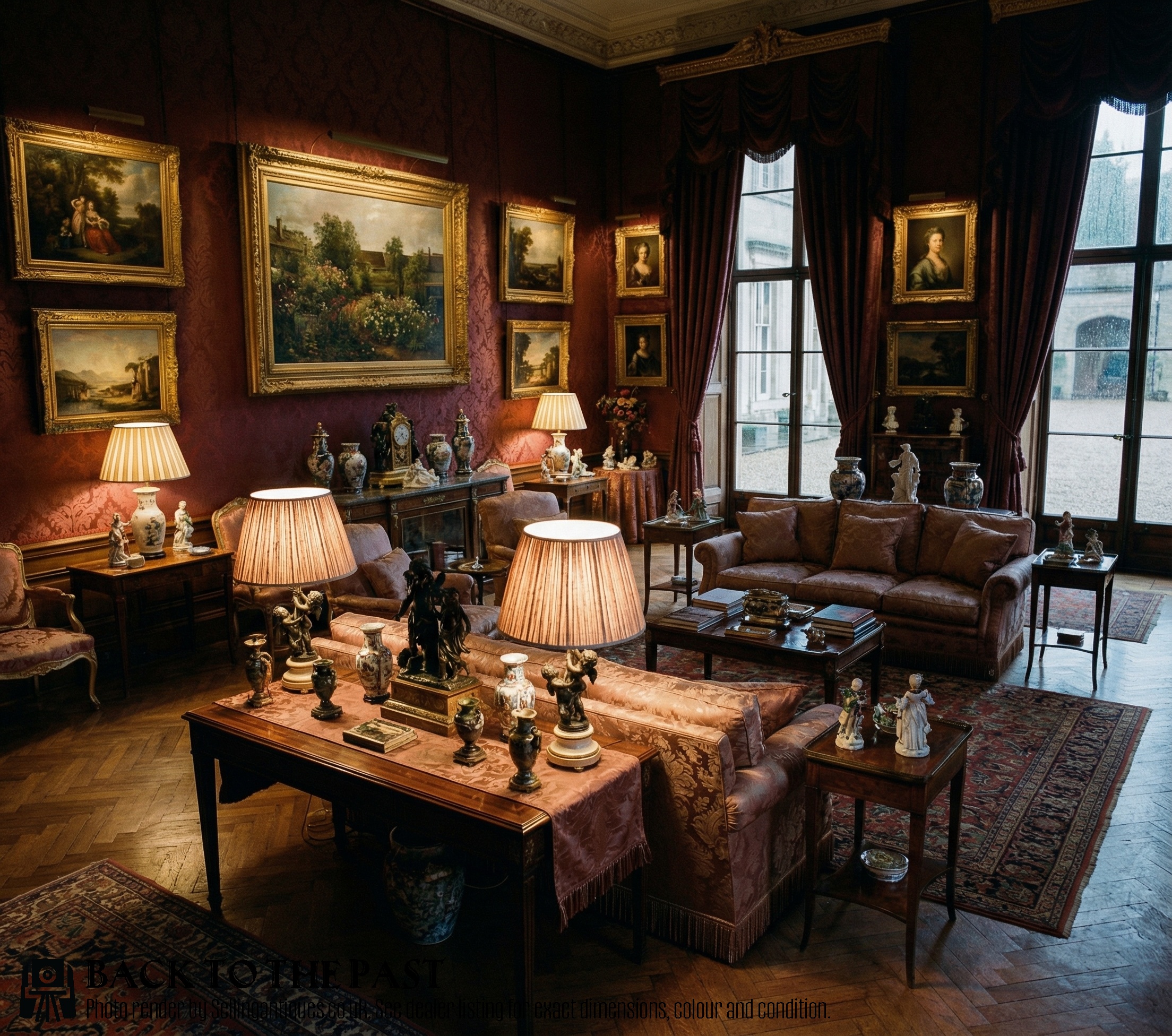
Bronze cherub lighting encompasses figural pieces produced across the nineteenth and early twentieth centuries, drawing heavily on French stylistic revivals. Buyers seeking these items encounter a variety of functional forms, including paired candelabra, table lamps, wall lights and chandeliers.
The figures themselves appear as winged putti or cherubs cast in metal, frequently integrated into larger lighting assemblies. Many surviving examples pair the bronze figures with stone plinths such as marble bases.
French influence dominates the selection, spanning Louis XIV, Louis XVI, Empire and Rococo revival movements. These pieces often serve as focal points in period interiors, functioning as both decorative sculptures and light sources.
Materials and casting methods
Foundries utilised bronze, ormolu, and patinated brass alongside gilded spelter for the sculptural elements, applying surface treatments to achieve contrasting metallic sheens. Ormolu provides a bright golden finish through mercury gilding or modern electroplating techniques.
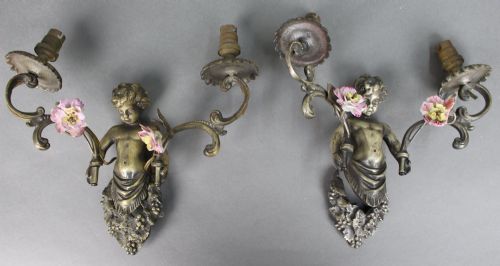
Structural components frequently incorporate natural materials like marble bases and crystal spike chandeliers to add weight and reflect light. Porcelain flowers and enamel details occasionally complement the metalwork in later nineteenth-century pieces.
Listed object types range from table lamps and candelabra to multi-light chandeliers and wall sconces.
Distinguishing quality in figural metalwork
The crispness of the chasing defines the sculptural merit of the piece, separating finely detailed hand-finished castings from softer, mass-produced alternatives. Superior examples retain sharp facial expressions and feather definition on the wings.
Integration of the components dictates overall structural integrity, particularly where bronze figures meet marble bases or branch arms. Heavier gauge metal and secure mounting ensure the longevity of multi-light candelabra and chandeliers.
Francois Redmond·Aug. Moreau
The Bronze Cherub Lighting Glossary
- Ormolu
- Gilded bronze produced by applying a gold amalgam to a bronze base, creating a rich golden surface. This technique was widely utilised in French decorative arts.
- Putto
- A plump, naked male child figure often depicted with wings, commonly referred to as a cherub. These figures form the central sculptural motif of the lighting pieces.
- Candelabra
- A branched candlestick holder designed to support multiple candles simultaneously. Many antique examples feature central figural stems.
- Patinated bronze
- Bronze that has been treated chemically or naturally to produce a darkened surface colour. This finish highlights the sculptural contours of the metal.
- Torchere
- A tall stand or ornamental candlestick originally designed to hold a torch. In later lighting, the term describes lamp forms derived from these stands.
Bronze Cherub Lighting: Frequently Asked Questions
What periods do bronze cherub lights come from?
These lighting pieces date predominantly from the nineteenth and early twentieth centuries, reflecting various historical revivals popular during those decades.
Victorian and Edwardian eras saw robust production, often copying earlier French court styles from the Louis periods.
Were these lamps originally electric?
Most antique pieces began as oil lamps, candleholders, or gas fixtures before undergoing later conversion to electricity. Some wall lights and chandeliers retain their original multi-branch candle configurations.
Wiring is typically added during the twentieth century to suit modern domestic requirements.
How do I clean ormolu and bronze?
Dusting gently with a soft dry cloth maintains the surface without disturbing the aged patina or delicate gilding. Agressive polishing or chemical cleaners strip away the historical finish entirely.
Specialist care is recommended for antique metalwork to preserve its original condition.
What is the difference between ormolu and gilt bronze?
Ormolu specifically refers to gilded bronze created through traditional mercury amalgamation methods common in historic French manufacturing. Gilt bronze is a broader term encompassing any bronze object with a gold-coloured surface application.