



Cherub Lamp Pair
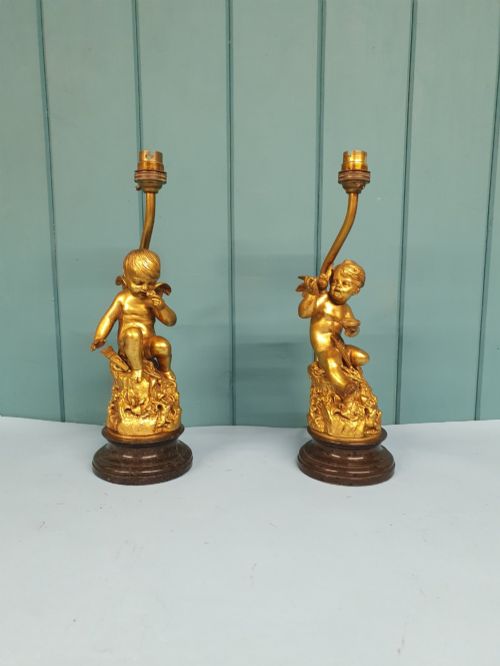
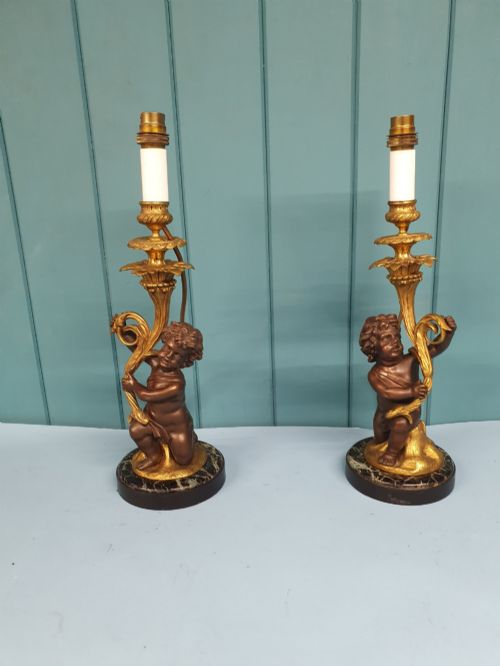
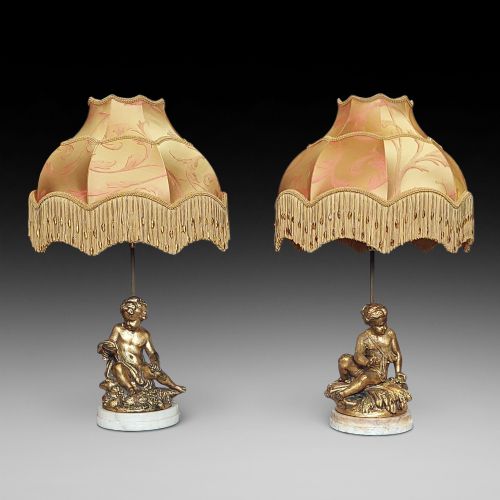
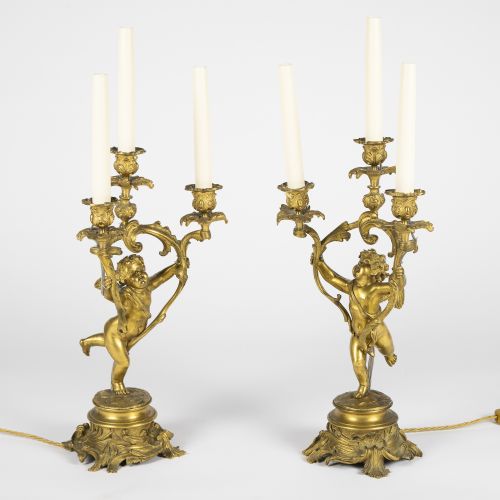
These cherub lamp pair examples combine decorative figural sculpture with functional lighting, bringing classical motifs into domestic interiors.
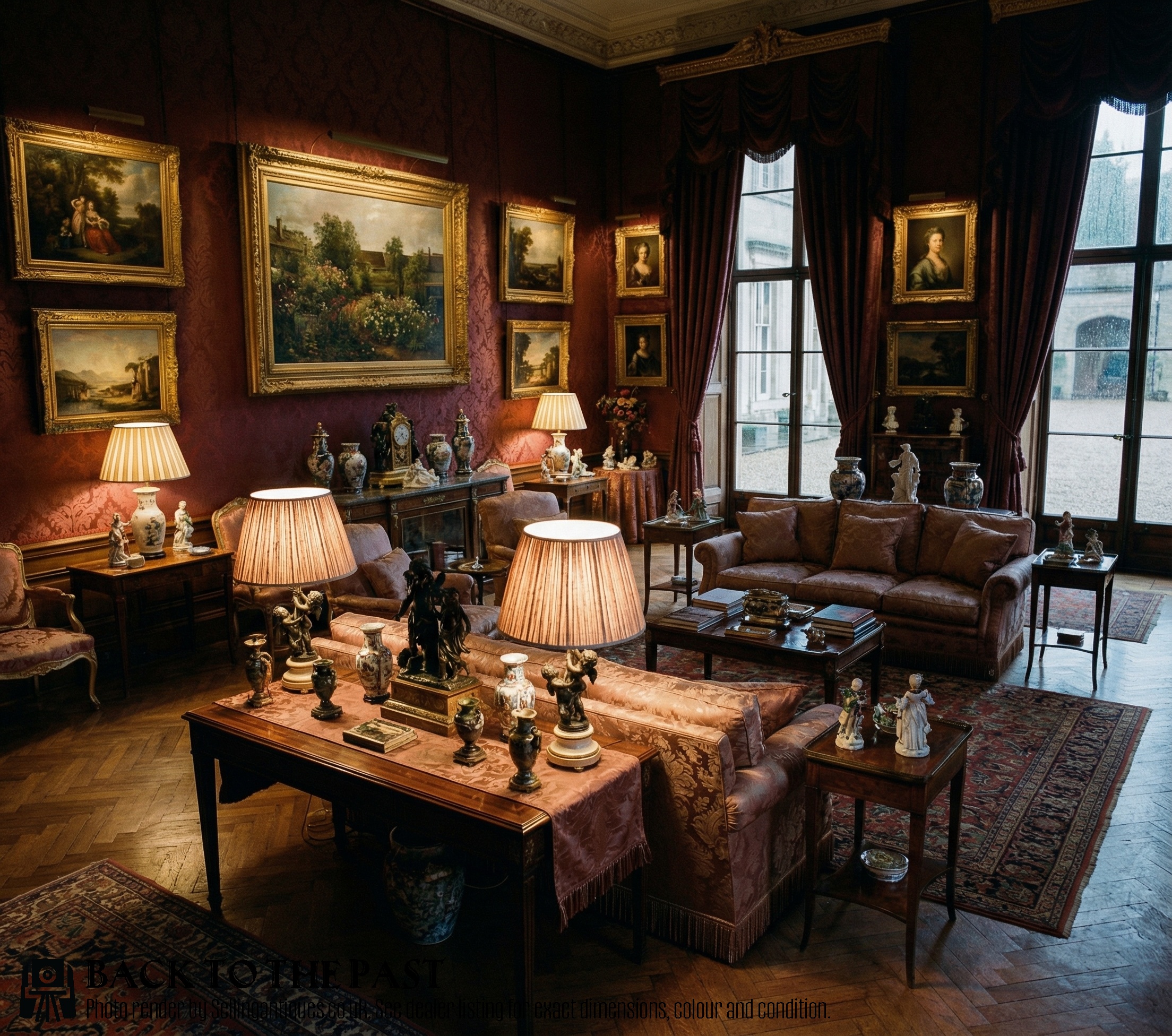
Cherub Lamp Pair
A cherub lamp pair comprises matching lighting fixtures featuring winged putti or mythological figures, originating primarily from the nineteenth and early twentieth centuries.
The selections span table lamps, wall sconces, candelabra, and oil lamps, reflecting diverse European decorative movements.
Makers utilised various idioms, ranging from French Rococo Revival and Neoclassical Revival to Arts and Crafts designs, adapting classical forms for domestic illumination.
Materials and construction
Foundries and workshops cast figures in bronze, brass, spelter, and copper, often employing fire gilding or ormolu finishes to achieve metallic brilliance.
Potteries shaped delicate porcelain models, while other examples combine carved wood, marble bases, alabaster mounts, and moulded plaster.
Artisans integrated wiring and fittings into pre-existing candelabra, oil lamp bodies, or sculptural vases during conversion processes.
Wings on these metal infants range from subtle feathered attachments to dramatic sweeping spans, ready for flight.
Assessing quality in figures and mounts
Superior examples display crisp chiselling and fine anatomical detail in the cast metal figures, whereas simpler pieces show softer contours from worn moulds.
The integration of materials dictates overall refinement, distinguishing heavy marble bases and fire-gilded bronze from lighter plaster or painted compositions.
Sitzendorf porcelain·Meissen Porcelain
The Cherub Lamp Pair Glossary
- Putti
- Plural of putto, referring to the chubby male infant figures depicted in classical art and often mistaken for cherubs. These figures appear frequently supporting sconces or holding torchères.
- Ormolu
- Finely ground high-carat gold applied to a bronze base using a mercury amalgamation technique. This historic process creates a durable, warm metallic lustre.
- Spelter
- An alloy of zinc used as a cost-effective alternative to bronze in nineteenth-century manufacturing. It accepts patination well but possesses a lighter weight.
- Torchère
- A stand or decorative lamp designed to carry a light source aloft, frequently held by figural sculptures in nineteenth-century interiors.
- Candelabra
- A branched candlestick holder designed to support multiple light bulbs or candles simultaneously. Many surviving examples underwent conversion to electricity.
Cherub Lamp Pair: Frequently Asked Questions
What periods do these lamps date from?
The pieces span the Victorian era, the nineteenth century, and the early twentieth century up to the 1930s. Styles range from ornate Rococo Revival to later neoclassical and arts and crafts movements.
Specific dates depend on the materials used, with porcelain models often aligning with nineteenth-century German factories and metal castings reflecting French revival periods.
Were these originally electrified?
Many examples began as oil lamps, gas fixtures, or candle-holding candelabra before undergoing conversion to electricity in later decades.
Rewiring allows these antique fixtures to function safely as modern table lamps while retaining their original nineteenth or early twentieth-century mounts.
How do bronze and spelter differ?
Bronze is a heavy, durable copper alloy that accepts detailed chasing and rich patination. Spelter is a softer zinc-based metal used as an economical alternative in Victorian manufacturing.
Examining the weight, surface crispness, and underneath areas helps distinguish solid bronze castings from lighter spelter versions.